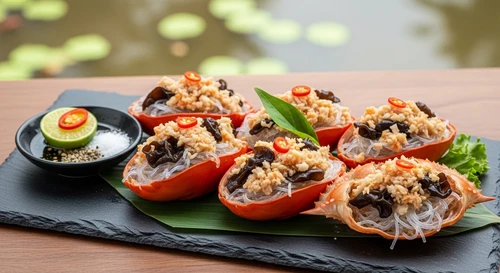
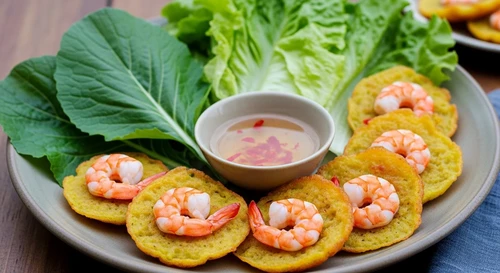
" This isn't your grandmother's crab cake. Forget the breadcrumbs, forget the frying. This is Delta food – honest, elemental, and deeply connected to the water. "

📸 The simple beauty of tradition: Parcels of goodness.
1 Rooted in the River: A Mekong Story
Travel deep into the Mekong Delta, the verdant heart of Southern Vietnam, and you'll find a rhythm dictated by the ebb and flow of its mighty rivers and intricate canals. Here, life revolves around the water, and the bounty it provides. Seafood isn't just food; it's a way of life, a testament to generations of adaptation and culinary ingenuity.
The "Cua Hấp Lá Chuối" (Steamed Crab Cakes in Banana Leaves) is a perfect encapsulation of this spirit. It’s a dish that speaks of humility and respect for ingredients. You won't find a complex list of spices or aggressive cooking techniques here. Instead, the focus is on coaxing out the natural sweetness of the crab and the subtle earthiness of pork, all while infusing the dish with the very essence of its wrapping.
Imagine a fisherman, his hands calloused from nets and oars, returning at dusk with a fresh catch. He wouldn't dream of overpowering that delicate ocean flavor. He'd reach for the banana trees lining his home, gather a few broad leaves, and craft a simple, elegant parcel. This dish is that story, told through flavor and aroma.
Heritage Ingredient
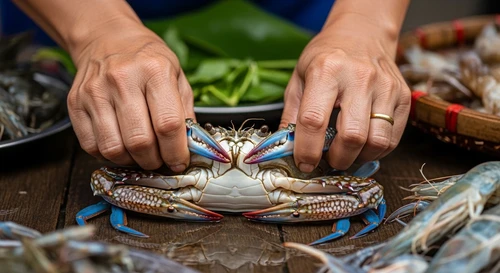
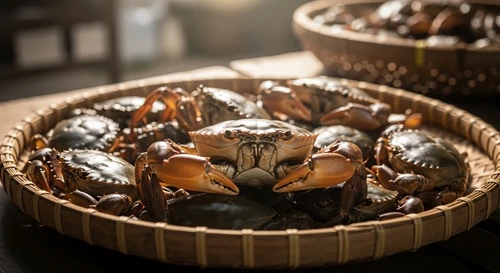
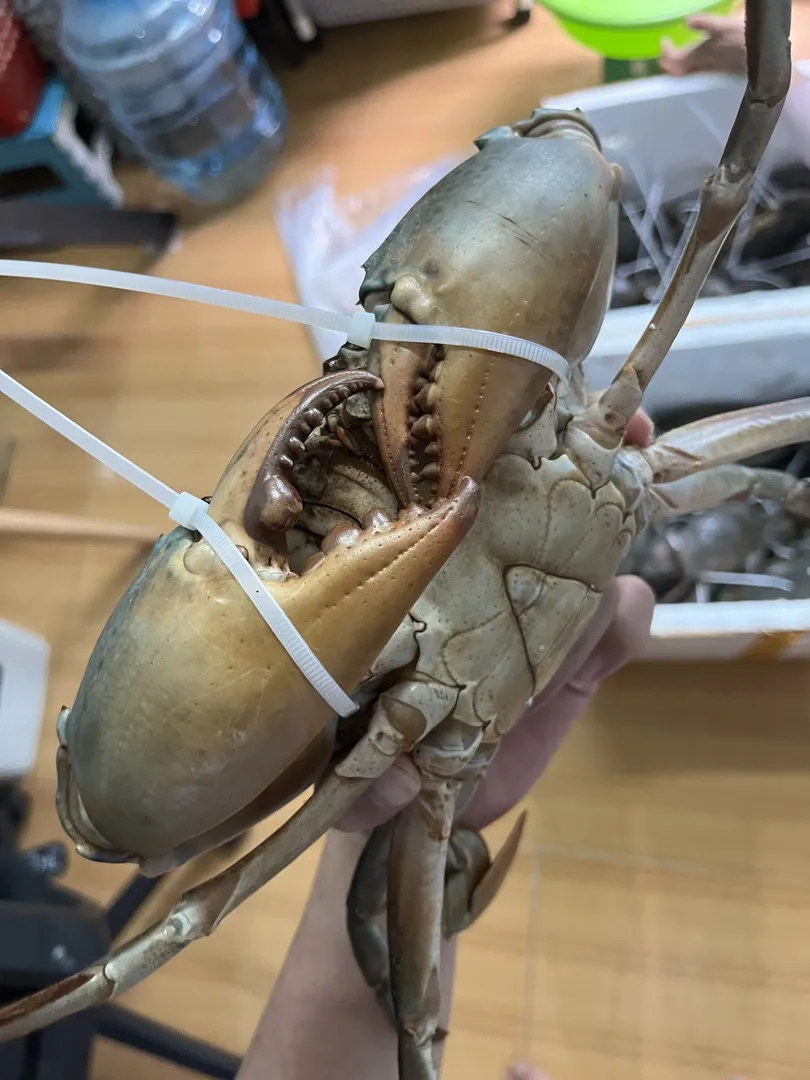
Ca Mau Jumbo Mud Crab
Ca Mau Jumbo Mud Crab
A large male mud crab prized for dense, sweet meat and thick claws, commonly used in steamed crab and grilled crab dishes across the Mekong Delta.
An icon of coastal culinary heritage, featuring firm, sweet meat that captures the raw power and freshness of Ca Mau's tides.
The crab meat itself is often sourced from the famed Ca Mau region, where the brackish waters yield some of the sweetest, most succulent mud crabs. These aren't just any crabs; they are the jewels of the Delta, prized for their firm, dense flesh that stands up beautifully to gentle steaming.
2 Banana Leaf Magic: More Than Just a Wrapper
The humble banana leaf is a culinary MVP in Southeast Asia, and nowhere is its importance more evident than in the Mekong Delta. Beyond its practical function of containing the food, the leaf imparts a subtle, sweet, and slightly grassy aroma as it steams, beautifully complementing the seafood and pork. It's a natural, biodegradable, and aromatic infusion that simply cannot be replicated by parchment paper or foil.
Rustic Charm
The slight imperfections of hand-folding the leaves lend an authentic, homemade feel to the dish, a hallmark of Delta cuisine.
Aromatic Infusion
The natural oils in the banana leaf release a gentle fragrance during steaming, subtly perfuming the crab and pork mixture.
Preparing the leaves is a crucial first step. They are typically blanched or briefly grilled to make them pliable and to remove any bitterness. This also helps them release their fragrant oils more effectively during the steaming process.
3 A Harmonious Blend: Pork and Crab
The Ocean's Sweetness
- Fresh Crab Meat: Hand-picked from live mud crabs for optimal flavor and texture. This is non-negotiable.
- Optional: A touch of crab roe (gạch cua) for added richness and visual appeal, especially from female crabs.
The Earth's Embrace
- Minced Pork: Finely ground, lean pork shoulder works best. It provides a savory base and binds the mixture.
- Aromatics: Finely minced shallots and garlic are essential for building flavor.
- Seasoning: A light hand with fish sauce, a pinch of sugar, and white pepper.
The ratio is key: you want the crab to be the star, with the pork acting as a supporting player, adding body and binding the delicate crab meat without overpowering it. Too much pork, and you lose the essence of the crab. Too little, and the cakes might fall apart.
This is where the rustic nature of Delta cooking truly shines. The ingredients are mixed with care, not aggressively worked, preserving the integrity of the crab meat. The resulting mixture is then portioned and neatly wrapped.
4 The Gentle Art of Steaming
Steaming is the soul of this dish. It's a gentle cooking method that preserves moisture, texture, and flavor. Unlike frying, it doesn't introduce excess oil or mask the delicate notes of the ingredients. The banana leaf parcel ensures that every bit of aroma and moisture is trapped within, creating a concentrated burst of flavor.
Prepare the Parcels
Lay out your prepared banana leaves (softened and cleaned). Place a generous spoonful of the crab and pork mixture in the center. Fold the leaf neatly to form a small, tight parcel. Secure with a toothpick if needed.
The Steamer Setup
Fill a steamer pot with water, ensuring it won't touch the bottom of the steamer basket. Add a few more pieces of smashed lemongrass or ginger to the water for extra aroma. Bring the water to a rolling boil.
The Gentle Cook
Arrange the banana leaf parcels in the steamer basket. Cover tightly and steam for 15-20 minutes, or until the mixture is cooked through and the aroma is intoxicating. The leaves will turn a deeper green.
The Delta Plate: Simple Pleasures
These crab cakes are often enjoyed as an appetizer or as part of a larger Mekong feast. Their delicate flavor profile pairs wonderfully with fresh, vibrant accompaniments.
Fresh Herbs
A sprinkle of fresh mint, cilantro, or Vietnamese basil.
Nuoc Cham
A light, tangy fish sauce dip for an extra kick.
Pickled Vegetables
Tangy pickled carrots and daikon add a delightful crunch and acidity.
For a true Delta experience, try them alongside a small bowl of fermented fish hot pot (Lẩu Mắm), a dish that embodies the bold flavors of the region.
6 The Delta's Ingenuity: Beyond the Leaf
The use of banana leaves in Vietnamese cuisine, especially in the Mekong Delta, is a testament to resourcefulness and a deep understanding of local ingredients. These leaves are abundant, renewable, and perfectly suited for the humid climate. They allow cooks to create portable, flavorful meals that are ideal for daily life by the river, for travel on boats, or for simple family gatherings.
This dish embodies the Delta's culinary philosophy: simple ingredients, minimal waste, and maximum flavor coaxed out through gentle, traditional methods. It’s a dish that tells a story of the land, the water, and the people who have thrived there for centuries.
Heritage Ingredient
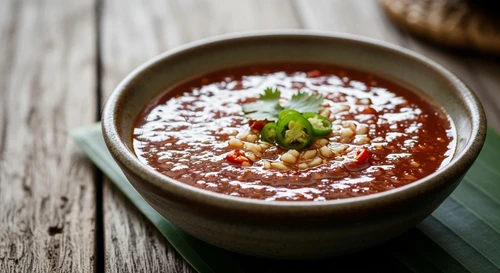
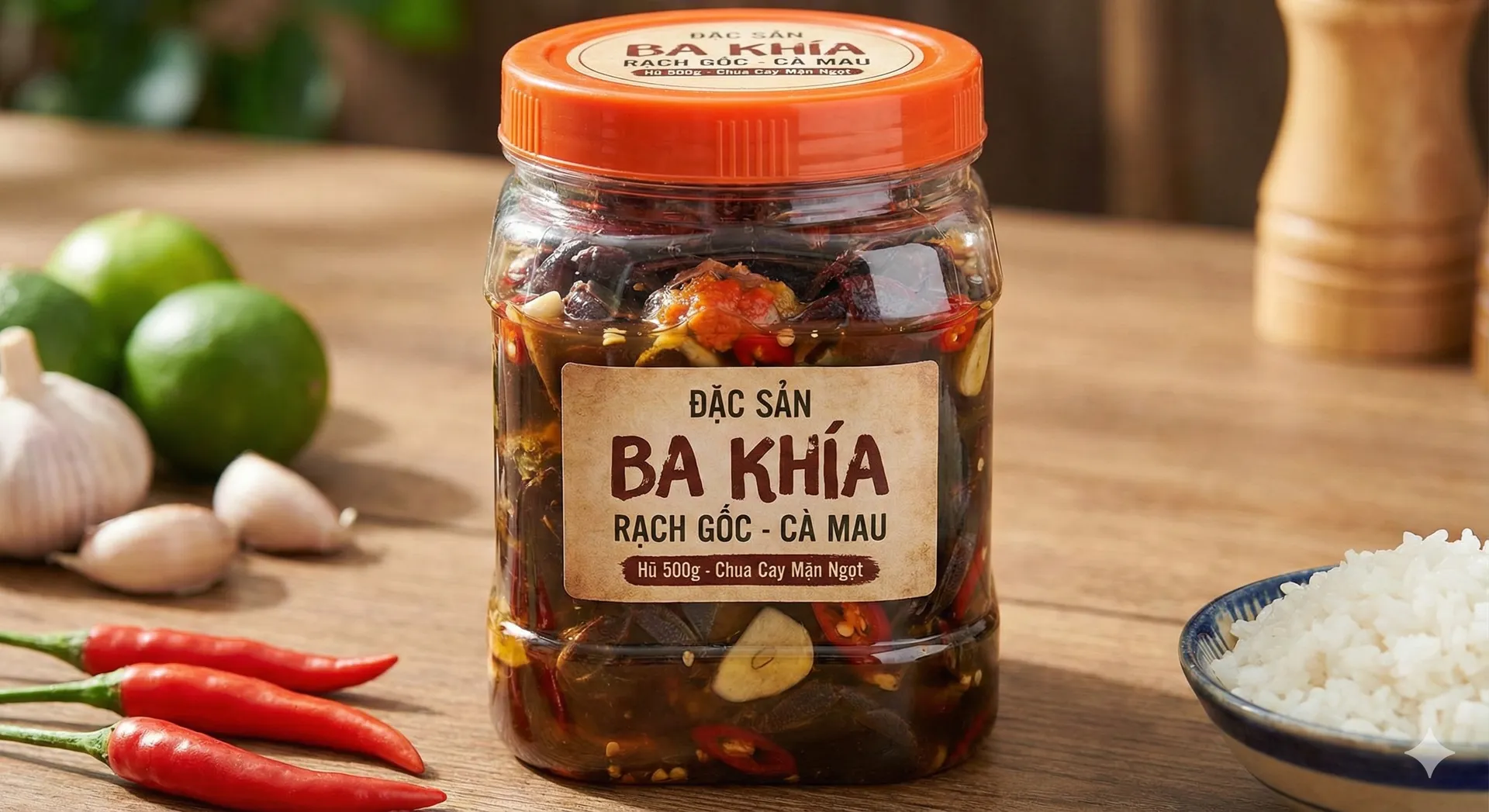
Fermented Mangrove Crab (Ba Khia)
Fermented Mangrove Crab (Ba Khia)
A traditional fermented crab specialty from the mangrove region of Rach Goc, often cited in articles about rustic Mekong Delta flavors and preserved seafood culture.
The salty-sour heartbeat of the wild south, where traditional fermentation turns forest crabs into a nostalgic explosion of rustic Mekong soul.
Even preserved specialties from the mangrove regions, like fermented crabs (Ba Khía), showcase the Delta's unique relationship with its environment, offering intensely savory flavors born from necessity and tradition. These crab cakes, however, offer a fresher, sweeter counterpoint, demonstrating the vast spectrum of crab preparations available in the region.
7 A Comforting Bite
For those who grew up in the Mekong Delta, these steamed crab cakes evoke a sense of home, of childhood memories, and of the simple, nourishing meals shared with family. The aroma alone can transport you back to bustling riverside markets or quiet evenings at home.
It’s a dish that requires no pretense. It is what it is: a perfect marriage of land and sea, wrapped in nature's own packaging. It's a reminder that the most profound culinary experiences often come from the simplest of preparations.
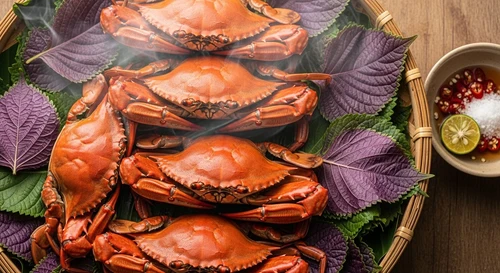
Heritage Ingredient
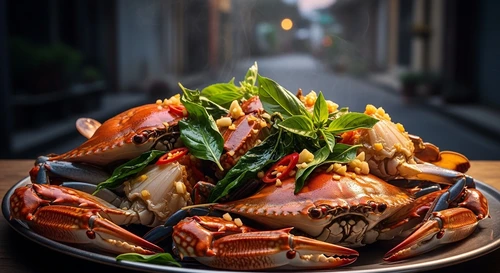
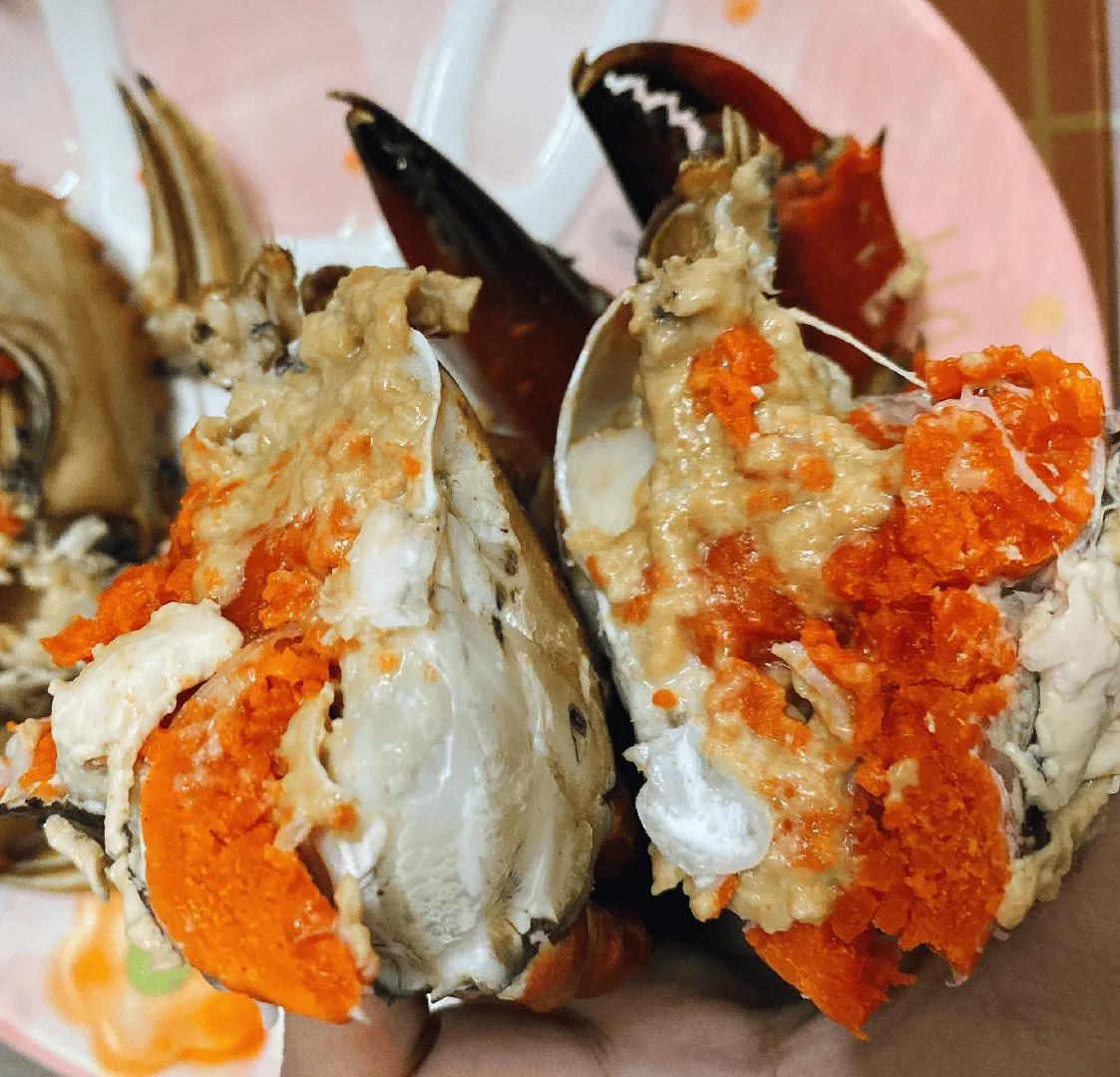
Ca Mau Roe Mud Crab
Ca Mau Roe Mud Crab
A female mud crab known for deep orange roe and a rich, creamy finish, often featured in celebratory Southern Vietnamese seafood meals.
A crimson treasure hidden within a shell, boasting rich, creamy roe that melts on your tongue like a golden sunset over the delta.
The presence of roe, when available, adds another layer of richness, transforming a simple crab cake into something more decadent, a treat often reserved for special occasions or when a particularly fine female crab is caught.
8 A Feast for the Senses
Served piping hot, the banana leaf parcels are opened at the table, releasing a fragrant steam that promises deliciousness. The texture is a delightful contrast: tender, moist cake with a slight firmness from the crab meat, all infused with the subtle perfume of the leaf.
This is food meant to be shared. It's about gathering around a table, peeling open your own parcel, and savoring the pure, unadulterated taste of the Mekong. It’s a culinary experience that connects you directly to the heart of Vietnam.