" This isn't your average fried shrimp. Forget heavy batter, forget greasy mouthfuls. This is precision cooking, a ballet of heat and timing, designed to transform humble shrimp into something extraordinary. "
1 The Soul of the Mekong: Where Shrimp Reign Supreme
When we talk about the Mekong Delta, the first image that often comes to mind is the endless tapestry of waterways, rice paddies, and vibrant floating markets. But beneath that lush green, a world of exceptional seafood thrives. The brackish waters and mangrove forests of provinces like Ca Mau are a veritable Eden for crustaceans, providing some of Vietnam’s most sought-after shrimp.
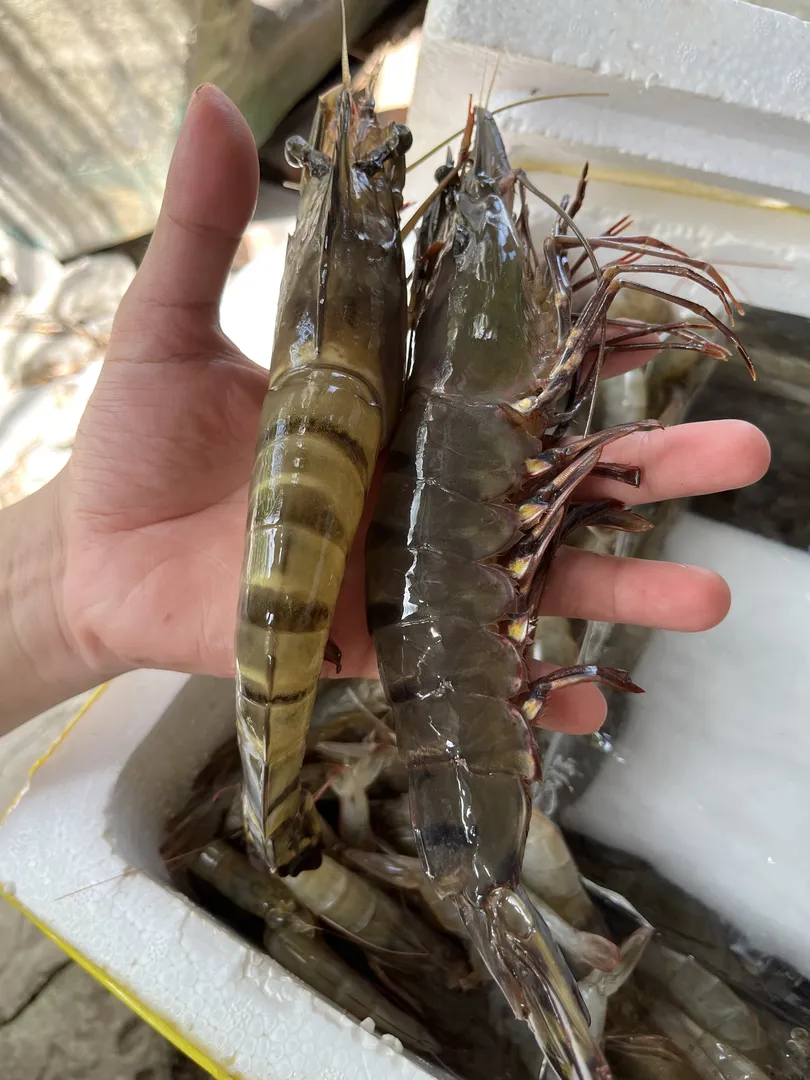
Think of the famed Ca Mau Black Tiger Shrimp. These aren't your mass-farmed, bland substitutes. Grown in the wild, brackish waters, they develop a firm texture and a cleaner, sweeter flavor that’s miles apart from anything else. This inherent quality, this unadulterated taste of the coast, is what makes them the perfect canvas for delicate yet impactful cooking techniques.
Heritage Ingredient
Ca Mau Black Tiger Shrimp
Ca Mau Black Tiger Shrimp
Large black tiger shrimp associated with mangrove aquaculture in Ca Mau, known for firm flesh and a cleaner, sweeter finish than intensively farmed shrimp.
Wild spirits of the mangroves, these black-banded gems deliver a firm, snappy texture and a sweetness that echoes the forest's vibrant life.

Heritage Ingredient
Mekong Giant Freshwater Prawn
Mekong Giant Freshwater Prawn
A river prawn with long blue claws and rich head fat, common in grilled prawn dishes and hotpot traditions across the Mekong basin.
Majestic blue-clawed warriors of the Mekong, famous for their rich, fatty heads and a savory depth that captures the essence of the delta's rivers.
Heritage Ingredient
Whiteleg Shrimp
Whiteleg Shrimp
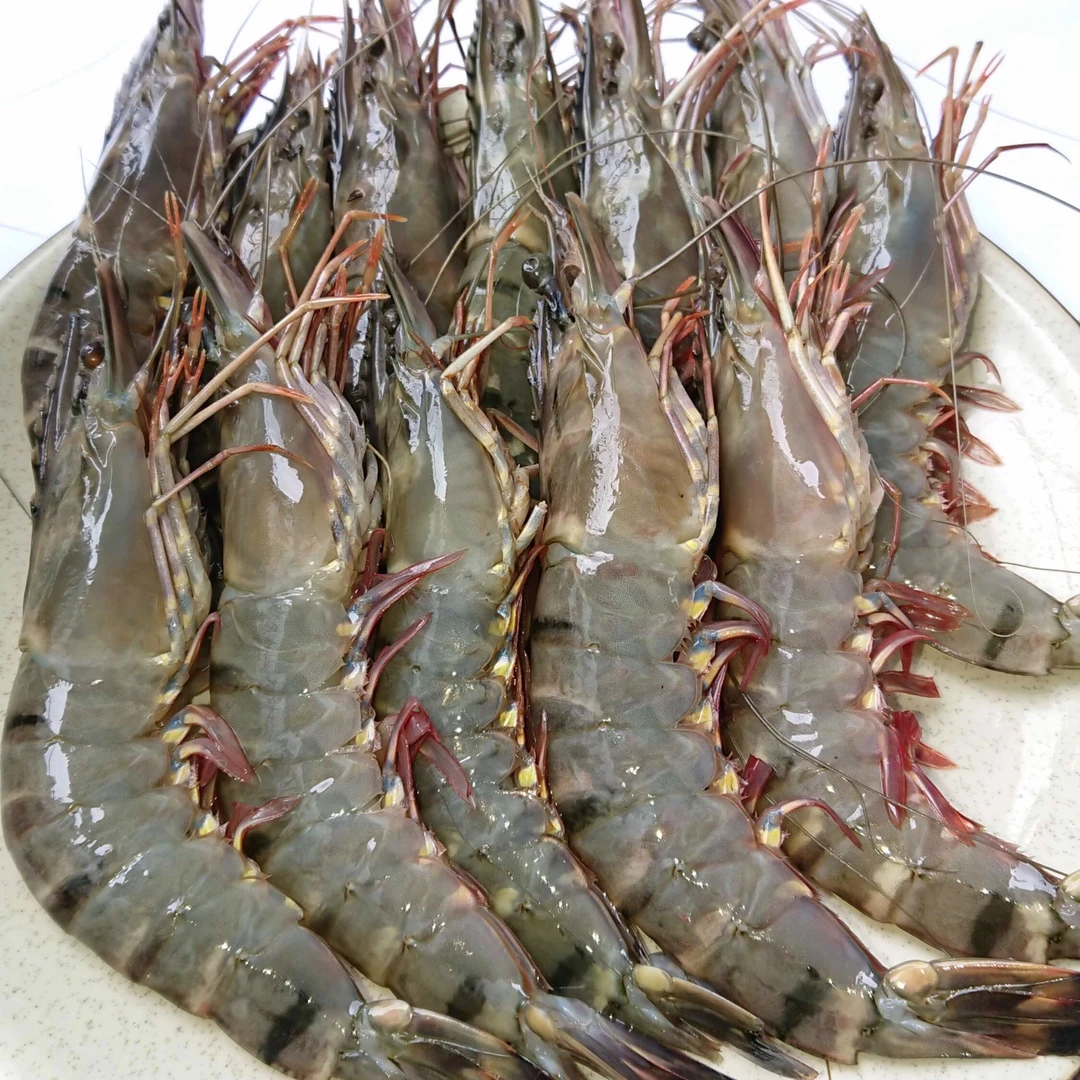
A widely used shrimp in Vietnamese home kitchens, suitable for stir-fries, soups, steamed dishes, and practical cooking articles that need a familiar shrimp reference.
Translucent jewels of the coast, thin-shelled and remarkably sweet, making every simple home meal feel like a seaside celebration.
2 The Technique: A 5-Second Secret
This method, often performed by seasoned Chinese head chefs, is deceptively simple yet requires absolute precision. It’s called “oil-washing” (油泡 - yóu pào), and it’s a rapid immersion in extremely hot oil. The goal isn't to deep-fry, but to *flash-cook*.
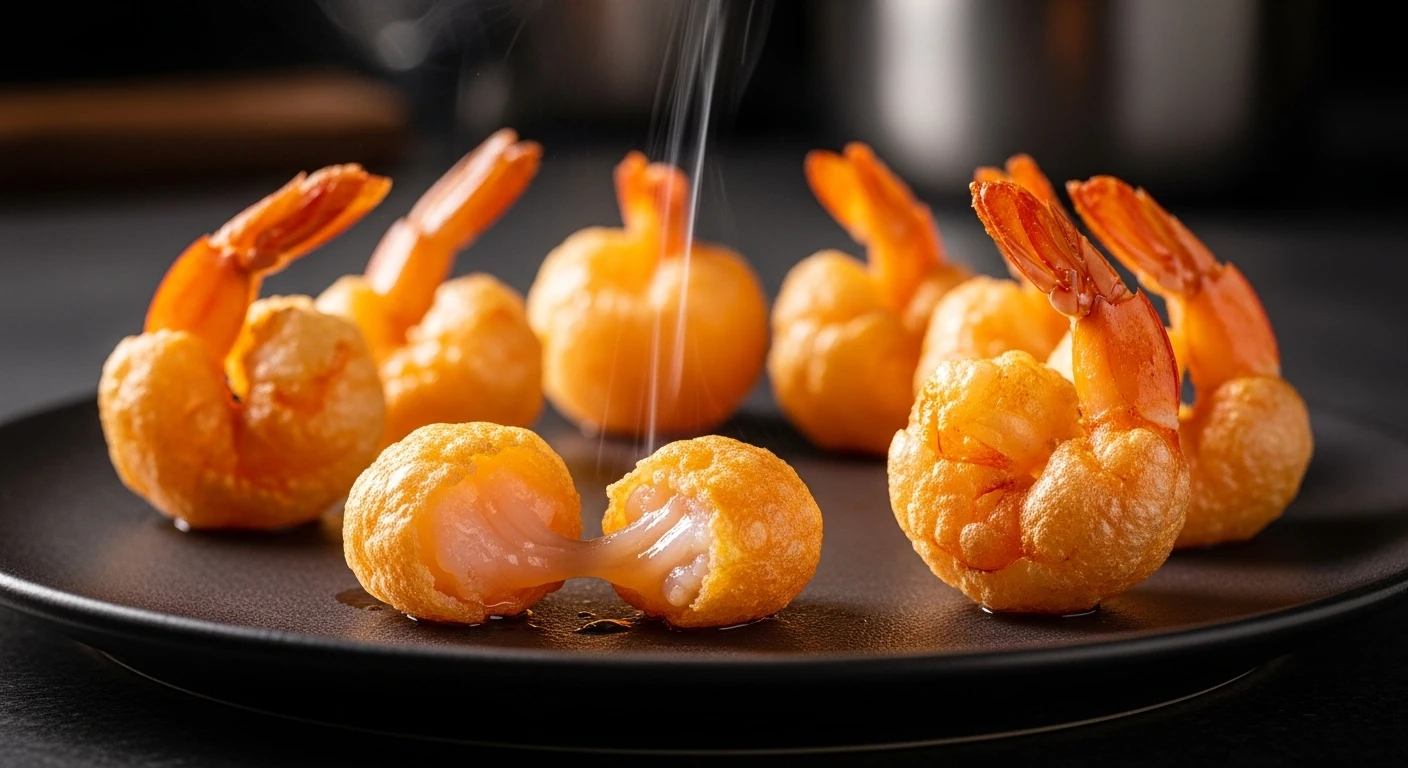
📸 The magic happens in a flash: Perfectly oil-washed shrimp.
The shrimp are first coated in a very light, almost imperceptible batter. This isn't for crunch like tempura; it’s a thin veil that helps the shrimp maintain its moisture and gives the oil something to adhere to. Then, the critical part: they are swished through oil heated to an astonishing 190-200°C (375-390°F) for precisely five seconds.
What happens in those five seconds is alchemy:
The Shell Transformation
The intense heat causes the thin batter and the shrimp’s own proteins to expand rapidly, puffing up the shell to an incredible, airy crispness. It’s like a microscopic explosion, creating a texture that’s delicate, shattering, and utterly delightful.
The Juicy Core
Simultaneously, the rapid cooking seals in the shrimp’s natural juices. The meat remains succulent, tender, and sweet, providing a perfect contrast to the ethereal crunch of the shell. Overcook it by even a second, and you’ll lose this magic.
3 The Chef's Secrets: Perfecting the Oil Wash
The Oil: Your Sizzling Arena
- Type: A neutral high smoke point oil is crucial. Canola, grapeseed, or peanut oil are excellent choices. Avoid olive oil unless it's light and refined.
- Quantity: You need enough oil to fully submerge the shrimp. A wok is ideal for maintaining temperature.
- Temperature: This is NON-NEGOTIABLE. A deep-fry thermometer is your best friend. Aim for 190-200°C (375-390°F). Too low, and they'll be greasy; too high, and they'll burn before cooking.
The Batter: A Whisper, Not a Shout
- Ingredients: Typically, a simple mix of cornstarch, a pinch of flour, salt, and water. Some chefs add a tiny bit of egg white for adhesion. The key is a very thin, runny consistency – think heavy cream.
- Application: Coat the shrimp just before they hit the oil. Excess batter will clump and burn.
4 The Process: From River to Wok
Select Your Shrimp
Choose fresh, firm shrimp. For this technique, medium to large size (around 21/25 or 16/20 count per pound) is ideal. Peel them, leaving the tail on for easy handling. Devein them too.
Prepare the Batter
Mix your cornstarch, a little flour, salt, and water until you have a very thin, smooth batter. Whisk in a tablespoon of hot oil from your wok to help it adhere and prevent splattering.
Heat the Oil
Bring your wok to screaming hot. Add your neutral oil and heat it to precisely 190-200°C (375-390°F). Test with a drop of batter; it should sizzle and puff immediately.
The Flash Cook
Working in small batches to maintain oil temperature, dip the shrimp in batter and immediately plunge into the hot oil. Swish them gently with your wok utensil for exactly 5 seconds. Do not let them sit. Remove with a spider sieve or slotted spoon.
Drain and Serve
Drain briefly on a wire rack or paper towels to remove any excess oil. Serve immediately while they are at their peak crispness. This is not a dish that waits.
The Harmony: Beyond the Crunch
While the texture is the star, the flavor needs balance. This dish shines with simple, bright accompaniments that don't overpower the delicate shrimp.
1. Zesty Dipping Sauce
A classic Vietnamese lime and chili dipping sauce (Nuoc Cham) or a simple soy sauce with grated ginger and a splash of rice vinegar works beautifully.
2. Fresh Herbs
A small mound of fresh cilantro, mint, or even shredded lettuce on the side adds a refreshing contrast.
3. A Touch of Heat
A side of thinly sliced fresh chilies, or a small dish of chili oil, for those who crave an extra kick.
6 Cultural Currents: A Sino-Vietnamese Culinary Bridge
While this technique is often associated with Chinese cuisine, its journey across Asia has seen it embraced and adapted by chefs in Vietnam, particularly those with a deep understanding of seafood. The Vietnamese appreciation for fresh, high-quality ingredients, especially the abundant shellfish from regions like the Mekong Delta, finds a perfect marriage with this rapid-fire cooking method. It’s a testament to how culinary traditions travel and evolve, adapting to local palates and prized produce. In the bustling kitchens of Ho Chi Minh City or the more rustic eateries along the Mekong, you might encounter this style, a delicious echo of a refined Chinese technique applied to the vibrant seafood that defines Vietnam's coast and rivers.
Common Pitfalls & How to Avoid Them
🔥 Greasy Shrimp?
💧 Mushy Meat?
🧱 Uneven Coating?
8 The Verdict: More Than Just Crispy Shrimp
This oil-washing technique is a masterclass in controlling heat and time to achieve seemingly impossible textures. It elevates the humble shrimp, drawing out its natural sweetness while providing a delicate, ethereal crispness that’s leagues beyond typical frying. It’s a dish that demands respect for the ingredient and precision in execution. When done right, it’s a fleeting moment of culinary perfection – a testament to why the simple things, done with mastery, are often the most profound.
Next time you're sourcing seafood from the rich waters of the Mekong Delta, consider this technique. It's a gateway to understanding the subtle artistry of Chinese culinary traditions, applied to the finest ingredients Vietnam has to offer.
More Culinary Secrets
View More Food & Culinary
Beer & Ginger Steamed Giant Prawns for Snacking
Steaming giant prawns with canned beer and julienned ginger cooks the meat to a bright red without any fishy smell.
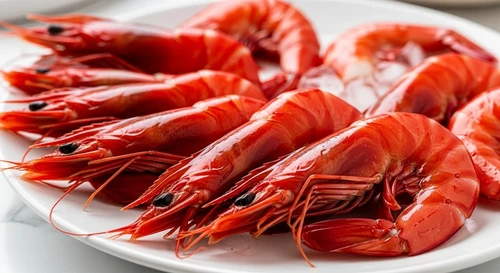
How to Boil Shrimp for a Vibrant Red Color Without Shrinking
The double ice-bath technique: shocking the shrimp after boiling to firm up the meat and lock in that beautiful glossy red shell.
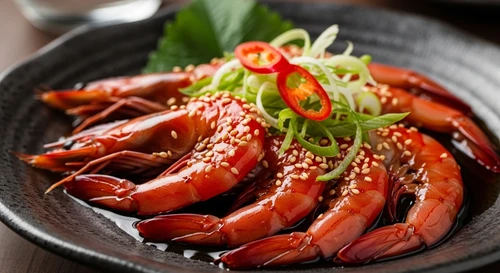
Ganjang Saeu: Korean Soy-Marinated Raw Shrimp
Sweet, sticky, and deeply savory. How to safely marinate fresh raw tiger shrimp in soy sauce, apples, and chilies.
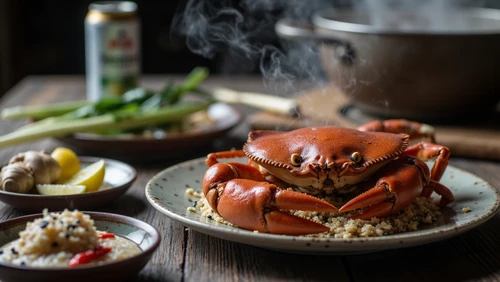
Beer Steamed Crab with Lemongrass
The most basic yet perfect seafood steaming recipe to keep the claws intact and lock in the natural sweet juices.
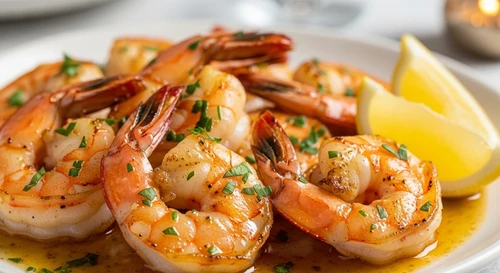
Garlic Butter Pan-Seared Tiger Prawns: A 10-Minute Elegance
A Western-style preparation using premium butter, minced garlic, and parsley. Perfect for a quick, romantic dinner.
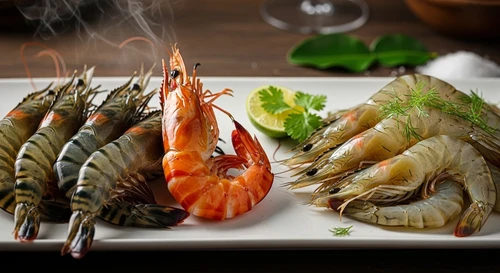
Tiger Prawns vs. Whiteleg Shrimp: Which is Better for Cooking?
A culinary debate. Comparing the firm, lobster-like texture of Tigers against the tender, sweet, and affordable Whitelegs.
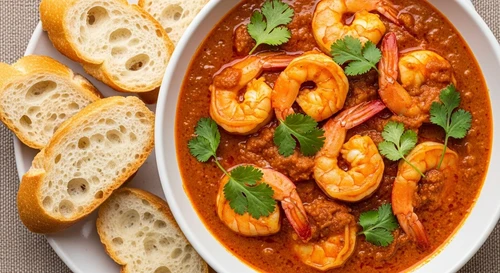
Indian-Style Prawn Curry: A Bold Weekend Flavor Shift
Robust curry powders, lemongrass, and coconut milk simmered with firm, meaty freshwater prawns. Serve with toasted baguette.
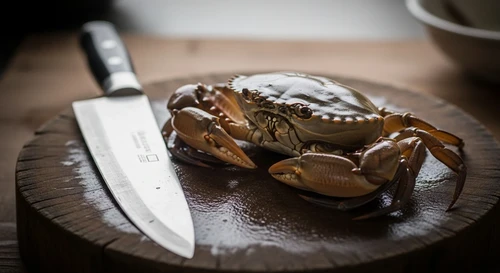
How to Humanely Dispatch a Crab Before Cooking
A quick thrust with a knife or scissors to the nerve center. A guide to humane and safe seafood preparation.
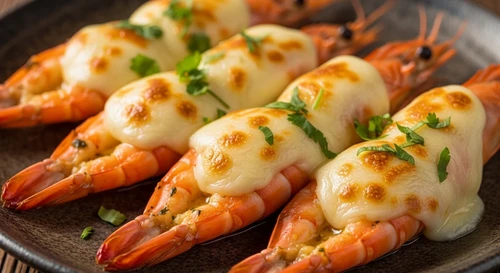
Baked Giant Freshwater Prawns with Mozzarella Cheese
Split down the back, slathered in garlic butter, and baked until the mozzarella stretches elegantly. A 5-star restaurant favorite.