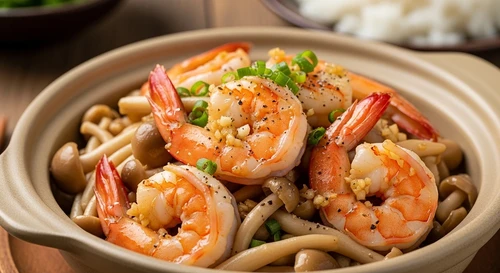
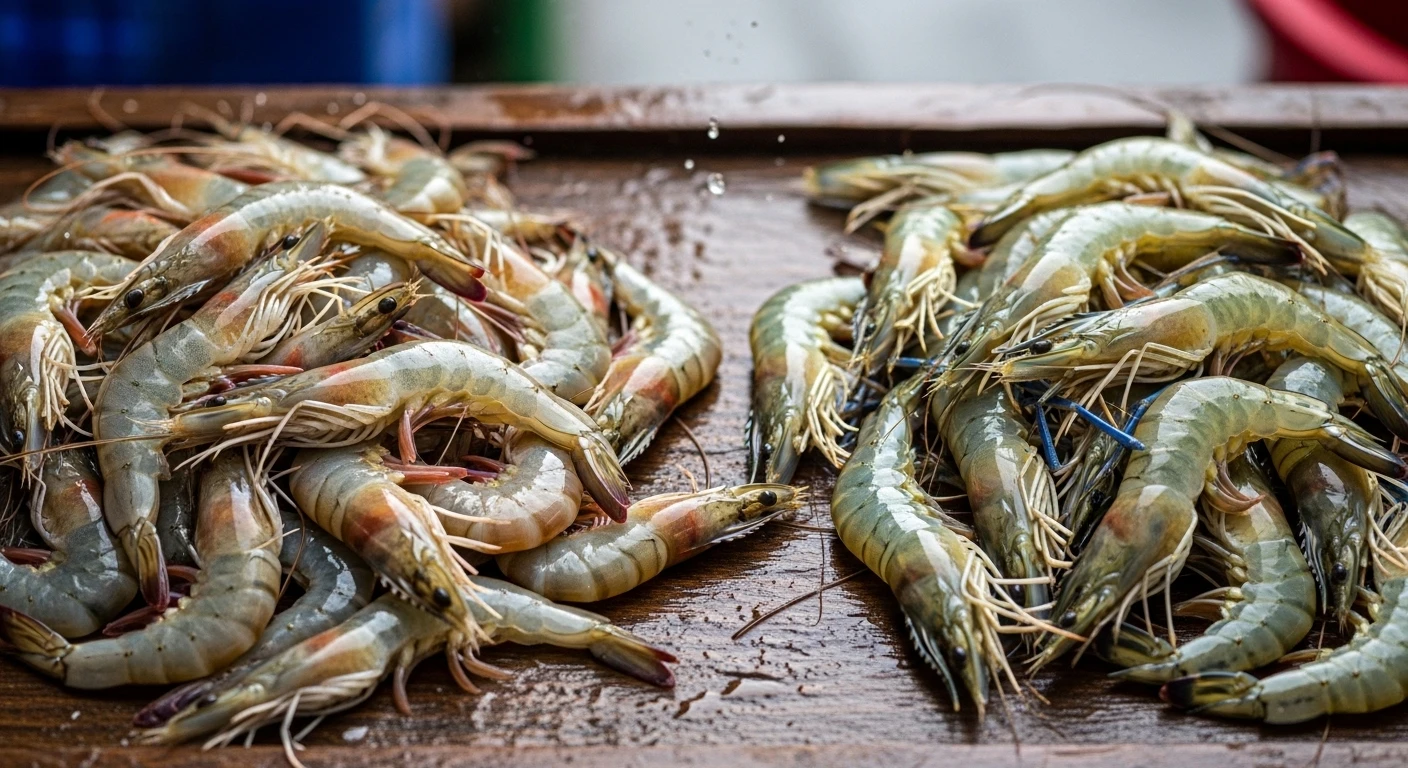
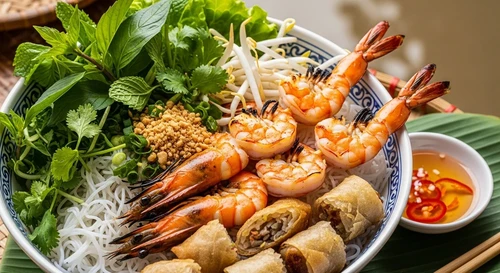
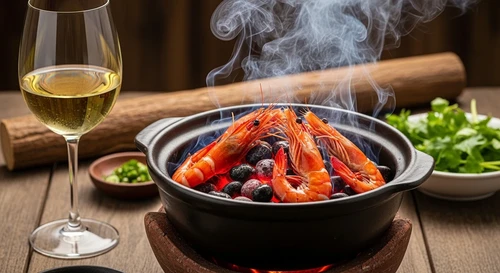
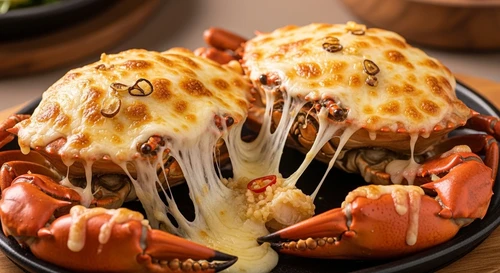
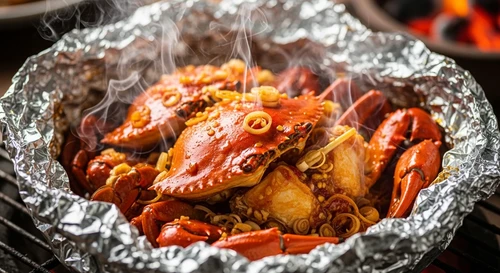
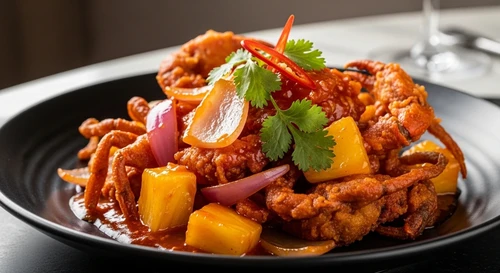
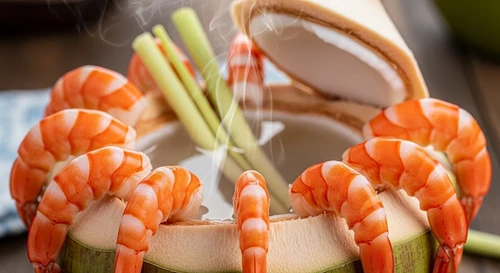
" In the heart of Vietnam's fertile Mekong Delta, where rivers teem with life and aquaculture fuels fortunes, a grim reality lurks beneath the surface. It's a story of deception, of artificial weight gain, and of a chemical substance that turns innocent prawns into lucrative, but compromised, commodities. "
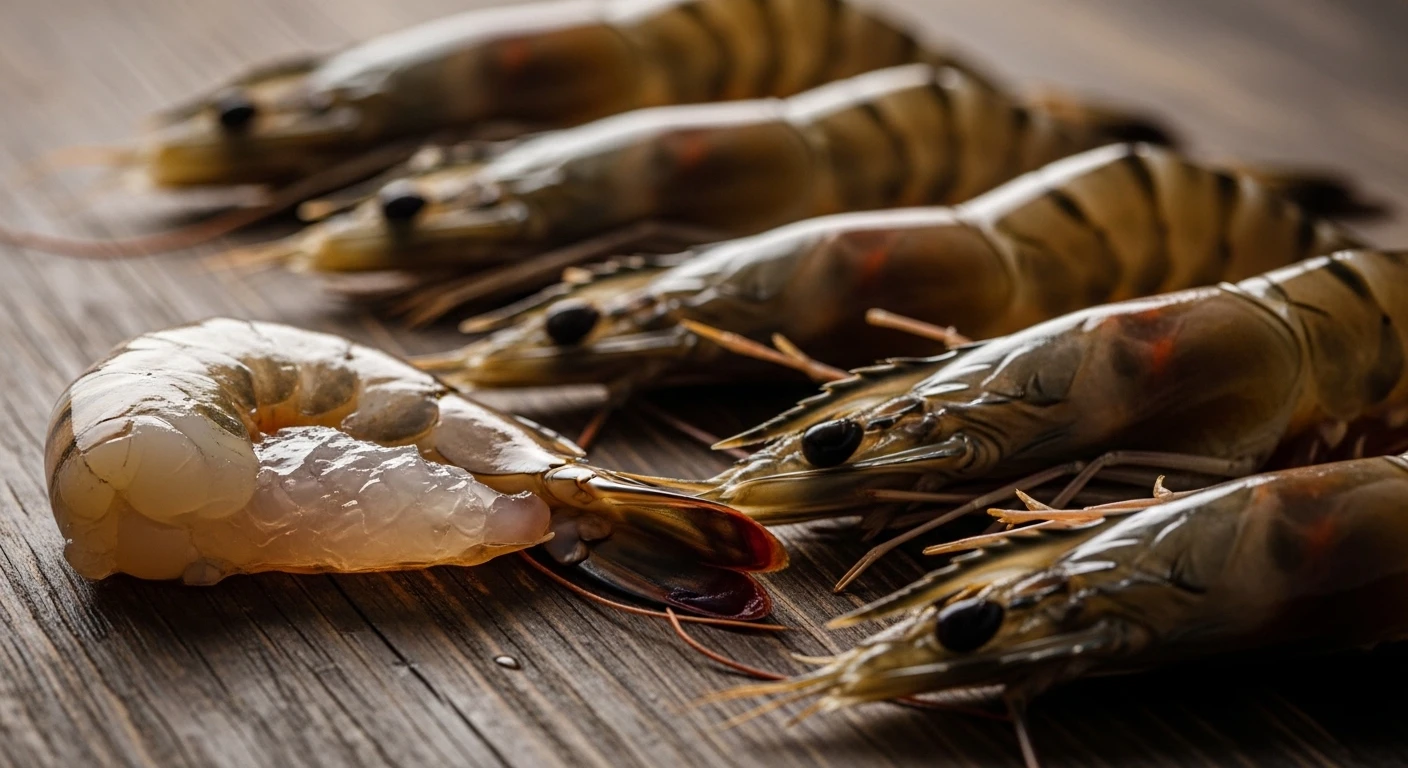
📸 The deceptive plumpness: Prawns pumped with a foreign substance for visual appeal and weight.
1 The Golden Rivers and Rich Waters
The Mekong Delta, a sprawling labyrinth of rivers, canals, and fertile plains in Southwestern Vietnam, is a global powerhouse for seafood. For generations, its people have relied on the abundant aquatic life for sustenance and livelihood. From the iconic Ca Mau mud crabs, prized for their sweet, dense meat, to the mighty Mekong giant freshwater prawns and the ubiquitous tiger prawns farmed in vast brackish ponds, the region’s bounty is legendary. This fertile ground churns out billions of dollars in seafood annually, a testament to its natural wealth and the hard work of its communities.
Tiger prawns, in particular, are a cornerstone of this industry. Their firm texture and rich flavor make them a sought-after commodity worldwide. In pristine mangrove aquaculture systems, like those found in the Ca Mau province, they develop a natural sweetness and robust quality. However, the global demand, coupled with the pressure to maximize yields, creates a fertile ground for unscrupulous practices.
Heritage Ingredient
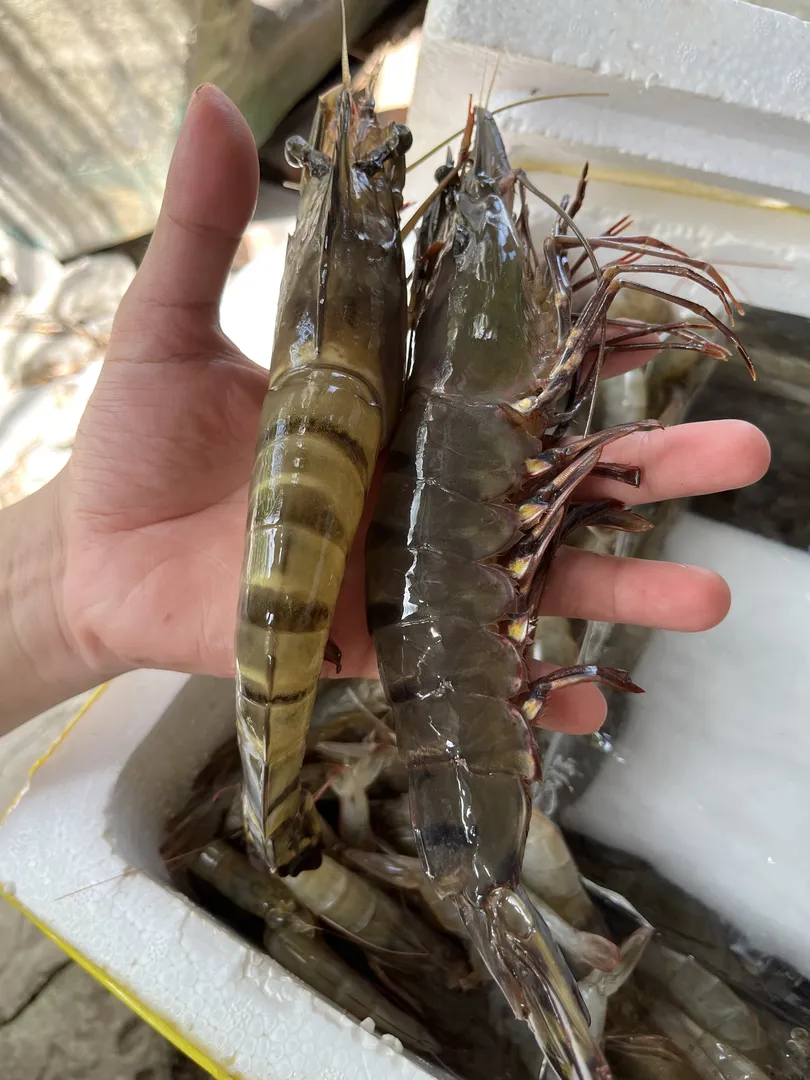
Ca Mau Black Tiger Shrimp
Ca Mau Black Tiger Shrimp
Large black tiger shrimp associated with mangrove aquaculture in Ca Mau, known for firm flesh and a cleaner, sweeter finish than intensively farmed shrimp.
Wild spirits of the mangroves, these black-banded gems deliver a firm, snappy texture and a sweetness that echoes the forest's vibrant life.

Heritage Ingredient
Mekong Giant Freshwater Prawn
Mekong Giant Freshwater Prawn
A river prawn with long blue claws and rich head fat, common in grilled prawn dishes and hotpot traditions across the Mekong basin.
Majestic blue-clawed warriors of the Mekong, famous for their rich, fatty heads and a savory depth that captures the essence of the delta's rivers.
2 The Weight-Gain Deception
Our investigation, aided by covert videography, uncovered a disturbing operation within a clandestine processing facility. Here, the natural charm of the tiger prawn was being systematically undermined. Instead of careful grading and fresh handling, these prawns were subjected to a shocking ordeal: injection.
The substance used? Agar jelly. A seemingly innocuous thickening agent derived from seaweed, commonly found in desserts and jellies. But in this context, it's a tool of fraud. Large-scale syringes are used to inject this viscous substance directly into the tail meat of live tiger prawns. The agar expands, absorbing water, and significantly increases the prawn's weight. This artificial plumpness also gives the impression of freshness and firmness, masking any potential signs of age or poor handling.
Why Agar?
Agar jelly is translucent, odorless, and tasteless when properly diluted, making it hard to detect. Its gelling properties allow it to retain water and add perceived volume. A processed prawn can gain anywhere from 10% to 30% in weight, translating into massive profits for illicit operators when sold by the kilogram.
3 A Billion-Dong Business Built on Lies
The scale of this operation is staggering. The images and footage reveal a systematic process: prawns are rounded up, their weight checked, then injected, and re-weighed for sale. This isn't a minor infraction; it's an organized criminal enterprise exploiting a global commodity. The profit margins are immense, fueling a dark economy where integrity is sacrificed for cash.
For the illicit processors, it's a "win-win." They buy prawns at market price, inject them to gain weight, and then sell them back into the supply chain at a higher price, pocketing the difference. This practice directly defrauds buyers – from local markets to international importers – who are unknowingly paying premium prices for water-logged, adulterated seafood. The "billion-dong profits" are real, but they come at the cost of trust and fair trade.

📸 Instruments of deception: Syringes ready to inject the weight-enhancing agar jelly.
4 The Ripple Effect of Deceit
The consequences of this fraudulent practice extend far beyond the immediate financial gain.
Health Concerns
While agar itself is generally considered safe, the conditions under which these prawns are processed—often in unhygienic environments—raise significant health concerns. The injection process can introduce bacteria, and the agar can act as a medium for their growth. Furthermore, the potential for other, more harmful chemicals to be used in similar weight-gain schemes cannot be ignored.
Reputational Damage
The Mekong Delta's reputation as a source of high-quality seafood is at stake. Incidents like this erode trust among international buyers and consumers, potentially impacting legitimate businesses and the livelihoods of thousands of honest farmers and processors. It paints an unfair picture of an entire region's food industry.
Economic Impact
Consumers are overpaying for a product that is less than advertised, while legitimate businesses face unfair competition from those using fraudulent practices. This distorts market prices and undermines fair trade principles.
5 What to Look For
While it can be challenging to detect with the naked eye, especially in a market setting, here are some subtle indicators to watch out for when purchasing tiger prawns:
Unnatural Firmness
The flesh might feel unnaturally firm or 'rubbery' to the touch, especially in the tail. It might not have the same give as fresh, unadulterated prawn meat.
Water Retention
If the prawns appear excessively watery, or release a lot of liquid when cut, it could be a sign of injected fluids. This is especially noticeable if the liquid seems unusually viscous.
Price Too Good to Be True
If the price for tiger prawns seems significantly lower than the going market rate, especially for large specimens, it's a red flag. Legitimate high-quality seafood commands a fair price.
Source Credibility
Buy from reputable vendors and established businesses that have a track record of quality and transparency. Ask questions about the sourcing and handling of the prawns.
6 Fighting the Tide of Fraud
Combating such widespread deception requires a multi-pronged approach. Robust regulatory oversight, including regular inspections and stringent quality control measures at processing facilities and export points, is crucial. Authorities need to be vigilant and equipped to detect these fraudulent practices, imposing harsh penalties on those involved to serve as a deterrent.
Furthermore, consumer and buyer awareness plays a vital role. By understanding the risks and knowing what signs to look for, individuals and businesses can make more informed purchasing decisions. Reporting suspicious activities to the relevant authorities can help shut down these illicit operations and protect the integrity of the Mekong Delta's prized seafood industry. It's a collective responsibility to ensure that the bounty of the Mekong remains a symbol of quality and trust, not deception.
7 Embracing Genuine Flavor
The Mekong Delta is home to some of the finest seafood in the world, and its prawns are no exception. When sourced responsibly, these prawns offer an unparalleled culinary experience. The natural sweetness of Ca Mau black tiger shrimp, or the rich head fat of a Mekong giant freshwater prawn, are flavors that cannot be replicated by artificial means.
Supporting farms and processors committed to ethical and sustainable practices ensures you are not only getting a superior product but also contributing to the well-being of the communities and the delicate ecosystem of the Mekong Delta. These are the prawns that deserve to grace our tables, offering a true taste of Vietnam's aquatic heritage.
Heritage Ingredient
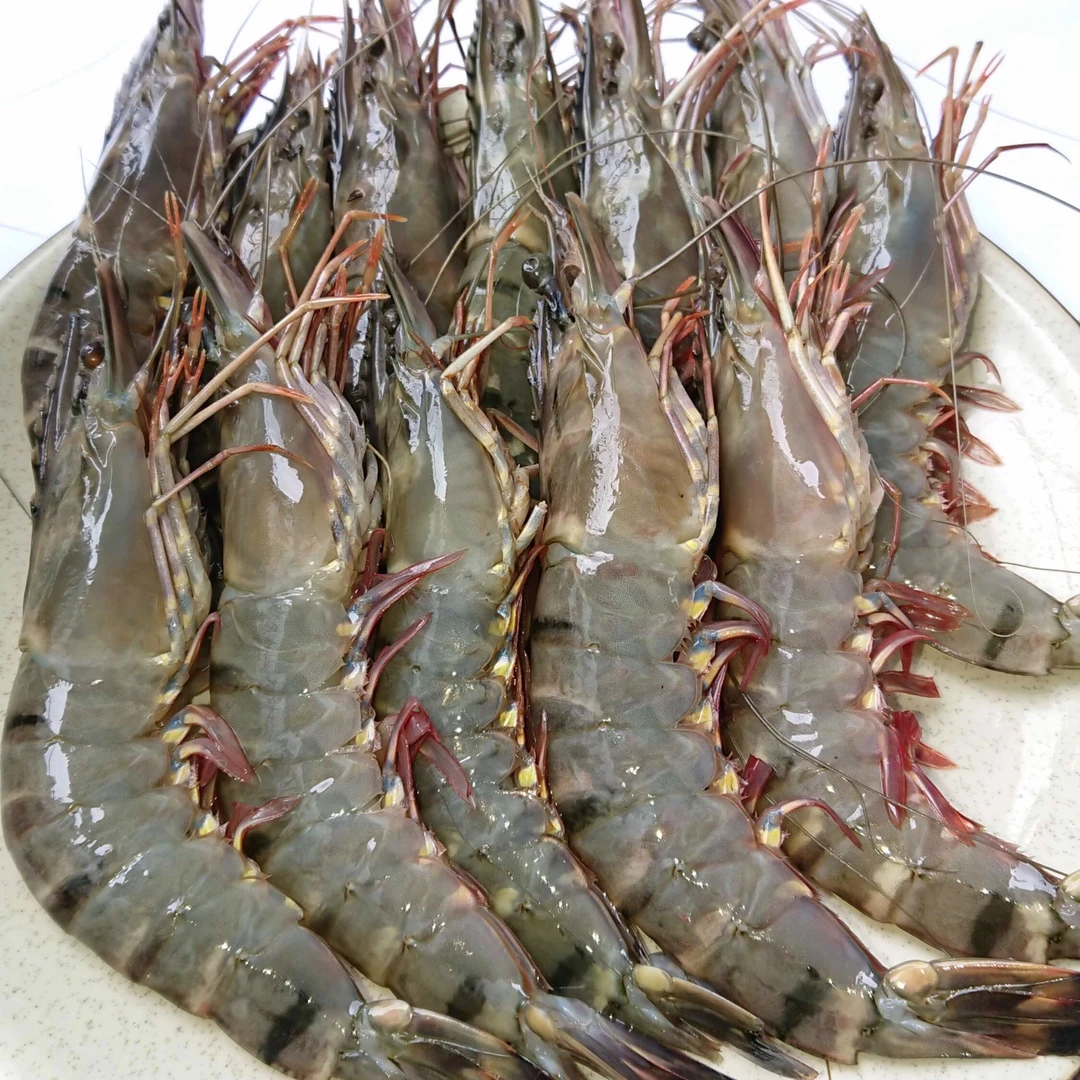
Whiteleg Shrimp
Whiteleg Shrimp
A widely used shrimp in Vietnamese home kitchens, suitable for stir-fries, soups, steamed dishes, and practical cooking articles that need a familiar shrimp reference.
Translucent jewels of the coast, thin-shelled and remarkably sweet, making every simple home meal feel like a seaside celebration.
8 Demanding Transparency
As consumers and culinary enthusiasts, we wield significant power. By choosing where we source our seafood and demanding transparency from suppliers, we can help drive out these fraudulent practices. Ask questions, seek out certifications of authenticity and sustainability, and be wary of deals that seem too good to be true.
Our pursuit of delicious food should never come at the expense of integrity or health. Let's champion the genuine flavors of the Mekong Delta and ensure that the prawns we enjoy are a true representation of the region's natural richness.