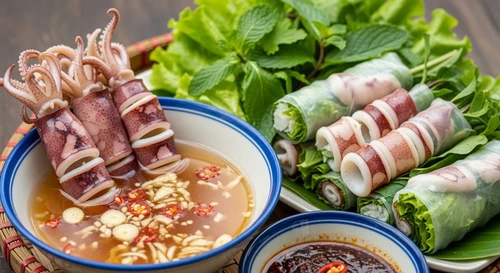
" In the Mekong Delta, seafood isn't just food; it's the lifeblood, a direct connection to the salty kiss of the East Sea and the rich tapestry of its rivers. And when it comes to crustaceans, few command the same reverence as the ornate rock lobster. "
1 Where the Land Meets the Sea: Mekong's Crustacean Kingdom
Picture this: the sun beating down on the brackish waters near Ca Mau, the air thick with the scent of salt and mangrove. This is the natural habitat of Vietnam's prized rock lobsters. Unlike the colder waters of the Atlantic, these tropical crustaceans thrive in warmer seas, feeding on a diverse marine diet that imbues their flesh with a unique, sweet, and complex flavor. The fishermen who bring these treasures to market are masters of their environment, understanding the tides, the seasons, and the subtle signs of a healthy catch. For them, selecting a good lobster isn't just a transaction; it's an affirmation of their livelihood and a deep respect for nature's bounty.
Walking through the bustling seafood markets of Can Tho or the smaller, more intimate coastal towns, you'll see them displayed with pride. The sheer variety can be overwhelming, but knowing what to look for separates a truly exceptional meal from a disappointing one. This isn't just about grabbing the biggest; it's about understanding the life within the shell.
A Glimpse of Delta Bounty
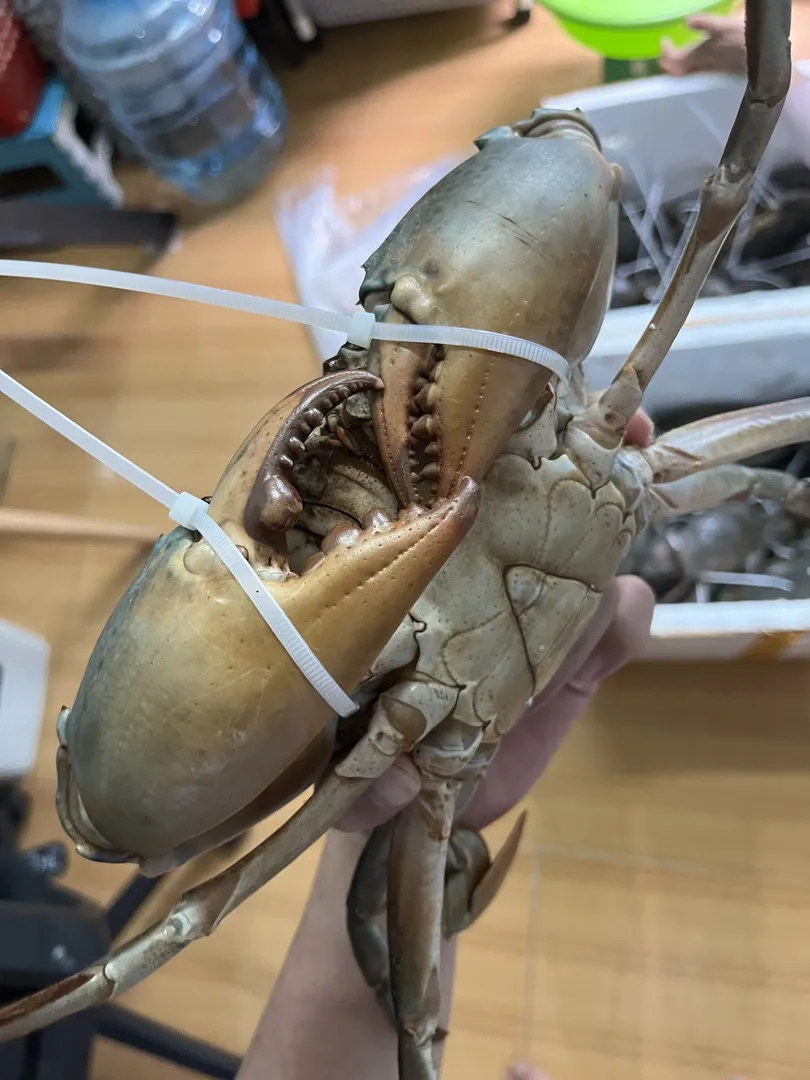
While ornate rock lobsters are a specific delight, the Mekong Delta is renowned for its diverse crab population. Understanding the characteristics of, say, a plump Ca Mau Mud Crab can offer insight into the principles of freshness we'll apply to lobster.
Heritage Ingredient
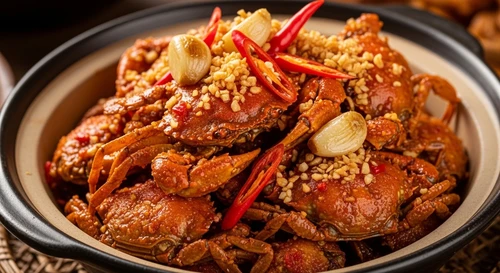
Ca Mau Jumbo Mud Crab
Ca Mau Jumbo Mud Crab
A large male mud crab prized for dense, sweet meat and thick claws, commonly used in steamed crab and grilled crab dishes across the Mekong Delta.
An icon of coastal culinary heritage, featuring firm, sweet meat that captures the raw power and freshness of Ca Mau's tides.
Beyond Crustaceans
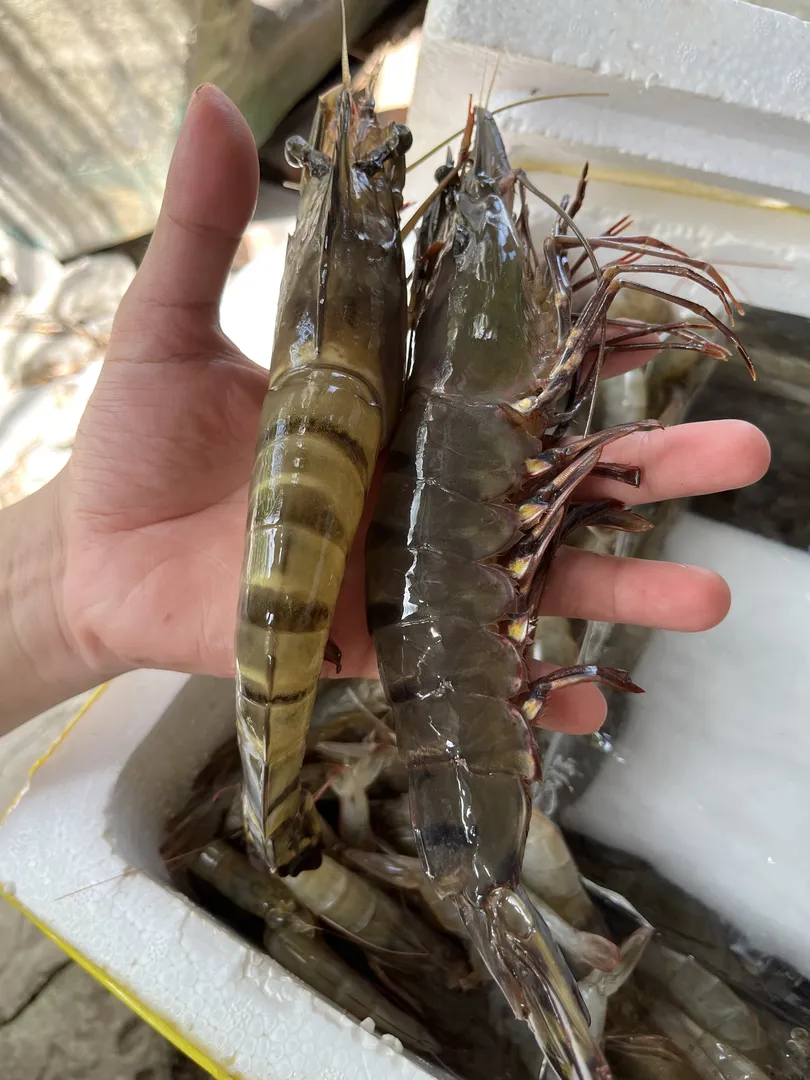
The delta's waters are rich with other treasures. Knowing how to assess quality here, like with Black Tiger Prawns, often translates to selecting other premium seafood.
Heritage Ingredient
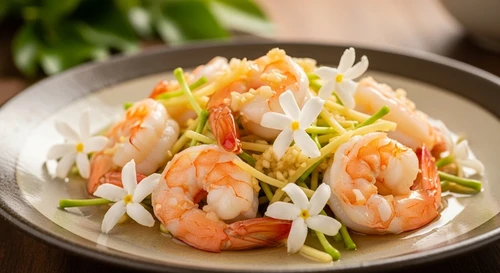
Ca Mau Black Tiger Shrimp
Ca Mau Black Tiger Shrimp
Large black tiger shrimp associated with mangrove aquaculture in Ca Mau, known for firm flesh and a cleaner, sweeter finish than intensively farmed shrimp.
Wild spirits of the mangroves, these black-banded gems deliver a firm, snappy texture and a sweetness that echoes the forest's vibrant life.
2 Reading the Signs: What a Fresh Lobster Whispers
The ornate rock lobster, with its spiky exoskeleton and vibrant colors, is a creature of striking beauty. But its outward appearance tells a story of its freshness, if you know how to listen.
The Body Squeeze Test
Gently, but firmly, squeeze the lobster's main body shell, just behind the head. A fresh, healthy lobster will feel firm and solid. If the shell feels soft, gives easily, or seems to have a lot of empty space beneath it, the lobster might be old or have recently molted and lost valuable weight and density. This is your first and most crucial indicator of vitality.
Antennae Alert
Check the antennae. Are they intact? Broken or missing antennae can indicate rough handling, stress, or that the lobster has been kept for too long. While not always a dealbreaker, intact antennae are a sign of a well-preserved specimen that likely hasn't endured too much trauma on its journey from sea to market.
Eyes on the Prize (Literally)
Look at the lobster's eyes. They should be jet-black, clear, and protrude slightly. Dull, sunken, or cloudy eyes are a sign of dehydration or a lack of freshness. The blackness indicates good circulation and life within.
Legs and Movement
If the lobster is still lively, pay attention to its legs. They should be active and tucked in. A lethargic lobster, or one with legs that seem detached or weak, is usually not at its peak. However, it's common for lobsters to be kept in tanks and show reduced activity due to confinement. The key is to combine this observation with other indicators.
3 Heavy as a Promise: The Significance of Weight
One of the most intuitive ways to gauge a lobster's freshness and meatiness is by its weight relative to its size. A plump, well-fed lobster will feel dense and heavy in your hands. This weight signifies a full body cavity packed with firm, sweet meat.
The Rule of Thumb
- Density is Key: When you lift the lobster, it should feel substantial. If it feels unnaturally light for its visible size, it might be dehydrated, or worse, it could have been injected with water to appear heavier – a practice to be wary of.
- Compare Sizes: If possible, compare two lobsters of similar visible size. The heavier one is almost always the better choice. This simple test, combined with the visual and tactile checks, is incredibly effective.
4 The Crustacean's Cloak: Shell Appearance
The shell of an ornate rock lobster is a marvel in itself. Its coloration and texture can tell you a lot about its health and recent history.
Vibrant Colors
Fresh lobsters display vibrant, rich colors – typically deep reds, oranges, and browns, often with striking patterns. These colors should be uniform across the shell and not appear faded or washed out. A dull or patchy shell suggests the lobster might be past its prime or has been improperly stored.
Shell Texture and Hardness
The shell should feel hard and smooth to the touch, without significant nicks, deep scratches, or fuzzy patches of growth (which can indicate it's been in the water too long). While some barnacles are natural, excessive growth might mean the lobster hasn't been handled optimally. A truly fresh specimen will have a clean, hard shell.
5 Red Flags: Signs of a Sub-Par Catch
Just as important as knowing what to look for is knowing what to avoid. Experienced diners and cooks have a radar for these tell-tale signs.
Avoid These Warning Signs:
- Limpness: A lobster that feels limp or floppy, especially in the tail, is likely not fresh.
- Dull or Cloudy Eyes: As mentioned, this is a critical indicator of age or poor handling.
- Soft Spots on Shell: Any softness, especially on the underside or where the legs attach, is a bad sign.
- Unpleasant Odor: While fresh seafood has a clean, briny aroma, a strong, fishy, or ammoniac smell is a definite no-go.
- Broken or Missing Appendages (Excessively): More than just a broken claw or antenna, a lobster missing a significant number of limbs might indicate it's old or has been mishandled.
6 The Culinary Embrace: Preparing Your Prized Catch
Once you've secured a prime specimen, the preparation becomes paramount. In the Mekong Delta, simplicity often reigns supreme, allowing the natural sweetness of the lobster to shine. Grilling, steaming, or a quick stir-fry are common, each showcasing the ingredient in its best light.

📸 A Taste of the Delta: Grilled lobster is a celebration.
Consider the classic Grilled Lobster with Chili Garlic and Lime. The heat caramelizes the natural sugars, the chili and garlic add a savory punch, and the lime cuts through the richness. Or simply Steamed Lobster, served with a salt-lemon-pepper dip (Muối Tiêu Chanh), allowing the pure flavor to dominate. The skill isn't in masking the lobster, but in enhancing its inherent deliciousness. It’s a reflection of the delta’s philosophy: respect the ingredient, and it will reward you.
7 Timing is Everything: Seasonal Insights
While rock lobsters are available year-round, their peak season typically aligns with warmer, calmer waters. In Vietnam, this often means the months leading up to and following the traditional Tet holiday (Lunar New Year), and the drier periods when fishing conditions are optimal. During these times, you'll find the highest quality and greatest abundance, making selection even more straightforward. Market vendors will often have the best stock available, and the lobsters themselves will be at their plumpest and most flavorful. Always try to buy from reputable vendors who understand the lifecycle and seasonality of their catch.
8 The Mark of a Master Seafood Buyer
Choosing the freshest Vietnamese ornate rock lobster is more than just a culinary task; it's an immersion into the vibrant world of Mekong Delta seafood culture. It's about engaging your senses, understanding the subtle language of the sea, and trusting the process. By applying these simple checks – the firm body, intact antennae, vibrant eyes, and reassuring weight – you're not just selecting dinner; you're honoring the fishermen, the sea, and the rich culinary heritage of Vietnam. So next time you find yourself by the coast or in a bustling market, approach that lobster tank with confidence. You're ready to choose the best.