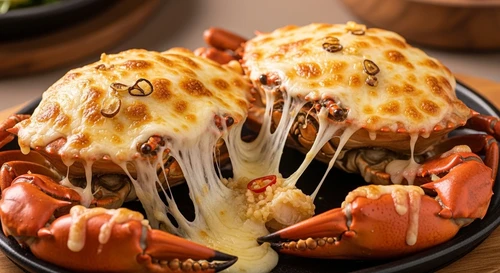
" The Mekong Delta whispers its culinary secrets in many forms. While the grand gestures of banh xeo or pho steal the spotlight, it's often the smaller, more intimate encounters that leave the deepest mark. The mantis shrimp, or 'Tom Tit' as it’s affectionately known in the south, is one such treasure. Finding one plump with roe is like unearthing a small nugget of edible gold. "
1 The River's Emerald & Amethyst
In the intricate tapestry of Mekong Delta life, the waters are the veins. From the vast expanse of the South China Sea meeting the coast, to the sprawling network of rivers, canals, and rice paddies that define this fertile region, every creature plays a part. The mantis shrimp, with its alien-like appearance and surprisingly delicate flavour, is a testament to this biodiversity. Often found in estuarine environments and coastal waters, they burrow into soft substrates, waiting for prey.
While known across Southeast Asia, their presence in the Mekong's brackish zones and coastal communes like those in Ca Mau or Bac Lieu means they are woven into the local culinary fabric. They're not as ubiquitous as shrimp or crab, which lends them a certain mystique. When you find one with roe, it's a sign of a healthy ecosystem and a fortunate catch.

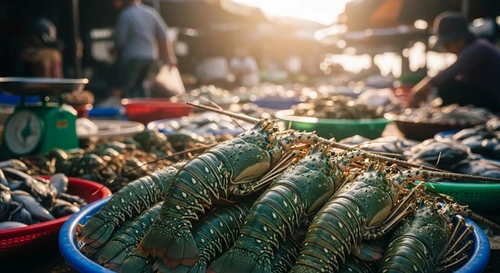
📸 Coastal Mekong: Where the freshwater rivers meet the saltwater, creating habitats for unique species like the mantis shrimp.
2 The Signal: A Glimmer of Gold
This is where the magic happens, and where a discerning eye can make all the difference. Unlike some seafood where roe is hidden within, the mantis shrimp offers a clear visual cue. The key, as suggested, lies in observation and understanding their anatomy.
The Flip and Shine Test
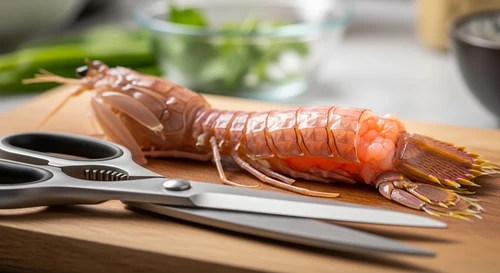
- Gently flip the mantis shrimp onto its back. Look for its ventral side (the belly).
- Hold it up to a light source. This could be natural sunlight or a bright lamp.
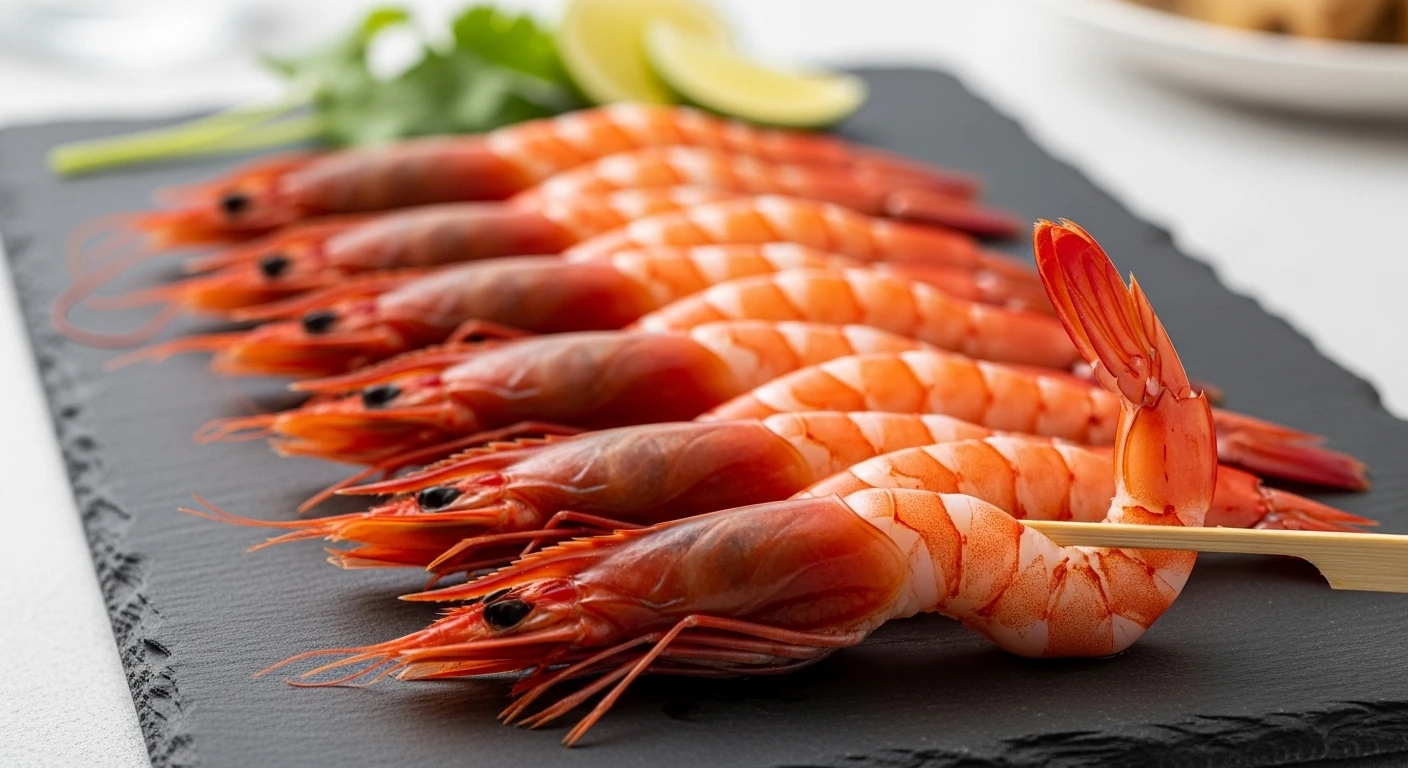
- Look for a distinct yellow streak running down the spine. This streak is the roe, or in Vietnamese, 'gạch'. It might appear as a solid line or a segmented pattern, depending on the stage of development and the specific species.
- Consistency is key. A vibrant, solid yellow streak is a good indicator of abundant roe. A pale or faint streak suggests less roe or perhaps it has already been released.
What it Means
This yellow streak is a visual hallmark. It’s the tell-tale sign that the female mantis shrimp is carrying her precious cargo, ready to be a delightful part of a meal. The richer and more pronounced the yellow, the more roe you're likely to find. This simple trick, passed down through generations of Mekong fisherfolk and market vendors, is your key to selecting the best.
Beyond roe, look for a firm body and vibrant colouration indicative of a fresh catch.
3 A Taste of the Delta's Bounty
Why go through the trouble of finding roe-filled mantis shrimp? Because the roe itself offers a unique culinary experience. It's not just a flavour enhancer; it's a textural delight.
When cooked, the roe becomes tender, slightly creamy, and intensely flavourful. It carries a subtle sweetness with a hint of the sea, a concentrated essence of the Mekong's rich waters. It can be enjoyed simply steamed, pan-fried until slightly crisp, or incorporated into delicate stir-fries. Its presence elevates the dish, making what might otherwise be a simple seafood meal into something truly special.
Heritage Ingredient
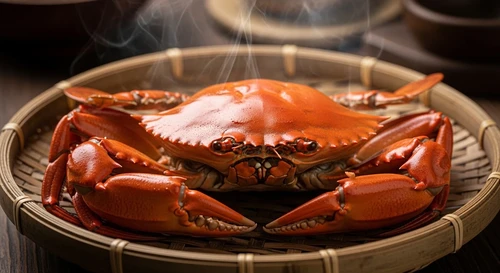
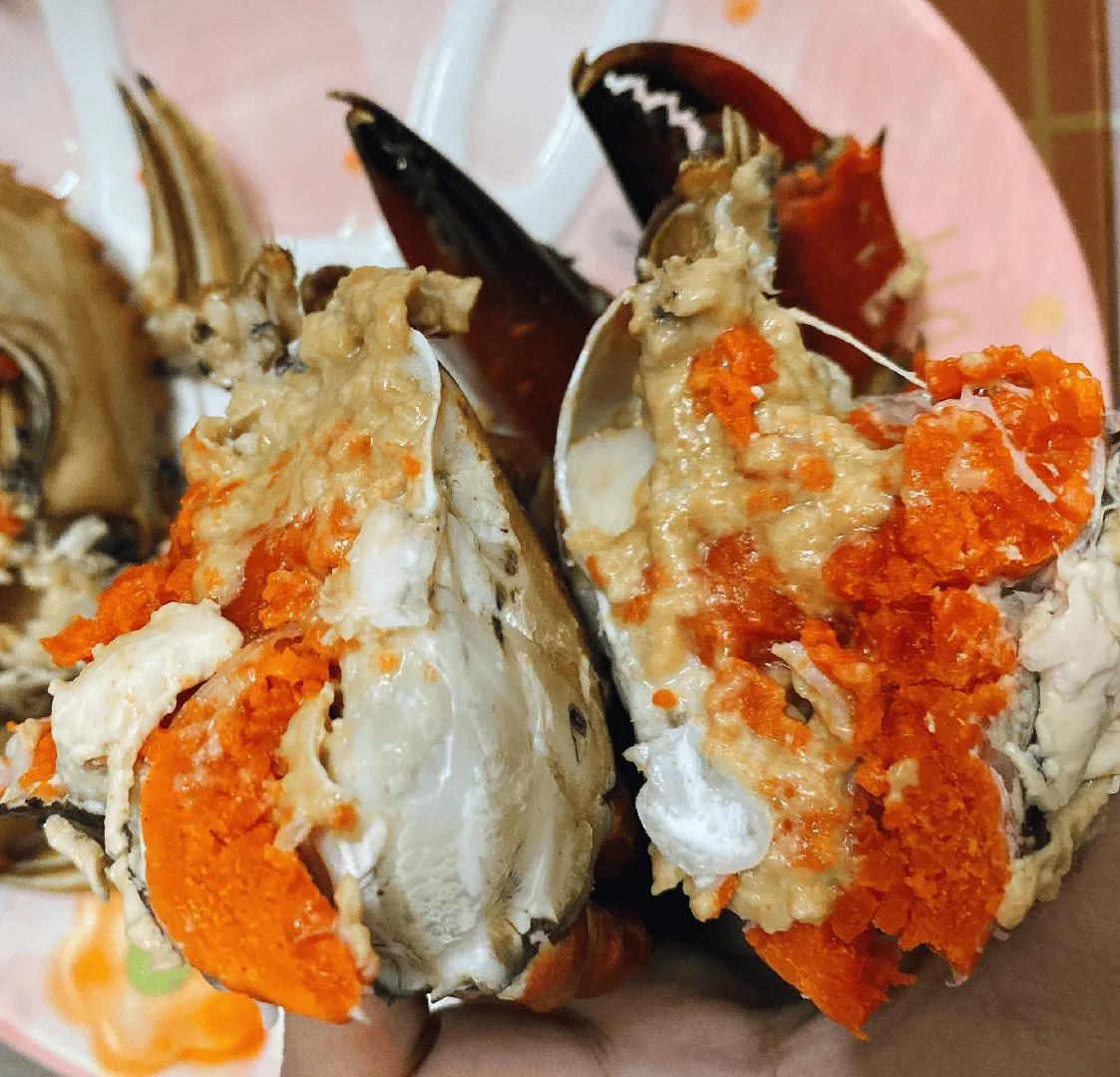
Ca Mau Roe Mud Crab
Ca Mau Roe Mud Crab
A female mud crab known for deep orange roe and a rich, creamy finish, often featured in celebratory Southern Vietnamese seafood meals.
A crimson treasure hidden within a shell, boasting rich, creamy roe that melts on your tongue like a golden sunset over the delta.
Heritage Ingredient
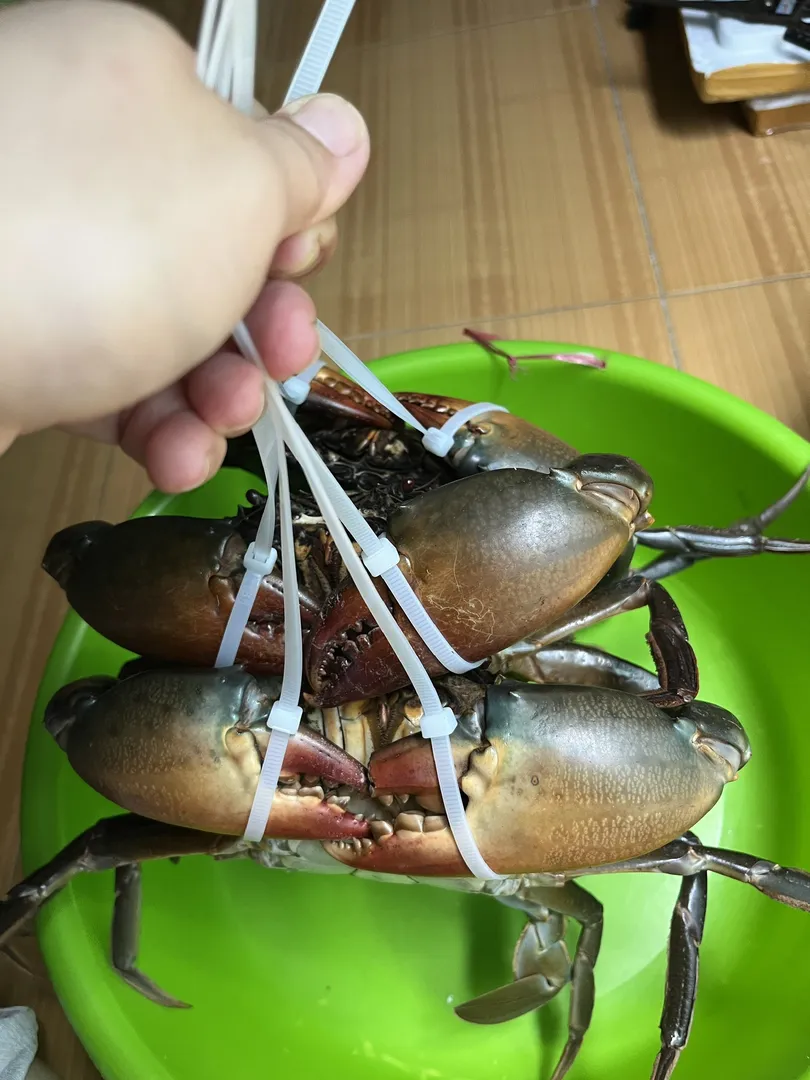
Giant Ca Mau Mud Crab
Giant Ca Mau Mud Crab
A larger export-grade mud crab with dramatic claws and thick meat, often used to illustrate oversized crab categories in Vietnamese seafood markets.
A titan of the ocean, offering colossal claws filled with muscular, succulent meat that elevates every feast into a royal experience.
4 From Mudflats to Market Stalls
Spotting a roe-filled mantis shrimp requires being at the right place and the right time, often guided by local knowledge.
- Local Markets: Your best bet is often at the bustling wet markets found in coastal towns of the Mekong Delta, especially in provinces like Ca Mau, Soc Trang, or Ben Tre. Look for vendors who specialize in a variety of shellfish and crustaceans. The best ones will often have a keen eye for freshness and quality.
- Fishermen's Villages: If you have the opportunity to visit a coastal village or a fishing community, speaking with the local fishermen directly can yield the freshest catches. They are the ones who understand the tides, the seasons, and the habits of creatures like the mantis shrimp.
- Specialty Restaurants: While less common for direct purchase, some high-end or traditional seafood restaurants in Southern Vietnam might feature mantis shrimp dishes, particularly if they source their ingredients directly from local fishing cooperatives. Observing their preparations can also be educational.
5 Beyond the Roe: Simple Preparations
Once you've successfully identified and purchased your roe-filled mantis shrimp, the preparation is often as straightforward as its selection. The aim is to let the natural flavour shine through.
- Steaming: A classic method. Steam with a few slices of ginger and a stalk of lemongrass for a delicate aroma. The roe will cook to a tender, vibrant hue.
- Pan-Frying: Lightly battered and pan-fried until crispy, the roe becomes slightly crunchy on the outside and creamy within. Serve with a sprinkle of sea salt and a squeeze of lime.
- Stir-Fries: Added at the last minute to a hot wok with garlic and chilies, the mantis shrimp and its roe can add a burst of flavour and texture to vegetable or noodle dishes.
Remember, the key is to avoid overpowering its subtle, sweet flavour. The roe is the star, so let it shine.
The True Value
The search for roe-filled mantis shrimp is more than just a culinary quest; it’s an immersion into the rhythm of the Mekong Delta. It’s about understanding the local environment, respecting the bounty it provides, and appreciating the simple, yet profound, joys of fresh, seasonal seafood. The yellow streak is not just a sign of roe; it's a signal of a connection to a place, a culture, and a way of life that values the gifts of the river and the sea.
The smallest creatures often hold the greatest secrets. Keep your eyes open, and your palate ready.