" That siren song of "50% Off!" can lure even the savviest shopper. But when it comes to premium seafood, especially something as delicate as lobster or its regional cousins, a steep discount often screams "buyer beware." The truth is, when seafood dies in transit or in the tank, it's not just "less fresh"—it's a fundamentally different product. "

📸 The stark contrast: The pale, defeated flesh of a perished crustacean versus the vibrant promise of freshness.
1 The Mekong Delta: A Realm of Pristine Seafood
In the vast network of rivers, canals, and mangrove forests that define Vietnam's Mekong Delta, seafood isn't just food; it's lifeblood. From the famed Ca Mau mud crabs, prized for their dense, sweet meat and rich roe, to the plump Black Tiger Shrimp thriving in the brackish waters, the region's identity is inextricably linked to the bounty of its waters. Here, freshness isn't a luxury—it's the non-negotiable baseline.
This reverence for 'tươi sống' (live and fresh) means that when we talk about seafood quality, particularly for crustaceans that degrade rapidly, the journey from water to plate is paramount. The very idea of selling a crab or lobster that has died in the tank, even at a significant discount, runs counter to the deep-seated culinary ethos of this vibrant region.
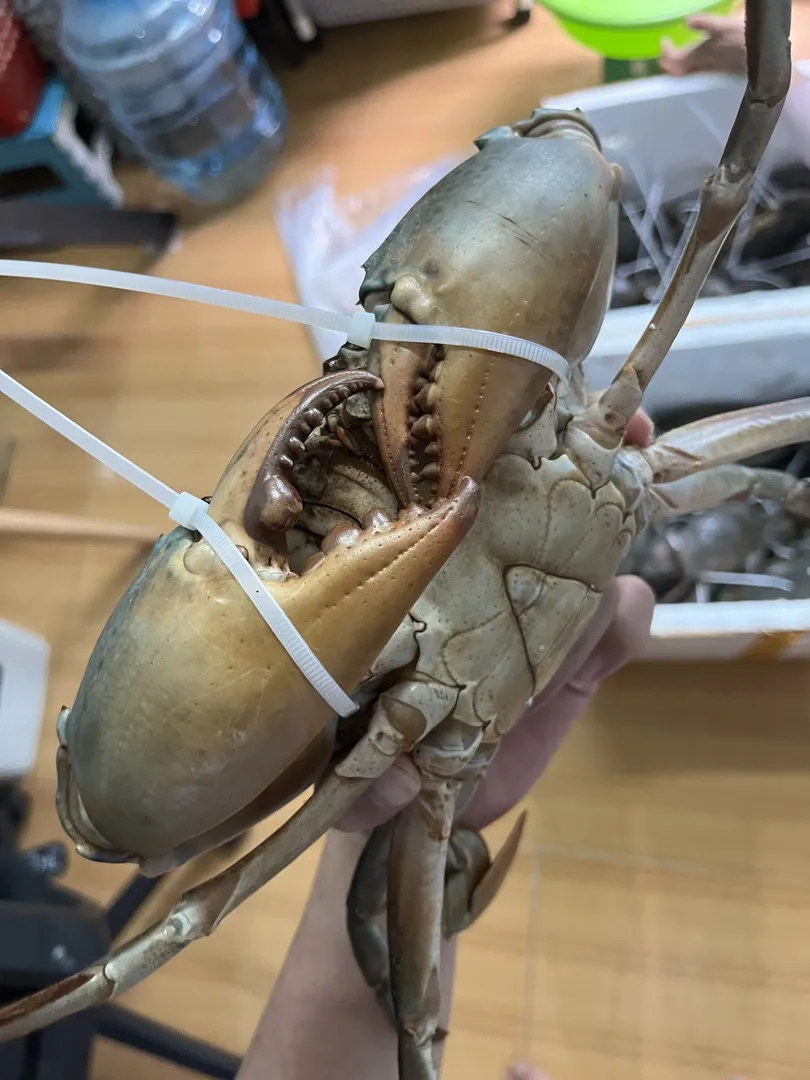
Heritage Ingredient
Ca Mau Jumbo Mud Crab
Ca Mau Jumbo Mud Crab
A large male mud crab prized for dense, sweet meat and thick claws, commonly used in steamed crab and grilled crab dishes across the Mekong Delta.
An icon of coastal culinary heritage, featuring firm, sweet meat that captures the raw power and freshness of Ca Mau's tides.
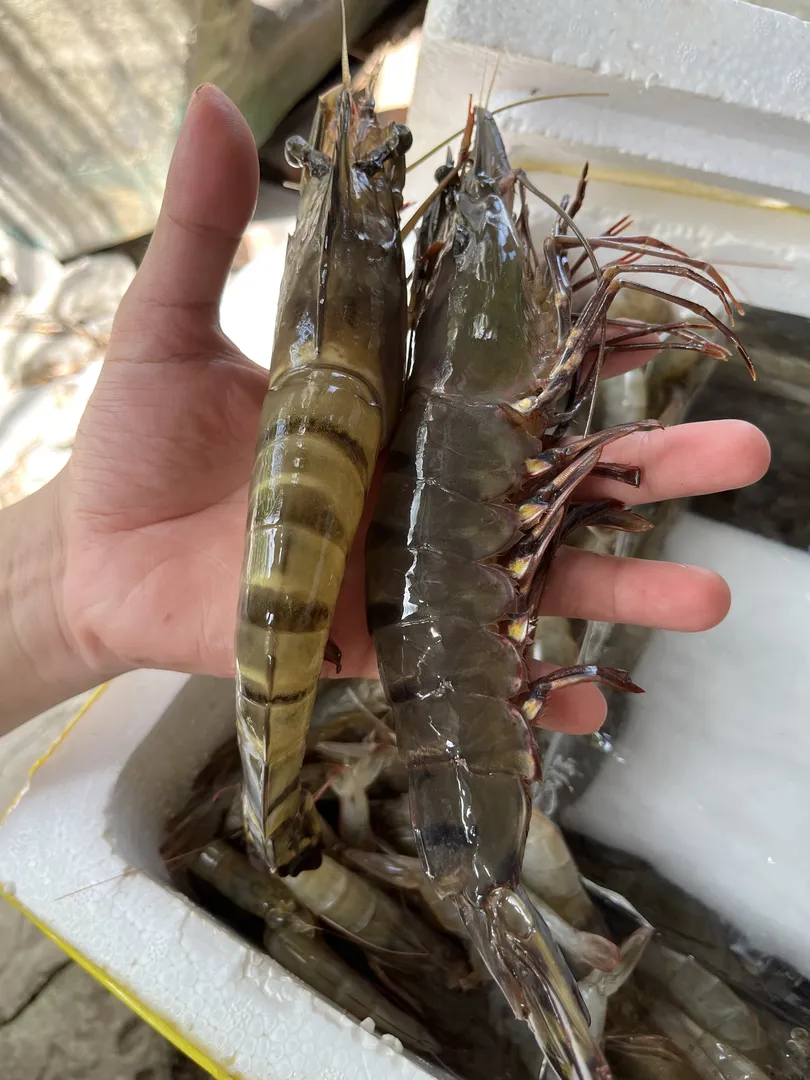
Heritage Ingredient
Ca Mau Black Tiger Shrimp
Ca Mau Black Tiger Shrimp
Large black tiger shrimp associated with mangrove aquaculture in Ca Mau, known for firm flesh and a cleaner, sweeter finish than intensively farmed shrimp.
Wild spirits of the mangroves, these black-banded gems deliver a firm, snappy texture and a sweetness that echoes the forest's vibrant life.
The rich, sweet meat of a Ca Mau Mud Crab, or the firm, clean taste of a Black Tiger Shrimp from the region’s aquaculture – these qualities are preserved only through meticulous handling and the absolute commitment to freshness. A dead specimen, regardless of the price tag, simply cannot deliver this.
2 Post-Mortem Meltdown: What Happens When Seafood Dies?
When a crustacean dies, the clock starts ticking on its quality. This isn't just about spoiling; it's about biochemical and microbiological processes that rapidly alter its texture and flavor.
Enzymatic Breakdown
Inside the creature are enzymes designed to break down tissues for digestion. When the creature dies, these enzymes are no longer controlled and begin to self-digest the muscle and tissue. This is the primary culprit behind the mushy, sludgy texture.
Bacterial Proliferation
Dead seafood is a feast for bacteria. Both naturally present bacteria and those from the environment multiply rapidly. These microbes produce waste products that lead to off-flavors and unpleasant odors, overpowering any natural sweetness.
Texture Degradation
The combined effect of enzyme activity and bacterial action breaks down the protein structures that give seafood its firm, succulent texture. This leads to waterlogged, mushy, or even slimy flesh that will not hold its shape when cooked.
3 "Suffocated" vs. "Drowned": A Subtle but Crucial Distinction
Sellers might use terms like "died in tank" or, euphemistically, "suffocated." In reality, lobsters and crabs are aquatic creatures. They don't "suffocate" in water; they die from lack of oxygen, disease, stress, or injury. The key issue isn't *how* they died, but that they died before being cooked.
Why "Died in Tank" is a Red Flag:
- Rapid Quality Loss: As detailed above, the degradation begins immediately.
- Contamination Risk: A dead specimen can leak bodily fluids, contaminating other live stock and creating a breeding ground for pathogens.
- Masking Issues: Sellers might try to mask the smell or appearance of a dead specimen through heavy processing or aggressive marinades, which is even more problematic.
- Ethical Concerns: Selling dead or dying creatures as "discounted" rather than clearly labeling them as "not for immediate consumption" or discarding them is ethically dubious.
4 Is That 50% Discount Worth the Mush?
The allure of a 50% discount is powerful. It suggests you're getting a premium product at a fraction of the cost. However, with seafood that has compromised freshness, the "bargain" quickly evaporates.
What You're Really Paying For:
- • Waterlogged, flavorless flesh.
- • A texture that’s difficult to salvage, even with expert cooking.
- • Potential for unpleasant tastes and odors.
- • A significant risk of foodborne illness if not handled with extreme caution.
- • A culinary experience far below the standard expected of high-quality seafood.
The True Cost:
When you buy discounted, dead seafood, you're not just saving money. You're often buying an ingredient that has already lost its peak quality. The "bargain" is illusory. The true cost is in the disappointment, the wasted cooking time, and the risk to your health. For discerning consumers, especially those who appreciate the nuanced flavors of the Mekong Delta's bounty, this is a price too high to pay.
5 Navigating the Waters: How to Buy Truly Fresh Seafood
Ask the Right Questions:
- "Is it alive/freshly caught?" The most crucial question. Don't be swayed by vague answers. "Freshly caught" is good; "alive" or "harvested today" is better for crustaceans.
- "Where is it from?" Regional origin often tells a story of quality. For instance, knowing your crab is from Ca Mau implies a certain standard.
- "How was it transported?" Reputable suppliers will have specialized transport systems to maintain temperature and minimize stress.
- "What's your policy on DOA (Dead On Arrival)?" A good vendor will have a clear, customer-friendly policy for replacements or refunds if the product is not as promised.
(DOA stands for Dead On Arrival. While it can happen even with the best suppliers due to unforeseen issues during transit, a seller that doesn't acknowledge this possibility is a major red flag.)
Visual & Olfactory Cues (If Possible):
- Appearance: Live crustaceans should be active or responsive to touch. Their shells should be vibrant, not dull or slimy.
- Smell: Fresh seafood smells of the sea – clean, slightly briny. It should NOT smell fishy, ammoniated, or unpleasant.
- Texture: If you can touch the meat (e.g., a detached claw), it should be firm and springy, not soft or mushy.
6 Grade A: Marketing Hype or Culinary Reality?
Terms like "Grade A" or "Premium" are often used in marketing. While some industries have strict grading standards, for seafood, especially sold online, these terms can be subjective. What one vendor considers "Grade A" might be merely acceptable to another.
Focus on Provenance, Not Grades:
Instead of chasing abstract "grades," focus on the source and the freshness indicators mentioned earlier. A clearly identified regional origin, like the premium mud crabs from Ca Mau, often carries more weight than a generic "Grade A" label. It grounds the product in a tangible quality expectation.
The Mekong Delta's Natural Grading:
In regions like the Mekong Delta, the "grading" is implicitly done by nature and the fisherman's eye. A truly prime specimen – a fat, active mud crab or a robust tiger prawn – is recognizable by its vitality and physical characteristics, not by a label. The best way to ensure you're not getting a "discounted dead" product is to seek out vendors who understand and respect this inherent quality.
7 Legitimate Discounts: When Quality is Maintained
Not all discounts mean compromised quality. Legitimate reasons for price reductions include:
Seasonal Surpluses
When a particular seafood is in season and abundant, prices naturally decrease. This is a genuine bargain.
Promotional Offers
Suppliers may offer temporary discounts for marketing purposes, but the product remains fresh and high-quality. Think "buy one get one half off" on live lobsters, not "50% off for expired ones."
Cosmetic Imperfections
A crab with a chipped claw or a slightly dull shell might be sold at a reduced price. If it's still alive and healthy, this is a fair deal, as the taste and texture are unaffected.
8 The Verdict: Skip the "Suffocated" Savings
The rapid degradation of seafood after death means that discounted lobsters or crabs sold because they "died in the tank" are rarely a bargain. The mushy texture, the potential for off-flavors, and the health risks far outweigh the perceived savings.
For anyone who truly appreciates the delicate, sweet flavor of high-quality seafood, particularly those with a connection to or appreciation for the culinary traditions of places like the Mekong Delta, where freshness is paramount, this is a clear warning. Stick to vendors who prioritize live, healthy specimens and transparent sourcing. Your palate, and your health, will thank you.
More Consumer Wisdom
View More Buyer's Guide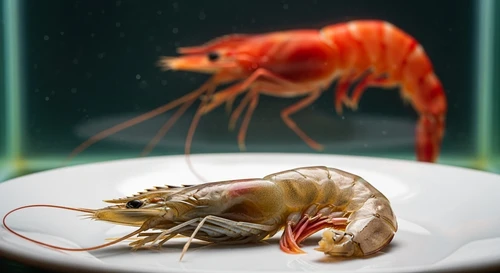
Restaurant Scam: Swapping Live Prawns for Dead Ones in the Kitchen
A persistent issue in coastal tourist towns. You pick a swimming prawn, but the kitchen serves you a mushy, pre-dead one.
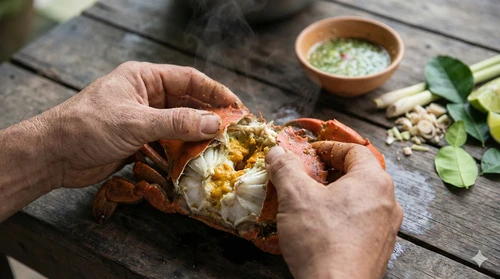
How to Eat Mud Crab Like a Pro
Extract every bit of meat without wasting anything.
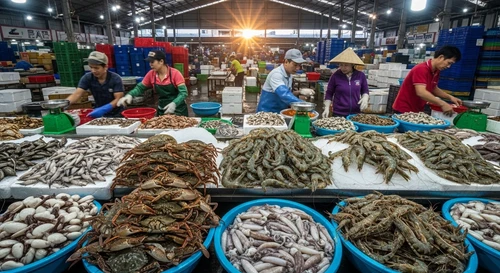
Daily Price Update: Binh Dien Wholesale Market Report
Current bulk pricing for mud crabs, tiger shrimp, and squid at Ho Chi Minh City's primary seafood distribution hub.
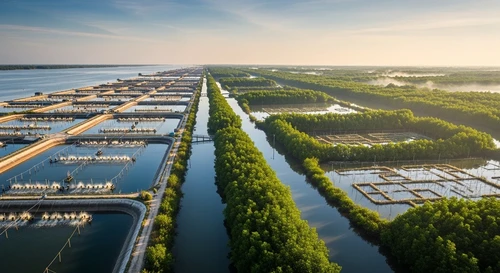
The Shift from Intensive to Extensive Shrimp Farming
Why some Mekong Delta farmers are abandoning high-density ponds in favor of traditional, low-risk ecological farming.
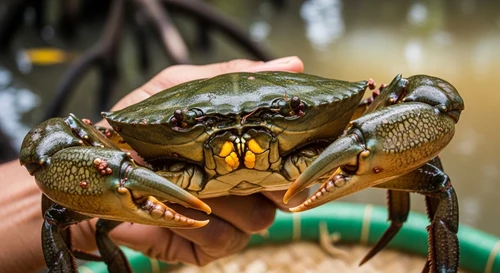
How to Spot a Fake Ca Mau Crab
Distinguishing authentic crabs from cheap farm crabs.
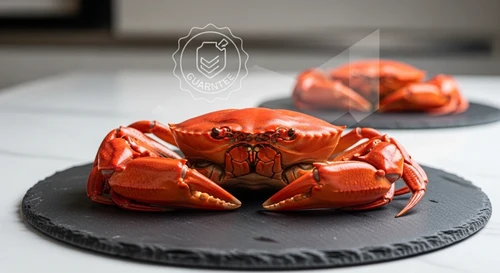
Navigating the '1-for-1 Warranty' Promise in Seafood Retail
Is it a marketing gimmick or genuine customer service? Analyzing the Customer Lifetime Value strategy of modern seafood chains.
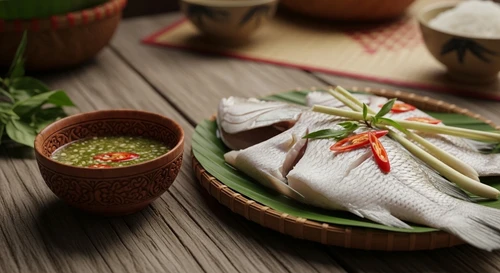
VAT Reduction on Domestic Seafood: Will Prices Drop in 2026?
Analyzing the impact of the government's macroeconomic tax policies on the daily grocery bills of Vietnamese consumers.
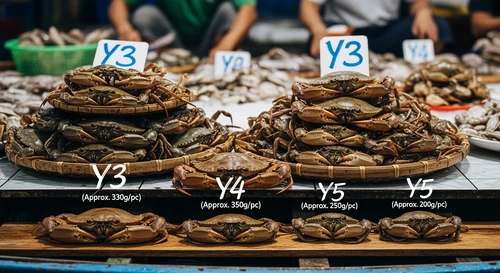
Decoding Vietnamese Seafood Sizes: What Does Y3, Y4, and Y5 Mean?
Don't get confused at the local wet market. Here is the ultimate translation guide to Vietnamese crab grading and sizing.
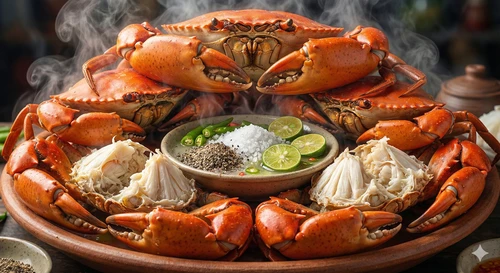
Safe Eating: Avoiding Food Poisoning
What not to eat with crab (Persimmons, Tea?).