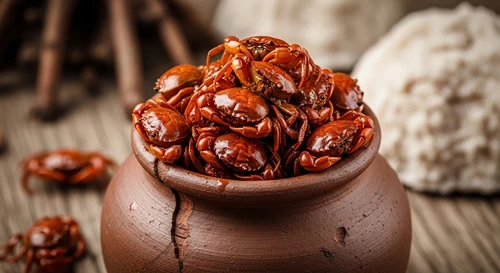
" This isn't just food; it's an expression of the Mekong's generosity. The sheer, unadulterated flavor of a prawn that has lived its best life in the brackish embrace of the delta, brought to you with the gentlest touch. "
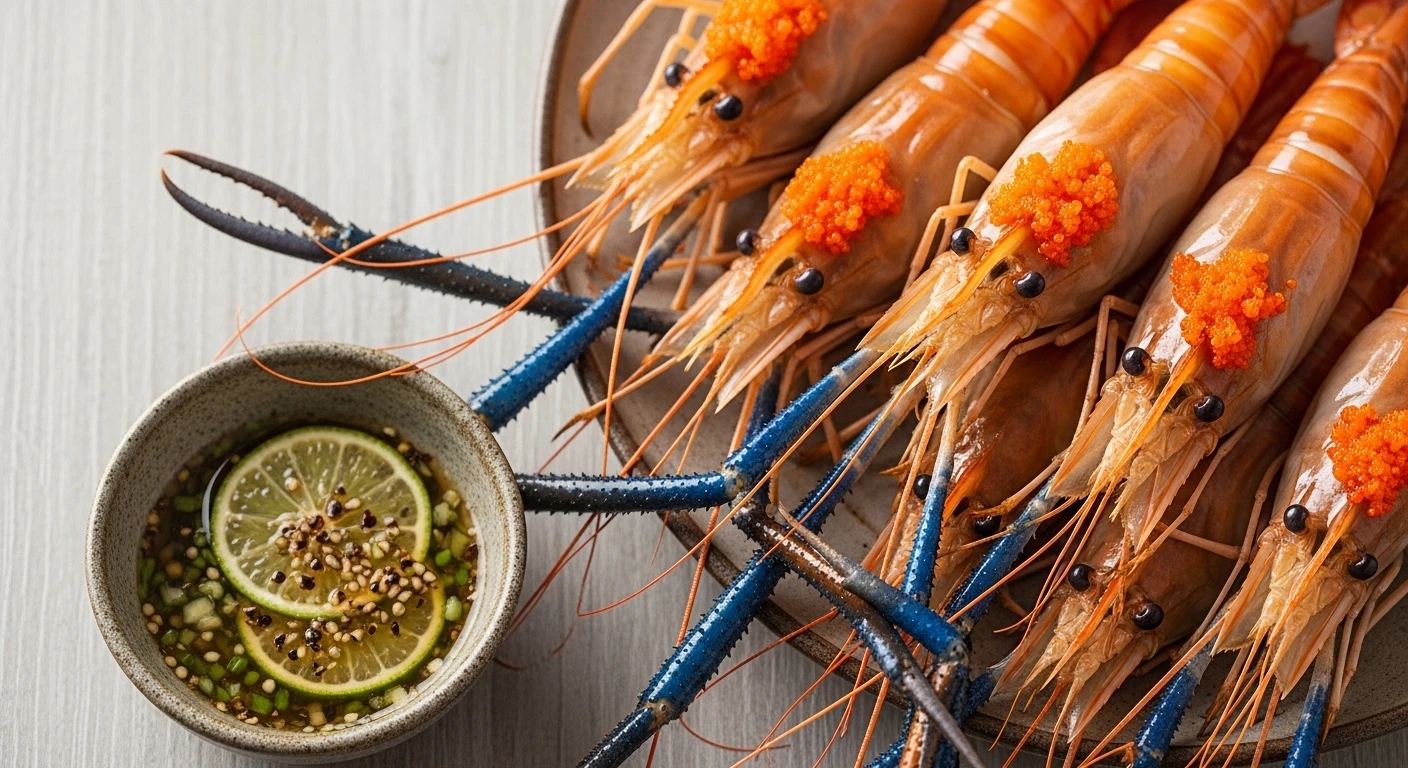
📸 The Prize: Succulent tail meat and that coveted, unctuous head-roe.
1 The River's Embrace: A Mekong Delta Story
Forget the bustling city markets for a moment, and picture this: the vast, slow-moving waters of the Mekong Delta. This is where Mekong Giant Freshwater Prawns (Macrobrachium rosenbergii) thrive. These aren't your farmed, anonymous shrimp. These are titans, characterized by their long, azure claws and a rich, almost buttery head-fat that collects that beautiful orange-hued roe.
In regions like Ca Mau or Bac Lieu, where the river meets the sea, these prawns are a cornerstone of local cuisine. They're prized not just for their size, but for a clean, sweet flavor that speaks of the complex ecosystem they inhabit – a mix of fresh river water and tidal influence. This dish, simple as it is, is a testament to respecting that bounty.
The Mekong Giant Prawn
Often seen grilled with salt and chili, these prawns are perfect for steaming to showcase their pure flavor. Look for that vibrant orange head-roe – it’s a sign of quality and richness.
Heritage Ingredient Mekong Giant Freshwater Prawn A river prawn with long blue claws and rich head fat, common in grilled prawn dishes and hotpot traditions across the Mekong basin. Majestic blue-clawed warriors of the Mekong, famous for their rich, fatty heads and a savory depth that captures the essence of the delta's rivers.
Mekong Giant Freshwater Prawn
The Magic of Coconut Water
Instead of plain water or beer, we use fresh coconut water. It gently steams the prawns, infusing them with a subtle sweetness and tropical perfume that complements, rather than overpowers, the natural taste of the prawn.
2 The Philosophy of Simple Elegance
This isn't a dish that demands complex marinades or heavy sauces. The Mekong Delta teaches us that when you have an ingredient as sublime as a fresh giant river prawn, your job as a cook is to get out of its way. Steaming in coconut water is the culinary equivalent of a minimalist poem – every element is essential, nothing is extraneous.
The goal is to capture the essence of the prawn: the firm, sweet flesh of the tail, the deeply savory, umami-rich nectar of the head-roe. The coconut water provides moisture and a hint of sweetness, while a touch of lime and pepper cuts through the richness, creating a perfectly balanced bite. It’s about highlighting texture and pure flavor.
3 The Arsenal: What You'll Need
The Stars of the Show
- Giant River Prawns: 500g - 1kg. Look for bright color, firm flesh, and intact heads. Freshness is paramount. If you can't find them, large, high-quality tiger prawns can be a substitute, but the head-roe experience will be diminished.
- Fresh Coconut Water: 2-3 cups (enough to fill the bottom of your pot about 1-2 cm deep). From a young, green coconut is best for sweetness.
The Supporting Cast
- Lime: 1 whole, cut into wedges for the dip.
- Black Pepper: Freshly ground, for the dip.
- Sea Salt: Fine sea salt, for the dip.
- Optional: A few sprigs of cilantro or thinly sliced ginger to place with the prawns during steaming for added aroma.
4 The Ritual: How to Steam
Prep the Prawns
Gently rinse the prawns. You can leave them whole for the most impressive presentation and to maximize head-roe retention. Some prefer to devein them by making a shallow cut along the back, but for this simple dish, it's often skipped.
Set up the Steamer
Pour the coconut water into the bottom of a wide pot or wok. Ensure it's enough to create steam but not so much that it touches the steamer rack. Bring the coconut water to a rolling boil over high heat.
The Gentle Steam Bath
Place the prawns onto the steamer rack. If using, add ginger or cilantro. Cover tightly. Steam for 5-8 minutes for medium-sized prawns, or 8-12 minutes for very large ones. They are done when the shells turn bright orange-red and the flesh is opaque. Do not overcook!
Rest and Serve
Carefully remove the prawns from the steamer. Let them rest for a minute or two. The head-roe will be plump and golden, ready to be savored.
The Dip: A Zesty Counterpoint 🍋
The natural sweetness of the prawn and coconut water needs a bright, sharp partner. This lime-pepper dip is the perfect foil.
1. Salt & Pepper
Start with a generous pinch of fine sea salt in a small bowl. Add freshly ground black pepper – be bold!
2. Lime Juice
Squeeze the juice of half a lime into the bowl. Stir to combine. The salt should start to dissolve, creating a paste.
3. Adjust to Taste
Taste and adjust. Add more salt for brininess, pepper for a kick, or lime for tang. A truly great dip is a personal masterpiece.
For an extra layer of aroma, consider adding a tiny splash of fish sauce or a few thinly sliced bird's eye chilies to the dip.
6 Coconut Water vs. Beer: The Delta Debate
While steaming crab in beer is a beloved tradition in some Vietnamese regions, the Mekong Delta, particularly its coastal and riverine communities, often favors the natural sweetness of coconut water for its premium seafood.
- Flavor Profile: Beer steams impart a savory, malty note, excellent for general crab dishes. Coconut water, however, lets the inherent sweetness of the prawn shine through, with a subtle tropical perfume that beautifully enhances the delicate flavor of the head-roe and tail meat.
- Regional Nuance: In the Mekong, where coconuts are abundant, using them in cooking is natural. This dish reflects that regional preference for subtle, pure flavors, a stark contrast to heavier, richer preparations found elsewhere. It’s a direct connection to the land and water.
- Head-Roe Focus: The rich, orange head-roe of the giant river prawn is a delicacy. Coconut water's gentle sweetness harmonizes with its savory, almost custardy texture, whereas beer’s more assertive flavor might compete with it.
7 The Art of Presentation
Serve these magnificent prawns immediately. Arrange them artfully on a platter. The vibrant orange shells, glistening from the steam, are a sight to behold. Place a small bowl of the lime-pepper dip alongside. Garnish with fresh cilantro sprigs if desired.
This is a dish meant to be shared, eaten with hands, peeling the succulent meat from the shell, and of course, scooping up every last bit of that precious head-roe. It’s a communal experience, a celebration of the river’s gifts.
8 Beyond the Prawn: More Delta Delicacies
The Mekong Delta is a treasure trove of unique seafood. While giant river prawns take center stage here, don't overlook other regional specialties that showcase the same philosophy of fresh ingredients and simple preparation:
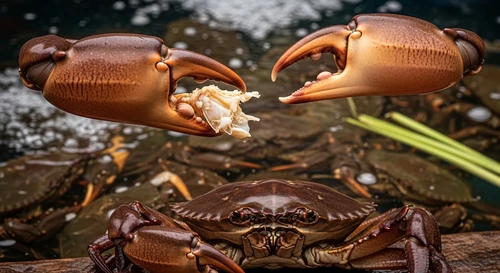
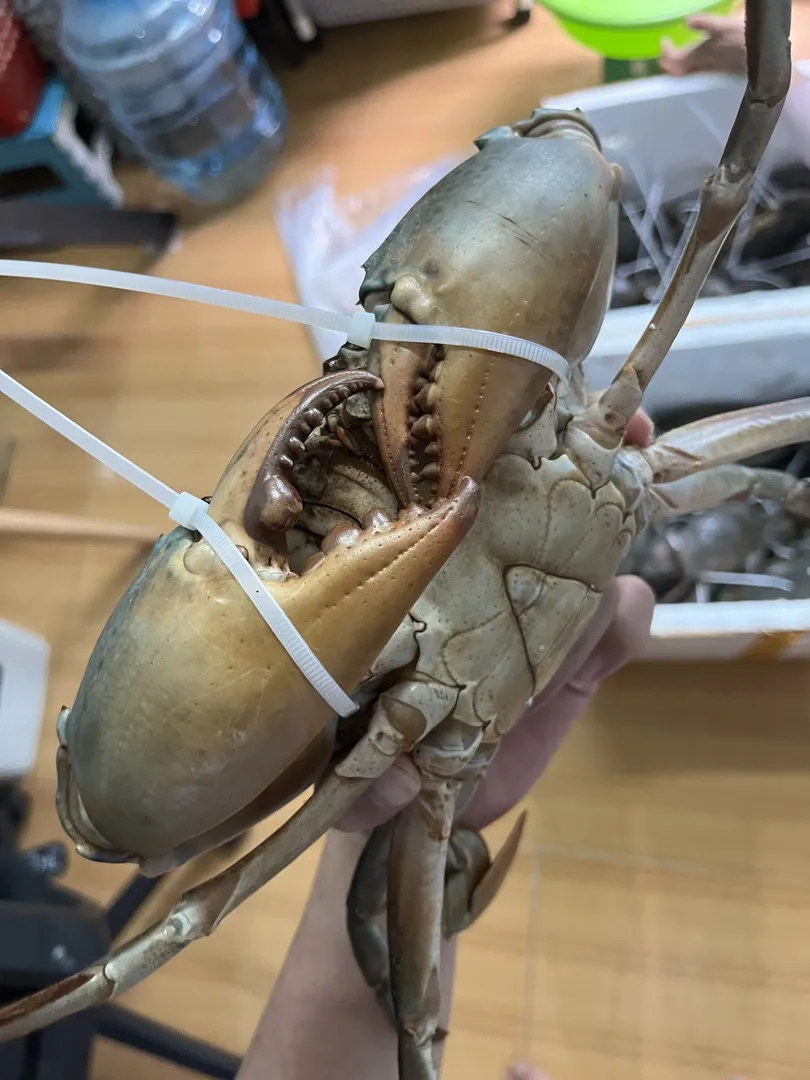
Ca Mau Mud Crab
Prized for its sweet meat and rich roe, often steamed or grilled.
Heritage Ingredient
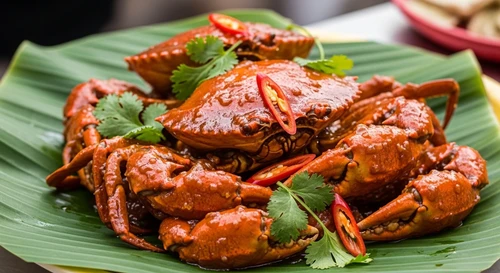
Ca Mau Jumbo Mud Crab
Ca Mau Jumbo Mud Crab
A large male mud crab prized for dense, sweet meat and thick claws, commonly used in steamed crab and grilled crab dishes across the Mekong Delta.
An icon of coastal culinary heritage, featuring firm, sweet meat that captures the raw power and freshness of Ca Mau's tides.
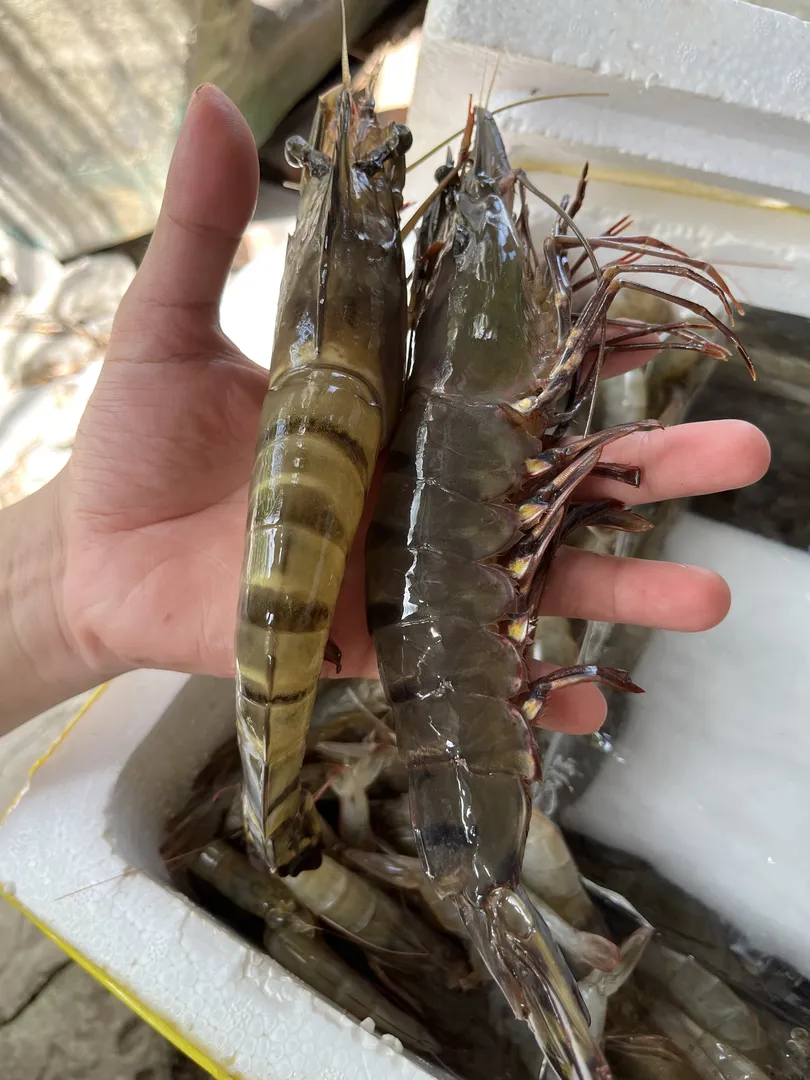
Black Tiger Shrimp
Mangrove-grown, known for firm flesh and clean, sweet flavor, often used in stir-fries or grilled dishes.
Heritage Ingredient
Ca Mau Black Tiger Shrimp
Ca Mau Black Tiger Shrimp
Large black tiger shrimp associated with mangrove aquaculture in Ca Mau, known for firm flesh and a cleaner, sweeter finish than intensively farmed shrimp.
Wild spirits of the mangroves, these black-banded gems deliver a firm, snappy texture and a sweetness that echoes the forest's vibrant life.
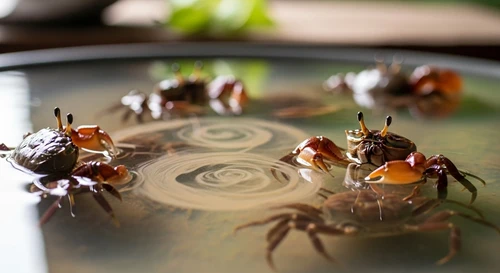
Ba Khia (Fermented Crab)
A rustic, pungent delicacy from the mangrove regions, a true taste of local preserved seafood culture.
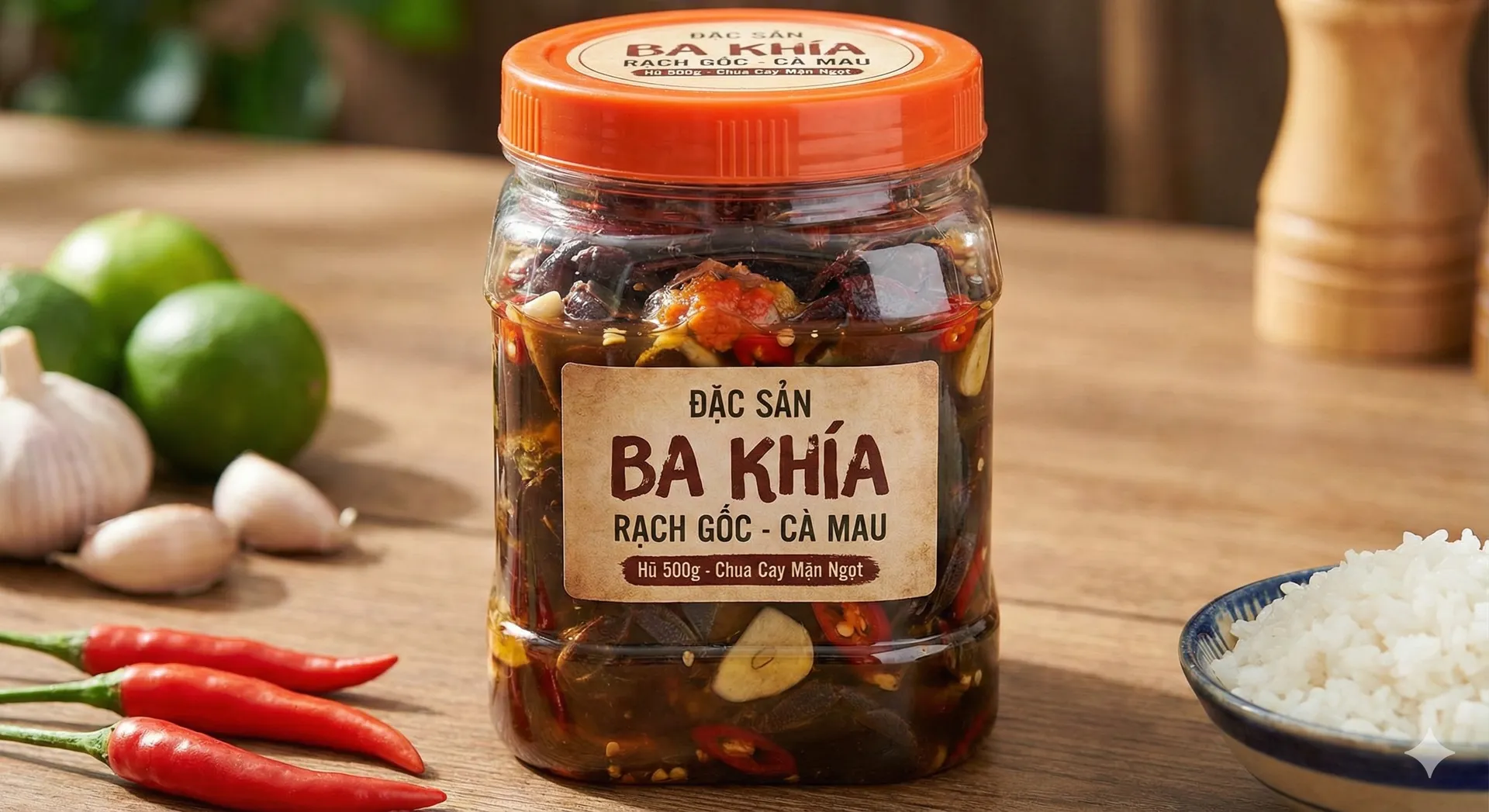
Heritage Ingredient
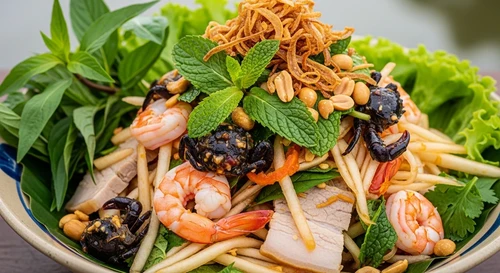
Fermented Mangrove Crab (Ba Khia)
Fermented Mangrove Crab (Ba Khia)
A traditional fermented crab specialty from the mangrove region of Rach Goc, often cited in articles about rustic Mekong Delta flavors and preserved seafood culture.
The salty-sour heartbeat of the wild south, where traditional fermentation turns forest crabs into a nostalgic explosion of rustic Mekong soul.