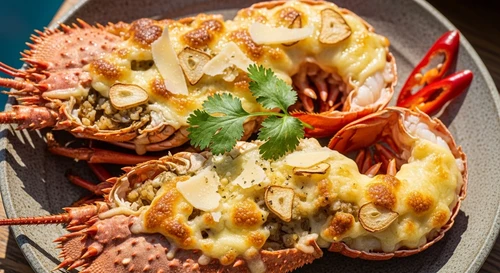
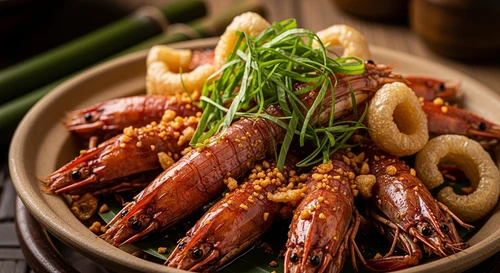
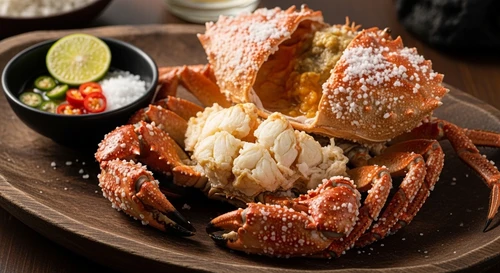
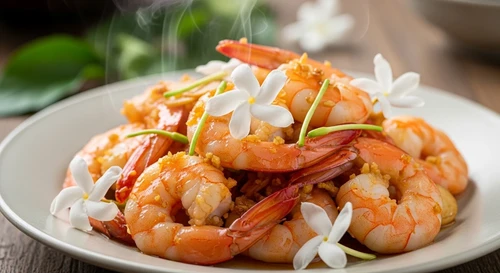
" In the crucible of Vietnamese holidays, even the overlooked can become a coveted delicacy. The demand for convenience, it seems, trumps all. "
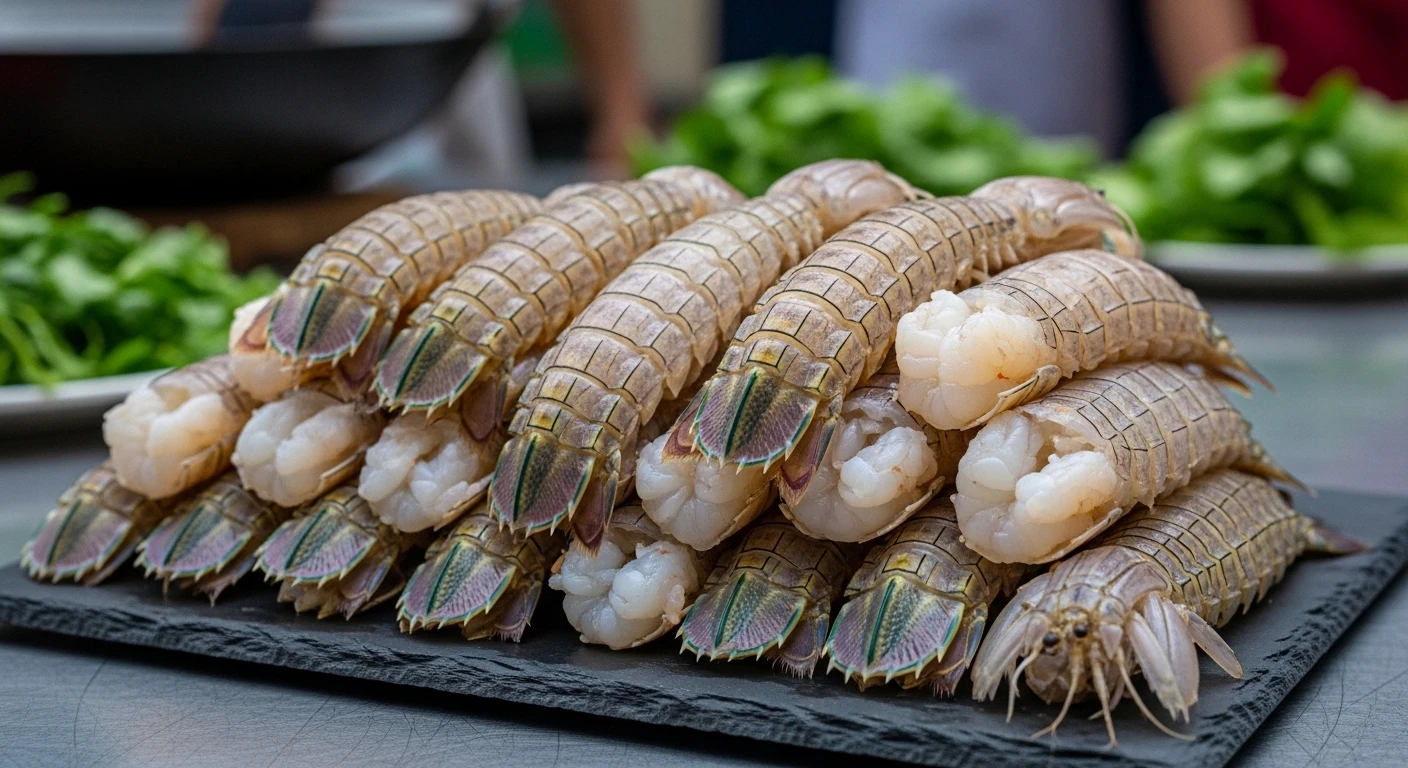
📸 The gold standard: Pre-peeled mantis shrimp, a sign of holiday indulgence.
1 The Mekong Delta's Shadowy Depths
The Mekong Delta, a vast labyrinth of rivers, canals, and mangrove forests, is a treasure trove of aquatic life. While much attention is given to its famed crabs and shrimp, other creatures play vital roles in the local ecosystem and cuisine. Among them is the mantis shrimp, often overlooked by casual observers but prized by those in the know. These vibrant, albeit fearsome-looking, crustaceans are typically found in the coastal waters of provinces like Ca Mau and Quang Ninh, where they are harvested by local fishermen operating from small, weathered boats.
Historically, mantis shrimp were more of a sustenance catch, a part of the daily catch rather than a premium export. They found their way into humble home-cooked meals, often stir-fried with chili and garlic or simmered in fragrant broths. However, as Vietnamese cuisine garners international acclaim and as domestic culinary trends evolve, these creatures have begun to ascend the gastronomic hierarchy.
The popularity of "Lẩu" – Vietnamese hotpots – has been a significant catalyst. These communal dining experiences demand a variety of fresh ingredients, and the sweet, firm flesh of the mantis shrimp offers a unique textural contrast to other hotpot staples. This growing demand, however, doesn't account for the labor involved in preparing them.
2 The Holiday Rush: A Perfect Storm
Vietnam's major holidays, particularly the Reunification Day (April 30th) and International Workers' Day (May 1st) holidays, represent peak times for both domestic travel and family gatherings. For many, these long weekends are an opportunity to indulge in lavish meals, with hotpot emerging as a favored choice for its convivial nature. This surge in demand for hotpot ingredients creates an immediate pressure on the supply chain.
Enter the pre-peeled mantis shrimp. While many consumers are happy to tackle the spiky shell themselves, a significant and growing segment of the population, particularly in urban centers and for busy families, prefers the convenience of pre-prepared seafood. This means the delicate, arduous task of shelling the mantis shrimp – a process that requires nimble fingers and a tolerance for the occasional sharp jab – falls to processing factories.
The description of processing factories in Quang Ninh and Ha Long being "overwhelmed" during this period is not hyperbole. These facilities are not designed for a sudden, massive influx of manual shelling. Workers are stretched thin, and the intricate nature of peeling mantis shrimp means that speed cannot be easily sacrificed for efficiency without risking damage to the meat. This bottleneck directly translates to a surge in processing costs, which, naturally, are passed on to the consumer.
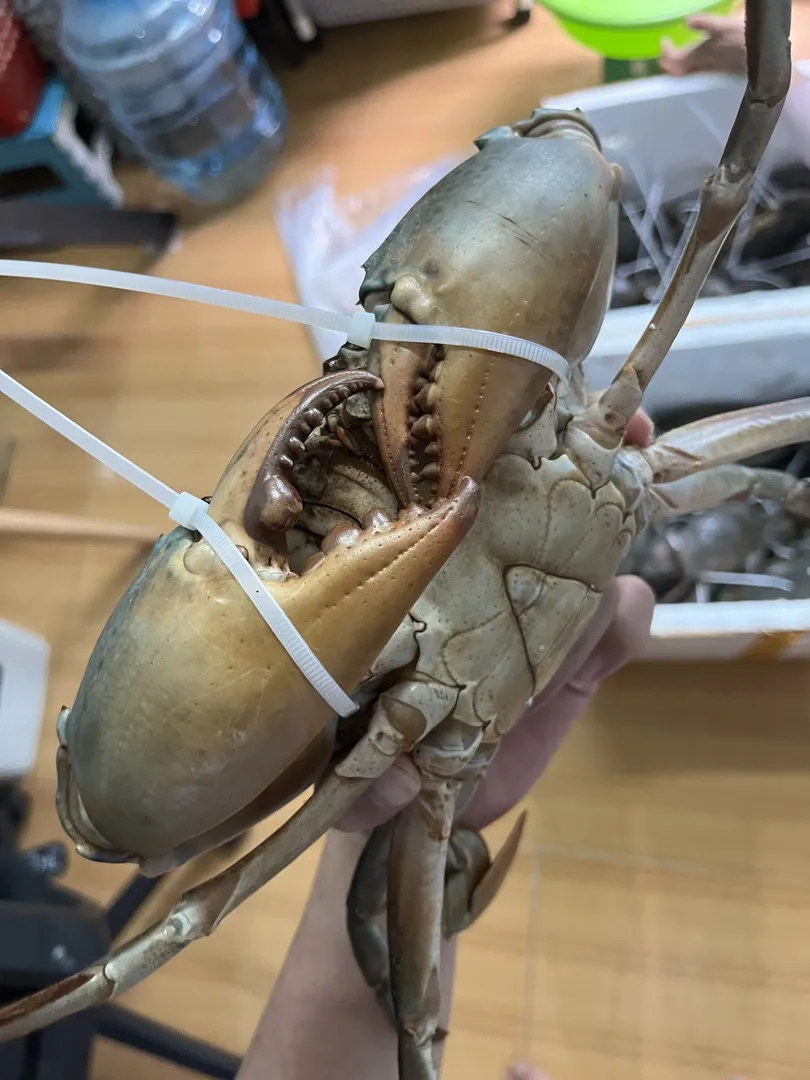
Heritage Ingredient
Ca Mau Jumbo Mud Crab
Ca Mau Jumbo Mud Crab
A large male mud crab prized for dense, sweet meat and thick claws, commonly used in steamed crab and grilled crab dishes across the Mekong Delta.
An icon of coastal culinary heritage, featuring firm, sweet meat that captures the raw power and freshness of Ca Mau's tides.
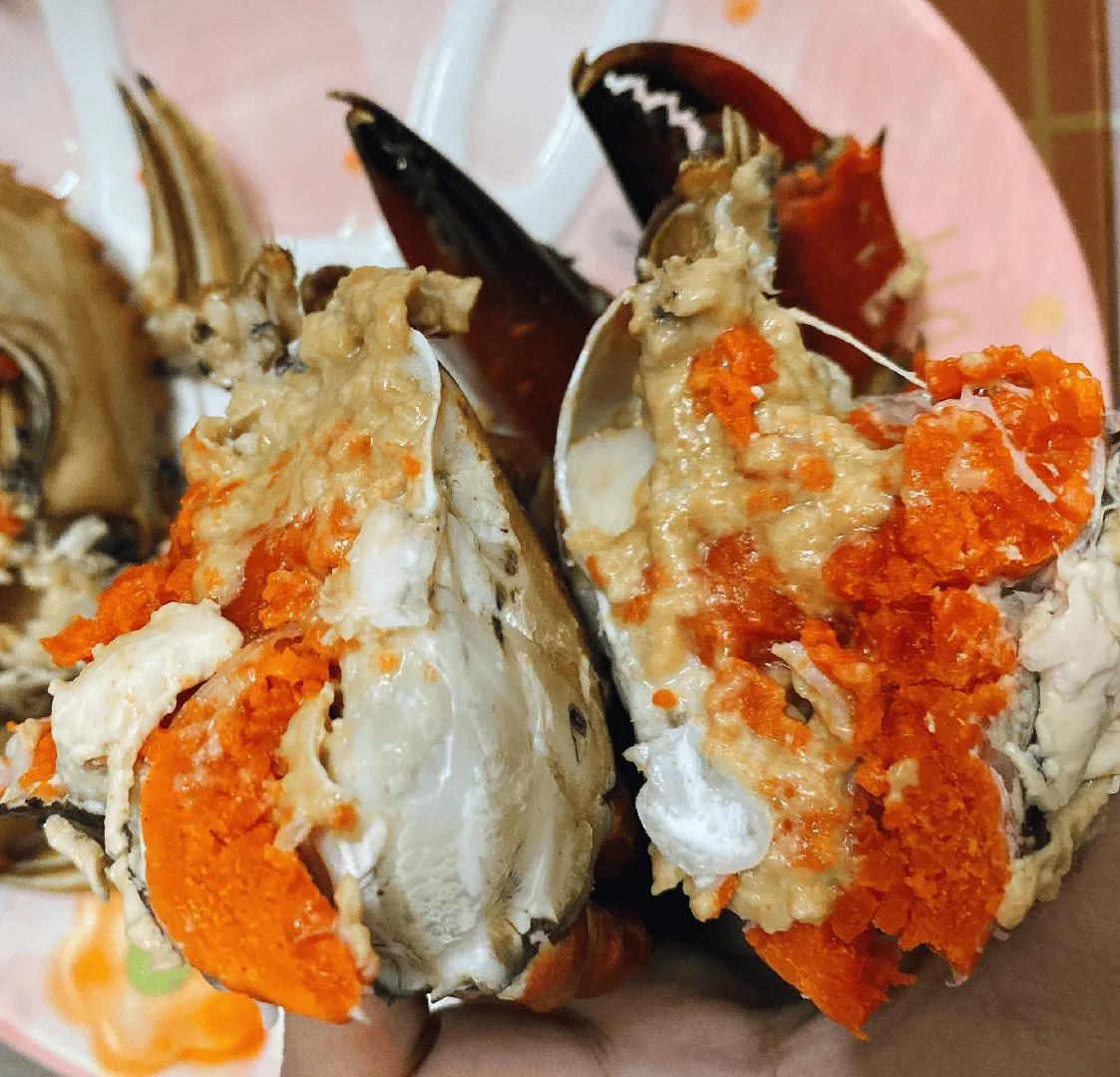
Heritage Ingredient
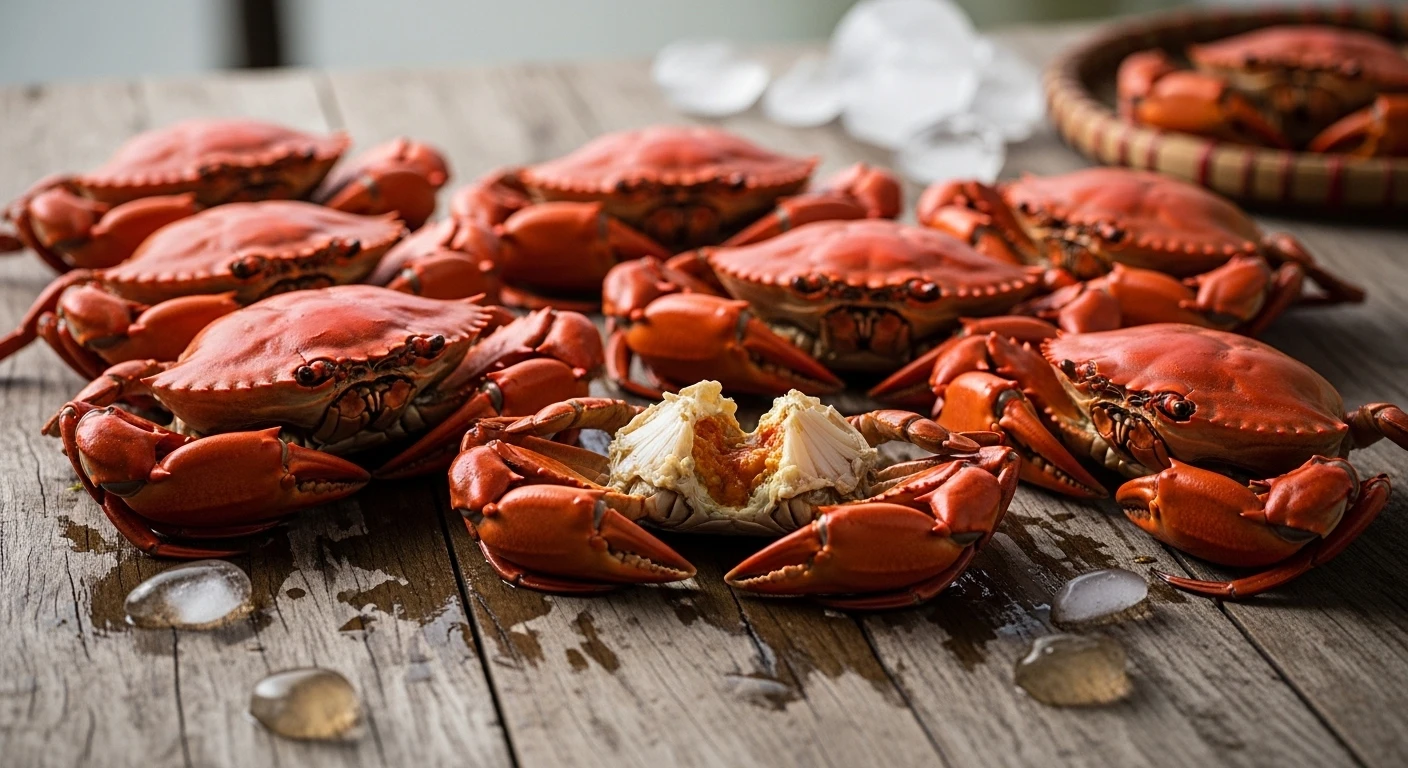
Ca Mau Roe Mud Crab
Ca Mau Roe Mud Crab
A female mud crab known for deep orange roe and a rich, creamy finish, often featured in celebratory Southern Vietnamese seafood meals.
A crimson treasure hidden within a shell, boasting rich, creamy roe that melts on your tongue like a golden sunset over the delta.
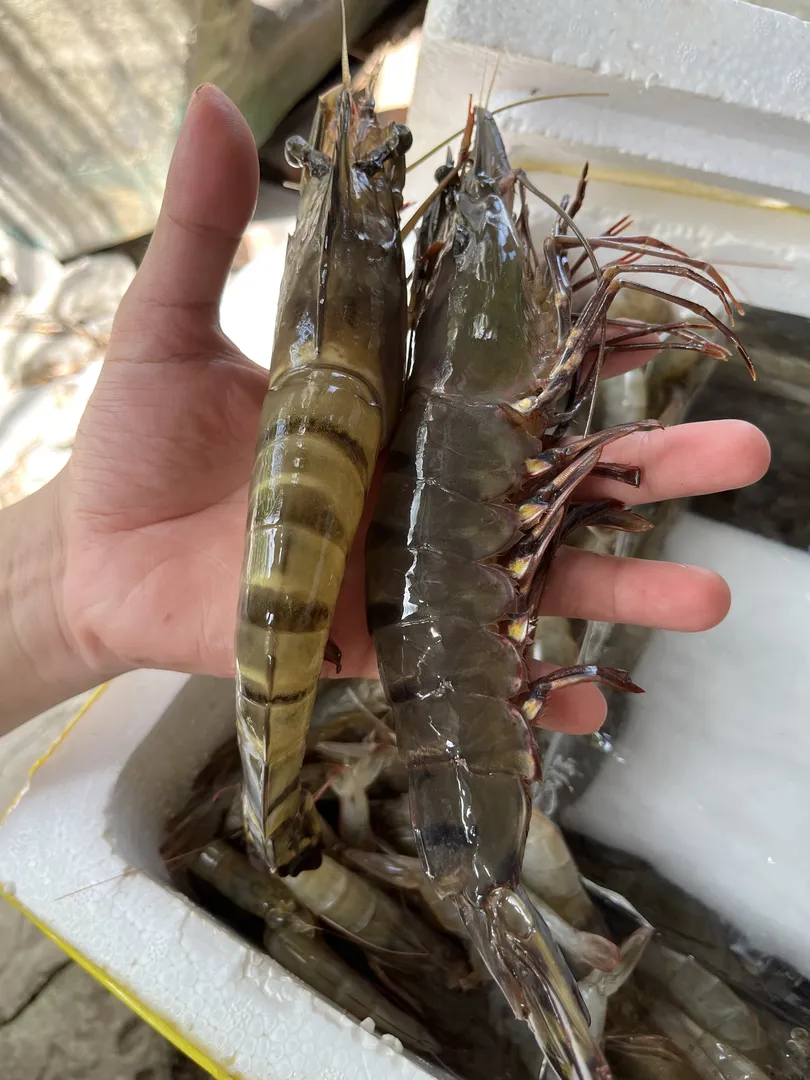
Heritage Ingredient
Ca Mau Black Tiger Shrimp
Ca Mau Black Tiger Shrimp
Large black tiger shrimp associated with mangrove aquaculture in Ca Mau, known for firm flesh and a cleaner, sweeter finish than intensively farmed shrimp.
Wild spirits of the mangroves, these black-banded gems deliver a firm, snappy texture and a sweetness that echoes the forest's vibrant life.
3 Supply Chain Squeeze: From Catch to Casserole
The situation creates a classic economic equation: high demand meets constrained supply. The fishermen who venture out into the waters off the coast of Quang Ninh are met with the usual challenges of marine harvesting. When they do land a good catch of mantis shrimp, their immediate concern is getting it to market while it’s fresh. However, if the processing plants are already bottlenecked, the available raw mantis shrimp can pile up.
This isn't just about the price of the final peeled product. It's about the entire logistics chain. The cost of labor for shelling, the energy required for refrigeration and transport, and the premium charged by vendors who can offer the convenience of pre-shelled shrimp – all these factors contribute to the "dizzying price surge" observed. Consumers are, in essence, paying for the time and effort saved.
Consider the comparative value. While fresh, in-shell mantis shrimp might still be relatively affordable, the labor-intensive peeling process transforms it into a premium convenience product. For a holiday meal where time is precious and relaxation is paramount, this transformation is a worthwhile expense for many Vietnamese families. This dynamic highlights a broader trend in modern Vietnamese consumer culture: a willingness to pay more for convenience, especially during festive periods.
4 Beyond the Surge: What Mantis Shrimp Tells Us
This price fluctuation for peeled mantis shrimp during a short holiday window is more than just a market anomaly; it's a microcosm of broader shifts in Vietnamese society and its relationship with food. It speaks to:
- The Rise of Convenience: As lives become busier, especially in urban areas, the demand for ready-to-cook or ready-to-eat ingredients is growing exponentially.
- Evolving Holiday Traditions: While traditional meals remain central, the way Vietnamese families celebrate holidays is adapting, with convenience and shared experiences like hotpot becoming increasingly important.
- The Value of Labor: This price surge implicitly acknowledges the significant labor involved in preparing certain seafood items, a factor often overlooked by consumers.
- Market Responsiveness: The seafood industry, from fishermen to processors, is constantly adapting to consumer demand, even if it leads to temporary price spikes.
5 Navigating the Market: Tips for the Savvy Consumer
For travelers and locals alike, understanding these market dynamics can help in making informed choices. While the price surge for peeled mantis shrimp is real, other options remain available.
- Consider In-Shell: If you have the time and inclination, purchasing mantis shrimp in their shells and peeling them yourself can offer significant savings, especially outside of peak holiday periods.
- Explore Other Delicacies: While mantis shrimp is popular, the Mekong Delta offers a vast array of other fantastic seafood. Think of the succulent steamed crabs, the plump Black Tiger Prawns, or the complex flavors of Ba Khia.
- Shop Early or Late: For holidays, planning your grocery shopping a day or two before the main event, or even the day after, can sometimes yield better prices and more availability.
- Seek Local Markets: Direct engagement with fishermen or smaller, local markets might offer a clearer picture of the true cost and potentially better deals compared to larger supermarkets or specialized seafood vendors catering to convenience.
6 The Future of Peeling?
As Vietnamese society continues to modernize and incomes rise, the demand for convenience in food preparation is unlikely to wane. This means that the market for pre-peeled seafood, including mantis shrimp, will likely continue to grow. We may see investments in more advanced processing technologies or innovative packaging solutions aimed at making these labor-intensive items more accessible and affordable year-round.
However, for now, the seasonal surge in mantis shrimp prices serves as a potent reminder of the connection between traditional harvesting, modern consumer habits, and the often-hidden labor that brings our food to our tables. It’s a narrative woven into the very fabric of Vietnam’s dynamic culinary landscape, a story told in the vibrant colors of the sea and the fluctuating prices at the market.