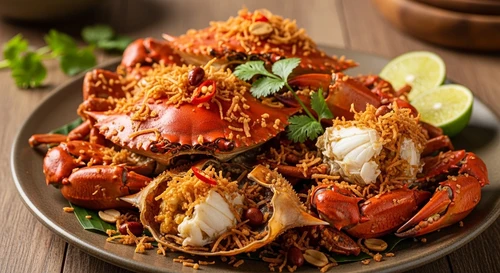
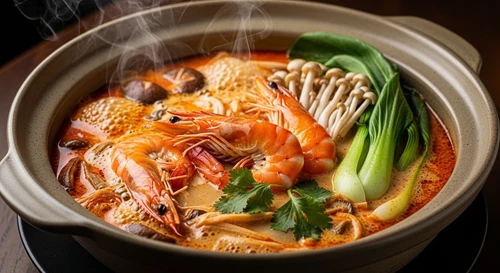
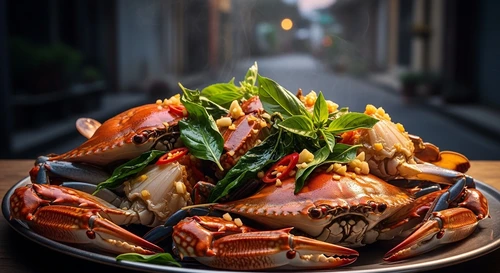
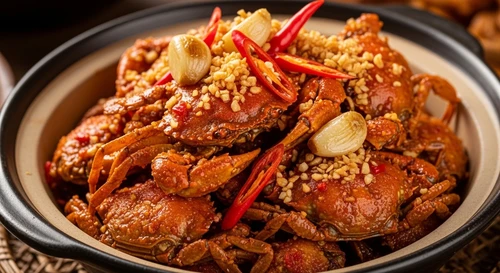
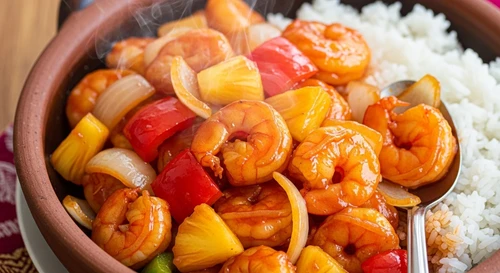
" The Mekong Delta. A labyrinth of waterways, rice paddies, and vibrant life. And at its heart, the crab. From the vast mudflats of Ca Mau to the bustling floating markets, crab is more than just food; it's a livelihood, a tradition, a taste of home. "
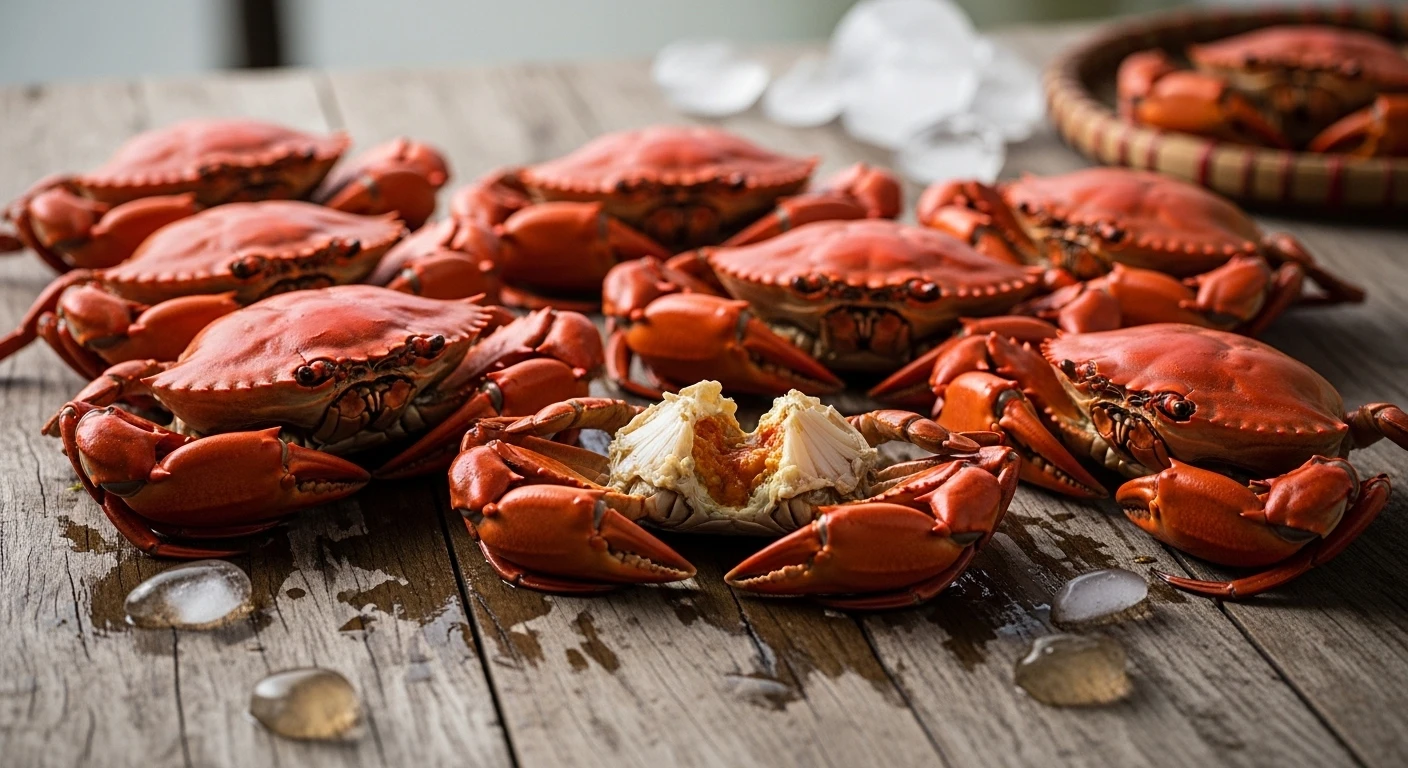
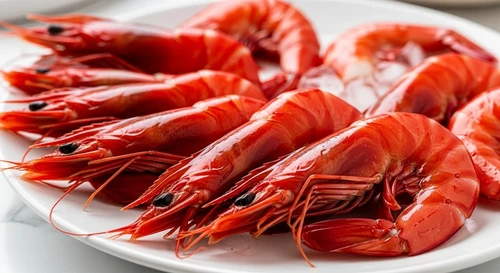
📸 Preserving the catch: Perfectly preserved boiled crabs ready for the freezer.
1 The Fisherman's Dilemma: Too Much Goodness
Imagine this: You've had a fantastic day, perhaps at the Cai Rang floating market or after a successful haul. You've boiled up a magnificent batch of crabs – the sweet, dense meat of a Ca Mau Jumbo Mud Crab, or the rich roe from a Ca Mau Roe Mud Crab. The aroma fills your home. But you can't possibly eat them all tonight. What do you do? Throwing away perfectly good seafood is a culinary sin, especially in a region where every catch is precious. This is where smart preservation techniques come into play.
The key to enjoying your crab feast beyond the initial meal lies in combating its greatest enemy: freezer burn. That icy dryness that leeches out moisture and flavor, leaving behind a pale, disappointing imitation of the fresh delicacy. Our mission, then, is simple: to keep that sweet, succulent crab meat locked in its pristine state, ready to be enjoyed days, or even weeks, later.
2 Combating the Ice Dragon: Why Preservation Matters
Crab meat, especially when cooked, is delicate. Its high water content makes it particularly susceptible to ice crystal formation during freezing. These crystals can rupture cell walls, leading to a mushy texture and significant moisture loss upon thawing. Furthermore, exposure to air in the freezer causes oxidation and dehydration, resulting in that dreaded freezer burn. To keep your boiled crab tasting as close to fresh as possible, we need to create a formidable barrier against both ice crystals and air.
This is where the technique of double-wrapping and vacuum sealing becomes not just helpful, but essential. It's a two-pronged approach: first, a tight, airtight wrap to block direct air contact, and second, a vacuum seal to remove any remaining air from the packaging. This meticulous process ensures that the crab meat remains moist, flavorful, and free from the insidious effects of the freezer.
3 The Art of the Seal: Your Freezing Masterclass
Cool Completely
This is crucial. Never attempt to freeze warm crab. Allow your boiled crabs to cool down entirely at room temperature, then transfer them to the refrigerator to chill thoroughly. This prevents condensation inside your freezer bags.
Extract the Treasure
Once chilled, extract all the edible crab meat from the shells. This is the most labor-intensive part, but it's worth it. Focus on getting as much meat as possible, especially from the legs and claws. For roe crabs, you can freeze the roe separately or mixed with the meat, depending on your preference.
The Airtight Embrace
Divide the crab meat into meal-sized portions. Place each portion onto a piece of heavy-duty plastic wrap (cling film). Wrap it tightly, pressing out as much air as possible. You're aiming for a compact, almost candy-like package. Twist the ends of the plastic wrap to secure it tightly.
The Protective Cocoon
Now, take this plastic-wrapped portion and place it into a heavy-duty freezer bag or a vacuum seal bag. The goal here is to add another layer of defense against freezer burn.
Evacuate the Air
If using a vacuum sealer, run the machine to remove all air. This is the most critical step for long-term preservation. If using a freezer bag, carefully squeeze out as much air as possible before sealing it completely.
Date and Store
Label each package with the date of freezing and, if you like, the type of crab (e.g., "Boiled Crab Meat - Jan 15"). Store the packages in your freezer. For best quality, consume within 3-4 months.
4 The Faces of Mekong Crab
The Mekong Delta is home to a diverse array of crabs, each with its unique appeal. Understanding them helps appreciate why preserving them is so worthwhile.
Heritage Ingredient
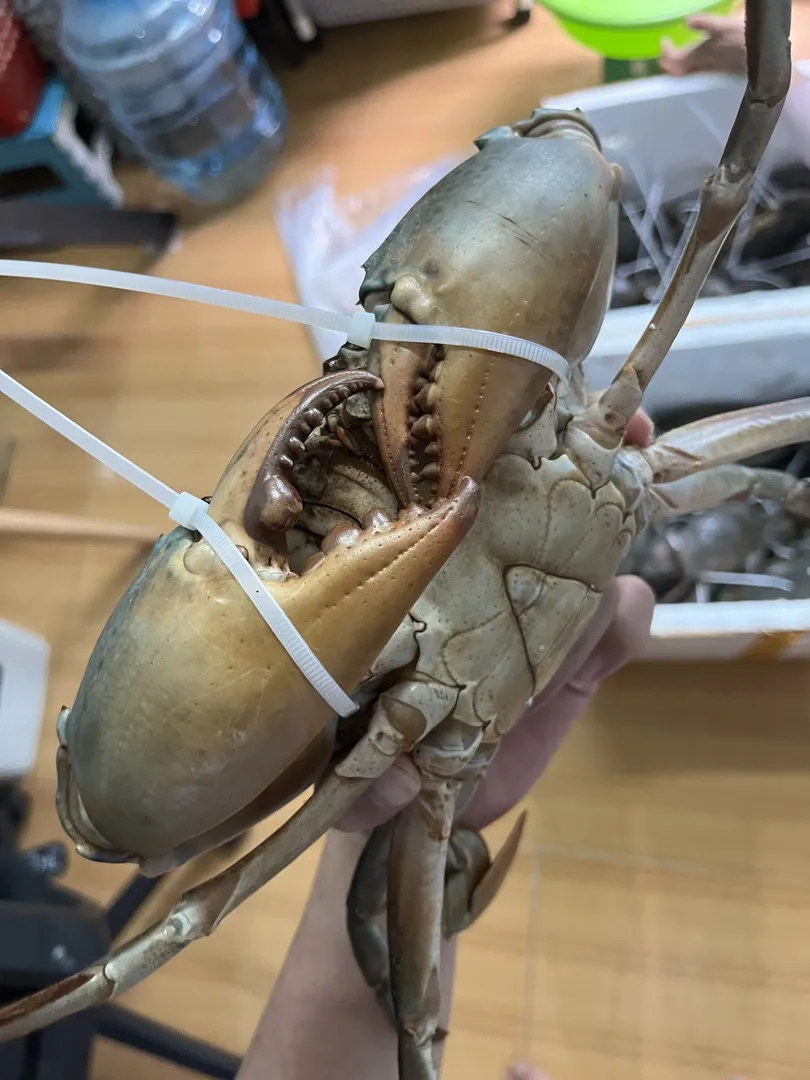
Ca Mau Jumbo Mud Crab
Ca Mau Jumbo Mud Crab
A large male mud crab prized for dense, sweet meat and thick claws, commonly used in steamed crab and grilled crab dishes across the Mekong Delta.
An icon of coastal culinary heritage, featuring firm, sweet meat that captures the raw power and freshness of Ca Mau's tides.
Heritage Ingredient
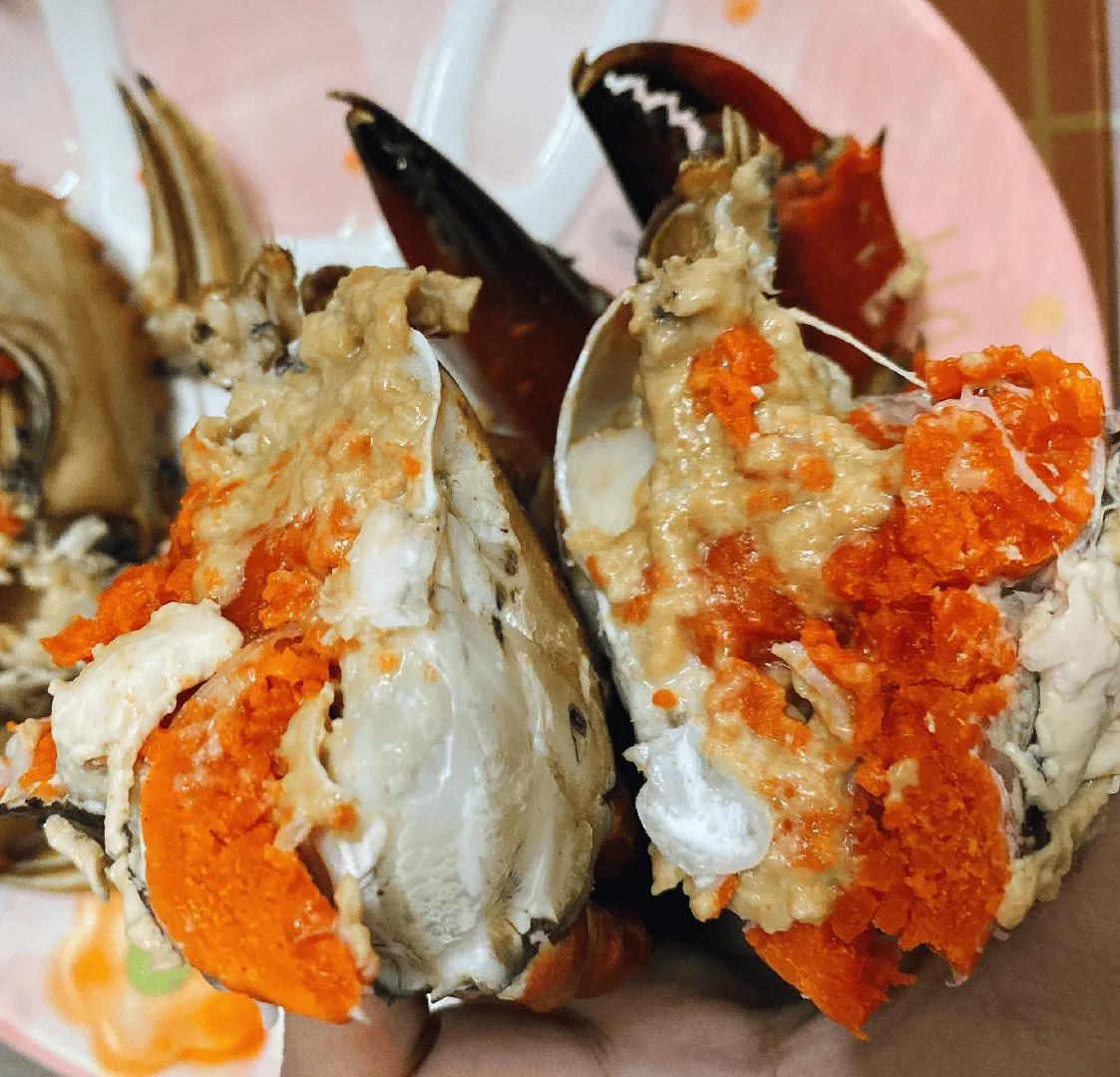
Ca Mau Roe Mud Crab
Ca Mau Roe Mud Crab
A female mud crab known for deep orange roe and a rich, creamy finish, often featured in celebratory Southern Vietnamese seafood meals.
A crimson treasure hidden within a shell, boasting rich, creamy roe that melts on your tongue like a golden sunset over the delta.
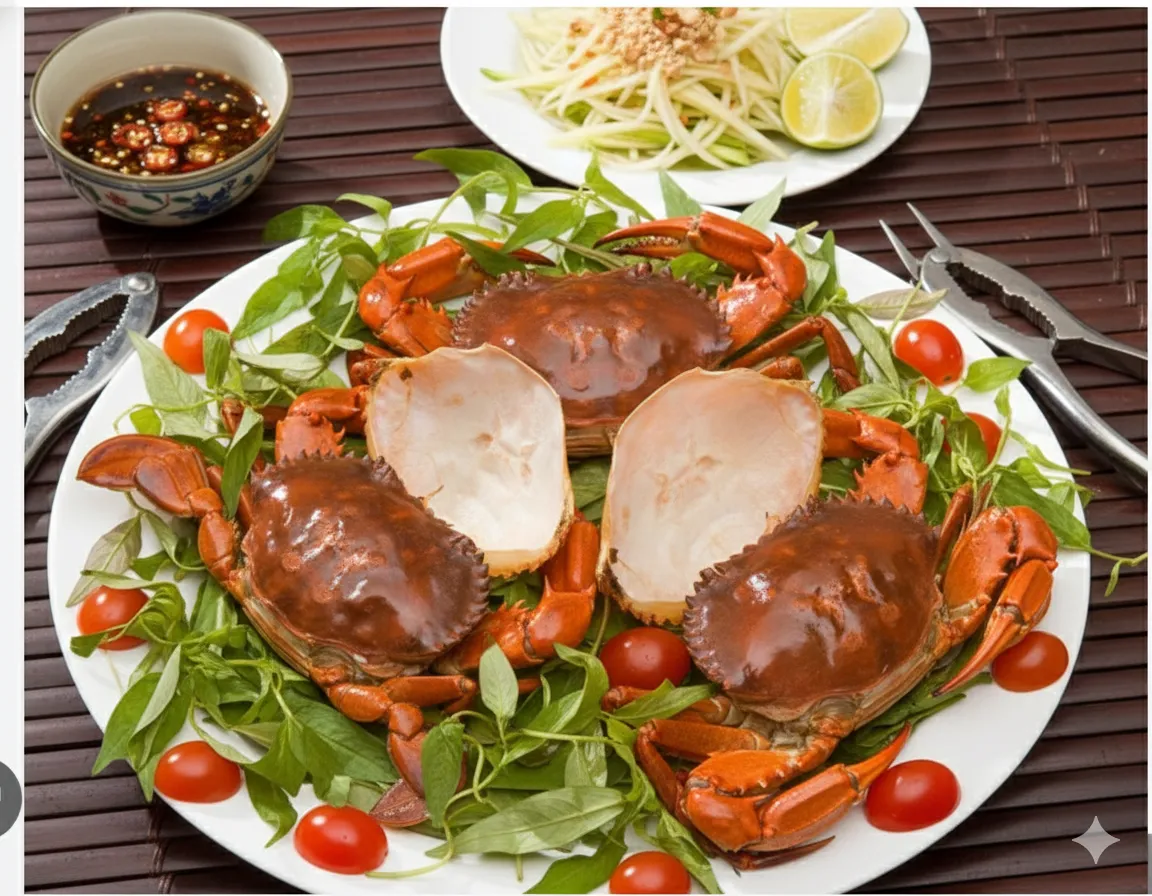
Heritage Ingredient
Soft-Shell Butter Crab (Molting Crab)
Soft-Shell Butter Crab (Molting Crab)
A rare molting mud crab from Ca Mau, valued for its edible soft inner shell and exceptionally creamy roe, making it the closest local equivalent to soft-shell crab concepts familiar abroad.
Nature's rare masterpiece—a delicate transition where a soft inner layer protects golden, custard-like roe in a fleeting moment of flavor.
5 Reawakening the Flavor
When you're ready to enjoy your frozen crab, the key is a slow, gentle thaw. For the best results, transfer the vacuum-sealed package from the freezer to the refrigerator and let it thaw overnight. This gradual process helps retain moisture and texture.
Once thawed, gently remove the crab meat from its packaging. You can serve it cold as part of a salad, a crab cake filling, or gently reheat it. If reheating, do so briefly in a pan with a touch of butter or as part of a sauce to avoid overcooking. The subtle sweetness and delicate texture should be remarkably well-preserved.
6 Insider Secrets for Peak Preservation
- Use Freshly Cooked Crab: The quality of your frozen crab is directly tied to the quality of the crab you freeze. Always start with the freshest, best-cooked crab you can find.
- Don't Freeze Whole Crabs: While technically possible, freezing whole boiled crabs is less efficient and makes thawing difficult. Extracting the meat is the superior method for texture and ease of use later.
- Consider Individual Portions: Freezing in meal-sized portions means you only thaw what you need, preventing multiple freeze-thaw cycles which degrade quality.
- Double Bagging: If you don't have a vacuum sealer, using two layers of heavy-duty freezer bags, ensuring the inner one is completely sealed before placing it into the outer, is a good alternative.
- Avoid Ice Crystals: The tight wrapping and vacuum sealing are your best defense. If you notice ice crystals forming on the packaging, it means air has infiltrated, and the crab might be more susceptible to freezer burn.
7 A Taste of Home, Anytime
The Mekong Delta's culinary legacy is one of resourcefulness and deep respect for nature's bounty. Learning to preserve its treasures, like the precious crab meat, is a way to connect with that heritage. By mastering these simple freezing techniques, you're not just saving food; you're extending the joy of that delicious Mekong meal, ensuring that the sweet, succulent taste of the delta can grace your table whenever the craving strikes. It's a small effort that yields a significant reward: a pantry stocked with the flavors of one of the world's most vibrant food cultures.