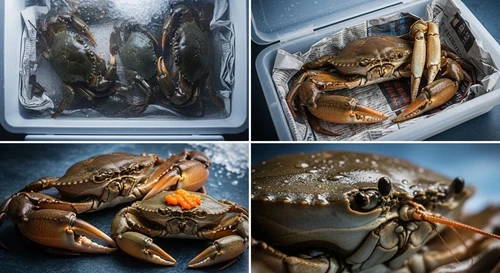
1 The Ocean's Jewel Box: Unveiling the Tom Tit
" Forget the lobster. In the humid, mangrove-laced corners of Western Vietnam, the true royalty of the shallow seas is often something smaller, tougher, and infinitely more complex. Meet the Mantis Shrimp. "
2 More Than Just a Shrimp
The ‘Tom Tit’ – the local name for mantis shrimp in the Mekong Delta – is an evolutionary marvel. These crustaceans, part shrimp, part-shrimp-that-ate-a-power-bar, are not your typical delicate seafloor dwellers. They are warriors, equipped with hammer-like appendages capable of striking with astonishing speed and force. This formidable armor is precisely why they are often cooked whole, shells and all.
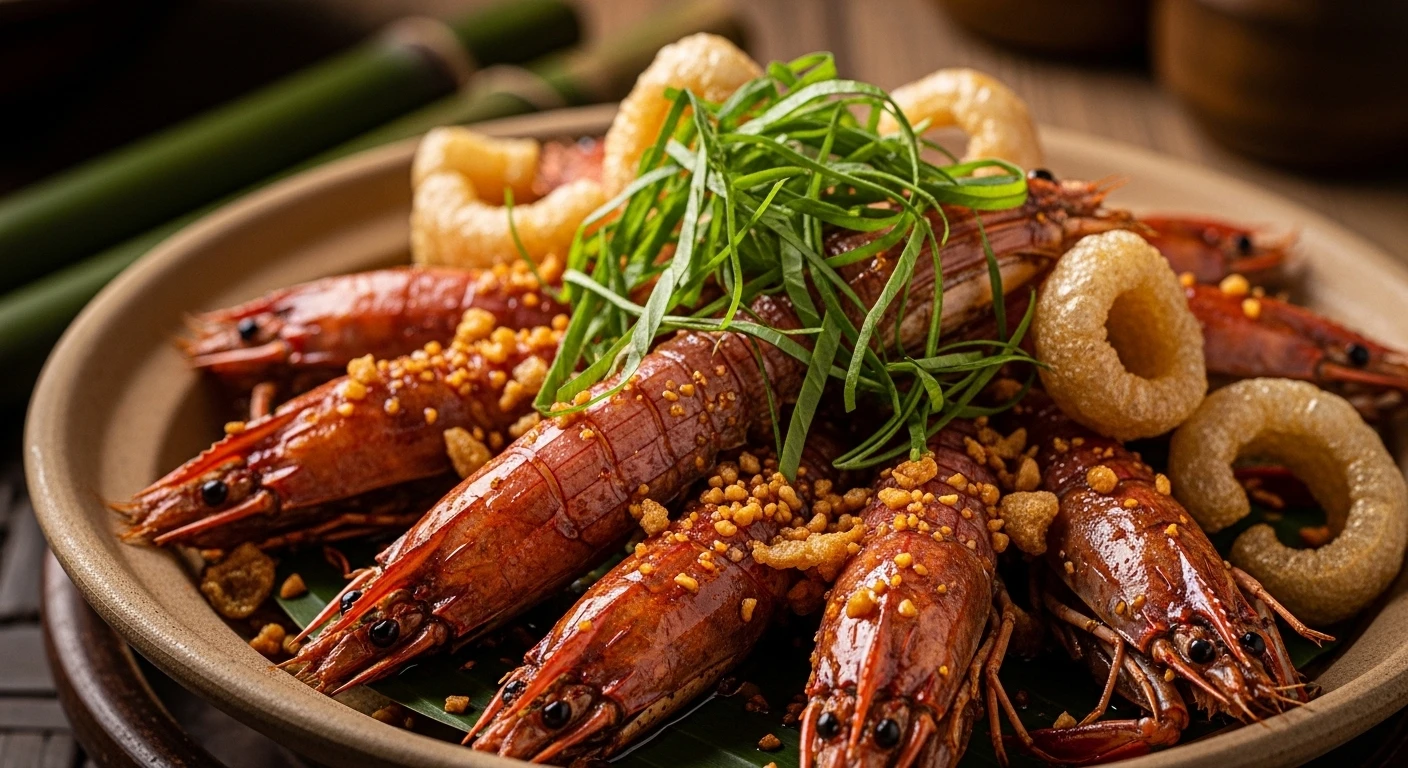
📸 The prize: A perfectly cooked Mantis Shrimp, shell glistening, ready to be cracked.
In the coastal regions of Ca Mau and the wider Mekong Delta, where aquaculture and wild-caught seafood form the backbone of many communities, mantis shrimp are a cherished catch. Unlike their softer-shelled cousins, their hard exoskeletons require a specific approach to cooking – one that transforms their formidable exterior into an edible, crunchy delight.
Texture Trio
Expect a complex interplay: the chewy, sweet flesh within, the brittle, savory crunch of the shell and cracklings, and the aromatic whisper of burnt garlic.
The Sizzle
This dish is a testament to 'wok hei' – the breath of the wok. It’s about high heat, quick cooking, and coaxing out deep flavors from simple ingredients.
3 The Delta's Pantry
The beauty of this dish lies in its simplicity, drawing from the very essence of the Mekong’s bounty and everyday Vietnamese home cooking. It’s about respecting the star ingredient and letting bold flavors complement, not mask.
The Stars
- Mantis Shrimp (Tom Tit): Fresh, lively specimens are key. Their shells should be firm.
- Garlic: Plenty of it. We want it deeply browned, almost burnt, for that nutty, smoky depth.
- Pork Cracklings: Store-bought or homemade, these add an irresistible crunch and fatty richness.
The Supporting Cast
- Oil: A neutral cooking oil like rice bran or vegetable oil.
- Salt: To season the mantis shrimp before cooking.
- Rice Paddy Herb (Rau Om): This fragrant herb, with its slight citrusy and earthy notes, is the final flourish, bridging the sea and the land.
- Optional: A pinch of sugar to balance.
Heritage Ingredient
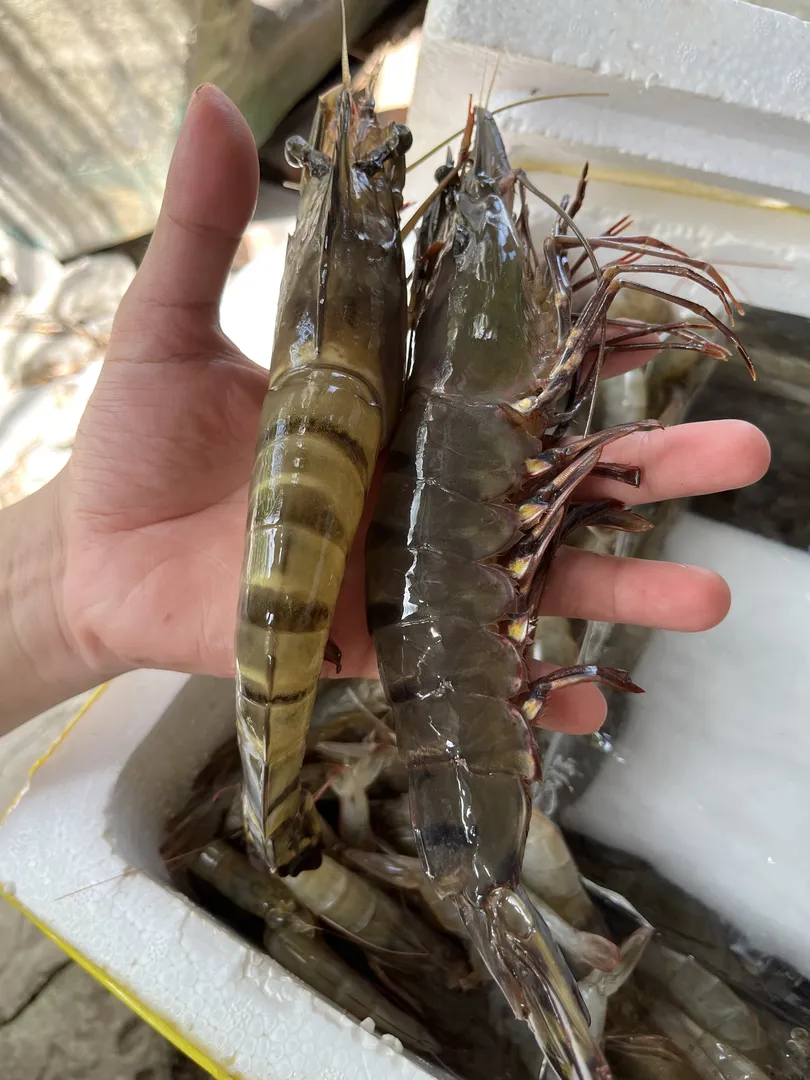
Ca Mau Black Tiger Shrimp
Ca Mau Black Tiger Shrimp
Large black tiger shrimp associated with mangrove aquaculture in Ca Mau, known for firm flesh and a cleaner, sweeter finish than intensively farmed shrimp.
Wild spirits of the mangroves, these black-banded gems deliver a firm, snappy texture and a sweetness that echoes the forest's vibrant life.
Heritage Ingredient
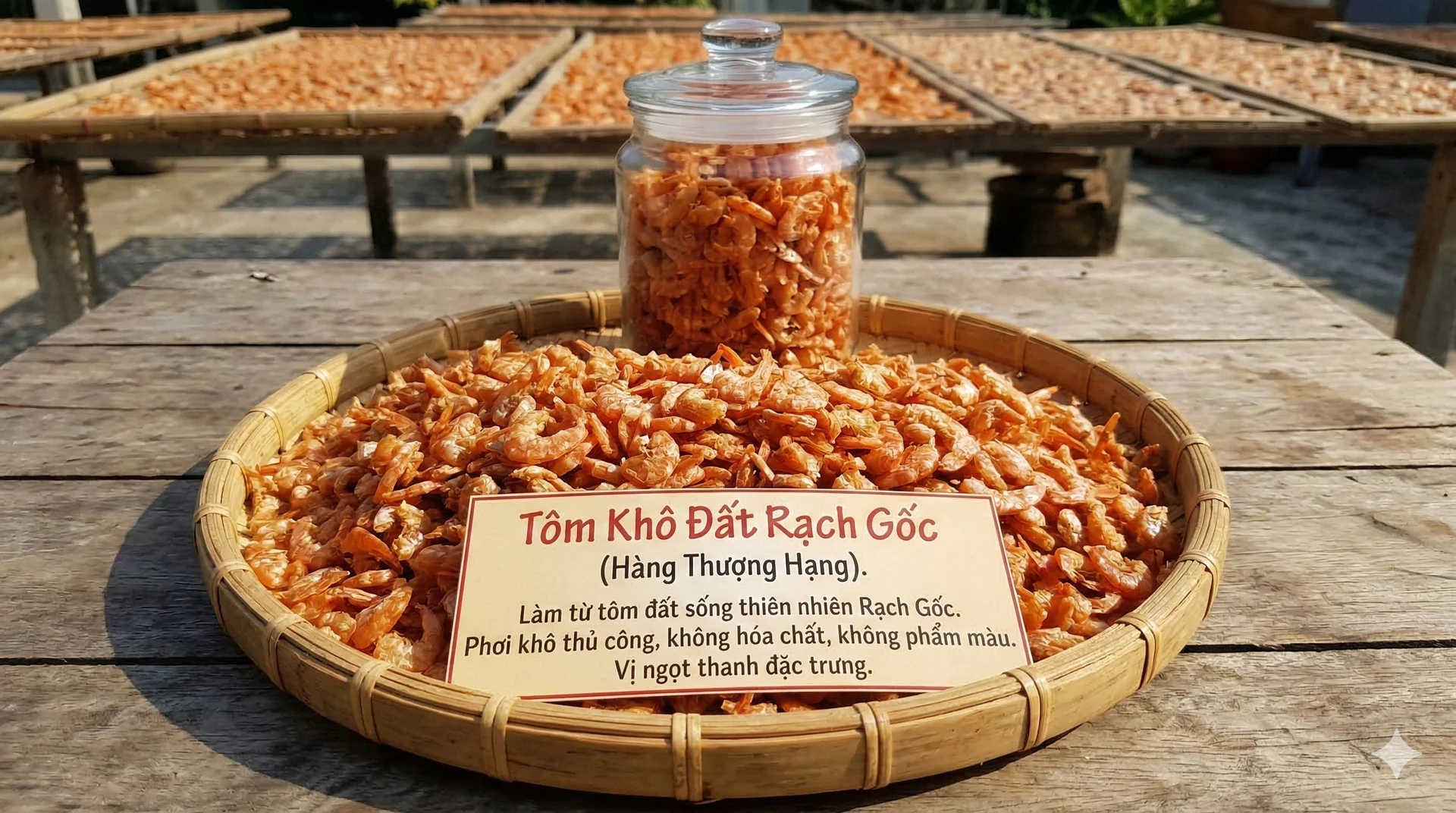
Sun-Dried Wild Shrimp from Rach Goc
Sun-Dried Wild Shrimp from Rach Goc
Traditional dried shrimp made from small wild shrimp, valued for natural sweetness and commonly used in Vietnamese salads, soups, and festive dishes.
Concentrated sunlight and sea salt in every bite, these crimson gems offer a deep, umami sweetness that whispers tales of Rach Goc's golden shores.

Heritage Ingredient
Ca Mau Mudskipper
Ca Mau Mudskipper
A mangrove mudskipper from Ca Mau, often grilled with chili salt and featured in articles about unusual delta seafood and mudflat ecosystems.
The acrobatic spirit of the mudflats, delivering a fragrant, smoky flesh that embodies the untamed beauty of Ca Mau's mangrove world.
4 The Fiery Transformation
This isn't about gentle simmering; it’s about a rapid, high-heat dance. The goal is to cook the mantis shrimp quickly, leaving their flesh tender, while charring the garlic and crisping everything to perfection.
Prep Your Pearls
Clean the mantis shrimp gently. Pat them dry thoroughly. Season generously with salt. This is crucial for flavor and for helping the shells crisp up.
The Garlic Infusion
In a wok or large skillet, heat a generous amount of neutral oil over medium-high heat. Add the minced garlic. Stir constantly until it turns a deep golden brown, verging on burnt. This process takes patience; watch it closely as it can go from perfect to bitter quickly.
The Searing Heat
Increase the heat to high. Add the salted mantis shrimp to the wok, along with the pork cracklings. Stir-fry vigorously for 3-5 minutes, ensuring everything is coated in the fragrant garlic oil. The shells should start to toast and darken further.
The Final Aroma
Turn off the heat. Toss in the chopped rice paddy herb. The residual heat will wilt it slightly, releasing its intoxicating fragrance. If using, add a tiny pinch of sugar for balance.
5 Cracking the Code
This dish is meant to be eaten with your hands, a primal indulgence that connects you directly to the food. It’s an ultimate snack, a pub favorite, and a testament to the bold flavors of Vietnam's coast.
How to Eat It
Shell is Edible!
The salt-roasting and high heat render the shell brittle and flavorful. Think of it as a very savory, crunchy coating.
The Crack
Use your fingers or a small mallet to crack the shell. Squeeze the juice from the head, then extract the sweet flesh from the body segments. Don't miss the tomally (roe) if present!
The Dipping Ritual
While delicious on its own, a side of chili lime salt or a fresh lime wedge can amplify the experience. The rice paddy herb should be enjoyed with every bite.
6 Echoes of the Coast
The story of Tom Tit with Burnt Garlic is deeply woven into the tapestry of the Mekong Delta’s coastal communities, particularly in provinces like Ca Mau, Bac Lieu, and Kien Giang. These regions, characterized by vast mangrove forests and a challenging coastline, are where livelihoods are intrinsically tied to the sea. The practice of cooking seafood whole, embracing every edible part from shell to head, is a hallmark of resourcefulness born from generations living in close harmony with nature's cycles.
Fishing villages, small family-run eateries near the markets, and even the bustling night food stalls in coastal towns all feature variations of this dish. The distinct aroma of burnt garlic isn't just a flavor; it's a scent that drifts on the humid night air, mingling with the salty tang of the sea and the faint, sweet perfume of the rice paddy herb growing wild along the riverbanks. It's the smell of home, of sustenance, and of the simple, profound pleasure of good food from the earth and the water.

📸 The source: A vibrant seafood market in the Mekong Delta, a testament to the region's bounty.
This dish embodies the spirit of the delta – resilient, bold, and unpretentious. It’s a celebration of the harvest, a nod to the power of simple ingredients transformed by skill and fire. Every bite is a journey back to the source, a taste of the wild, untamed beauty of Vietnam’s southwestern frontier.
7 Avoiding Disaster
🔥 Burnt Garlic Blues?
💧 Soggy Shell Syndrome?
🌿 Herb Overload?
8 The Taste of True Delta Grit
" This isn't just a dish; it's an experience. It’s the grit, the flavor, the sheer audacity of eating a creature that looks like it could punch its way out of the wok. It's the Mekong Delta on a plate. "
So, the next time you’re near the coast of Vietnam, or even just inspired to bring a taste of the delta into your own kitchen, seek out the Tom Tit. Embrace the crunch, savor the sweet flesh, and let the smoky garlic and fragrant herbs transport you. It’s a snack, yes, but it’s also a story – a delicious, unforgettable chapter from the heart of the Mekong.