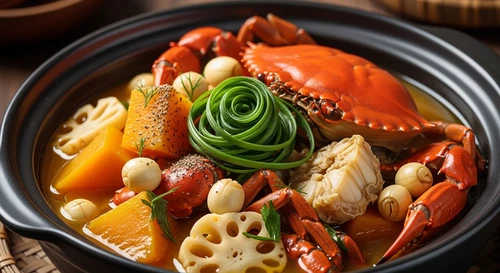
" The Mekong Delta doesn't just bake under the sun; it finds ways to cool itself, often with surprising ingredients plucked from the earth and water. This isn't just a recipe; it's a midday balm. "
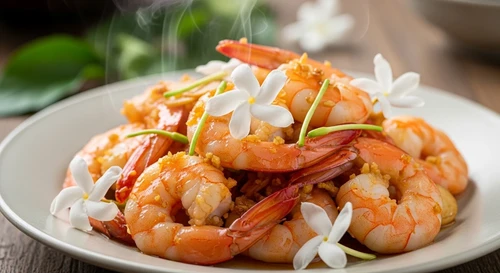
📸 The delicate dance of whiteleg shrimp and fragrant jasmine flowers.
1 The Secret Bloom: Tonkin Jasmine's Cool Kiss
In the heart of the Mekong, where the heat can feel like a physical force, folk wisdom has long turned to the soothing properties of certain plants. Tonkin jasmine (sometimes called "hoa ngai cuc" or "hoa cau huong" locally) is one such treasure. Known for its delicate, calming fragrance, these flowers aren't just for potpourri. In a hot wok, they transform, releasing a subtle perfume and an almost imperceptible tranquility.
Their traditional use is often as a mild sedative or to aid sleep. But here, their purpose is different: to infuse a dish with an ethereal aroma and a cooling sensation that cuts through the oppressive midday humidity. It's a culinary nod to nature's own air-conditioning.
Aroma Therapy
The steam carries the flower's delicate scent, a far cry from heavy spices. It's like a gentle breeze.
Cooling Sensation
Beyond scent, the flowers are believed to impart a mild 'cooling' energy, perfect for a sweltering noon.
2 The Star Protein: Humble Shrimp, Elevated
For this dish, the whiteleg shrimp (Litopenaeus vannamei), known locally as 'tôm thẻ', is a perfect choice. It’s readily available, cooks quickly, and its mild sweetness is the ideal canvas for the jasmine flowers and garlic. While we might associate grander seafood with the Mekong – think plump mud crabs from Ca Mau or succulent river prawns – the humble whiteleg shrimp is the backbone of everyday cooking here. It’s what locals reach for when they want something light, fast, and utterly satisfying.
In the coastal regions of the Delta, like Ca Mau, you'll find premium shrimp like the Black Tiger shrimp, prized for their firm texture and sweeter, cleaner taste, often grown in natural mangrove environments. However, for this specific dish, the accessibility and quick cooking time of whiteleg shrimp make it the undisputed champion. It absorbs marinades beautifully and, when flash-fried, retains a delightful snap.
Heritage Ingredient
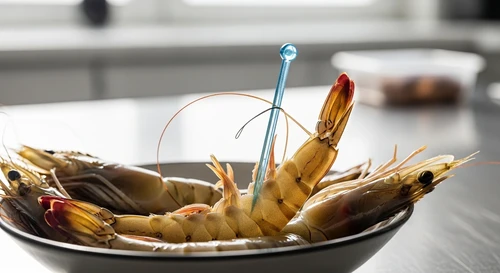
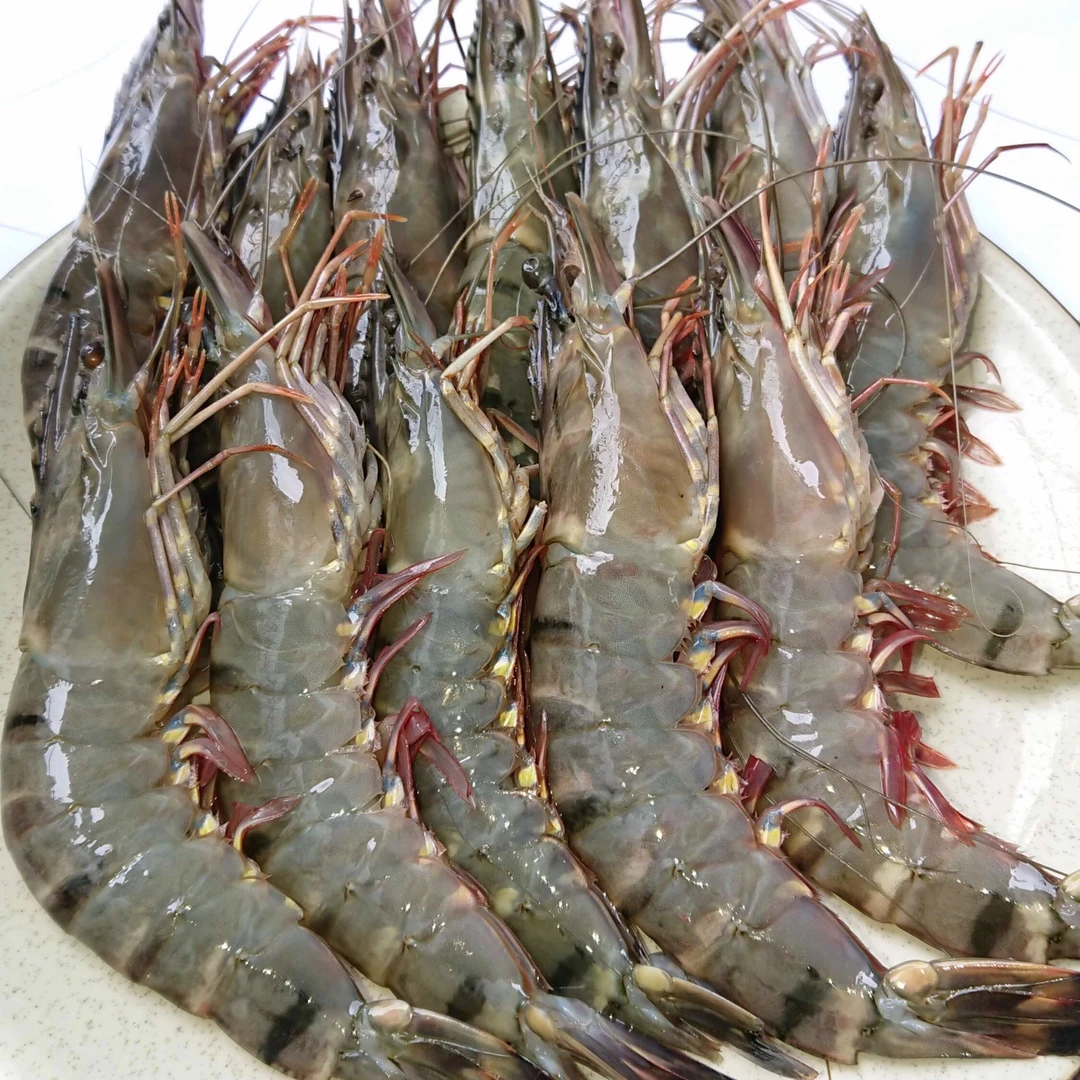
Whiteleg Shrimp
Whiteleg Shrimp
A widely used shrimp in Vietnamese home kitchens, suitable for stir-fries, soups, steamed dishes, and practical cooking articles that need a familiar shrimp reference.
Translucent jewels of the coast, thin-shelled and remarkably sweet, making every simple home meal feel like a seaside celebration.
Heritage Ingredient
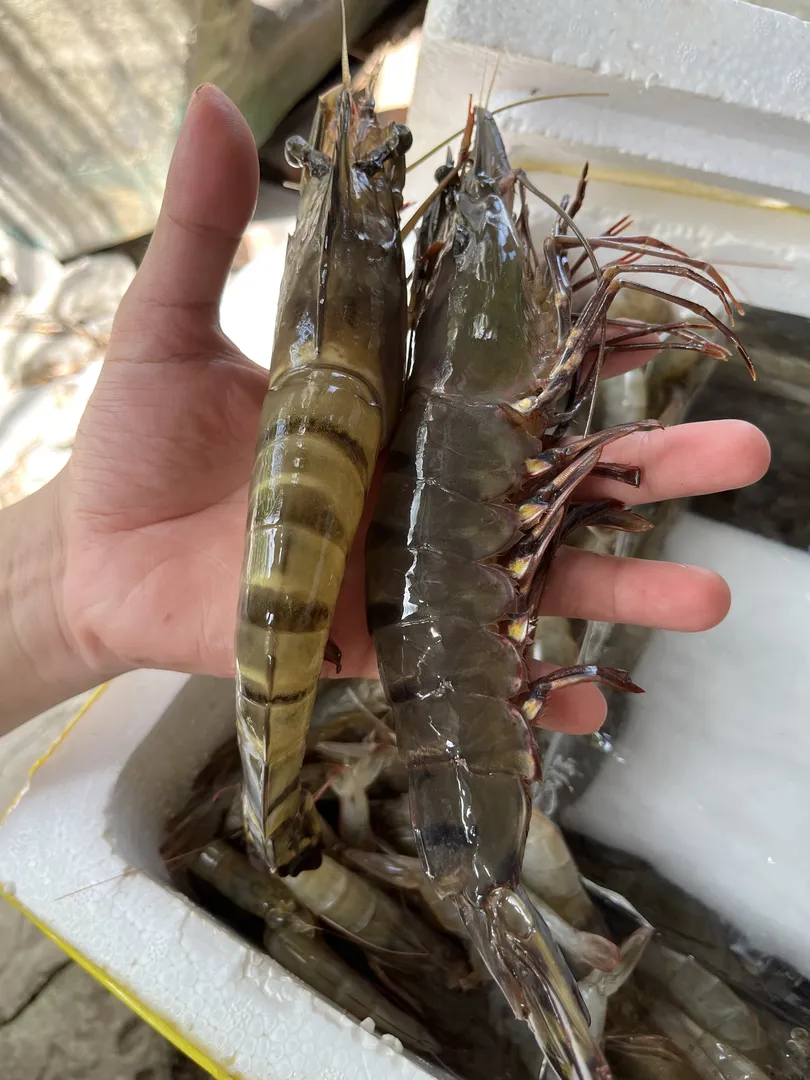
Ca Mau Black Tiger Shrimp
Ca Mau Black Tiger Shrimp
Large black tiger shrimp associated with mangrove aquaculture in Ca Mau, known for firm flesh and a cleaner, sweeter finish than intensively farmed shrimp.
Wild spirits of the mangroves, these black-banded gems deliver a firm, snappy texture and a sweetness that echoes the forest's vibrant life.
3 The Bold and the Subtle
Every great dish needs a solid foundation, and in Vietnamese cooking, that often means garlic. For this recipe, we’re not just mincing it; we’re charring it. A quick blast in a hot wok until the edges are just kissed with dark brown imparts a smoky depth that’s miles away from raw pungency. This 'charred garlic' is a revelation, adding a rustic, almost primal note that grounds the ethereal jasmine.
The marinade for the shrimp is equally straightforward, adhering to the principle of letting ingredients shine. A splash of classic fish sauce (nuoc mam), the soul of Vietnamese cuisine, provides umami and saltiness. A pinch of freshly ground black pepper adds a whisper of heat, balancing the sweetness of the shrimp and the floral notes of the jasmine.
And for context, while this recipe uses shrimp, it’s worth noting the diverse ways shrimp are preserved and used across the Delta. Fermented sour shrimp, for example, is a tangy, complex condiment that speaks to a different facet of the region's culinary ingenuity, showcasing how every part of the shrimp can be celebrated.

Heritage Ingredient
Fermented Sour Shrimp (Mekong Style)
Fermented Sour Shrimp (Mekong Style)
A Southern Vietnamese fermented shrimp preserve made with garlic, chili, and shredded green papaya, often served with boiled pork, rice paper, or plain rice.
A vibrant dance of flavors—sour, spicy, and sweet—where tender shrimp and crunchy papaya create a masterpiece of Southern preserved heritage.
4 The Quick Dance: Crafting Your Cool Lunch
1 Marinate the Shrimp
Peel and devein your whiteleg shrimp. In a small bowl, toss them with 1 tablespoon of fish sauce and ½ teaspoon of freshly ground black pepper. Let them sit for about 10 minutes while you prep other ingredients. This quick marinade is key to infusing flavor without making the shrimp mushy.
2 Char the Garlic
Finely mince about 4-5 cloves of garlic. Heat 2 tablespoons of neutral oil (like vegetable or canola) in a wok or large skillet over medium-high heat. Add the minced garlic and stir constantly until it turns golden brown and then a deeper brown, almost charred at the edges. Be careful not to burn it – this should take about 1-2 minutes. Remove the garlic and oil mixture from the wok, leaving behind the crispy bits, and set aside. Keep the wok hot.
3 Bloom the Jasmine
Using a handful of fresh Tonkin jasmine flowers (ensure they are edible varieties and pesticide-free), briefly toss them in the hot wok with a tiny splash of oil (about 1 teaspoon). Stir-fry for just 10-15 seconds until they are fragrant and slightly wilted. Remove immediately and set aside. This very quick fry unlocks their aroma without cooking them to mush.
4 Stir-Fry and Combine
Add the marinated shrimp to the hot wok. Stir-fry for 1-2 minutes until they turn pink and opaque. Do not overcook. Return the charred garlic and oil mixture to the wok. Toss everything together. Finally, gently fold in the flash-fried jasmine flowers. Stir for another 15 seconds to meld the flavors.
5 Serve Immediately
Plate the shrimp and flowers immediately. This dish is best enjoyed fresh, while the aromas are at their peak and the shrimp are perfectly tender. Serve with a side of steamed jasmine rice for a complete, refreshing meal.
5 More Than a Meal: A Culinary Sigh of Relief
This dish embodies a particular philosophy of food that is deeply ingrained in Mekong Delta life. It’s about respecting the season, utilizing what's fresh and available, and finding balance. On a scorching afternoon, a heavy, oily meal is the last thing anyone wants. Instead, the Delta offers these lighter, fragrant dishes that offer a sense of calm and refreshment.
The use of ingredients like jasmine flowers speaks to a wider appreciation of botanicals in Vietnamese cuisine. Beyond just flavor, they are incorporated for their perceived health benefits and aromatic qualities. It’s a holistic approach to eating, where the meal is not just sustenance but also a form of comfort and well-being. Imagine sitting by the river, a gentle breeze rustling through the palm trees, a plate of this fragrant shrimp before you – it’s the very essence of a cool Delta lunch.
6 Expert Touches for Your Wok
- High Heat, Quick Cook: The key to tender shrimp and fragrant flowers is speed. Ensure your wok is very hot before adding ingredients. Work fast!
- Don't Overcrowd the Wok: Cook the shrimp in batches if necessary. Overcrowding will steam the shrimp instead of stir-frying them, leading to a rubbery texture.
- Source Your Flowers Carefully: If you can't find Tonkin jasmine, ensure you're using edible, food-grade flowers. Some jasmine varieties are not meant for consumption. If in doubt, omit them or use a very small amount of culinary-grade jasmine essence *sparingly* (though fresh is always best).
- Garlic Intensity: Taste your charred garlic. If it's too bitter, you cooked it a bit too long. Aim for a sweet, smoky, nutty flavor.
7 Serving the Sunlight
This dish is a celebration of lightness. It pairs beautifully with plain steamed jasmine rice, allowing the subtle flavors of the shrimp and flowers to take center stage. For a more complete meal, consider a simple side of crisp, blanched greens like bok choy or water spinach, dressed lightly with the reserved garlic oil.
Presentation is minimal and elegant. Serve the stir-fry directly from the wok or in a shallow bowl, ensuring the delicate jasmine flowers are visible amongst the pink shrimp. A final sprinkle of fresh cilantro or a few extra charred garlic bits can add visual appeal and another layer of aroma.
8 The Subtle Sedative Effect
While the primary goal here is a refreshing lunch, it's worth mentioning the traditional use of Tonkin jasmine flowers for their calming properties. On a sweltering day, when fatigue can set in heavy, this dish offers a gentle culinary embrace. It's not about knocking you out, but about taking the edge off the heat and the day's demands. It's a small, fragrant reminder that sometimes, the most potent remedies are the ones found closest to nature, whispering their secrets through a bloom.