" The first rule of delicate seafood: respect the ingredient. Whether it’s the prized mud crabs of Ca Mau or a noble lobster from distant waters, its inherent sweetness is a gift. And gifts, my friends, require gentle handling. "
1 The Culinary Tragedy of the Microwave
We've all been there. A beautifully frozen lobster tail, a rumbling stomach, and the siren call of the microwave. Resist. I implore you. That 'defrost' setting is the enemy of sweet, succulent seafood. It cooks the delicate protein unevenly, turning your precious meat into a rubbery, flavorless husk. Think of it as culinary malpractice.
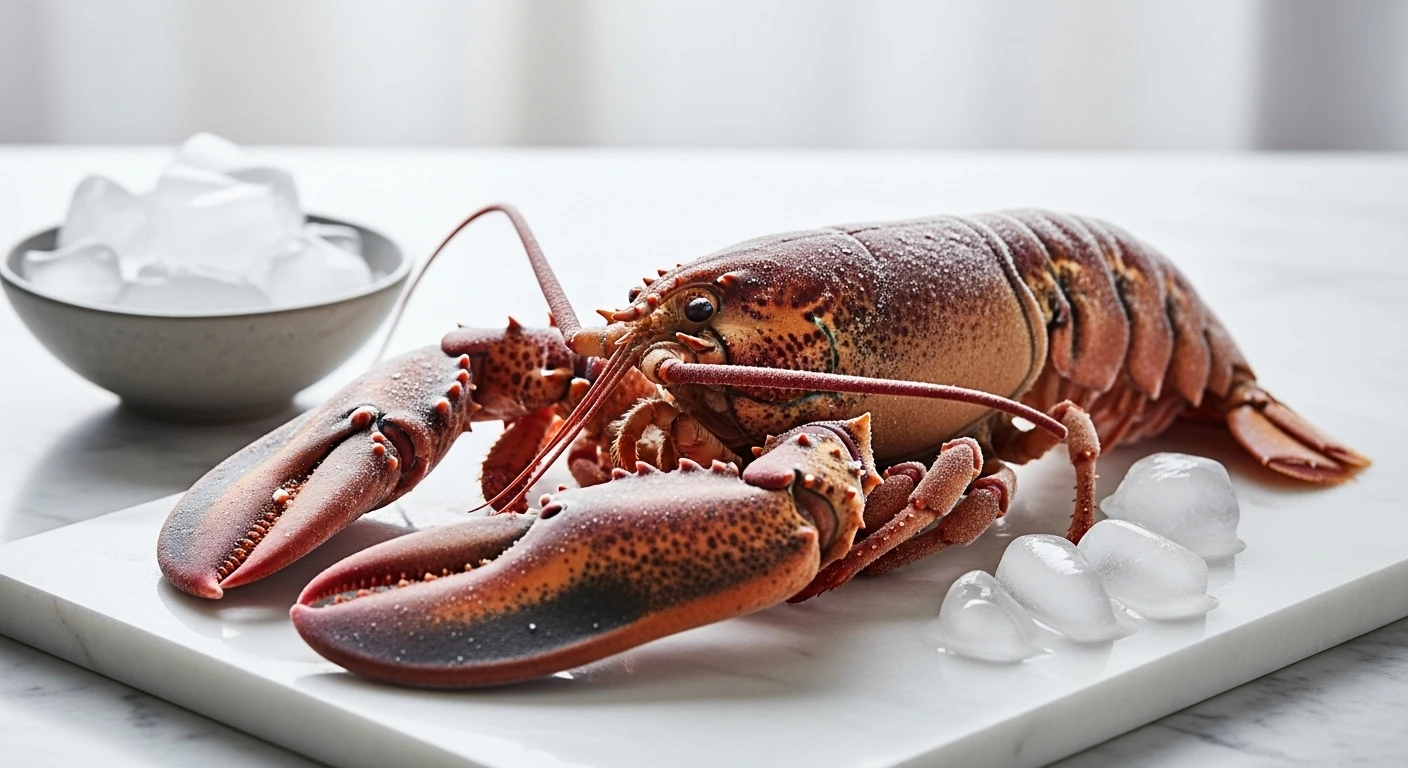
📸 A frosty start, but the end result can be magnificent.
The texture becomes grainy, the sweetness evaporates, and any subtle oceanic notes are obliterated. It’s the fast track to disappointment. For the discerning palate, especially one that appreciates the nuanced flavors of Southeast Asian seafood, this is a cardinal sin.
Consider the prized Ca Mau Mud Crab. Its dense, sweet meat is legendary. You wouldn't subject that to a microwave, would you? The same principle applies here. Delicate flavors demand delicate handling.
2 The Slow Thaw: Patience is a Virtue
The golden rule for thawing any delicate seafood, especially lobster, is to do it slowly and gently. This allows the ice crystals within the meat to melt gradually, reabsorbing back into the cells and preserving the moisture and texture. This is how you keep that pristine, sweet flavor intact.
Method 1: The Refrigerator Whisper
This is the safest and most recommended method. Place your frozen lobster (whole or in pieces) in a bowl or on a plate to catch any drips. Cover it loosely and refrigerate. Depending on the size, this can take anywhere from 8 to 24 hours. For a whole lobster, aim for 24 hours.
Pro-Tip: Ensure the fridge isn't packed too tightly around the lobster. Good air circulation aids in even thawing.
Method 2: The Cold Water Embrace
If you're pressed for time but still want to avoid the microwave, this is your next best bet. Keep the lobster sealed in its original packaging or a heavy-duty zip-top bag. Submerge the sealed bag in a bowl of *cold* water. Change the water every 30 minutes to ensure it stays cold. This method is faster than refrigeration, typically taking 1 to 3 hours depending on size.
Crucial Point: Never use warm or hot water. This risks partial cooking and bacterial growth. Cold water only!
3 The Mekong Principle: Gentle Handling of Precious Catches
While lobsters aren't indigenous to the Mekong Delta's freshwater systems, the philosophy of respecting precious seafood is deeply ingrained in its culture. The rivers and coastal waters of regions like Ca Mau, Bac Lieu, and Soc Trang yield treasures like the famed mud crabs and plump Mekong Giant Freshwater Prawns. The way these are handled from catch to table is a masterclass in preserving their delicate essence.
Preserving the Delta's Bounty:
- Freshness is Paramount: Seafood is often cooked moments after being taken from the water, minimizing any loss of flavor or texture.
- Minimalist Cooking: Traditional methods like steaming, grilling, or quick stir-frying are favored to let the natural sweetness of ingredients like Ca Mau Black Tiger Shrimp shine through.
- Respecting Texture: Overcooking or improper thawing are understood to ruin the dish. A perfectly cooked Ca Mau Roe Crab, for instance, retains a tender, slightly firm bite.
- Natural Flavor Enhancers: When other ingredients are used, they are chosen to complement, not mask, the core flavor – think fresh lime, chili, and aromatics like lemongrass.
This same reverence for the ingredient is what dictates the correct way to thaw a lobster. It’s about respecting the journey from ocean to plate and ensuring that journey culminates in peak flavor and texture.
4 Ready for the Pan (or Pot)
Once thawed using the recommended methods, your lobster should feel slightly firm to the touch but still pliable. The meat should be opaque, not translucent or mushy. If it still feels icy in the center, it needs a little more time. If it feels soft and watery, you may have thawed it too quickly or used the microwave.

📸 The ideal texture: firm, slightly yielding, and perfectly opaque.
This careful thawing process ensures that when you get to the cooking stage – whether it's a quick sear, a gentle steam, or a rich seafood stew – the lobster meat will be tender, moist, and bursting with its natural, sweet flavor. It’s the foundation for any truly great lobster dish.
The 'Never Do' List
A quick reminder of what will sabotage your lobster's sweetness:
❌ Microwave
Uneven cooking, rubbery texture, loss of sweetness.
❌ Hot or Warm Water Thaw
Partial cooking, bacterial risk, mushy texture.
❌ Thawing at Room Temperature
Bacteria growth, uneven thawing, safety hazard.
6 The Foundation: Quality Matters
No matter how perfect your thawing technique, it all starts with the quality of the lobster itself. Whether you're sourcing locally or buying frozen, look for signs of freshness. For frozen lobster, ensure it's been frozen quickly at peak freshness. The careful handling we've discussed applies to *all* premium seafood, from the delicate sweetness of a Mekong prawn to the rich roe of a Ca Mau Roe Crab.
To illustrate the kind of prized seafood where these techniques are vital, consider the Ca Mau Jumbo Mud Crab:
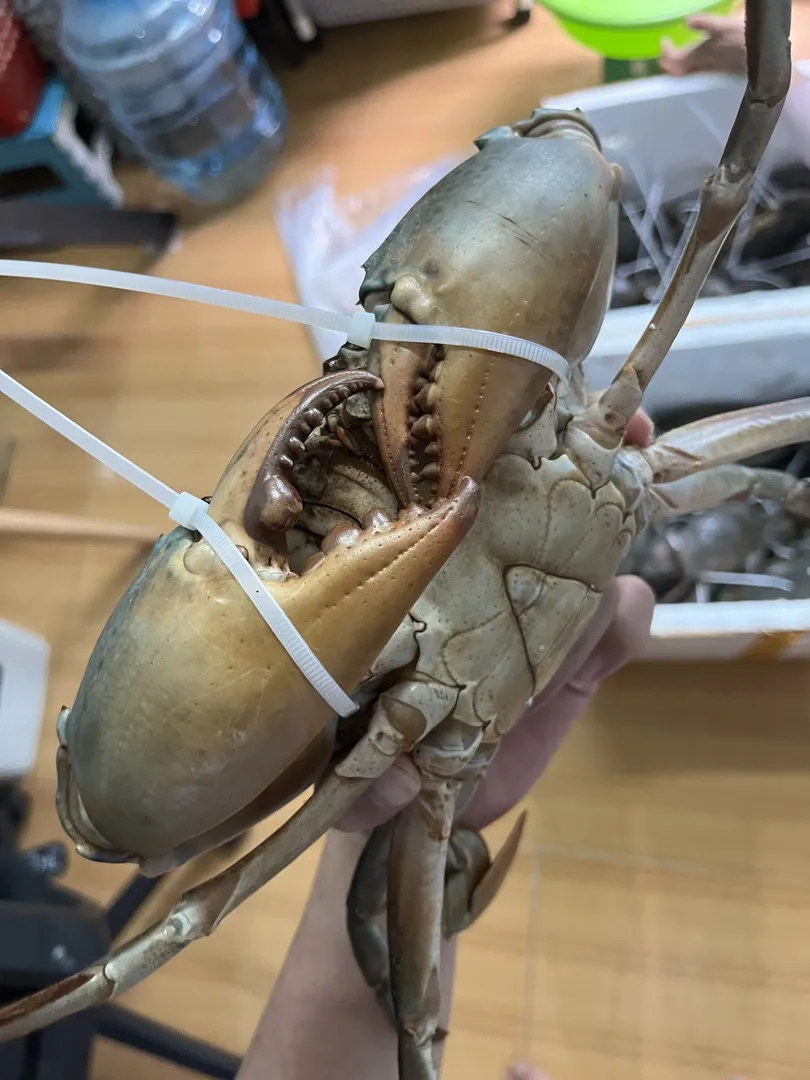
Heritage Ingredient
Ca Mau Jumbo Mud Crab
Ca Mau Jumbo Mud Crab
A large male mud crab prized for dense, sweet meat and thick claws, commonly used in steamed crab and grilled crab dishes across the Mekong Delta.
An icon of coastal culinary heritage, featuring firm, sweet meat that captures the raw power and freshness of Ca Mau's tides.
By understanding and applying these simple thawing methods, you ensure that the inherent sweetness and delicate texture of your lobster are preserved, ready to be transformed into a culinary masterpiece.
7 From Frozen to Feast: The Payoff
The reward for your patience and careful handling? Lobster meat that is tender, succulent, and brimming with its natural sweetness. Imagine it:
- Delicate claw meat that flakes perfectly.
- Sweet tail meat that melts in your mouth.
- A flavor profile that speaks of the ocean, not the microwave.
Whether you're planning a simple grilled lobster, a classic Thermidor, or a fragrant seafood curry, starting with properly thawed lobster is non-negotiable. It's the first, crucial step towards culinary success and a truly unforgettable dining experience.
8 A Delta's Wisdom
In the bustling waterways and fertile lands of the Mekong Delta, there's a profound understanding that the finest ingredients require the gentlest touch. The way a fisherman handles his precious catch, the way a cook prepares it with minimal fuss, all speaks to a deep respect for nature's bounty. This philosophy extends beyond the delta's unique produce; it's a universal truth for any chef or home cook who values flavor above all else. So, next time you reach for that frozen lobster, remember the quiet wisdom of the delta: patience, respect, and cold water are your greatest allies in preserving that precious, sweet taste of the sea.