" Forget your sous-vide baths and your induction hobances. This is primal cooking. This is the Mekong Delta showing the world how it’s done, using the very earth and fire to create magic. "
1 The Theater of the Delta Kitchen
Picture this: a rustic clay pot, the kind you might find on a farmer's stove in An Giang, glowing with heat. Not from gas, not from electricity, but from pebbles – riverbed stones, heated to an inferno on an open fire.
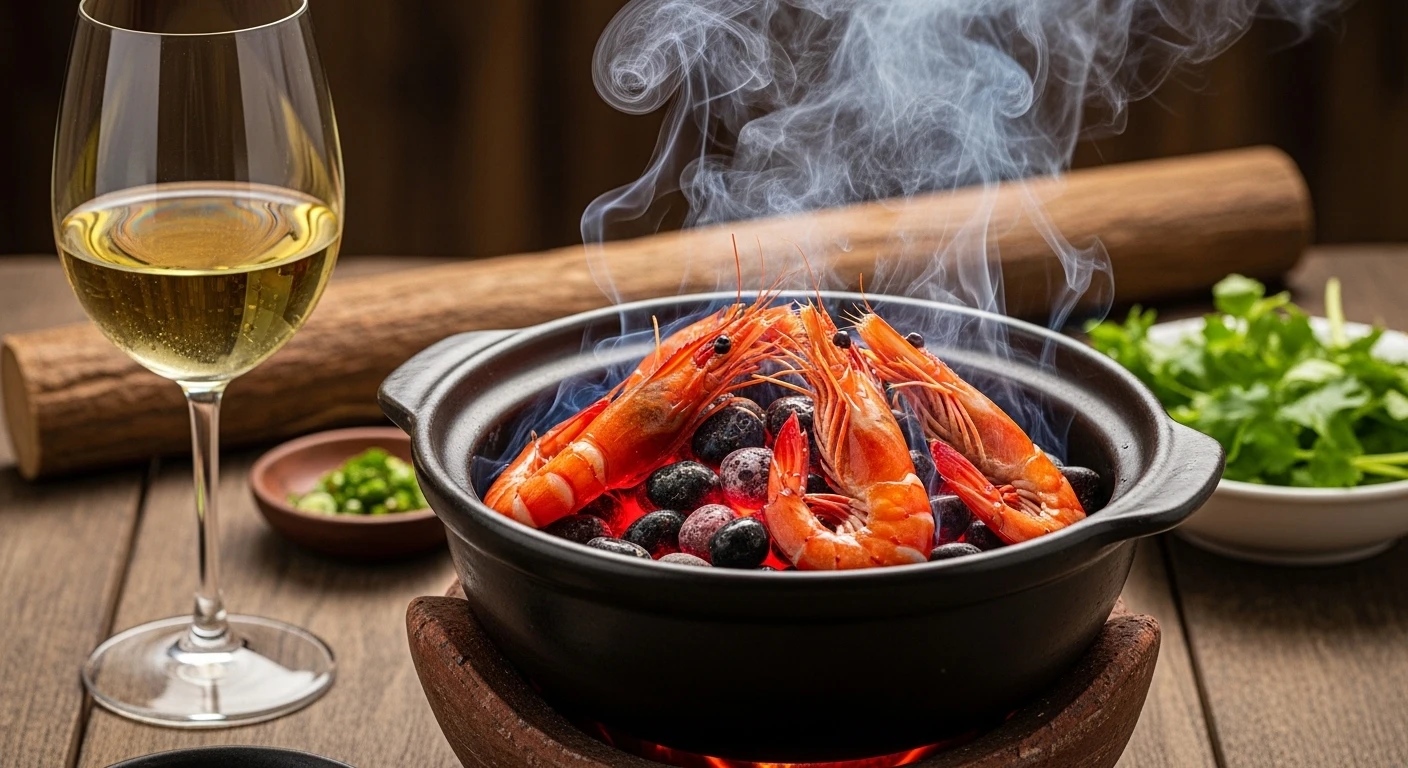
📸 The show begins: Red-hot pebbles and vibrant shrimp await their fate.
This isn't just cooking; it's performance art. The intense, dry heat of the pebbles, combined with the sudden injection of liquid – a splash of crisp white wine – creates an immediate, furious burst of steam. It's a culinary alchemy that happens in mere seconds.
The Mekong Delta, a vast network of rivers and fertile plains, has always taught us to work with what the land and water provide. Here, the earth itself becomes the cooking vessel, a testament to ingenuity born from necessity and a deep respect for natural elements.
2 The Secret Ingredients of the Delta's Bounty
At its heart, this dish is about the pristine quality of the seafood. In the Mekong Delta, that means shrimp that taste of the brackish waters, not of overcrowded ponds.
The Star: Shrimp
We're talking about plump, succulent shrimp. In Ca Mau or Bac Lieu, fishermen pull in incredible catches from the mangrove-lined coasts. Think of the legendary Ca Mau Black Tiger Shrimp, or the Mekong’s own freshwater giants.
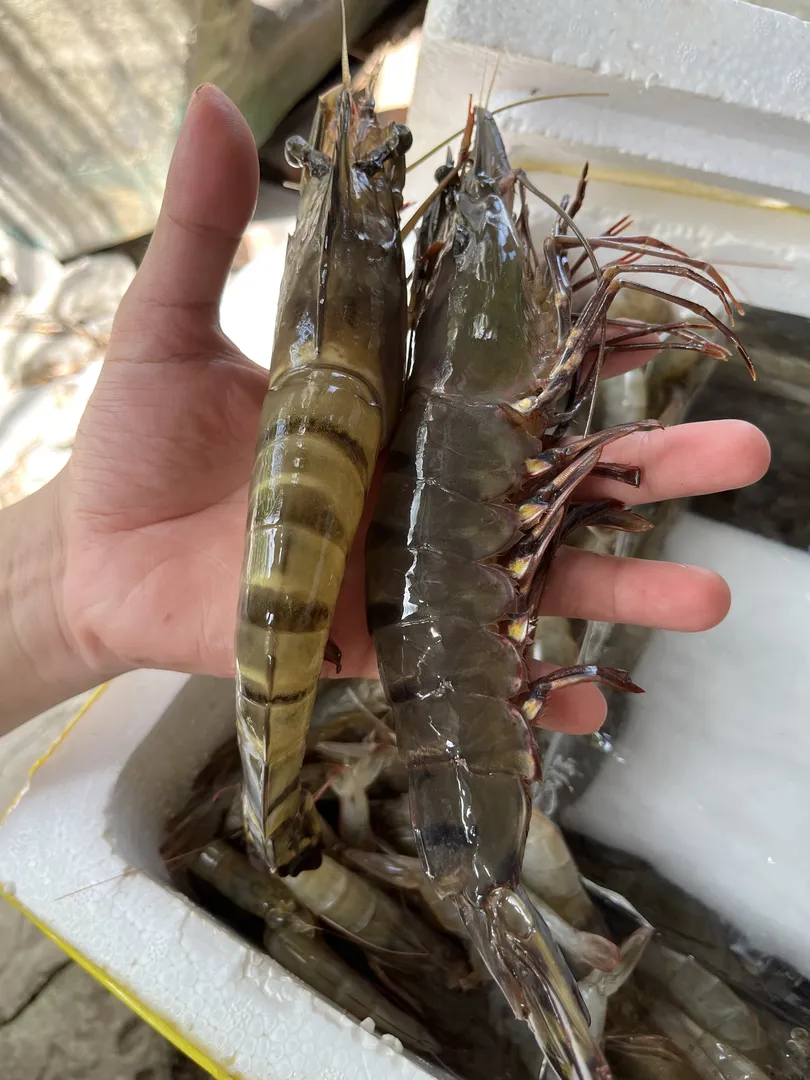
Heritage Ingredient
Ca Mau Black Tiger Shrimp
Ca Mau Black Tiger Shrimp
Large black tiger shrimp associated with mangrove aquaculture in Ca Mau, known for firm flesh and a cleaner, sweeter finish than intensively farmed shrimp.
Wild spirits of the mangroves, these black-banded gems deliver a firm, snappy texture and a sweetness that echoes the forest's vibrant life.
The Enhancer: White Wine
A dry, crisp white wine is key. It's not about a heavy wine flavor, but the alcohol and acidity that help to tenderize the shrimp and carry the subtle aromatics. Think Sauvignon Blanc or a dry Pinot Grigio. The wine acts as a fragrant steam conduit.
The magic lies in the simplicity. No heavy marinades, no complex sauces – just the pure essence of the shrimp, kissed by wine-infused steam, with a subtle mineral note from the heated stones.
3 The Ancient Technique: Stone Steaming
This method is more ancient than you might think, echoing techniques used by indigenous peoples across the globe. It's about harnessing direct, intense heat to cook food rapidly and cleanly.
1. The Hearth
Build a strong fire. Choose smooth, dense river pebbles – anything porous or with trapped moisture can explode. Heat them for at least an hour until they glow cherry-red. This is the engine of your cooking.
2. The Vessel
A small, thick-walled clay pot is ideal. It retains heat and contributes a subtle earthiness. Ensure it's robust enough to handle the sudden temperature shock.
3. The Performance
With extreme care (using tongs, of course), transfer the red-hot pebbles into the clay pot. Immediately add the raw shrimp, followed by a generous splash of white wine. Snap on the lid quickly!
4 The Moment of Truth: The Steam Blast
This is where the magic happens. The white wine hits the incandescent pebbles, vaporizing instantly. This creates a powerful, fragrant steam that surrounds and cooks the shrimp in under a minute. It's a controlled explosion of flavor and aroma.
Timing is Everything
The key is speed. The pebbles go in, the wine splashes, the lid seals. You're looking for about 45 seconds to 1 minute of intense steaming. Overcook, and you'll have rubbery shrimp; undercook, and they'll be raw. This is a dish that demands your full attention.
The Flavor Profile
The result is shrimp that are unbelievably tender, infused with a delicate wine aroma, and a subtle, clean taste that speaks volumes of their freshness. It’s a pure expression of the sea, amplified by the earth.
5 Serving Suggestions from the Delta
This dish is best enjoyed immediately, while the steam is still escaping and the flavors are at their peak. It’s a dish for sharing, for gathering around, for savoring the fleeting moment.
Local Favorites
- Freshly Brewed Beer: A cold lager, like a Saigon Export or Tiger, is the classic pairing, cutting through the richness and complementing the steamed seafood.
- Simple Rice Paper Rolls: For a more substantial meal, serve with rice paper, fresh herbs (mint, basil), and a light dipping sauce.
Modern Pairings
- A Zesty Salad: A simple green salad with a lime vinaigrette offers a refreshing contrast.
- Crisp White Wine: If you enjoyed the wine in the cooking, a chilled glass of the same wine makes for an elegant pairing.
6 More Delta Delights
The Mekong Delta is a treasure trove of unique culinary experiences. From the vibrant floating markets to the rustic charm of riverside villages, the food here is an integral part of life.

Heritage Ingredient
Mekong Giant Freshwater Prawn
Mekong Giant Freshwater Prawn
A river prawn with long blue claws and rich head fat, common in grilled prawn dishes and hotpot traditions across the Mekong basin.
Majestic blue-clawed warriors of the Mekong, famous for their rich, fatty heads and a savory depth that captures the essence of the delta's rivers.
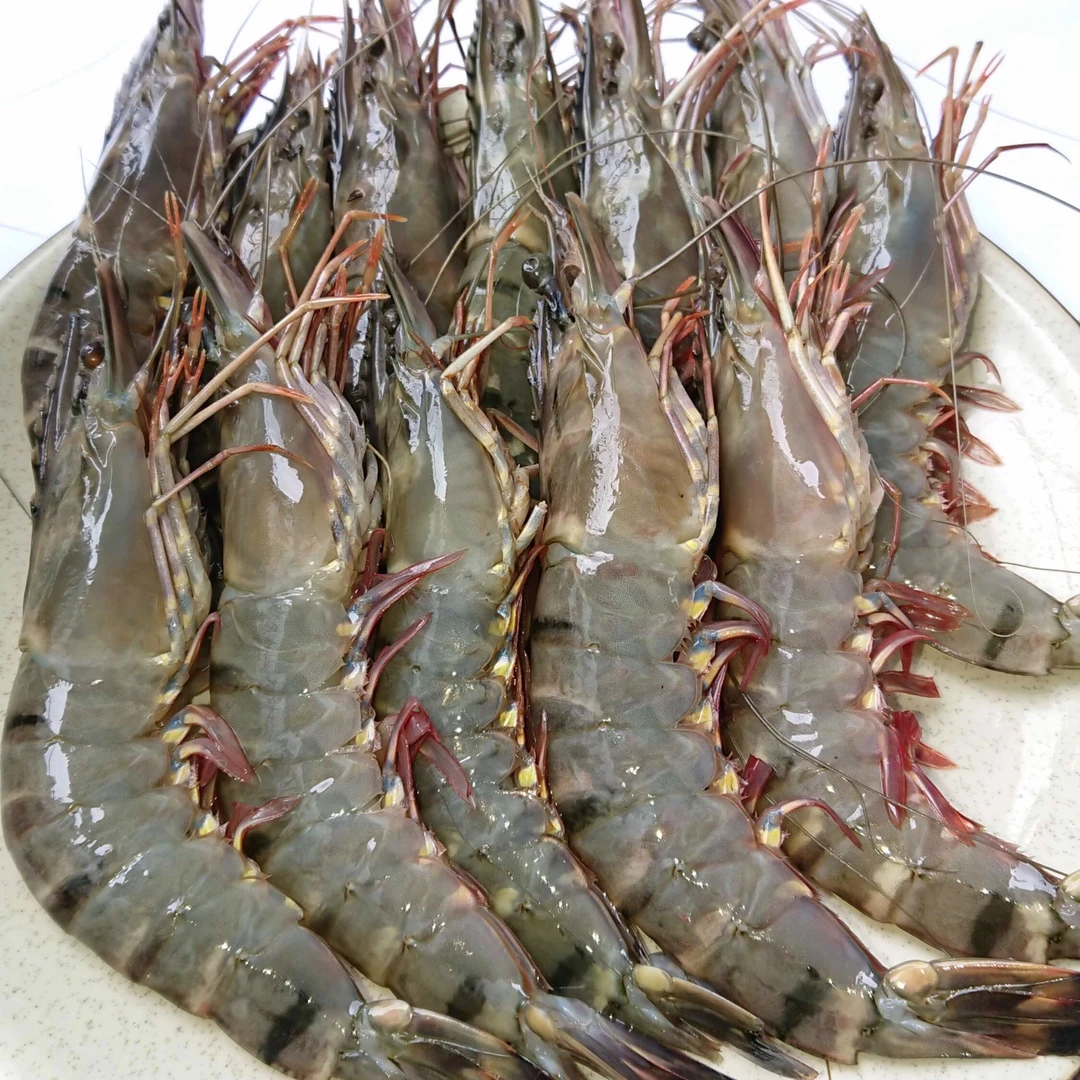
Heritage Ingredient
Whiteleg Shrimp
Whiteleg Shrimp
A widely used shrimp in Vietnamese home kitchens, suitable for stir-fries, soups, steamed dishes, and practical cooking articles that need a familiar shrimp reference.
Translucent jewels of the coast, thin-shelled and remarkably sweet, making every simple home meal feel like a seaside celebration.
Explore Local Flavors
Discover the diverse seafood and traditional cooking methods that make the Mekong Delta a culinary hotspot.
Discover More7 Safety and Sustainability Notes
This method requires care and respect for fire and extreme heat. Always use appropriate tools and ensure adequate ventilation. When sourcing seafood, prioritize local, sustainable options. The Mekong Delta’s ecosystems are delicate; supporting responsible fishing practices helps preserve this natural heritage for generations to come.
8 The Essence of Delta Cooking
Pebble-steamed shrimp is more than a recipe; it's a philosophy. It’s about stripping away the unnecessary, embracing the elemental, and letting the pure, unadulterated flavors of the ingredients – and the land they come from – take center stage. It’s a taste of the Mekong, raw and unforgettable.
More Culinary Adventures
View More Food & Culinary
Pebble-Steamed Shrimp with White Wine Spray
Red-hot grilled pebbles placed in a clay pot; pour in shrimp and white wine, close the lid, and steam cook in 1 minute.
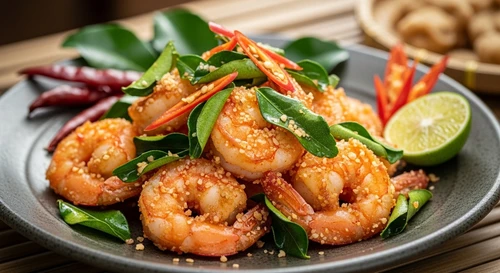
Fried Shrimp Tossed in Chili Salt & Lime Leaves
Crispy fried shrimp tossed in dry roasted chili salt and julienned lime leaves, creating a vibrant aroma in the winter kitchen.
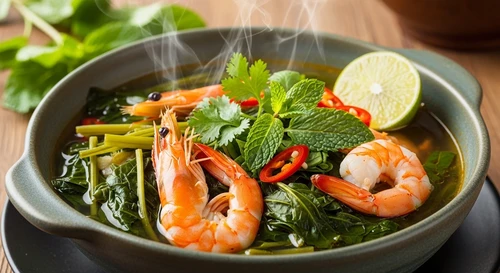
Shrimp Sour Soup with Wood Sorrel (Me Dat)
Wild wood sorrel leaves provide a uniquely refreshing sourness when cooked with smashed whiteleg shrimp.
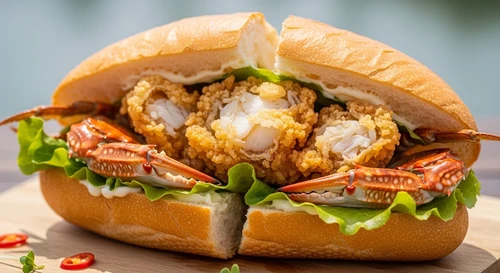
Crispy Fried Soft-Shell Blue Crab Sandwich
Molting, soft-bodied blue crabs battered and fried golden, sandwiched with lettuce and mayo in a crispy baguette.
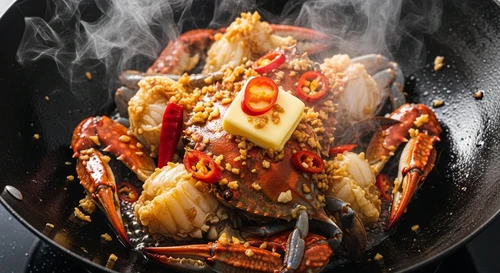
Tongue-Tearing Spicy Garlic Butter Blue Crab
Stir-fry crabs with a massive amount of unsalted butter, fried garlic, and minced horned chilies for a smoking hot drinking dish.
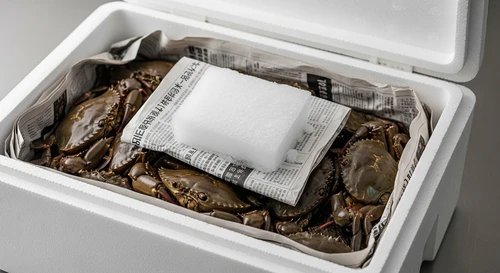
How to Transport Live Crabs Long Distances Using Dry Ice
The technique of anesthetizing crabs with ice and packing them in styrofoam with newspapers so they survive a 12-hour flight.
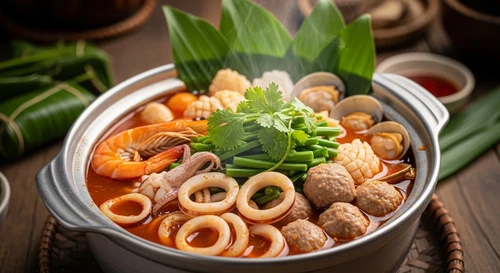
Homemade Spicy & Sour Mixed Seafood Hotpot
A high-quality hotpot base simmered from pork bones, tomatoes, pineapple, and fermented rice, loaded with squid, shrimp, clams, and beef balls.
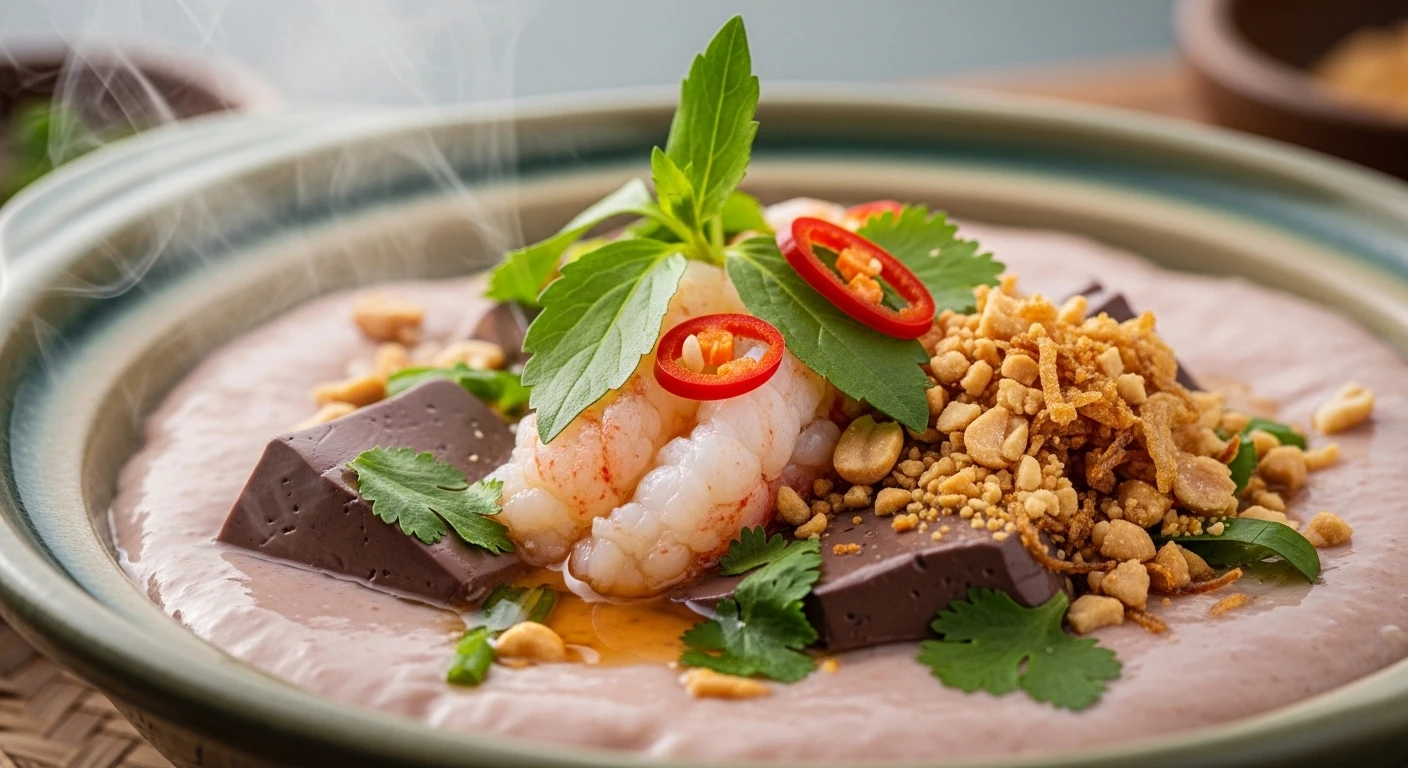
Famous Phu Yen Lobster Blood Pudding (Tiet Canh)
Discover the exotic dish of extracting white lobster blood and mixing it with minced lobster meat and fresh herbs.
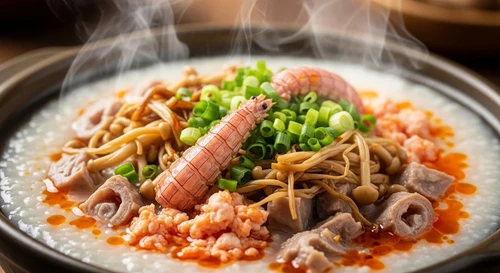
Mantis Shrimp, Pork & Straw Mushroom Porridge
Pork cartilage porridge cooked until the rice grains burst, with minced mantis shrimp and garlic-sautéed straw mushrooms for tired days.