" This isn't just food; it's a testament to ingenuity. In the Mekong, nothing goes to waste. Molting crabs, discarded by some, become a delicacy for others. And this sandwich? It's the crown jewel of that philosophy. "
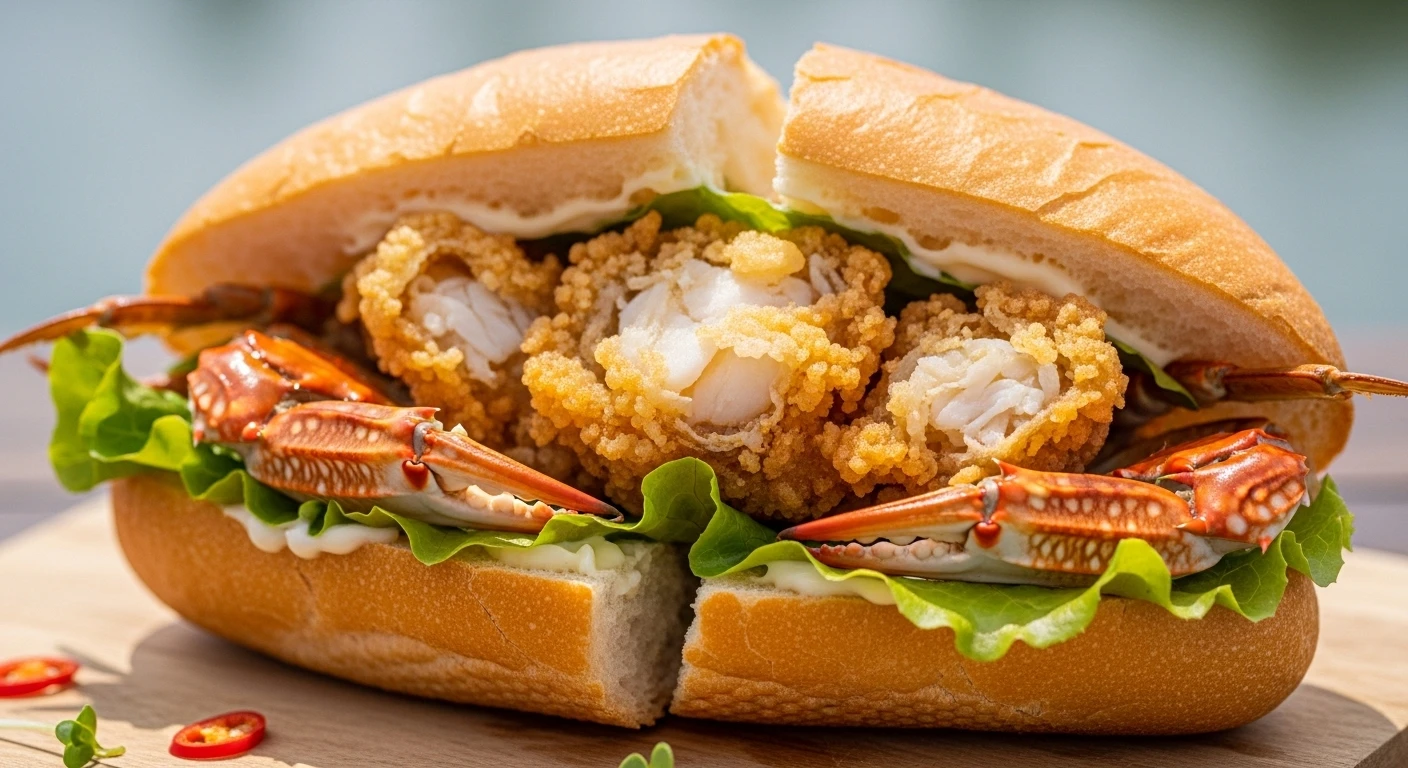
📸 A golden-brown marvel, ready to be devoured.
1 From Mud Flats to Gourmet Delights: The Soft-Shell Crab Story
The Mekong Delta, a labyrinth of rivers, canals, and fertile floodplains, is a paradise for seafood. Among its many treasures are the blue crabs, whose life cycle gifts us with a fleeting, extraordinary ingredient: the soft-shell crab.
These aren't just any crabs; they are crabs in transition, shedding their hard exoskeletons to grow. For a brief period, their new shell is soft, pliable, and entirely edible. This molting phase, often occurring during specific seasons, is when they're at their most vulnerable, yet also at their most delicious. In the Delta, local fishermen have long harvested these "molting crabs," or cua lột, recognizing their unique culinary potential.
The "Cua Lột" Phenomenon
This delicate stage of the crab's life is crucial. It requires specific salinity and water conditions, which the Mekong Delta provides in abundance. Farmers often cultivate crabs in brackish waters, carefully monitoring their molting cycle.
Heritage Ingredient
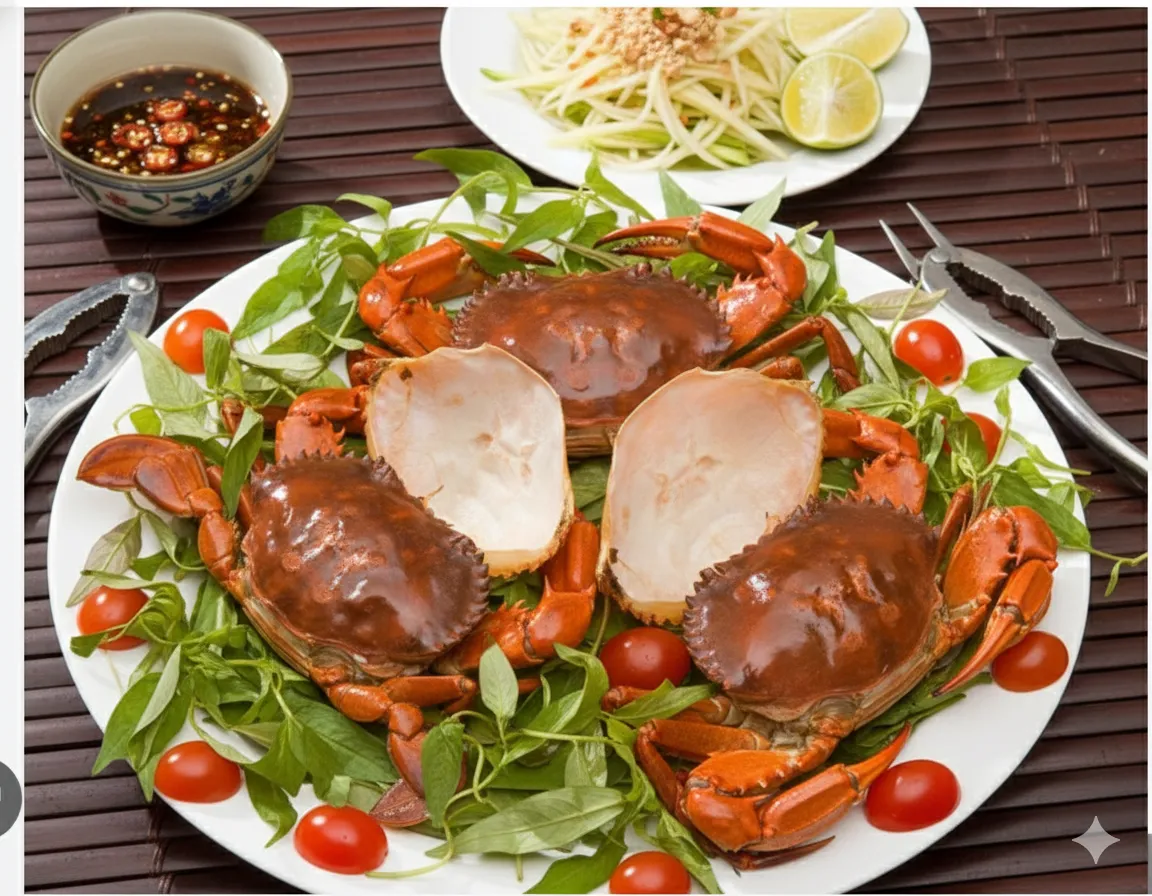
Soft-Shell Butter Crab (Molting Crab)
Soft-Shell Butter Crab (Molting Crab)
A rare molting mud crab from Ca Mau, valued for its edible soft inner shell and exceptionally creamy roe, making it the closest local equivalent to soft-shell crab concepts familiar abroad.
Nature's rare masterpiece—a delicate transition where a soft inner layer protects golden, custard-like roe in a fleeting moment of flavor.
Harvesting Wisdom
Expert knowledge passed down through generations dictates the best time and method to collect these crabs. It's a sustainable practice that honors the natural rhythm of the environment.
Heritage Ingredient
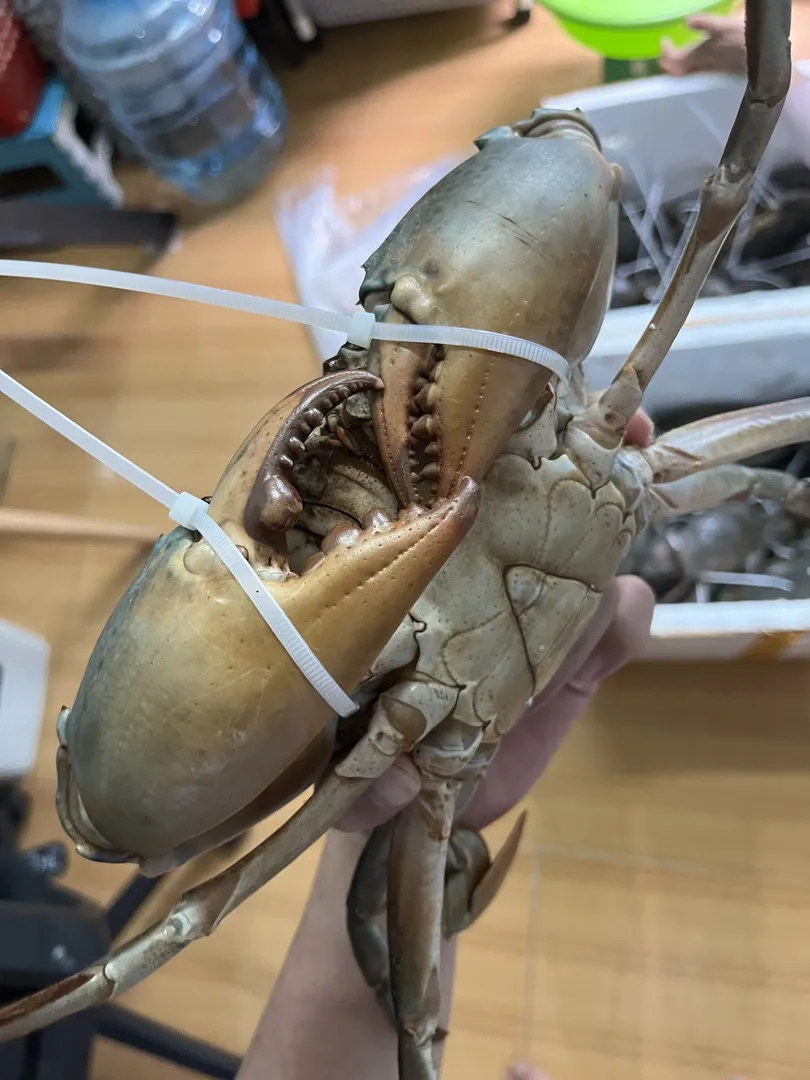
Ca Mau Jumbo Mud Crab
Ca Mau Jumbo Mud Crab
A large male mud crab prized for dense, sweet meat and thick claws, commonly used in steamed crab and grilled crab dishes across the Mekong Delta.
An icon of coastal culinary heritage, featuring firm, sweet meat that captures the raw power and freshness of Ca Mau's tides.
2 Anatomy of a Masterpiece: What Makes It Sing?
The beauty of this sandwich lies in its simplicity and the perfect harmony of its components. It’s a street food elevated, a quick bite that delivers a punch of flavor and texture.
The Star: Crispy Soft-Shell Crab
Whole molting blue crabs, cleaned and battered. The batter is key – light, crisp, and seasoned to perfection. Fried until golden brown, offering a satisfying crunch that gives way to tender, sweet crab meat.
The Foundation: Crispy Baguette
A classic Vietnamese baguette, often referred to as bánh mì. It must be light, airy inside with a crackling, toasted crust. Warm and yielding, it cradles the filling without becoming soggy.
The Accompaniments: Freshness & Zing
A slather of creamy mayonnaise, crisp lettuce for freshness, and often a touch of pickled vegetables (like daikon and carrot) or fresh chili for acidity and a hint of heat. These balance the richness of the crab and batter.
3 Mastering the Batter & Fry
The magic of this sandwich hinges on that irresistible crunch. The batter must adhere well, puff up beautifully, and create a golden carapace that protects the tender crab within.
The Batter Blend
A common base includes rice flour (for crispness), cornstarch (for lightness), a touch of all-purpose flour, and seasonings like salt, pepper, and perhaps a pinch of turmeric for color. Some variations use a beer batter, adding extra crispiness and flavor.
The Fry Process
Oil temperature is crucial – around 175-180°C (350-360°F). The crabs are dipped, ensuring they are fully coated, then carefully placed in the hot oil. They cook quickly, usually just a few minutes per side, until uniformly golden and crisp.
4 Echoes of the Mekong: Authenticity in Every Bite
While this sandwich might appear in various forms across Vietnam, its soul is deeply rooted in the Mekong Delta's culinary landscape. The abundance of fresh seafood, the ingenious use of local ingredients, and the vibrant street food culture all contribute to its iconic status.
Imagine this: a bustling market in Can Tho, the air thick with the scent of cooking oil, fresh herbs, and the distant aroma of the river. Vendors skillfully assemble these sandwiches, the satisfying crunch of frying crabs a constant soundtrack. It's food that is both practical for a busy lifestyle and deeply satisfying, a true reflection of the Delta’s spirit.
Heritage Ingredient
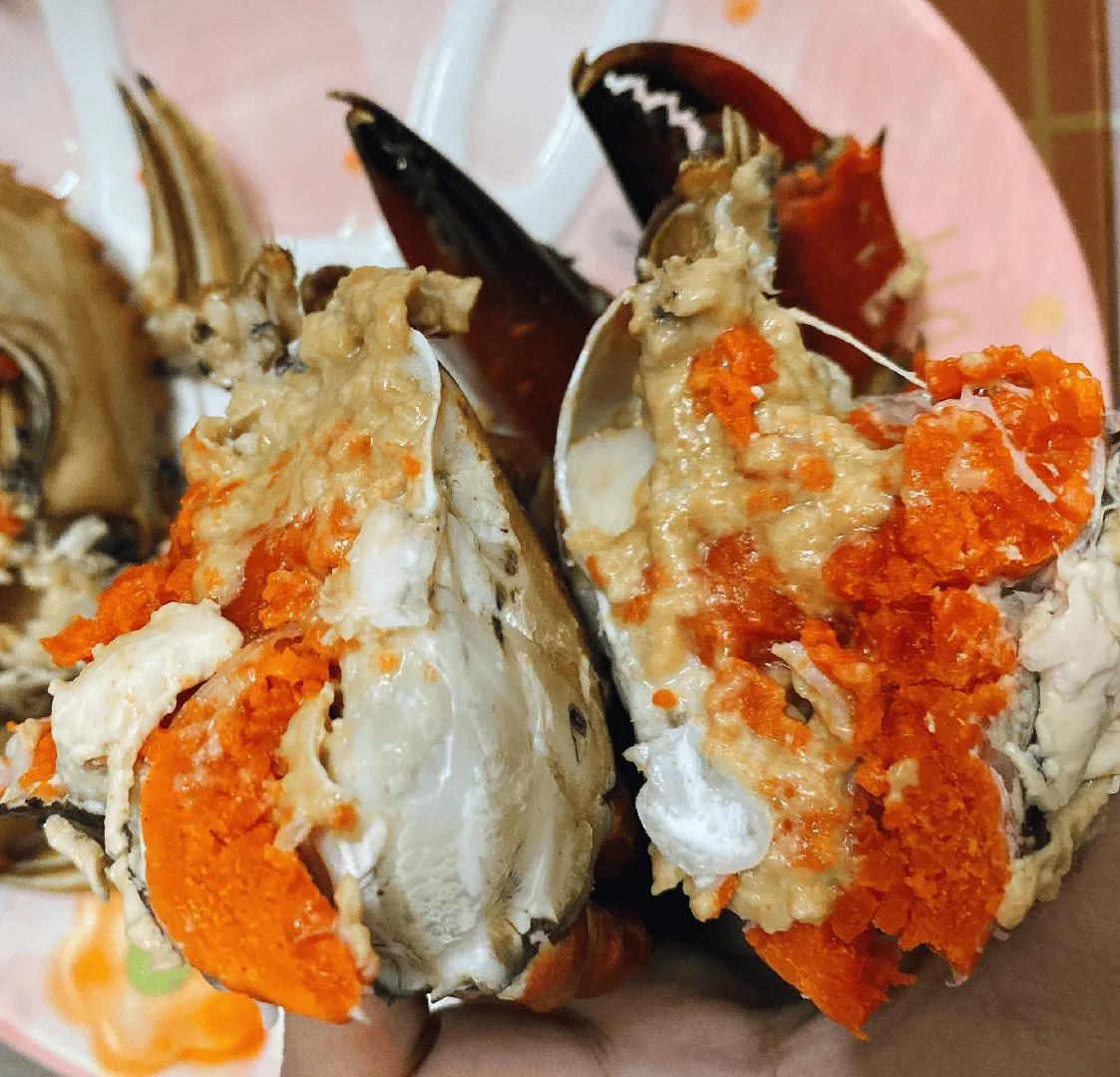
Ca Mau Roe Mud Crab
Ca Mau Roe Mud Crab
A female mud crab known for deep orange roe and a rich, creamy finish, often featured in celebratory Southern Vietnamese seafood meals.
A crimson treasure hidden within a shell, boasting rich, creamy roe that melts on your tongue like a golden sunset over the delta.
The practice of utilizing every part of a catch, transforming a "lesser" ingredient into a delicacy, is a hallmark of Delta cuisine. Soft-shell crabs, once a simple byproduct, now command respect and are celebrated in dishes like this sandwich, a perfect blend of savory, crispy, and fresh.
5 Beyond Pâté: The Evolving World of Banh Mi
The Banh Mi sandwich is a fascinating fusion of French colonial heritage (the baguette) and Vietnamese culinary innovation. While classic versions feature grilled pork, pâté, and various cold cuts, the spirit of Banh Mi is its adaptability. It has become a canvas for countless regional specialties and creative fillings.
The soft-shell crab sandwich is a prime example of this evolution. It elevates a seasonal ingredient into a globally recognized fast-food icon. Its popularity lies in the satisfying contrast: the tender, sweet crab meat, the yielding bread, the crisp lettuce, and the often spicy, tangy condiments. It's a flavor profile that resonates universally, yet retains its distinctly Vietnamese character.
6 The Perfect Bite: How to Enjoy It
This sandwich is best enjoyed immediately after preparation, while the crab is still hot and perfectly crisp, and the baguette is fresh. It's a standalone star, but a few thoughtful additions can enhance the experience:
Condiments are Key
- Spicy Mayo: A sriracha or chili-infused mayonnaise adds a delightful kick.
- Pickled Daikon & Carrot (Đồ Chua): The classic sweet and sour pickle provides a refreshing counterpoint to the richness.
- Fresh Herbs: Cilantro or mint can add a burst of freshness.
- Fresh Chilies: For those who like it extra hot!
Beverage Pairings
- Cold Bia Saigon or Tiger Beer: The quintessential Vietnamese accompaniment.
- Fresh Lime Soda (Soda Chanh): Zesty and refreshing.
- Iced Green Tea: A lighter, palate-cleansing option.
7 From River to Table: Ensuring Quality
The key to an exceptional soft-shell crab sandwich is the quality of the crab itself. Since they are eaten whole, freshness and proper handling are paramount.
When Buying Soft-Shell Crabs:
- Look for Live Crabs: If possible, buy them alive and active. They should not have a strong, unpleasant odor.
- Check for Firmness: The crab should feel firm and heavy for its size.
- Proper Storage: Keep them chilled and moist on ice, or in the refrigerator. Use them the same day you buy them for the best quality.
- Cleaning: Typically, the gills, mouthparts, and apron (the triangular flap on the underside) are removed. A quick rinse under cold water is usually sufficient before battering.
8 A Taste of Resilience: The Mekong's Culinary Spirit
The Crispy Fried Soft-Shell Blue Crab Sandwich is more than just a meal; it’s a narrative. It tells a story of the Mekong Delta: of its rich waters, its resourceful people, and its vibrant food culture. It embodies the Delta's ability to transform humble, seasonal ingredients into something extraordinary.
This sandwich is a culinary ambassador, offering a glimpse into the complex ecosystems and age-old traditions that shape Vietnamese cuisine. It's a reminder that sometimes, the most exciting flavors are found in the most unexpected forms, born from nature's cycles and human ingenuity.