" There are dishes that challenge your palate, and then there are those that redefine it. Lobster blood pudding, or 'Tiet Canh Tom Hum' as it's known in Vietnam, is unequivocally the latter. "
1 Where the Rivers Meet the Sea: Phu Yen's Coastal Bounty
While the Mekong Delta is famed for its intricate network of rivers, canals, and vast inland fisheries, its coastline also yields incredible treasures. Phu Yen province, nestled along Vietnam's central coast, is a prime example. Here, the turquoise waters teem with life, and among the most prized are its magnificent lobsters.
These aren't just any lobsters; they are often large, robust specimens that have inspired unique culinary traditions. 'Tiet Canh Tom Hum' – literally 'lobster blood pudding' – is a testament to this coastal heritage. It’s a dish that speaks of resourcefulness, a deep understanding of ingredients, and a willingness to explore the furthest edges of flavor.
This dish is not for the faint of heart, nor is it a casual meal. It's an experience, a rite of passage for the adventurous eater, and a profound connection to the sea's raw, untamed essence. It’s about understanding that from the very lifeblood of the ocean's creatures, something extraordinary can be born.

📸 The star of the show: A fresh, wild-caught lobster, essential for the dish's purity.
2 Beyond the Blood: The Anatomy of Tiet Canh Tom Hum
At its core, 'Tiet Canh' is a traditional Vietnamese dish that uses blood as a binding agent and flavor enhancer. While duck blood pudding is more commonly known, using lobster blood elevates this concept to an art form, requiring exceptional freshness and meticulous preparation.
The Blood
The "magic" ingredient. It must be fresh, white (or a very pale pink), and carefully collected to avoid contamination. When mixed with a coagulant (typically lime juice or a touch of the lobster's own enzymes), it sets into a smooth, jelly-like consistency.
The Meat
Finely minced or diced lobster meat provides texture and substance. It's often the sweet, succulent claw or tail meat, adding a delightful contrast to the smooth pudding.
The Aromatics
Fresh herbs are crucial for balancing the richness and gaminess. Think pungent Vietnamese coriander (rau răm), fragrant mint, finely chopped spring onions, and a hint of chili for heat.
The Textural Crunch
Toasted peanuts or crispy fried shallots are often sprinkled on top, offering a welcome crunch that contrasts beautifully with the soft pudding and tender meat.
3 Echoes from the Mangroves: Ca Mau's Culinary Spirit
While Phu Yen is the primary origin of lobster blood pudding, the culinary philosophy behind such dishes – utilizing every part of a prized ingredient with respect – is deeply rooted in the Mekong Delta's soul. Provinces like Ca Mau, with their vast mangrove forests and rich seafood culture, embody this spirit.
The people of Ca Mau, living amidst a complex ecosystem of brackish water, saltwater, and freshwater, have mastered the art of sustainable seafood consumption. They don't waste a morsel. This is where you find the incredible Mud Crabs, prized for their sweet, dense meat.
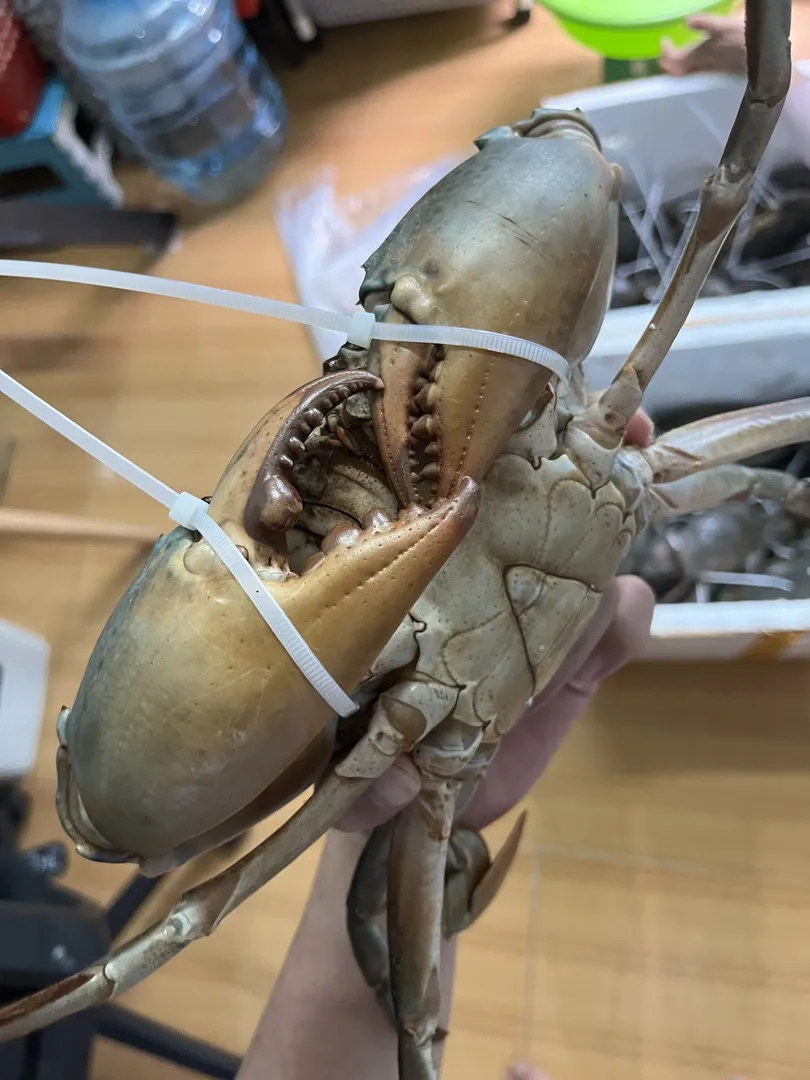
Heritage Ingredient
Ca Mau Jumbo Mud Crab
Ca Mau Jumbo Mud Crab
A large male mud crab prized for dense, sweet meat and thick claws, commonly used in steamed crab and grilled crab dishes across the Mekong Delta.
An icon of coastal culinary heritage, featuring firm, sweet meat that captures the raw power and freshness of Ca Mau's tides.
The ingenuity seen in dishes like lobster blood pudding mirrors the way Ca Mau chefs and home cooks utilize every aspect of their catch, from the meat of a plump mud crab to the roe, and even the subtler flavors derived from fermented mangrove crabs.
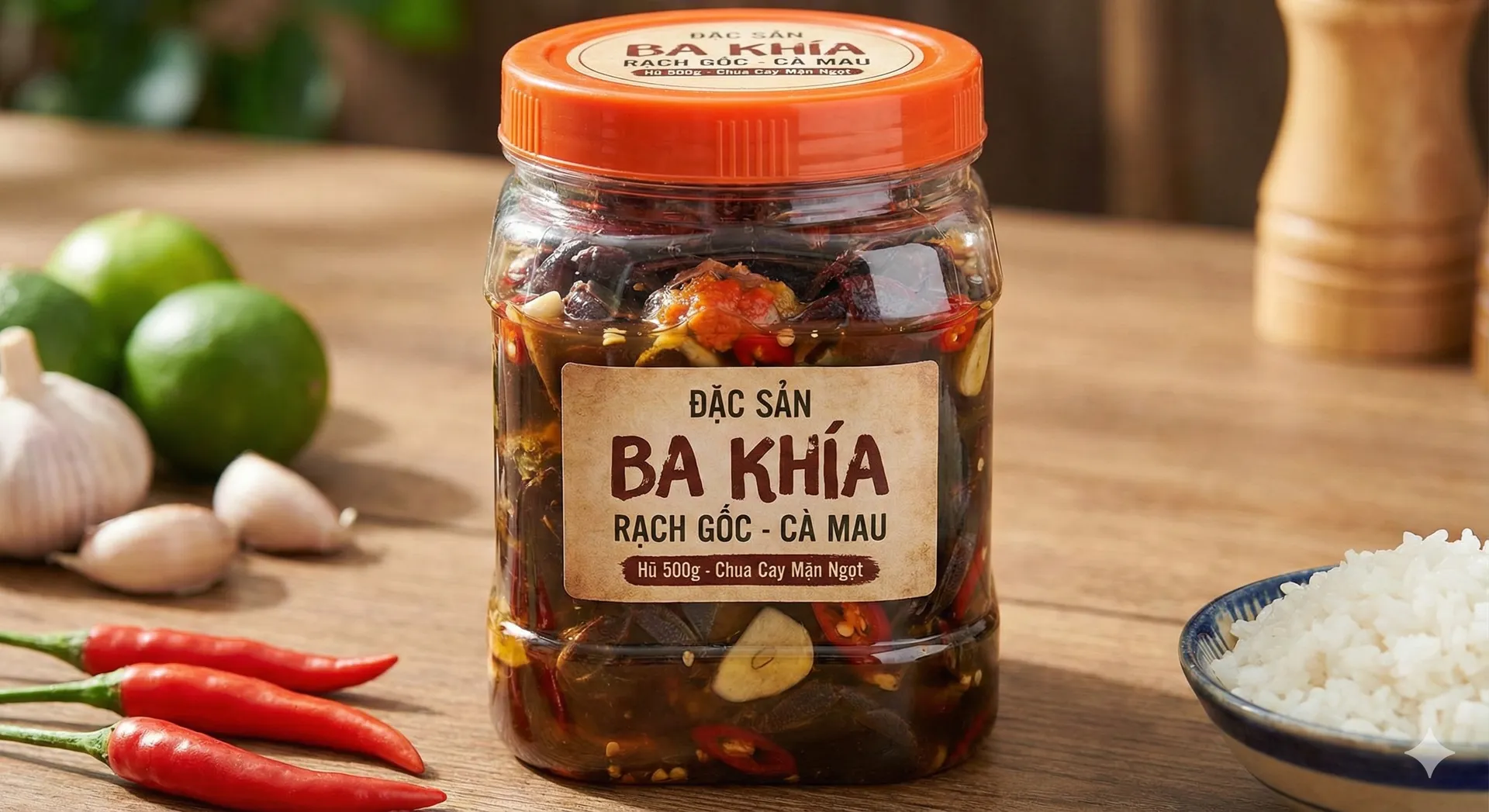
Heritage Ingredient
Fermented Mangrove Crab (Ba Khia)
Fermented Mangrove Crab (Ba Khia)
A traditional fermented crab specialty from the mangrove region of Rach Goc, often cited in articles about rustic Mekong Delta flavors and preserved seafood culture.
The salty-sour heartbeat of the wild south, where traditional fermentation turns forest crabs into a nostalgic explosion of rustic Mekong soul.
This holistic approach to food, transforming even the most unconventional ingredients into delicacies, is a hallmark of the Mekong Delta's culinary landscape and, by extension, the broader coastal Vietnamese food culture represented by Phu Yen's unique offerings.
4 The Art of Collection: Handling with Care
This is where the true bravery – and skill – comes into play. Preparing lobster blood pudding requires absolute freshness and precise technique to ensure both safety and optimal flavor. The process is delicate and often performed by experienced cooks.
The Harvest
The lobster must be absolutely fresh, ideally caught the same day. It is typically stunned or killed humanely before the blood is carefully drawn.
The Coagulation Catalyst
A small amount of lime juice is often mixed with the blood. The acidity helps the blood coagulate into the desired pudding-like texture. Some traditional methods rely on the natural enzymes within the blood itself.
The Mince & Mix
The lobster meat is finely minced and folded into the coagulated blood mixture. This is followed by a generous amount of finely chopped herbs like Vietnamese coriander, mint, and spring onions.
The Final Flourish
The mixture is then chilled until fully set. Before serving, it's typically garnished with toasted peanuts, crispy fried shallots, and a final scattering of fresh herbs and chili.
The Palate Expedition: What to Expect
This is not your average seafood. Tiet Canh Tom Hum offers a complex symphony of textures and flavors that challenge and intrigue.
Texture
Silky smooth, almost like a delicate pâté or a firm panna cotta, interspersed with the tender bite of minced lobster. The crunch from the nuts is a delightful contrast.
Flavor Profile
Subtly sweet from the lobster, with an earthy, slightly metallic undertone from the blood. The herbs provide freshness, and the chili adds a gentle warmth.
The "X-Factor"
It's the sheer novelty and the profound connection to the ingredient's raw essence. It’s a dish that sparks conversation and leaves a lasting impression.
For those who embrace this dish, it's often paired with a strong local rice wine or a light, crisp beer to cleanse the palate between bites.
6 More Than Food: A Reflection of Respect and Resourcefulness
In many cultures, consuming blood in food is considered taboo or even unsanitary. However, in Vietnam, particularly in coastal and rural regions, the concept of "using everything" ('ăn hết') is a deeply ingrained culinary philosophy. It stems from a history of making do with what nature provides, a profound respect for the life taken to sustain oneself, and an understanding of how different parts of an ingredient can offer unique flavors and textures.
Lobster blood pudding, therefore, is more than just a culinary curiosity. It represents a sophisticated gastronomic tradition that honors the entirety of the animal. It’s a dish that tells a story of the sea, the ingenuity of coastal communities, and the age-old practice of leaving nothing to waste. It invites diners to step outside their comfort zones and appreciate a different perspective on what constitutes a delicacy.
7 Seeking the Serpent's Kiss: Finding Tiet Canh Tom Hum
This is not a dish you'll find on every tourist menu. 'Tiet Canh Tom Hum' is a specialized delicacy, often prepared for local celebrations, special occasions, or sought out by dedicated food adventurers.
Phu Yen Province: This is your best bet. Look for local eateries specializing in seafood, particularly those known for fresh lobster. It might be offered seasonally or as a "chef's special." Don't be afraid to ask older, more established restaurants if they can prepare it. It requires advance notice and the freshest catch.
Specialized Food Tours: If you're serious about trying it, consider joining a high-end, authentic food tour focused on Vietnam's less-common culinary experiences. These tours often have connections with local chefs and home cooks who can arrange for this unique dish to be prepared.
Warning: Always ensure the establishment is reputable and adheres to strict hygiene standards. Freshness is paramount for this dish's safety and quality.
8 The Mark of a True Explorer
Tasting lobster blood pudding is not just about eating; it’s about experiencing a culture that finds beauty and sustenance in the entirety of nature's gifts. It's a dish that demands respect, an open mind, and a willingness to be truly adventurous.
For the traveler who seeks more than just the familiar, who craves authentic encounters with the soul of a place, this dish offers a potent, unforgettable glimpse into the culinary depths of Vietnam's coastline. It's a story on a plate, a testament to the enduring spirit of the sea and the people who live by its rhythm.
More Coastal Adventures
View More Food & Culinary
Kimchi & Oyster Mushroom Blue Crab Hotpot
A unique twist using the sharp sour-spicy flavor of Korean kimchi to balance the oceanic taste of fresh blue crabs.
Shrimp Steamed in a Fresh Coconut: A Mekong Visual Stunner
Prawns hung around the rim of a fresh young coconut, steamed by the rising coconut water vapor from within.
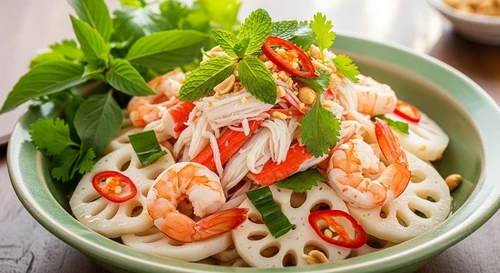
Lotus Stem Salad with Crab Meat & Shrimp
A refreshing sweet and sour salad with crunchy lotus stems, boiled shrimp, and shredded crab claw meat.
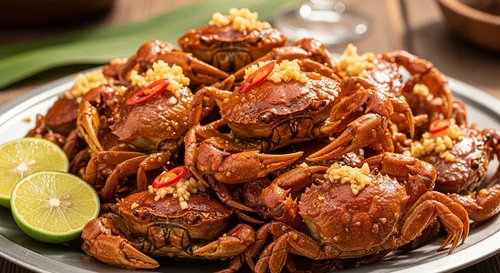
Crispy Fried Fiddler Crabs with Fish Sauce Glaze
A fast, flavorful side dish. Deep-fry the crabs whole and toss them in a sticky, caramelized garlic fish sauce.
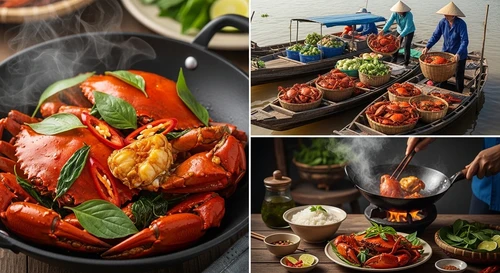
Stir-fried Mud Crab with Basil Leaves (Cua Xao La Que)
The licorice-like aroma of Thai basil elevates the sweetness of the crab in this fast-paced wok dish.
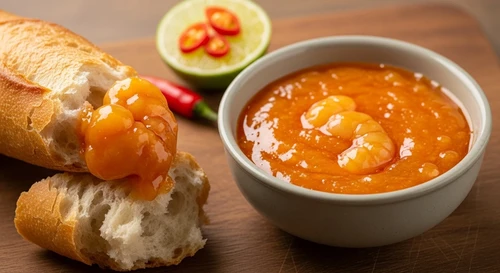
Extracting Prawn Head Roe to Make the Ultimate Bread Dip
A meticulous technique to scoop out the rich, orange fat from the prawn's head to create a buttery sauce perfect for crusty baguettes.
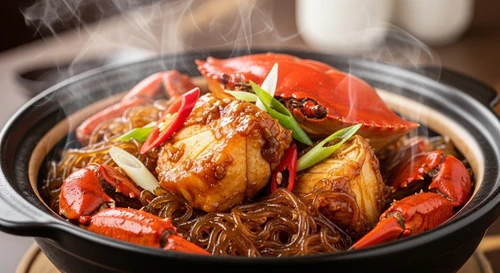
Hong Kong Style Claypot Crab with Glass Noodles
Chewy glass noodles soaking up premium XO sauce and the natural sweetness of fresh mud crab, cooked in a hot claypot.
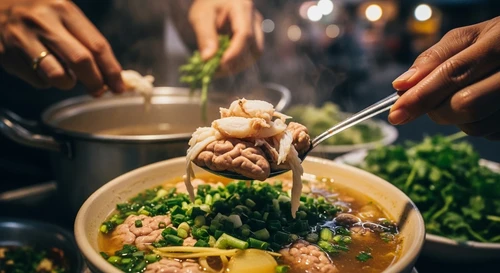
Crab and Pork Brain Soup (Sup Cua Oc Heo): Street Food Classic
A beloved Saigon street food. The combination of sweet crab and creamy pork brain creates a legendary texture.
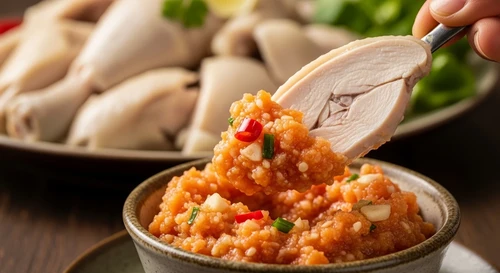
Boiled Chicken with Salted Crab Dip: A Southern Secret
Ditch the lime salt! Discover the mind-blowing combination of tender chicken dipped in a pungent Ba Khia and chili mash.