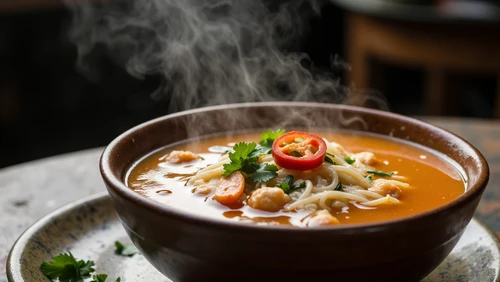
" Forget the fancy restaurant fare for a moment. This is the real deal. The kind of soup that whispers stories of lazy afternoons by the river, of women tending their gardens with a watchful eye on the simmering pot. This is Canh Chua Tôm, but not the one you might know. This is its wild cousin. "
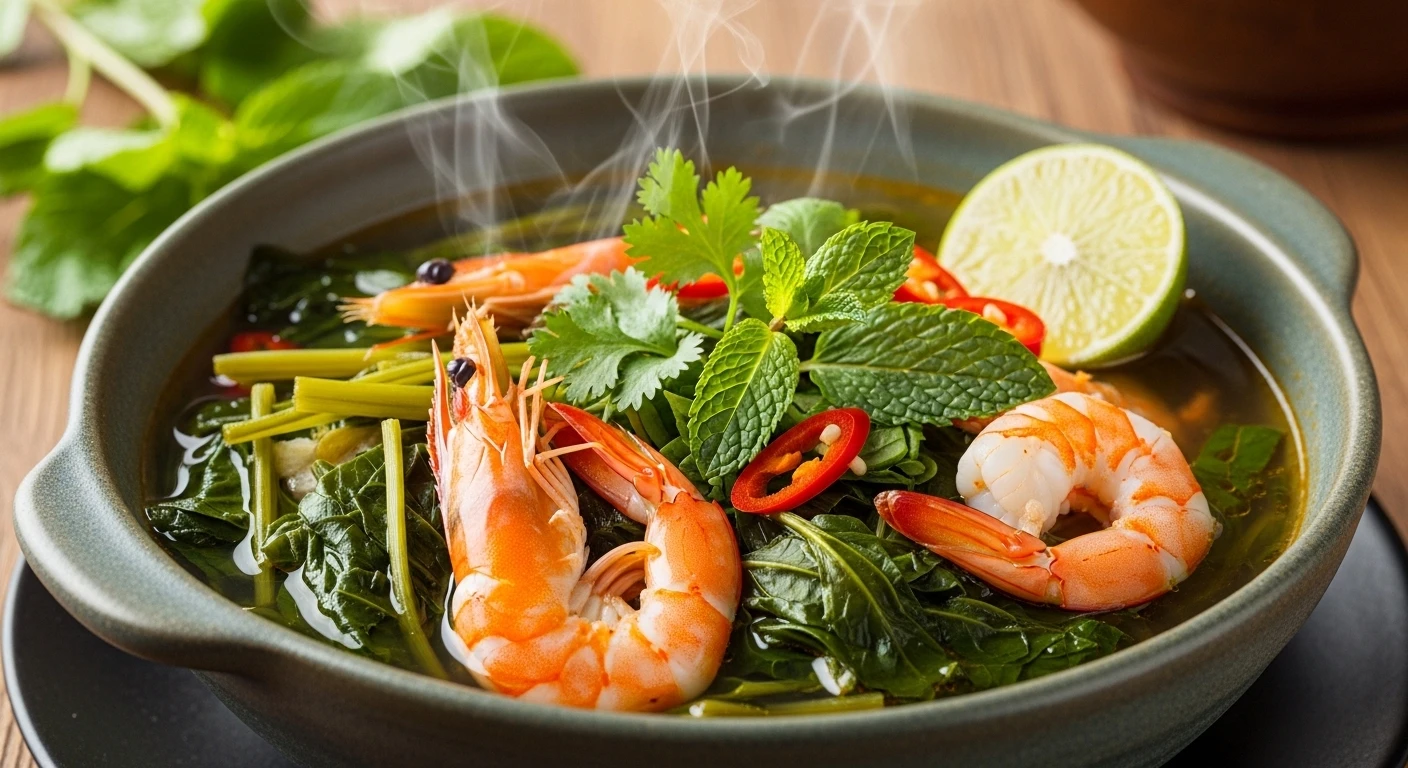
📸 A humble bowl, but a universe of flavor.
1 The Soul of the Mekong: Countryside Kitchens
The Mekong Delta. A labyrinth of rivers, canals, and fertile plains where life moves at the rhythm of the water. This is where rice paddies stretch to the horizon, where fishing boats glide silently, and where culinary traditions are as rich and complex as the soil itself. It's a place where simplicity reigns supreme, and where the freshest ingredients are the stars of every meal.
This Canh Chua Tôm, or Shrimp Sour Soup, is a testament to that philosophy. While "Canh Chua" often conjures images of pineapple and tomatoes, this variation taps into a more elemental, verdant sourness, courtesy of me dat – wild wood sorrel. It's a flavor that speaks of damp earth, of shaded riverbanks, and of resourceful cooks who know how to coax the most exquisite tastes from the wild.
What is Wood Sorrel?
This isn't your average herb. Wood sorrel (Oxalis corniculata) is a common weed found in many tropical and subtropical regions. Its leaves, when crushed or cooked, release a distinctive, clean, and refreshing sourness – a natural citric tang that’s less aggressive than lime, but more complex than vinegar. Locals often forage for it near their homes or along waterways.
The Shrimp Connection
The ideal shrimp for this soup are fresh, plump whiteleg shrimp. Their natural sweetness provides a perfect counterpoint to the wood sorrel's tang. In the Mekong, shrimp are abundant, caught from ponds, canals, or harvested from coastal aquaculture. The practice of "smashing" the shrimp is key: it breaks down their structure, allowing their juices to meld with the broth and the herb's essence.
2 The Art of Simplicity: Ingredients
The beauty of this dish lies in its minimalist approach. It’s a reminder that often, the most profound flavors come from the fewest, highest-quality ingredients.
The Stars
- Fresh Whiteleg Shrimp: The foundation of the soup. Aim for about 200-250g per serving.
- Wood Sorrel (Me Dat): A generous handful (about 50-70g). The fresher, the better.
Aromatics & Flavor
- Garlic: 2-3 cloves, minced.
- Shallots: 1 small, finely chopped.
- Fish Sauce: A splash for umami.
- Vegetable Broth or Water: About 1 liter.
- Optional: A pinch of sugar to balance.
Garnishes
- Herbs: Fresh cilantro, mint, or Vietnamese balm (kinh gioi).
- Chili: Sliced bird's eye chili for heat.
- Lime Wedges: For that final citrus burst.
3 Method: From Garden to Bowl
This is less a recipe and more an intuitive process. Trust your senses. The goal is a light, refreshing broth where the clean flavors of shrimp and wood sorrel shine.
Prepare the Shrimp
Peel and devein the shrimp, leaving the tails on for visual appeal if desired. Place them in a mortar and pestle and gently smash them. You don't want a paste, but rather to break them down slightly so their juices release easily. Season lightly with a pinch of salt.
Build the Broth Base
In a pot, heat a little oil (or omit for a lighter soup). Sauté the minced garlic and shallots until fragrant. Pour in the vegetable broth or water and bring to a simmer.
Add the Shrimp and Sorrel
Add the smashed shrimp to the simmering broth. Cook for just 1-2 minutes until they turn pink. Stir in the wood sorrel. Cook for another 1-2 minutes until wilted and vibrant green. Be careful not to overcook the sorrel; you want to retain its fresh, tangy character.
Season and Serve
Season the soup with fish sauce to taste. Add a pinch of sugar if needed to balance the sourness. Ladle into bowls and garnish generously with fresh herbs, sliced chili, and a lime wedge. Serve immediately with steamed rice.
4 Mekong Context: More Than Just a Soup
In the Mekong Delta, food is inextricably linked to the land and its bounty. This simple soup embodies that connection:
Foraging Culture
The use of wild wood sorrel highlights the deep knowledge of local flora. Many traditional dishes incorporate ingredients foraged from the wild, a practice passed down through generations.
Featured Ingredient

Seasonal Eating
While wood sorrel is often available year-round, its vibrant flavor is particularly prized during the wet season when fresh greens are abundant. This soup is a celebration of that seasonal freshness.
Local Shrimp
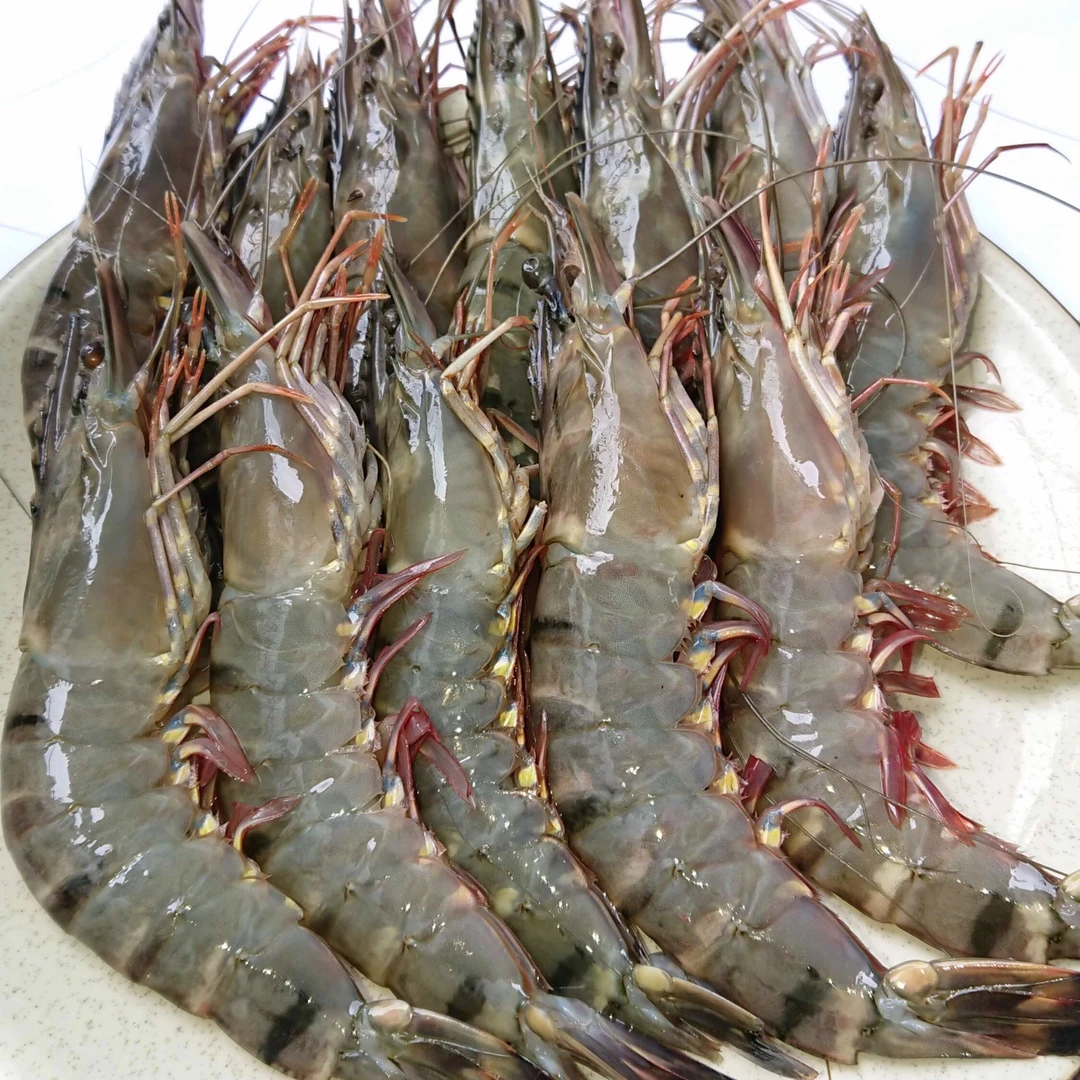
5 Chef's Notes: Elevating the Simple
- Shrimp Quality is Paramount: Use the freshest shrimp you can find. The flavor difference is immense. If you can't get whiteleg shrimp, any fresh, sweet shrimp will do. For a taste of the Mekong's premium shrimp, consider Ca Mau Black Tiger Shrimp.
- Don't Overcook: The key to this soup is its freshness. Shrimp cook in minutes, and wood sorrel should retain some of its bite. Overcooking turns everything mushy and dulls the bright flavors.
- Taste and Adjust: The "correct" amount of sourness is subjective. Taste the broth before serving and adjust with more wood sorrel or a squeeze of lime if needed.
- Experiment with Broth: While water or vegetable broth is standard, some cooks might add a little chicken broth for depth. If you have access to clear fish broth made from Mekong river fish, that would be an exceptional base.
6 Familiar Faces: The Pineapple & Tomato Canh Chua
While this wood sorrel version is a delightful exploration of wild flavors, the more commonly known "Canh Chua" often features:
- 🍍 Ripe Pineapple: Adds a sweet and tangy fruitiness.
- 🍅 Tomatoes: Provide color and a gentle acidity.
- 💜 Bean Sprouts & Okra: Often added for texture.
These variations showcase the adaptability of Vietnamese cuisine, with regional twists and ingredient availability shaping the final dish.
7 From the Delta's Waters to Your Table
The Mekong Delta is Vietnam's rice bowl and seafood basket. The quality of the ingredients, particularly the shrimp, is what makes dishes like this shine. While wild wood sorrel might be a treasure hunt for those outside the region, the shrimp are a constant, celebrated staple.
The Everyday Staple
Whiteleg shrimp are a versatile cornerstone of Vietnamese home cooking, used in countless dishes from stir-fries to soups. Their mild flavor and accessible price point make them a go-to for many families.
Heritage Ingredient
Whiteleg Shrimp
Whiteleg Shrimp
A widely used shrimp in Vietnamese home kitchens, suitable for stir-fries, soups, steamed dishes, and practical cooking articles that need a familiar shrimp reference.
Translucent jewels of the coast, thin-shelled and remarkably sweet, making every simple home meal feel like a seaside celebration.
A Taste of Coastal Purity
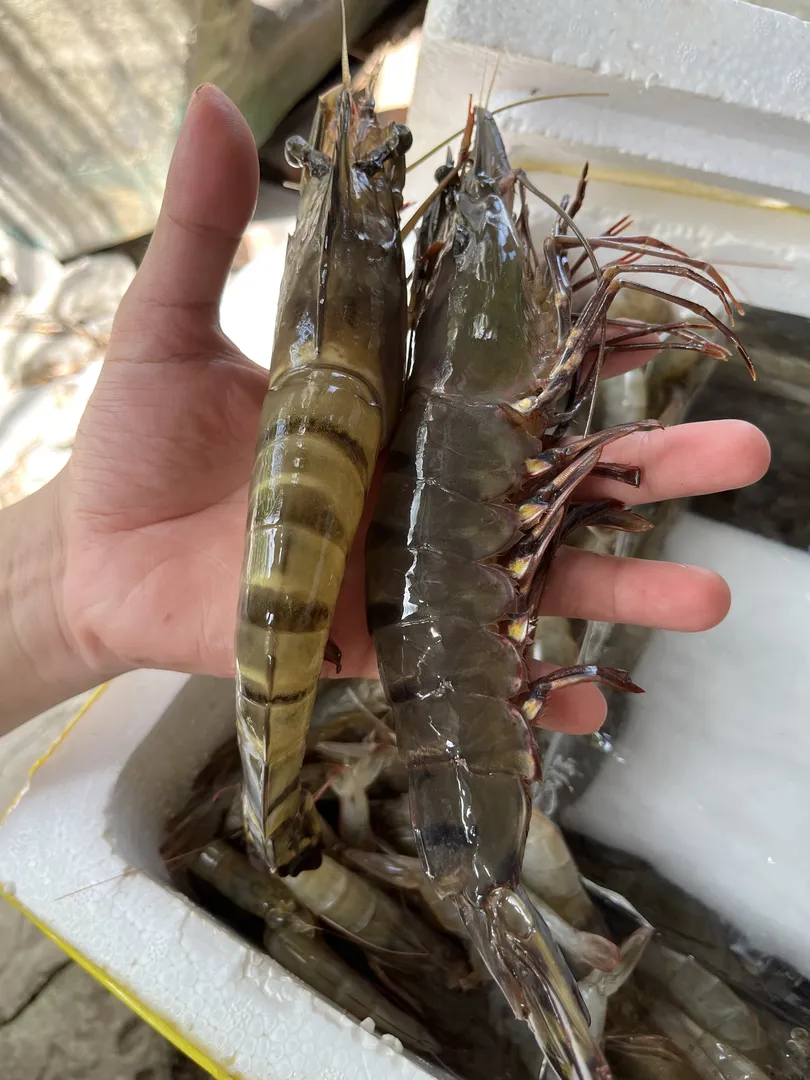
For a premium experience, the shrimp from Ca Mau, a province known for its extensive mangrove coastline, offer a distinctively sweet and firm texture, owing to their aquaculture in brackish waters.
Heritage Ingredient
Ca Mau Black Tiger Shrimp
Ca Mau Black Tiger Shrimp
Large black tiger shrimp associated with mangrove aquaculture in Ca Mau, known for firm flesh and a cleaner, sweeter finish than intensively farmed shrimp.
Wild spirits of the mangroves, these black-banded gems deliver a firm, snappy texture and a sweetness that echoes the forest's vibrant life.
8 The Lingering Taste of Home
This isn't just a soup; it's an experience. It's the taste of a place where nature provides, and where human hands transform simple gifts into meals that nourish the body and soul. It’s the quiet satisfaction of a bowl of Canh Chua Tôm with Me Dat, a fleeting whisper of the wild Mekong Delta.