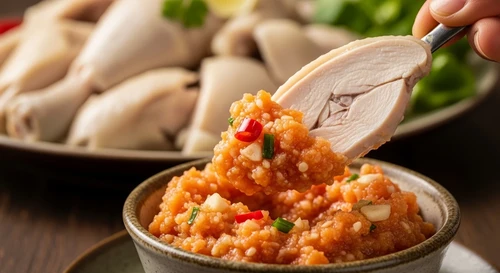
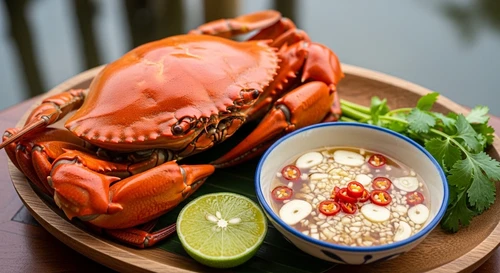
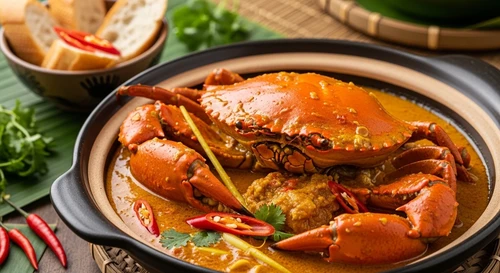
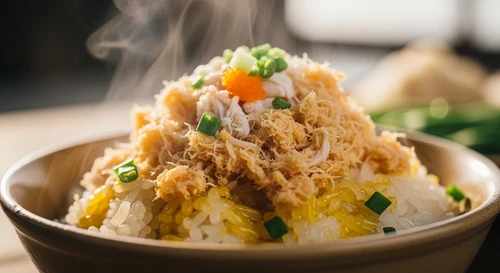
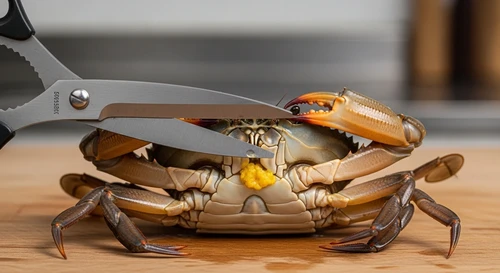
" This isn't just spicy; it's a culinary dare. A deep dive into the fiery heart of Mekong Delta drinking snacks. Prepare for an explosion. "
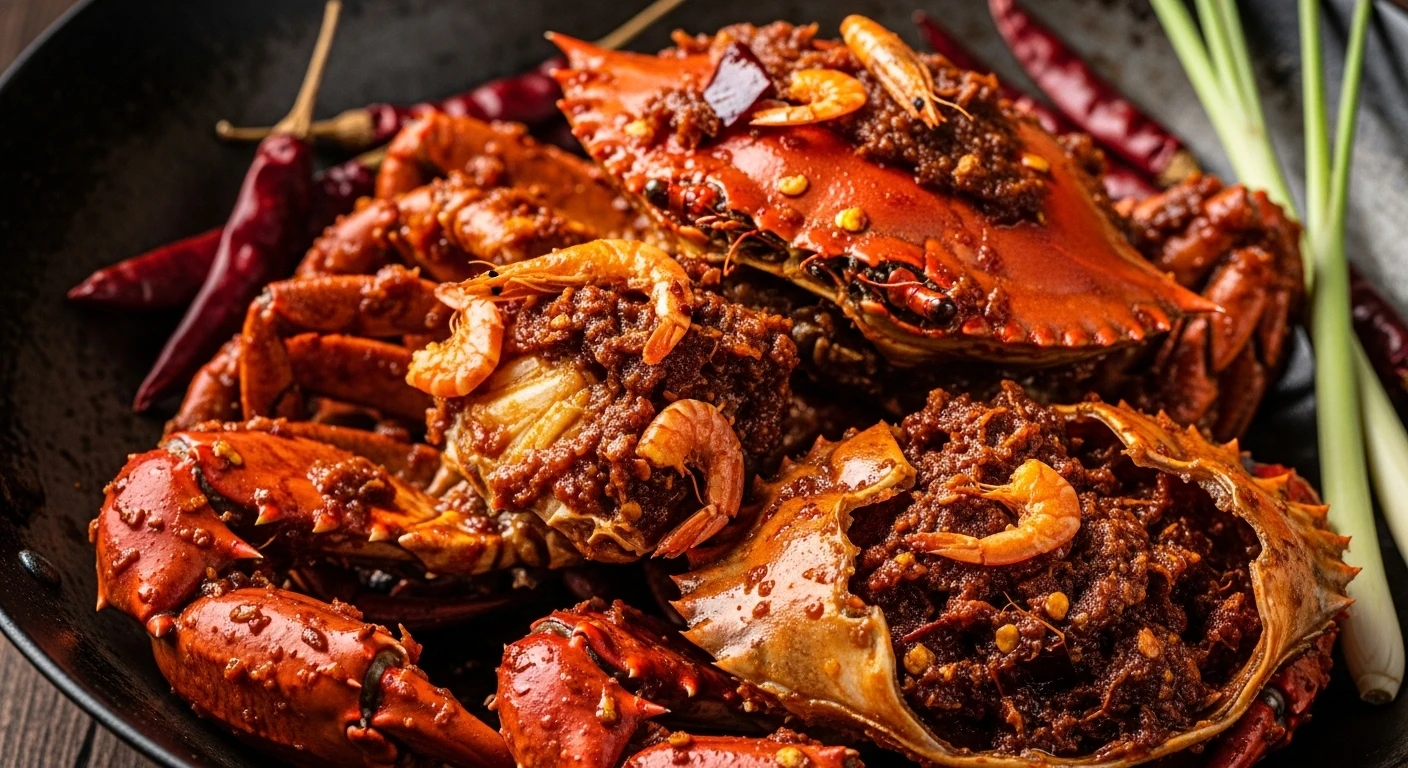
📸 The rich, glossy coating promises intense flavor.
1 The Soul of Sa Te: More Than Just Spice
Sa Te is not merely a chili paste; it's a complex aromatic oil, a cornerstone of Southern Vietnamese cuisine, particularly beloved in the Mekong Delta. Its characteristic aroma comes from a blend of dried shrimp, chili, garlic, lemongrass, and often a hint of curry powder or turmeric, simmered slowly to coax out deep, savory flavors.
Dried Shrimp Power
The foundation of Sa Te's umami. Dried shrimp, pulverized or infused into oil, lend an intense, oceanic depth that dried chili alone cannot replicate. In the Mekong, especially coastal regions like Ca Mau, dried seafood is a precious commodity, sun-dried to perfection.
Aromatic Symphony
Garlic, shallots, lemongrass, and chilies are the aromatic backbone. The slow cooking process melds these ingredients, transforming them from pungent raw elements into a rich, fragrant oil that coats everything it touches.
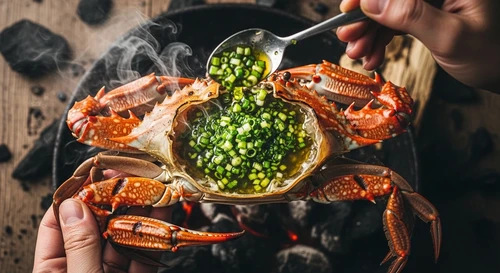
This dish elevates the simple crab, transforming it into a fiery canvas for the Sa Te paste. It’s a classic "mồi nhậu" – a drinking snack designed to be savored with a cold beer, the heat prompting another sip, the savory richness demanding another bite.
2 Mekong's Treasure: The Ca Mau Crab
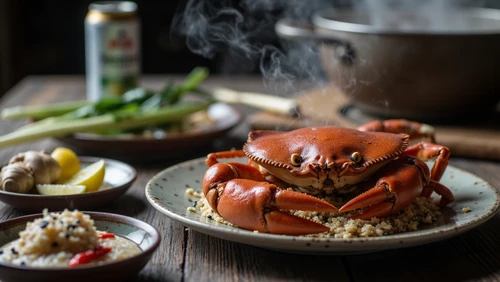
While this dish can be made with any good crab, the legendary mud crabs from Ca Mau, the southernmost province of Vietnam, are the undisputed champions. Their dense, sweet meat and thick, juicy claws are perfect for standing up to the bold flavors of Sa Te. The mangrove-rich environment of Ca Mau imparts a unique sweetness and quality to the seafood found there.
Heritage Ingredient
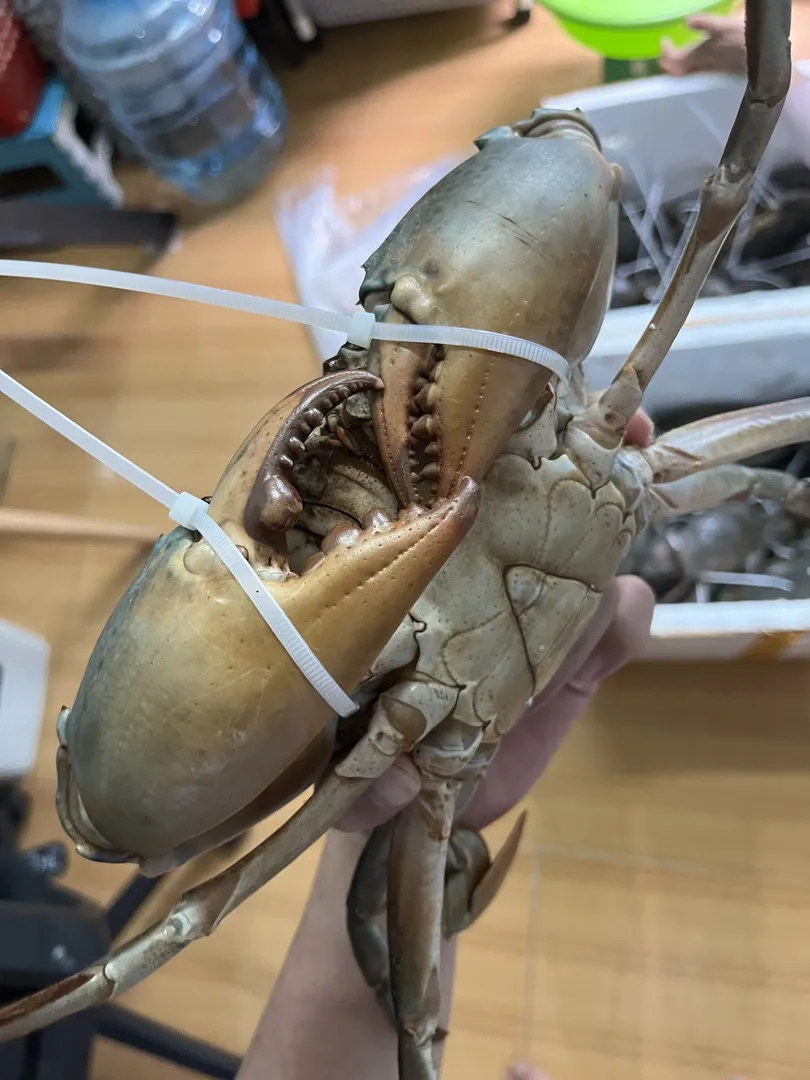
Ca Mau Jumbo Mud Crab
Ca Mau Jumbo Mud Crab
A large male mud crab prized for dense, sweet meat and thick claws, commonly used in steamed crab and grilled crab dishes across the Mekong Delta.
An icon of coastal culinary heritage, featuring firm, sweet meat that captures the raw power and freshness of Ca Mau's tides.
Heritage Ingredient
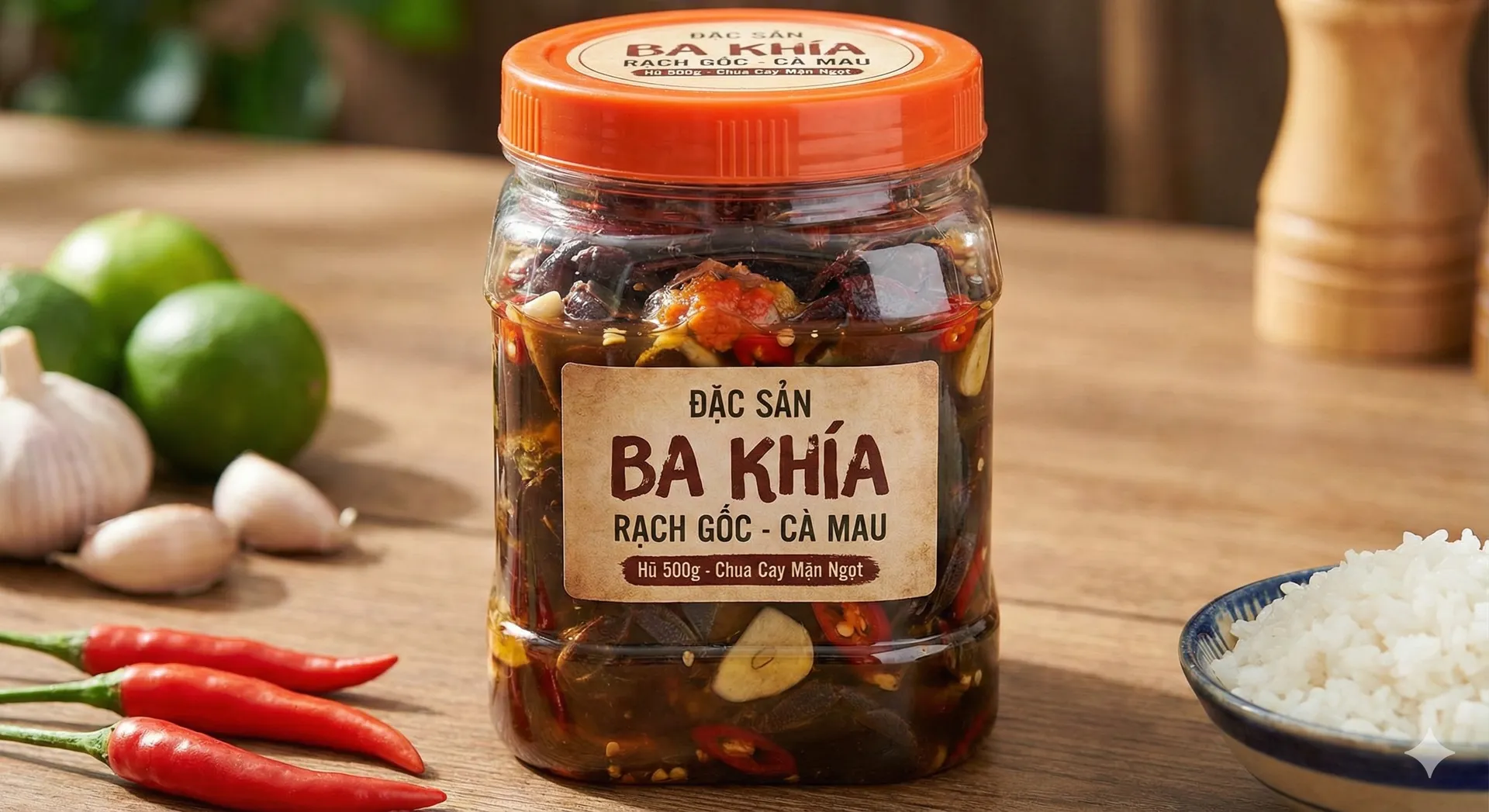
Fermented Mangrove Crab (Ba Khia)
Fermented Mangrove Crab (Ba Khia)
A traditional fermented crab specialty from the mangrove region of Rach Goc, often cited in articles about rustic Mekong Delta flavors and preserved seafood culture.
The salty-sour heartbeat of the wild south, where traditional fermentation turns forest crabs into a nostalgic explosion of rustic Mekong soul.
Heritage Ingredient
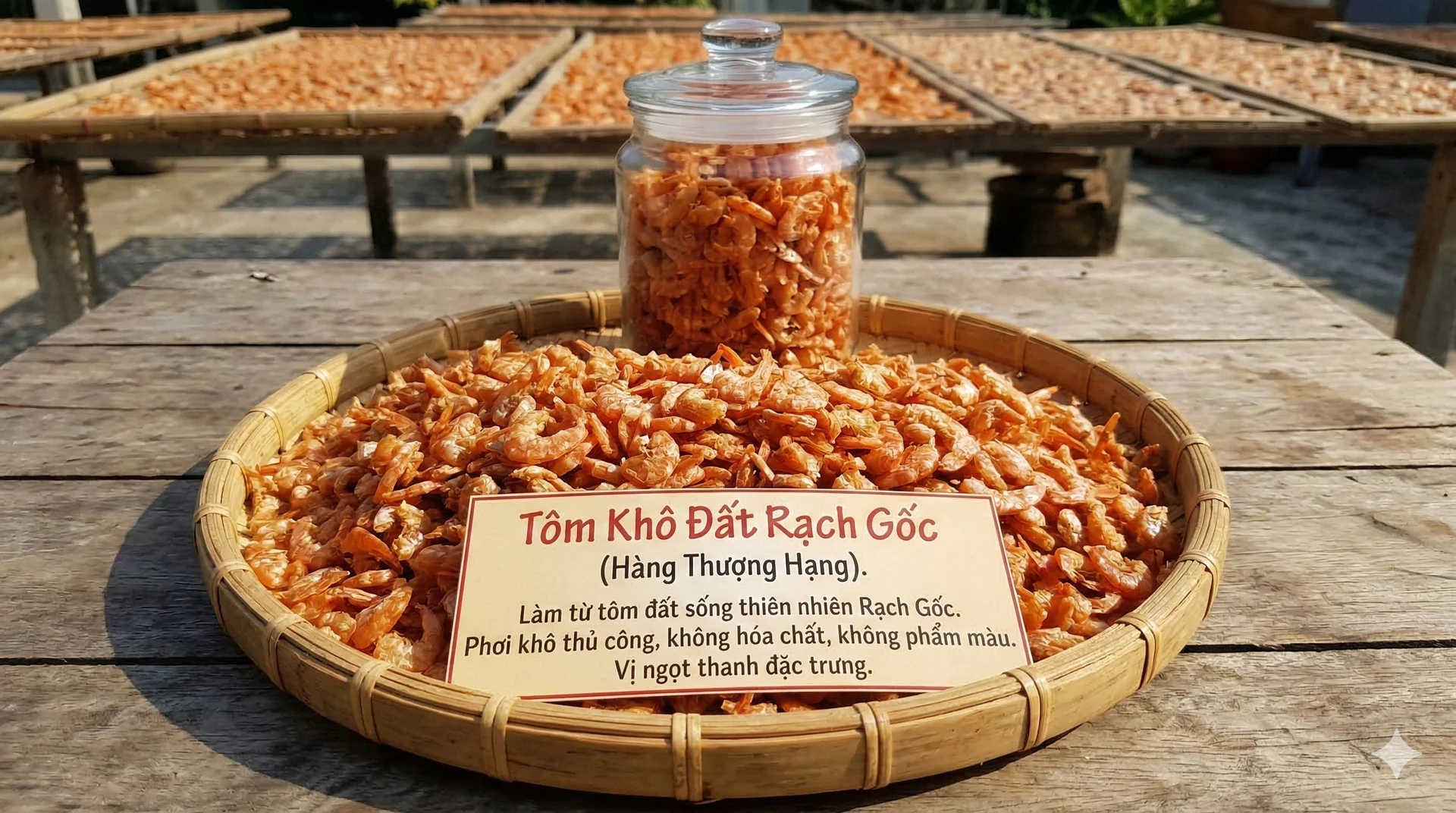
Sun-Dried Wild Shrimp from Rach Goc
Sun-Dried Wild Shrimp from Rach Goc
Traditional dried shrimp made from small wild shrimp, valued for natural sweetness and commonly used in Vietnamese salads, soups, and festive dishes.
Concentrated sunlight and sea salt in every bite, these crimson gems offer a deep, umami sweetness that whispers tales of Rach Goc's golden shores.
The "Spicy Shrimp Sa Te Crab" celebrates the bounty of the Mekong. The crab provides the luxurious, sweet flesh, while the Sa Te paste brings a fiery, complex punch. It’s a dish that speaks of coastal livelihoods, of the sun-drenched drying platforms, and the deep, savory traditions of the south.
3 The Fire Within: Ingredient Alchemy
The Foundation
- Live Mud Crab: Freshness is paramount. The robust shell should be firm.
- Sa Te Paste: Homemade is best, but high-quality store-bought works. This is where the magic happens.
- Garlic: Lots of it, finely minced or mashed.
- Dried Chili Flakes/Powder: For an extra kick and color.
The Enhancers
- Lemongrass: Finely minced or pounded.
- Shallots: Finely minced.
- Cooking Oil: A neutral oil, like vegetable or canola, to bloom the aromatics.
- Fish Sauce: A splash for depth of flavor.
- Sugar: A pinch to balance the heat.
4 The Sizzle: From Pan to Palate
The goal is to create a glossy, intensely flavored coating that adheres beautifully to the crab. This dish is typically stir-fried, allowing the aromatics to sizzle and the Sa Te paste to bloom.
Prep the Crab
Clean the crab thoroughly. Depending on preference, you can halve or quarter larger crabs, or leave smaller ones whole. Ensure they are completely dry.
Aromatics Bloom
Heat oil in a wok or large pan over medium-high heat. Add minced garlic, shallots, lemongrass, and dried chili flakes. Sauté until fragrant, about 30-60 seconds. Do not burn the garlic.
Sa Te Power
Add the Sa Te paste to the wok. Stir-fry for another 30 seconds until the oil becomes deeply colored and aromatic. Be careful not to inhale directly – it's potent!
Crab In!
Add the crab pieces to the wok. Toss to coat each piece thoroughly with the Sa Te mixture. Stir-fry for 5-8 minutes, or until the crab is cooked through and the shells turn bright red. If it seems dry, add a splash of water or fish stock.
Season and Serve
Season with fish sauce and a pinch of sugar. Taste and adjust. The flavor should be a balance of spicy, savory, and slightly sweet. Serve immediately while piping hot.
The Finger-Licking Factor 😋
This is not a dish for delicate eaters. The true joy lies in getting your hands dirty, cracking shells, and licking every last bit of that intensely flavored paste off your fingers. It's primal, it's satisfying, and it's pure Southeast Asian culinary happiness.
The Challenge
Can you handle the heat? The initial onslaught of chili followed by the savory depth of Sa Te.
The Reward
Sweet, succulent crab meat that's been infused with unforgettable, fiery flavor.
The Pairing
Best enjoyed with a crisp lager, iced tea, or a refreshing coconut water to cool the flames.
6 Mekong Twists & Pro Tips
🌶️ How to adjust the spice?
🥣 Can I make the Sa Te paste from scratch?
💰 What kind of crab is best for this?
7 The Social Heat: A Mekong Drinking Ritual
Dishes like Spicy Shrimp Sa Te Crab are more than just food; they are integral to the social fabric of the Mekong Delta. Often found in roadside eateries, bustling night markets, or family gatherings, they are designed to be shared. The act of cracking crab shells, dipping into communal bowls, and sharing stories over cold drinks is a cherished ritual.
The prevalence of seafood in the Delta, with its vast river systems and extensive coastline, means crab and shrimp dishes are staples. The influence of Chinese and Cambodian cuisines can also be seen in the robust use of aromatics and spices, creating a culinary landscape that is both distinct and deeply flavorful. This Sa Te crab is a perfect encapsulation of that rich heritage.
8 Cooling the Flames: Perfect Pairings
The intensity of this dish calls for beverages and sides that can provide a counterpoint, a moment of respite from the heat.
Beverages:
- Ice-Cold Lager: The classic pairing. The carbonation and chill cut through the spice and richness. Vietnamese lagers like Bia Saigon or 333 are excellent choices.
- Coconut Water: Nature's coolant. Its subtle sweetness and electrolytes offer a refreshing break.
- Iced Lemon Tea: A slightly tart, sweet, and cooling option.
Sides:
- Steamed White Rice: A simple, neutral canvas to absorb the leftover sauce.
- Fresh Cucumber Slices: Cool, crisp, and hydrating.
- A Simple Green Salad: With a light, non-creamy dressing.
Need Something Milder?
If all this fire is a bit much, explore the delicate side of Mekong seafood.
🍜 Explore Crab Noodle Soup