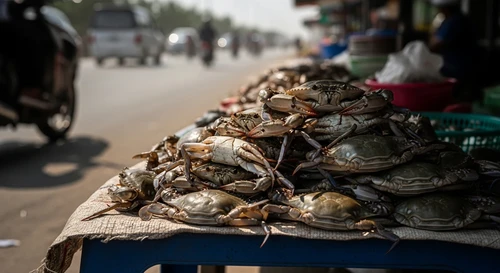
" Forget the butter. Forget the garlic. The Mekong Delta taught me that the true essence of a perfect prawn is unveiled with the gentlest touch – a whisper of beer, a fragrant cloud of lemongrass. This isn't just cooking; it's an act of reverence. "
1 The River's Bounty: Why Tiger Prawns Rule
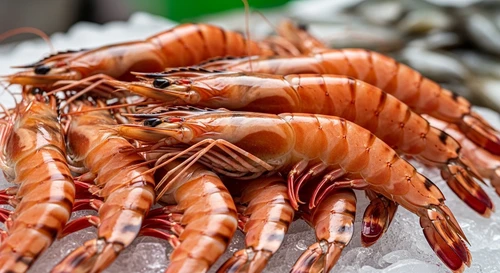
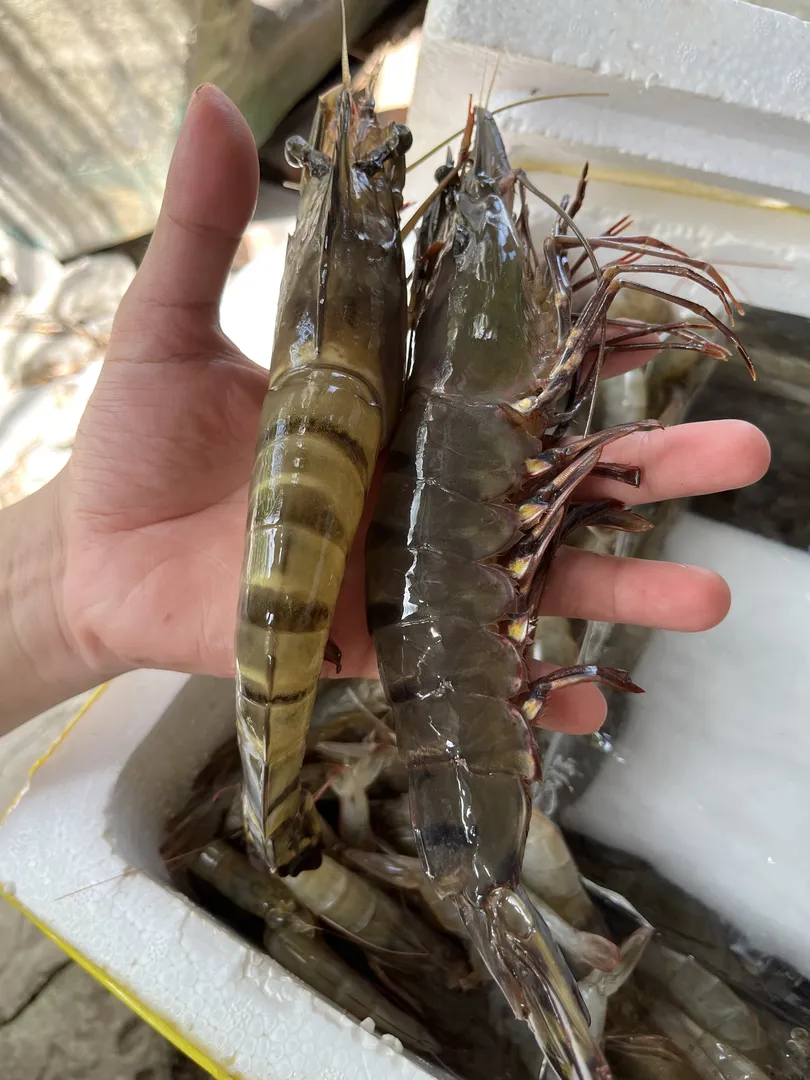
Along the intricate network of canals and coastal mangroves of the Mekong Delta, especially in provinces like Ca Mau, the Black Tiger Prawn (Penaeus monodon) reigns supreme. These aren't your average farmed shrimp. Cultivated in brackish waters, often within mangrove ecosystems that act as natural filters and nurseries, these prawns develop a firm, succulent flesh and a clean, sweet flavor that's simply unparalleled. They have a distinct banded appearance, a testament to their wilder origins and less intensive farming methods.

Ca Mau's prized Black Tiger Prawns, known for their vibrant bands and sweet, firm flesh.
The Difference Makers:
- Texture: They offer a satisfying 'snap' with every bite, a far cry from the mushy texture of mass-farmed shrimp.
- Flavor: A pure, unadulterated sweetness, with subtle saline notes from their natural environment.
- Visual Appeal: Those bold black stripes on a vibrant orange-red shell make them a showstopper, even before cooking.
When you get your hands on good quality tiger prawns, the culinary philosophy shifts. You don't want to mask their inherent deliciousness. You want to elevate it. And that's where this simple, elegant steaming method comes in.

2 The Magic of Steam & Beer
Steaming is the most primal, yet sophisticated, way to cook seafood. It uses the moist heat of vapor to gently cook ingredients, preserving their delicate textures and natural juices. Unlike boiling, where flavor can leach into the water, steaming keeps everything contained.
But why beer? It’s a common practice in Southern Vietnam, not just for adding flavor, but for a very specific culinary reason. The ethanol and hop compounds in beer act as natural deodorizers, bonding with and evaporating the volatile amines that cause that tell-tale "fishy" smell. This leaves the prawn's natural sweetness and aroma to shine through, unadulterated. It’s a subtle science, an alchemical reaction that elevates the prawn without overpowering it.
Prawn Preservation:
The key is timing. Overcook, and your magnificent tiger prawns will shrink and become tough. Undercook, and they remain unappetizingly translucent. The goal is a perfect opaque pink, with a firm yet yielding bite.
Aromatic Infusion:
Lemongrass, smashed to release its essential oils, infuses the steam with its bright, citrusy perfume. Ginger adds a subtle warmth, creating a fragrant cloud that perfectly complements the sweet prawn meat.
The Beer's Role:
Beyond odor control, the beer's moisture and subtle malt notes create a slightly richer steaming liquid. It’s not about the alcohol content, but the vapor it contributes to the gentle cooking process.
3 Sourcing the Stars
The Prawns
- Giant Tiger Prawns: 500g - 1kg (about 8-12 large prawns). Aim for prawns that are firm, have intact shells, and smell fresh and clean, not "fishy." Living prawns are ideal if you can get them.
The Aromatics & Liquid
- Beer: 1 can (approx. 330ml) - a lager like Tiger, Bia Saigon, or a clean pilsner works best. Avoid dark or heavily flavored beers.
- Lemongrass: 3-4 stalks, trimmed, outer layers removed, and heavily smashed or bruised.
- Ginger: A 2-inch piece, sliced thickly.
- Optional: A few kaffir lime leaves or a small chunk of galangal can add an extra layer of fragrance.
If you're in Vietnam, especially the southern regions, sourcing fresh tiger prawns is relatively straightforward. Markets buzz with vendors offering their day's catch. For those outside Vietnam, look for reputable Asian grocers or seafood suppliers that specialize in high-quality, often sustainably farmed or wild-caught varieties. The visual cue of the dark, prominent stripes is your best bet for identifying true tiger prawns.
Heritage Ingredient
Ca Mau Black Tiger Shrimp
Ca Mau Black Tiger Shrimp
Large black tiger shrimp associated with mangrove aquaculture in Ca Mau, known for firm flesh and a cleaner, sweeter finish than intensively farmed shrimp.
Wild spirits of the mangroves, these black-banded gems deliver a firm, snappy texture and a sweetness that echoes the forest's vibrant life.
4 The Art of Timing
Prepare the Prawns
If your prawns aren't already cleaned, give them a quick rinse. You can leave the shells on for maximum flavor and juiciness – this is traditional. You can devein them by making a shallow cut along the back if preferred, but it's not strictly necessary for this method.
Set Up the Steamer
Pour the beer into the bottom of a large pot or wok that can accommodate a steamer basket. Add the sliced ginger and smashed lemongrass stalks to the beer. Place a steamer rack above the liquid – ensure the prawns won't touch the beer directly.
Arrange & Steam
Arrange the prawns in a single layer on the steamer basket. Don't overcrowd the basket; steam in batches if necessary for even cooking. Cover tightly with the lid. Bring the liquid to a boil over high heat, then reduce heat slightly to maintain a strong steam. Steam for 5-8 minutes for medium-large prawns, or 8-10 minutes for extra-large ones. The prawns are done when they turn opaque pink and curl into a 'C' shape. Resist the urge to overcook!
Rest & Serve
Once cooked, immediately remove the prawns from the steamer to stop the cooking process. Let them rest for a minute or two. Serve hot, garnished with extra lemongrass stalks or lime wedges.
The Soulmate: Salt, Lime & Chili
While the prawns are sweet enough to enjoy on their own, a simple dipping sauce elevates the experience. In the Mekong Delta, this is typically a sharp, zesty condiment that cuts through the richness and enhances the sweetness. Forget heavy sauces; we're going for brightness.
1. The Base
Fine sea salt mixed with freshly ground black or white pepper. Some prefer just salt, others a good pinch of pepper.
2. The Zing
Fresh lime juice. Squeeze it right before serving for maximum tang. The acidity is crucial.
3. The Spark (Optional)
Finely chopped bird's eye chilies. Add for a fiery kick that contrasts beautifully with the sweet prawn.
Combine these elements in a small dish. Dip each perfectly steamed prawn into this vibrant concoction and experience pure seafood bliss.
6 Echoes of the Mekong
Eating these beer-steamed prawns takes me back to countless evenings spent on wooden jetties, the scent of mangrove mingling with the aroma of someone's evening meal. The simplicity of the preparation is a hallmark of Delta cooking. It’s about respecting the ingredient, understanding its origins – the fertile waters, the hardworking fishermen, the mangrove roots that shelter the young.
This dish is often found at informal gatherings, family meals, or as part of a larger seafood spread during festive occasions. It’s a dish that doesn't pretend to be complex. It’s honest, it’s pure, and it’s a direct reflection of the abundant, life-giving waterways of Western Vietnam. Each bite is a reminder of the region's rich biodiversity and the culinary traditions that have been passed down through generations, centered around the pristine treasures of its rivers and coastlines.
Expert Tips for Plump Perfection
🧊 The Cold Shock:
💧 Don't Overcrowd:
🍺 Beer Choice Matters:
8 Beyond Beer: Coconut Water Magic
While beer is traditional and effective, another beloved variation in the Mekong Delta involves using fresh coconut water as the steaming liquid. This imparts a subtle, natural sweetness to the prawns, making them even more delicate and dessert-like. If you ever find yourself with fresh young coconuts, give this a try! It's a beautiful counterpoint to the slightly more savory profile that beer brings. The technique remains identical.
This method is a testament to how ingredients native to the region—be it the prawns themselves, the lemongrass, or even the coconuts—can create dishes of profound flavor with the simplest of techniques. It's a philosophy that permeates the entire culinary landscape of the Mekong Delta.