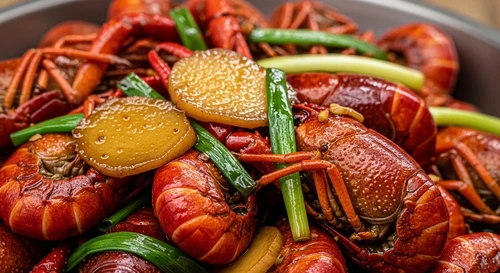
" Some flavors demand the purest expression. The ocean, in its infinite generosity, provides it in the form of a perfectly prepared lobster. This isn't about complexity; it's about respect for the ingredient. "
1 A Tale of Two Worlds: Mekong Roots, Japanese Peaks
While sashimi is quintessentially Japanese, the spirit of honoring the sea's bounty is a universal language. And in regions like the Mekong Delta, with its sprawling coastline and rich aquaculture, the reverence for pristine seafood is palpable. Imagine the fresh catch arriving at a coastal village near Ca Mau, the salty air carrying the promise of the sea. This is the foundation. Then, we layer on the precision and refinement of Japanese technique. The result? Lobster sashimi, a dish that bridges worlds, tasting of crisp ocean air and the subtle sweetness of the deep.
This isn't about replicating Japanese tradition verbatim. It’s about applying that philosophy of purity and respect to the incredible seafood that graces the shores of Vietnam, particularly those magnificent crustaceans sourced from our vibrant deltas.
The quality of the ocean's bounty is paramount. Consider the robust specimens from Vietnam's coast:
Heritage Ingredient
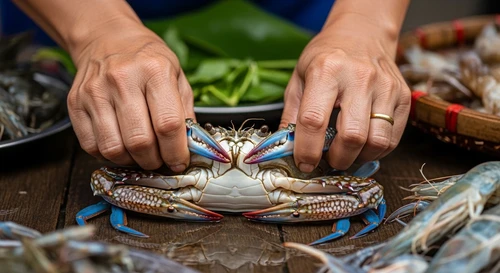
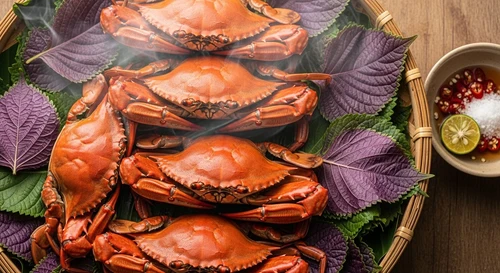
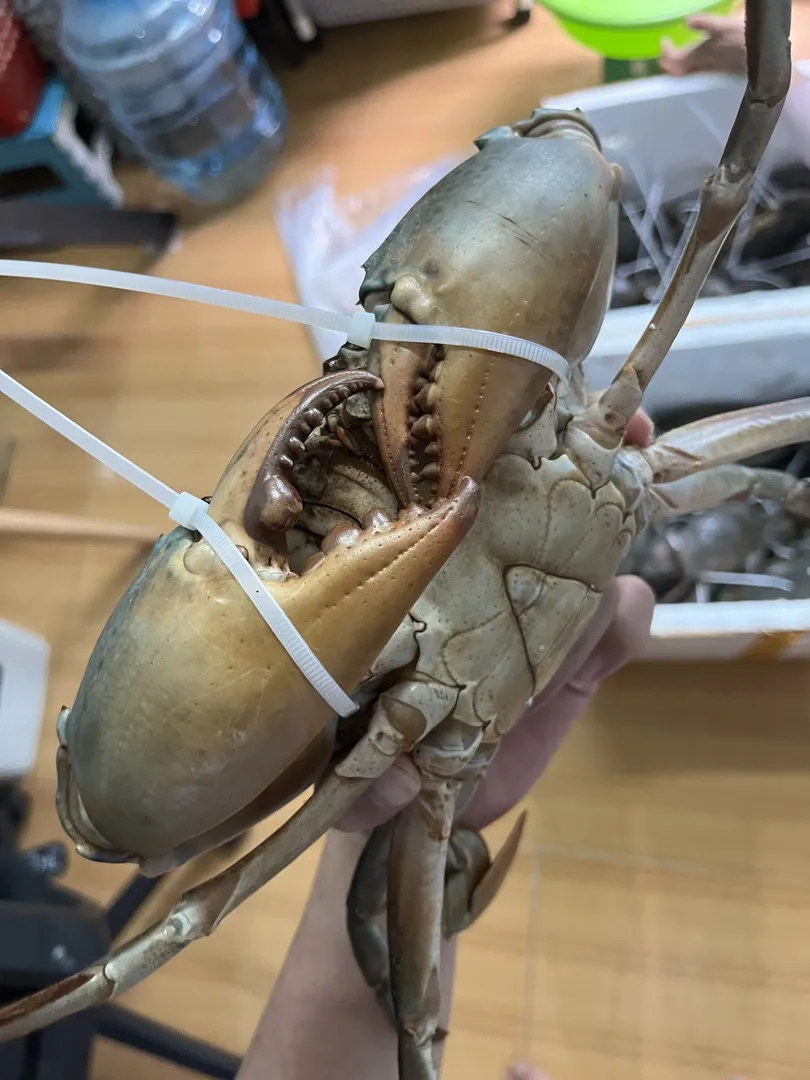
Ca Mau Jumbo Mud Crab
Ca Mau Jumbo Mud Crab
A large male mud crab prized for dense, sweet meat and thick claws, commonly used in steamed crab and grilled crab dishes across the Mekong Delta.
An icon of coastal culinary heritage, featuring firm, sweet meat that captures the raw power and freshness of Ca Mau's tides.
2 The Alchemy of Texture: Ice Water Bathing
The secret to truly transcendent lobster sashimi lies not just in the freshness of the lobster, but in its texture. Raw lobster meat can sometimes be a touch too soft, lacking that satisfying snap. This is where the humble ice bath works its magic.
After the lobster is expertly prepared – a task requiring a steady hand and profound respect for the creature – the sashimi-grade slices are plunged into a bracing bath of ice water. This isn't just about chilling; it's a shock to the system that tightens the muscle fibers, forcing them to firm up and develop an exquisite, almost crystalline crunch. It’s the difference between merely eating lobster and experiencing its vibrant, living essence.
3 The Art of the Slice
This is where precision meets intuition. Slicing live lobster for sashimi is not a job for the faint of heart, nor for the amateur. It requires the keenest of knives, an unwavering focus, and an understanding of the lobster's anatomy.
The goal is to achieve clean, translucent cuts that showcase the pearly white flesh, threaded with the faintest hint of red. Each slice should be uniform, allowing for even exposure to the ice bath and a consistent mouthfeel. Think of it as sculpting, where the blade dances across the resilient flesh, revealing its delicate beauty. This isn't about speed; it's about reverence for the material.
4 A Kiss of Heat: The Role of Wasabi
The pungent punch of traditional wasabi can sometimes overwhelm the delicate sweetness of lobster. For this dish, the key is a mild, freshly grated wasabi. Its sharp, clean heat is meant to be a whisper, not a shout.
A tiny dab on the side of the lobster slice, just enough to awaken the palate without eclipsing the primary flavor. It’s about creating a harmony, where the sharp green notes of the wasabi dance playfully with the sweet, briny notes of the lobster. Think of it as the perfect dance partner – present, supportive, and enhancing the star of the show.
5 The Mekong's Legacy: Uncompromising Freshness
The philosophy underpinning much of the Mekong Delta's culinary heritage is simple: start with the freshest possible ingredients. This is particularly true for seafood. Whether it's the plump mud crabs from Ca Mau or the succulent prawns that navigate the intricate waterways, the delta's providers understand that true flavor begins at the source.
For lobster sashimi, this means sourcing the finest live lobsters, ideally from sustainable coastal fisheries that share the Mekong's commitment to responsible harvesting. The clarity of the water, the purity of the diet – these factors translate directly into the quality of the meat. A lobster that has lived a life of freedom in clean waters will always outperform one raised in stressed environments. This connection to the pristine waters and dedicated aquaculturists of regions like Ca Mau is what elevates this dish from mere food to a true delicacy.
6 Presentation: A Minimalist's Dream
Lobster sashimi demands a simple, elegant presentation. The focus should be entirely on the star. Arrange the glistening slices artfully on a chilled plate, perhaps garnished with a single shiso leaf or a delicate sliver of radish.
A small mound of freshly grated wasabi should be placed strategically, alongside a tiny dish of high-quality soy sauce. The diner then customizes each bite. This is not a dish for elaborate sauces or heavy accompaniments. It is a celebration of pure flavor, texture, and the pristine essence of the ocean.
7 The Essence of Purity
Preparing and savoring lobster sashimi is more than just a meal; it's an engagement with a culinary philosophy. It’s about stripping away the extraneous and focusing on the intrinsic qualities of the ingredient. It's a testament to the idea that sometimes, the most profound flavors are the simplest ones, best revealed through meticulous technique and an unwavering respect for nature’s gifts.
This dish, born from the confluence of Vietnamese coastal bounty and Japanese precision, serves as a powerful reminder: true culinary artistry lies not in overcomplication, but in the profound understanding and celebration of purity. It’s a fleeting, exquisite taste of the ocean's soul.