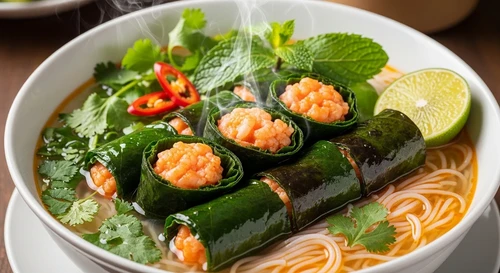
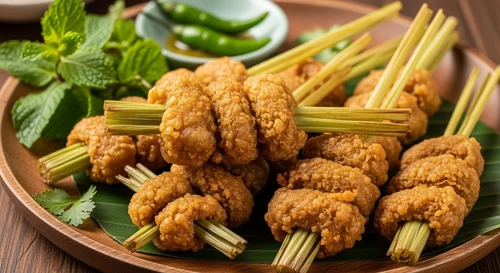
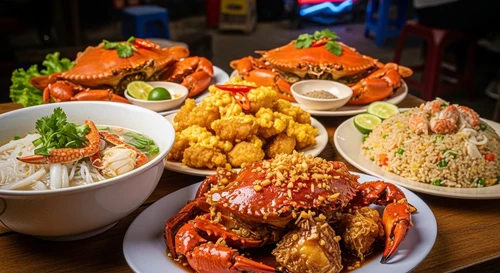
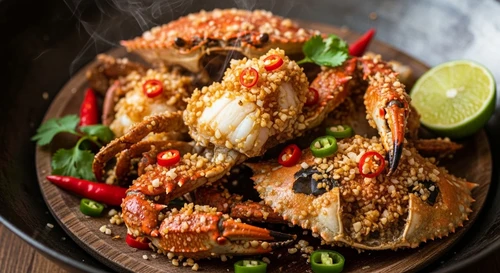
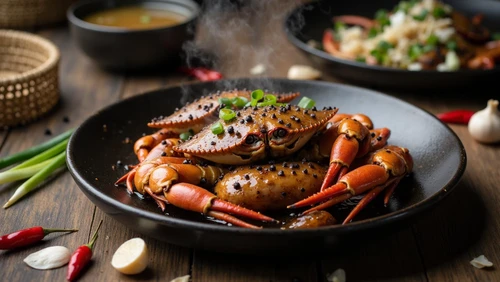
" In the intricate culinary tapestry of the Mekong Delta, where every ingredient tells a story and every dish is a reflection of the land and its people, few preparations are as elegantly simple yet profoundly effective as steaming blue crab with perilla leaves. It’s a dish that speaks of ancient wisdom, a gentle embrace against the encroaching chill, and a deep respect for the bounty of the brackish waters. "
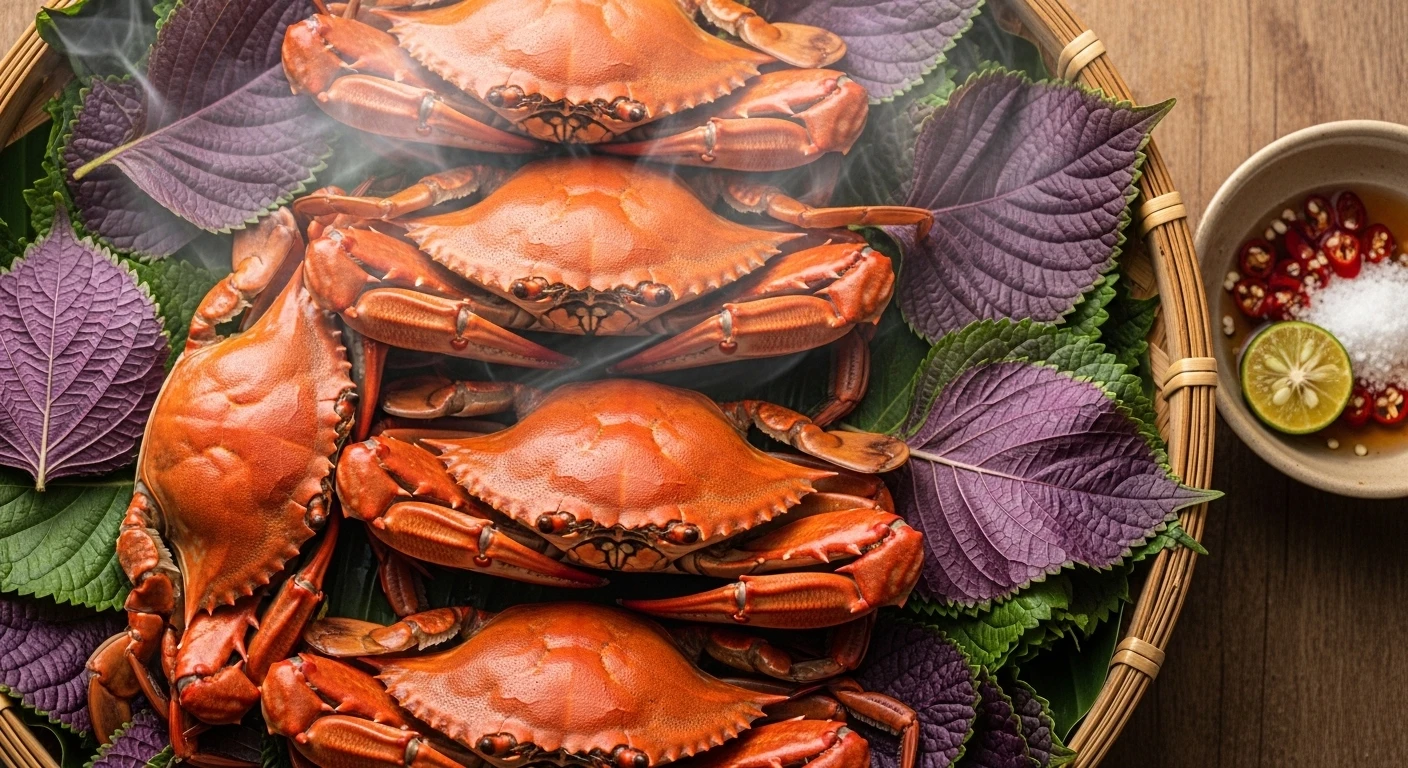
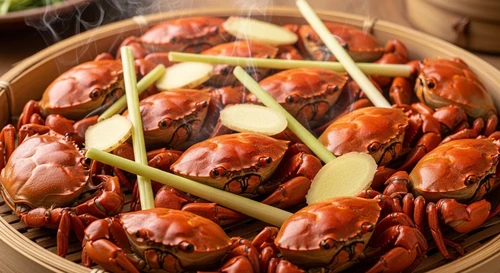
📸 The vibrant hue of freshness, enhanced by the aromatic steam.
1 The Mekong's Embrace: Beyond the Taste
The Mekong Delta, a labyrinth of winding rivers and lush canals, is a realm where seafood reigns supreme. Life here ebbs and flows with the tide, and the daily catch dictates the culinary rhythm. While flamboyant dishes often steal the spotlight, there's a profound beauty in the elemental, the unadorned. Steaming blue crab with perilla leaves is one such testament. It’s not just about flavor; it's about tradition, about understanding the subtle language of the body, and about leveraging nature’s own pharmacy.
This seemingly simple preparation is rooted in a deep-seated folk wisdom, particularly prevalent in the cooler, damper months in the southern regions. The description itself, "to ward off cold," points to a culinary practice that goes beyond mere sustenance. It's about creating internal warmth, balancing the 'cooling' nature of seafood, and preventing the common gastrointestinal discomforts that can arise. The purple perilla leaves, known locally as tía tô, are the unsung heroes here.
The Perilla's Power
Perilla (Perilla frutescens) is a fragrant herb widely used in East Asian and Southeast Asian cuisines. In Vietnam, the purple variety (tía tô tím) is prized for its distinct aroma and perceived medicinal properties. Traditionally, it's believed to have warming, detoxifying, and anti-inflammatory effects. Consuming it alongside seafood is thought to counteract the 'cold' properties of shellfish, thus preventing stomach aches and promoting good digestion.
Nature's Balance
The very act of steaming is a gentle cooking method that preserves the delicate sweetness of the crab. Pairing this with the aromatic, slightly peppery notes of perilla, the subtle warmth of ginger, and the clean canvas of water or a light broth creates a dish that is both comforting and revitalizing. It’s a culinary philosophy that values harmony – the harmony between ingredients, between the body and its environment, and between the past and the present.
2 The Star of the Show: The Mighty Blue Crab
When we talk about crab in the Mekong Delta, we are often referring to the Mud Crab (Scylla serrata), a prized crustacean found in the region's coastal mangroves and estuarine areas. While "blue crab" might evoke images of the American East Coast, the crabs from Ca Mau and other southern provinces share a similar robustness and intensely sweet flesh.
The key to this dish is the quality of the crab. Freshness is paramount. In the bustling markets of Can Tho or the quiet jetties of Ca Mau, crabs are often sold alive, clattering in woven baskets. Their shells should be firm, their limbs tucked in, and their eyes bright. For steaming, I particularly admire the heft and dense meat of a well-fed male crab.
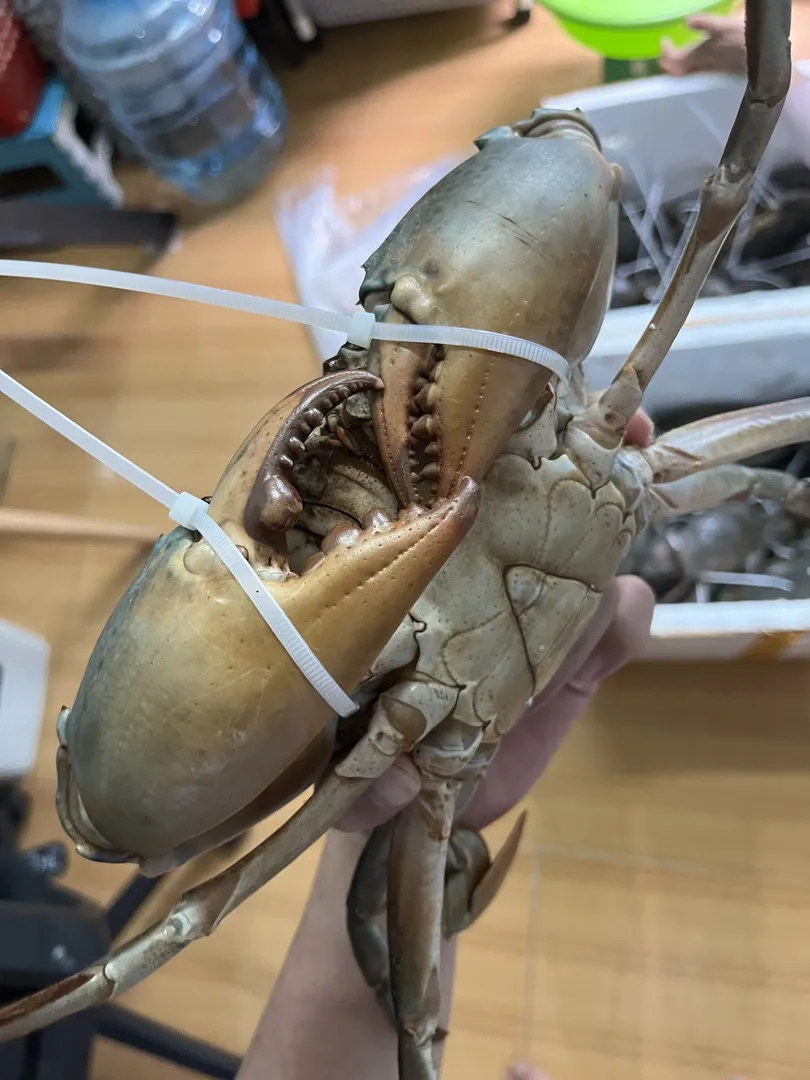
Heritage Ingredient
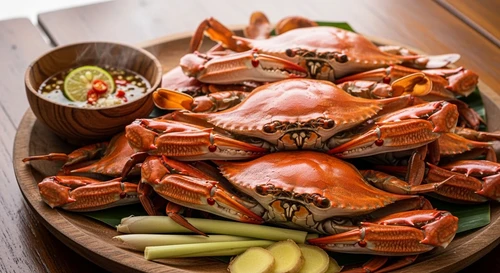
Ca Mau Jumbo Mud Crab
Ca Mau Jumbo Mud Crab
A large male mud crab prized for dense, sweet meat and thick claws, commonly used in steamed crab and grilled crab dishes across the Mekong Delta.
An icon of coastal culinary heritage, featuring firm, sweet meat that captures the raw power and freshness of Ca Mau's tides.
Whether it’s a ‘cua thịt’ (meat crab) with its substantial claws or a ‘cua gạch’ (roe crab) offering rich, unctuous roe, the crab’s intrinsic flavor is the main event. Steaming allows this pure, briny sweetness to shine through, unmasked by heavy sauces or overpowering spices. It’s a dish that demands respect for the ingredient, and the perilla leaves simply act as fragrant, protective companions.
3 The Humble Arsenal: What You'll Need
The Stars
- Live Blue Crabs (or Mud Crabs): 2-4 medium-sized crabs (approx. 300-400g each). Ensure they are lively and fresh.
- Purple Perilla Leaves (Tía Tô): A generous bunch (about 1-2 cups loosely packed). Wash thoroughly.
The Supporting Cast
- Fresh Ginger: A thumb-sized piece, sliced.
- Water or Light Broth: About 1-2 cups, enough to create steam. Some might use a splash of rice wine or fish sauce, but pure water is classic.
- Optional: A few kaffir lime leaves for extra fragrance.
4 The Ritual of Steam: A Step-by-Step Guide
Preparing the Crab (with respect)
Rinse the live crabs thoroughly under cold running water. To ensure humane preparation and prevent escape, place them in the freezer for 15-20 minutes to numb them. Alternatively, a quick, decisive pierce through the carapace from the underside with a sharp knife can be used. Once numbed or dispatched, clean them by removing the apron and rinsing any gills.
Creating the Aromatic Bed
In a large steaming pot or wok, add your water or light broth. Add the sliced ginger and any optional lime leaves. Ensure the liquid does not touch the steamer rack when it's in place. Arrange a generous layer of the washed perilla leaves on the steamer rack. This forms the fragrant base upon which the crabs will sit.
The Steaming Process
Place the prepared crabs on top of the perilla leaves on the steamer rack. Cover the pot tightly to trap the steam. Bring the liquid to a rolling boil over high heat. Once boiling, reduce the heat slightly but maintain a vigorous steam. Steam for approximately 15-20 minutes for medium crabs, or until the shells turn a vibrant reddish-orange and the crab meat is opaque.
Rest and Serve
Once cooked, turn off the heat and let the crabs rest in the steam for a few minutes. This helps the meat to become even more succulent. Carefully remove the crabs from the steamer. They are best served immediately, hot and fragrant, with their aromatic perilla leaves.
The Essential Accompaniment: A Mekong Dipping Sauce
While the perilla leaves impart their own subtle fragrance, steamed crab truly sings when paired with a bright, zesty dipping sauce. In the Mekong Delta, simplicity often prevails, allowing the crab’s sweetness to remain the star.
1. Salt & Fresh Lime
A classic blend of coarse sea salt and freshly squeezed lime juice. The acidity cuts through the richness of the crab.
2. Bird's Eye Chili
Thinly sliced bird's eye chilies added to the salt and lime mixture for a fiery kick.
3. Optional: Fish Sauce
A tiny splash of premium fish sauce (nuoc mam nhi) can add umami depth, but use sparingly.
In some coastal areas of the Mekong, you might find a variation where a small amount of fermented shrimp paste (mắm nêm) is mixed into the dipping sauce. This adds a powerful, pungent umami that is an acquired taste but deeply loved by many locals.
6 From the Mangroves: Beyond Blue Crab
The Mekong Delta is a treasure trove of unique seafood. While blue crab is a highlight, the region’s waters yield a diverse array of delights. Understanding these ingredients offers a deeper appreciation for the local cuisine.
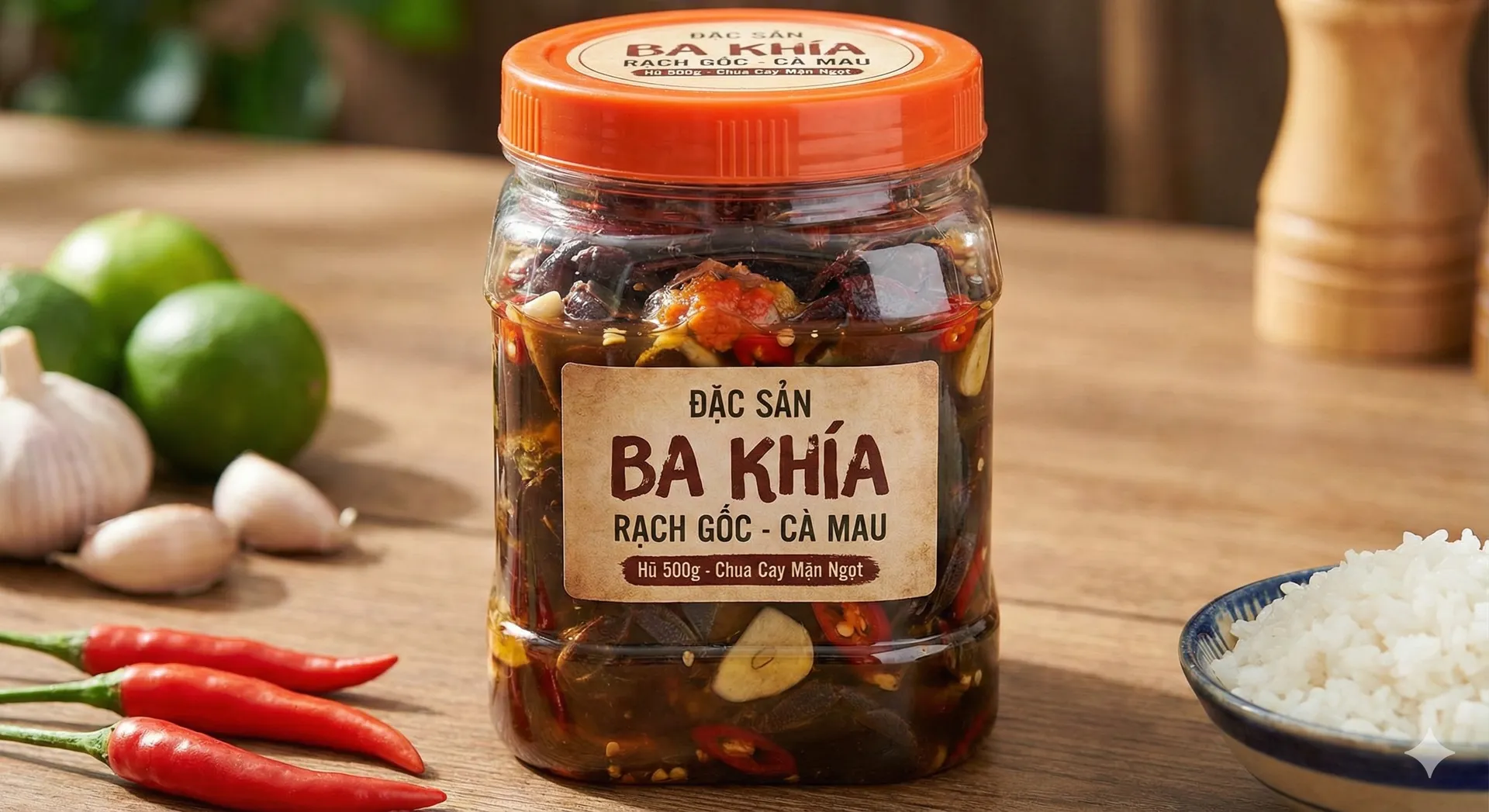
Heritage Ingredient
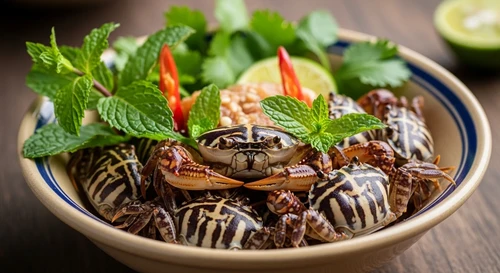
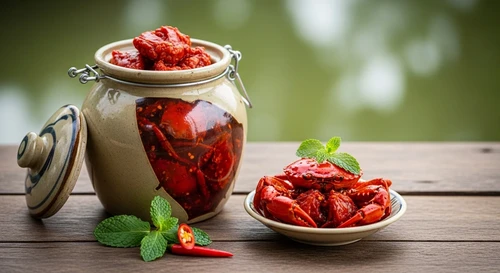
Fermented Mangrove Crab (Ba Khia)
Fermented Mangrove Crab (Ba Khia)
A traditional fermented crab specialty from the mangrove region of Rach Goc, often cited in articles about rustic Mekong Delta flavors and preserved seafood culture.
The salty-sour heartbeat of the wild south, where traditional fermentation turns forest crabs into a nostalgic explosion of rustic Mekong soul.
Ba Khia: The Fermented Mangrove Crab
A true taste of the mangroves, Ba Khia are small, wild crabs fermented in brine. Often eaten whole (shell and all) with a zesty dipping sauce, they are intensely savory and a staple during the latter half of the lunar year. They represent the rustic, preserved flavors of the Delta.
Other gems include the ubiquitous mudskipper (ca thoi loi), a fascinating amphibious fish found in the mudflats, often grilled with chili salt, and various types of shrimp, from the prized Black Tiger to the smaller, sweeter wild varieties. Each brings its own character to the table, reflecting the rich biodiversity of the Delta.
7 Health & Wellness: The Perilla Promise
The practice of pairing perilla leaves with seafood is more than just a culinary technique; it's a nod to traditional East Asian and Southeast Asian medicine principles. Perilla is believed to aid digestion, reduce inflammation, and possess certain antiviral properties.
In the context of heavy, rich seafood, perilla acts as a natural counterpoint. Its compounds are thought to help break down proteins and fats more efficiently, alleviating the digestive burden. This wisdom has been passed down through generations, ensuring that the pleasure of eating delicious crab doesn't come at the cost of discomfort. It’s a gentle reminder that food can be both a source of joy and a tool for well-being.
While modern science continues to explore the full spectrum of perilla's benefits, its role in traditional Vietnamese cuisine, especially in the Mekong Delta where fresh seafood is abundant and the climate can be humid and cool, remains invaluable. It’s a testament to how local knowledge can offer practical solutions for everyday life.
8 A Final Thought from the Delta
Steaming blue crab with perilla leaves is more than just a recipe; it's an experience. It’s an invitation to slow down, to appreciate the purity of fresh ingredients, and to connect with the age-old wisdom of the Mekong Delta. The subtle aroma, the tender flesh, the cleansing dip – it all culminates in a dish that nourishes the body and soothes the soul. In a world often chasing the next culinary trend, there’s profound satisfaction in returning to such elemental, honest cooking. It’s the taste of home, the taste of tradition, and the taste of the Mekong itself.