1 The Scarcity in Ca Mau
The Mekong Delta, a realm of interconnected waterways and life-giving floods, is transforming. As the dry season tightens its grip, the vast network of canals and rivers that feed the region begins to recede, leaving behind cracked earth and a stark reminder of nature's cycles. This is particularly true in Ca Mau province, Vietnam's southernmost point, a land intertwined with mangroves, coastal salt marshes, and the rhythms of the sea. It's here, in the quiet villages dotting this aquatic landscape, that the annual challenge of the low-water season unfolds, a period that dictates the availability of crucial resources.
Among the most vital of these resources is the wild earth shrimp. These aren't the meticulously farmed shrimp found in vast ponds elsewhere. Earth shrimp, or "tôm đất" in Vietnamese, are small, delicate creatures that thrive in the natural estuaries and brackish waters, particularly in areas adjacent to mangrove forests. They are a product of Ca Mau's unique coastal ecosystem, a wild harvest that has sustained local communities for generations. Their scarcity during the dry season isn't just a minor inconvenience; it's a bellwether for the economic pulse of the region, especially for those in the business of preserving their flavor and bounty.

📸 The Sun's Kiss: Earth shrimp, destined for drying, laid out under the unforgiving Ca Mau sun.
2 Rach Goc's Feverish Market
The coastal commune of Rach Goc, situated at the very tip of the Ca Mau peninsula, is a hub for the dried shrimp industry. Here, traditional kilns, often simple structures designed to harness the intense tropical sun and controlled heat, work tirelessly to preserve the delicate flavor of wild earth shrimp. Dried shrimp, or "tôm khô," is a cornerstone of Vietnamese cuisine, used in everything from flavorful broths and vibrant salads to savory dipping sauces and festive dishes. Its concentrated sweetness and umami make it an indispensable ingredient.
This year, however, the story emanating from Rach Goc is one of tension and escalating costs. The meager catch of wild earth shrimp, a direct consequence of the prolonged low-water season, has created a severe supply-demand imbalance. Local kilns, reliant on a steady stream of fresh shrimp to keep their operations running and fulfill orders, are finding themselves in a desperate scramble. Fishermen, knowing the preciousness of their haul, are holding firm, driving prices upwards. Reports indicate that the prices paid by these dried shrimp producers for live earth shrimp have reached unprecedented, all-time highs. This isn't just a market fluctuation; it's a crisis for an industry built on a resource that is becoming increasingly elusive.
For these small businesses, the decision is stark: pay exorbitant prices and potentially erode profit margins, or face the devastating prospect of shutting down operations altogether. The ripple effect extends beyond the kilns, impacting the livelihoods of fishermen, processors, and ultimately, the availability and cost of this beloved ingredient in kitchens across Vietnam and beyond.
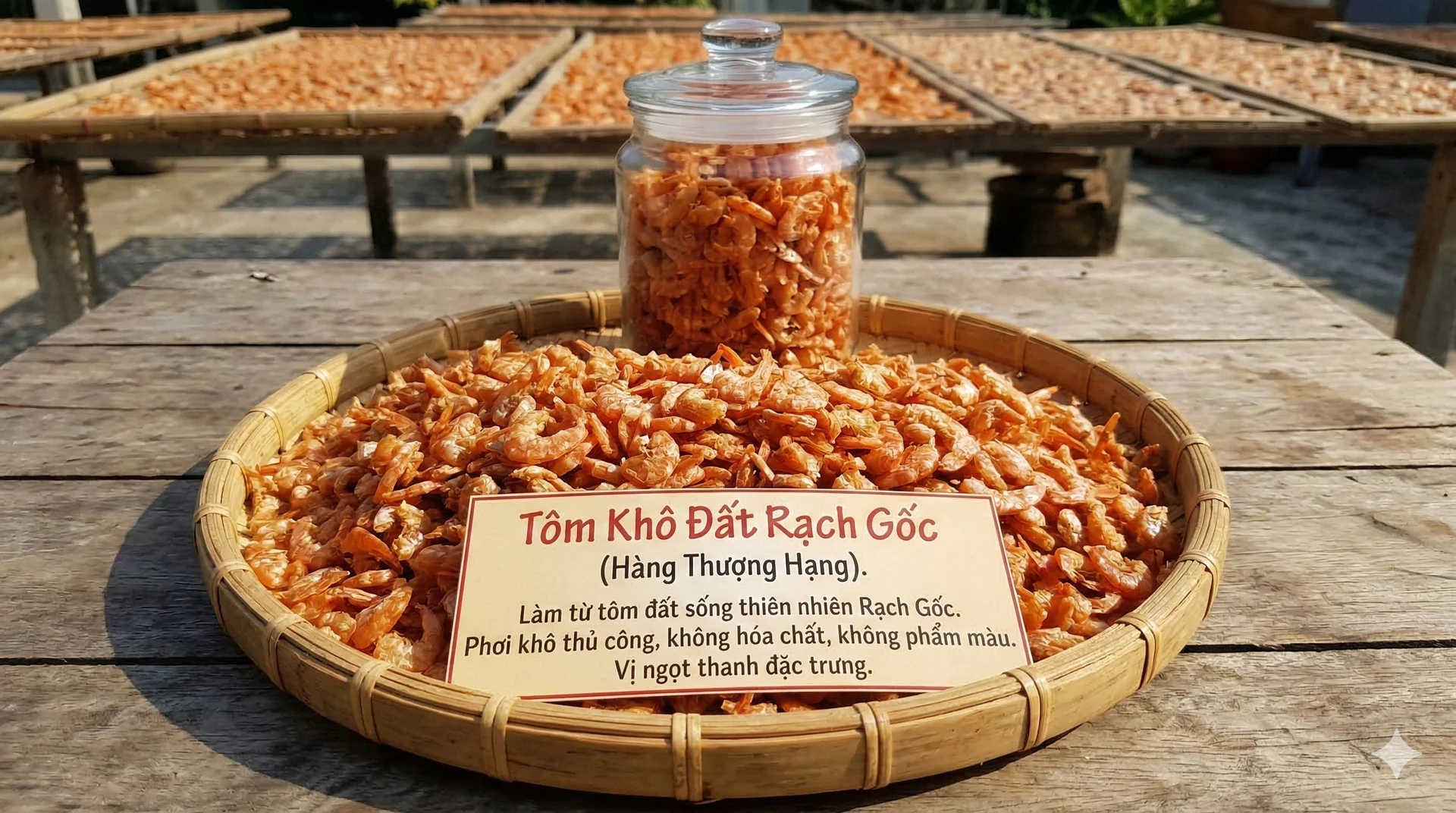
Heritage Ingredient
Sun-Dried Wild Shrimp from Rach Goc
Sun-Dried Wild Shrimp from Rach Goc
Traditional dried shrimp made from small wild shrimp, valued for natural sweetness and commonly used in Vietnamese salads, soups, and festive dishes.
Concentrated sunlight and sea salt in every bite, these crimson gems offer a deep, umami sweetness that whispers tales of Rach Goc's golden shores.
3 More Than Just Shrimp
The story of earth shrimp in Ca Mau is more than an economic report; it's a window into the delicate balance of the Mekong Delta's natural environment. These small crustaceans are an integral part of the food web, feeding on plankton and organic detritus in the water. Their presence, and indeed their abundance, is a direct indicator of water quality and ecosystem health. When the waters are clean and the mangrove roots provide ample shelter, the earth shrimp populations flourish.
The wild harvest relies on traditional fishing methods, often involving small nets cast from boats or from the edges of canals. Fishermen navigate the winding waterways, their knowledge passed down through generations, identifying the spots where these elusive shrimp congregate. It's a painstaking process, requiring patience and a deep understanding of the tides, the salinity of the water, and the behavior of the shrimp themselves. This contrasts sharply with industrial shrimp farming, which, while crucial for global supply, operates on a different set of principles and often carries a different environmental footprint.
The current scarcity serves as a stark reminder that this wild bounty is not infinite. It underscores the importance of sustainable fishing practices and the preservation of the mangrove ecosystems that are their natural habitat. The rising prices are a signal, perhaps, that the true cost of this resource includes the ecological health of the region that produces it.
4 Understanding "Tôm Đất"
So, what exactly is this prized "tôm đất"? Generally, it refers to small, wild-caught shrimp species native to the estuarine and coastal waters of Southeast Asia, particularly prevalent in Vietnam. They are typically smaller in size, often measuring just a few centimeters when fully grown. Their defining characteristics lie in their flavor: intensely sweet, with a delicate, almost tender texture when fresh, and a concentrated, savory punch when dried.
Unlike larger species like black tiger shrimp or whiteleg shrimp, which are often farmed for their size and yield, earth shrimp are harvested for their unique, unadulterated flavor profile. This flavor is a direct result of their natural diet and habitat within the pristine, though now stressed, delta environment. When dried, this inherent sweetness is amplified, making them a key ingredient for dishes like gỏi cuốn (fresh spring rolls) where they provide a concentrated umami burst, or in soups and savory porridges to enrich the broth.
The difficulty in sourcing them this season means that chefs and home cooks alike are facing challenges. Some may have to substitute with other, less flavorful dried shrimp varieties, while others might absorb the cost, making dishes that traditionally feature earth shrimp more expensive.
5 From Catch to Kiln
The transformation of live earth shrimp into tôm khô is a time-honored craft, a testament to human ingenuity in preserving nature's bounty. In Rach Goc, this process is deeply ingrained in the local culture. The first step after the shrimp are landed is meticulous washing to remove any debris. Then comes the crucial stage: drying.
Traditionally, this involves spreading the shrimp thinly on large bamboo trays, which are then placed under the direct, intense heat of the tropical sun. This natural drying is supplemented by controlled heat from simple kilns, especially when weather conditions are less favorable or to achieve the desired level of dehydration. The process requires constant attention – turning the shrimp, ensuring even drying, and protecting them from rain or excessive humidity. The goal is to remove almost all moisture, locking in the flavor and extending shelf life significantly.
This year, the high cost of raw material puts immense pressure on this traditional process. Producers are gambling on future demand and are forced to invest more upfront for a less predictable yield. The quality of the final product, which relies on the freshness and type of the initial shrimp, is also at stake. It's a high-wire act of balancing tradition, economic reality, and the volatile whims of nature.
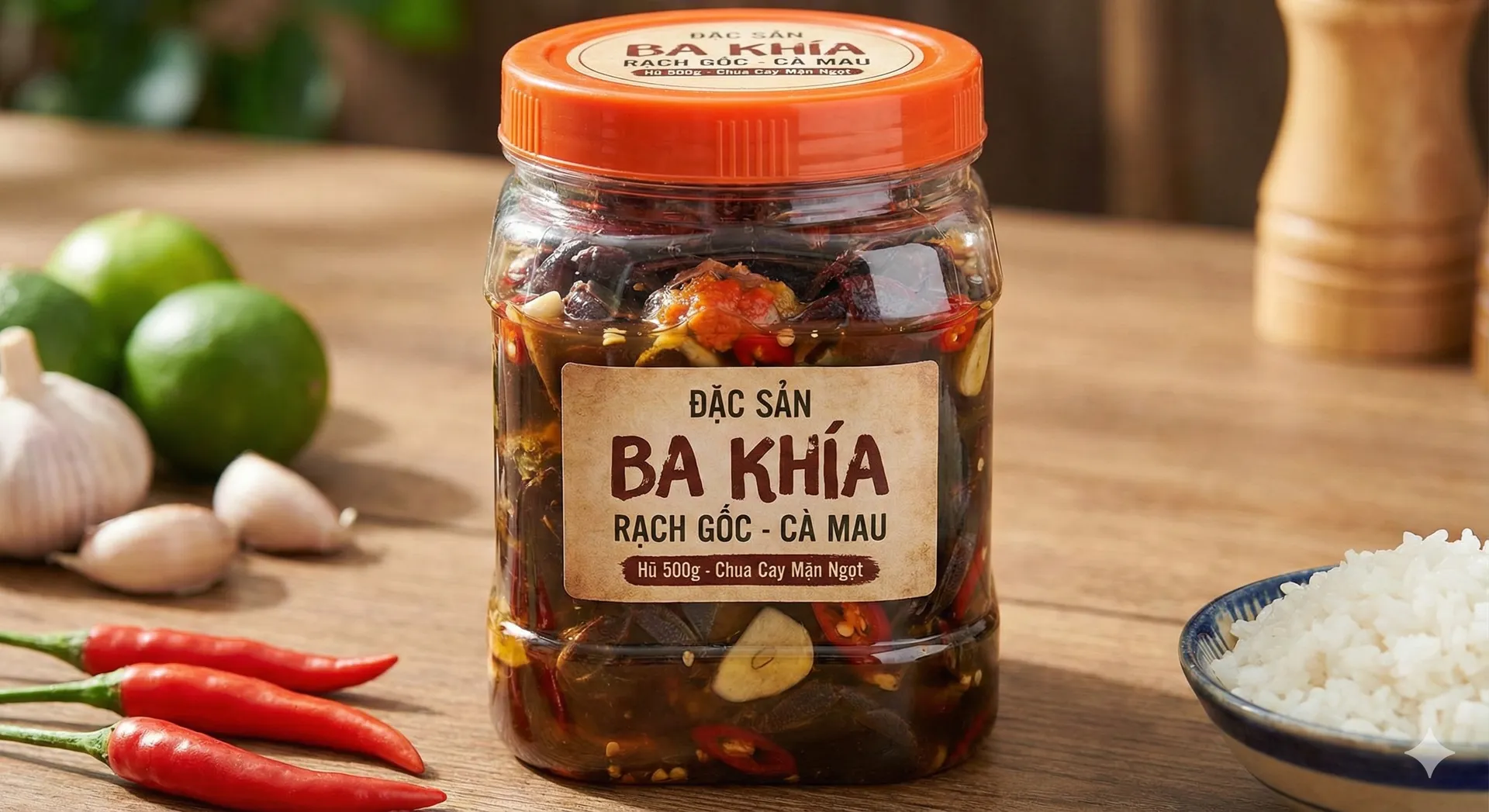
Heritage Ingredient
Fermented Mangrove Crab (Ba Khia)
Fermented Mangrove Crab (Ba Khia)
A traditional fermented crab specialty from the mangrove region of Rach Goc, often cited in articles about rustic Mekong Delta flavors and preserved seafood culture.
The salty-sour heartbeat of the wild south, where traditional fermentation turns forest crabs into a nostalgic explosion of rustic Mekong soul.
6 Ripples Through the Delta
The surge in earth shrimp prices in Ca Mau is more than just a local market anomaly; it sends ripples across the Mekong Delta's intricate economic and culinary landscape. For the dried shrimp producers in Rach Goc, the increased cost of their primary raw material directly impacts their profitability. This can lead to difficult decisions: absorbing losses, passing the increased cost onto consumers, or reducing production. Each choice has consequences.
Consumers, whether in Vietnam or abroad, will likely feel the pinch. Dishes that rely heavily on the distinctive flavor of tôm khô made from earth shrimp will become more expensive. This could affect the popularity of certain traditional meals or force a shift towards less authentic, though more affordable, substitutes. The cultural aspect of food – the ability to prepare and share specific dishes that are part of a heritage – can be subtly eroded when key ingredients become prohibitively costly.
Furthermore, the high prices can incentivize unsustainable harvesting practices if not managed carefully. Desperation to meet demand could lead to overfishing, further depleting wild stocks and exacerbating the problem for future seasons. This underscores the critical need for robust management of wild fisheries and support for sustainable aquaculture alternatives that can complement, rather than compete with, wild harvests.
7 A Forewarning from the Frontlines
The struggles faced by Ca Mau's earth shrimp harvesters and dried shrimp producers are symptomatic of a larger, more pervasive challenge: climate change and its profound impact on the Mekong Delta. Rising sea levels, erratic rainfall patterns, increased frequency of extreme weather events, and saltwater intrusion are fundamentally altering the delta's geography and its agricultural and ecological systems.
The low-water season, once a predictable period of transition, is becoming more pronounced and challenging. The receding waters that stress the wild shrimp populations also affect rice cultivation, fruit orchards, and freshwater aquaculture. Livelihoods that have been sustained for centuries are being tested, forcing communities to adapt, diversify, or migrate. The high price of earth shrimp is not just a story of market dynamics; it's a tangible indicator of the environmental pressures the Mekong Delta is under.
This situation calls for greater attention to climate adaptation strategies, sustainable resource management, and support for the communities on the frontlines. Preserving the delicate ecosystems that yield these precious wild resources, like the earth shrimp, is not just about maintaining a culinary tradition; it's about safeguarding the future of the Mekong Delta and its people.
8 Navigating the Future
As the prices of wild earth shrimp continue to climb, the industry and the communities it supports face a critical juncture. The path forward requires a multi-pronged approach, focusing on both immediate adaptation and long-term sustainability.
One crucial area is the exploration and promotion of sustainable aquaculture for shrimp species that can thrive in changing delta conditions, potentially easing the pressure on wild stocks. Simultaneously, investing in research and technology to enhance the efficiency and sustainability of the traditional drying process could help producers cope with rising costs and ensure product quality. Supporting fishermen with better market information and fair pricing mechanisms is also vital to prevent exploitation during scarcity.
Ultimately, the story of Ca Mau's earth shrimp is a microcosm of the challenges and resilience found throughout the Mekong Delta. It's a reminder that our food systems are inextricably linked to the health of our planet, and that protecting natural resources is not just an environmental imperative, but an economic and cultural necessity. The quest for wild earth shrimp, and the record prices it commands, is a potent symbol of a delta striving to adapt in a changing world.
Trending Topics:
More Mekong Market Insights
View More Food & Culinary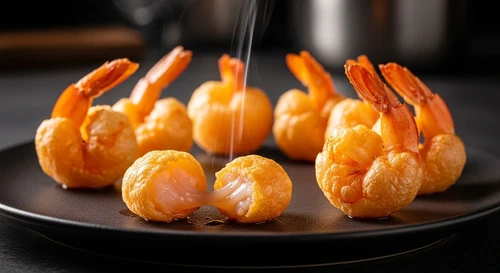
The Ultimate Technique of High-Heat Oil-Washed Shrimp by Chinese Head Chefs
Shrimp coated in a thin batter and swished through boiling oil for exactly 5 seconds, making the shell puffed and crispy while the meat remains juicy.
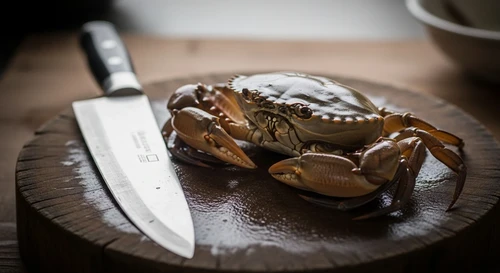
How to Humanely Dispatch a Crab Before Cooking
A quick thrust with a knife or scissors to the nerve center. A guide to humane and safe seafood preparation.
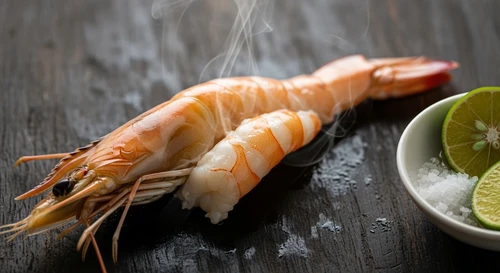
How to Peel a Giant Prawn by Hand Without Scissors
Snap the head, press down the spine, and unwrap the shell in one piece. Impress your friends at the dinner table.
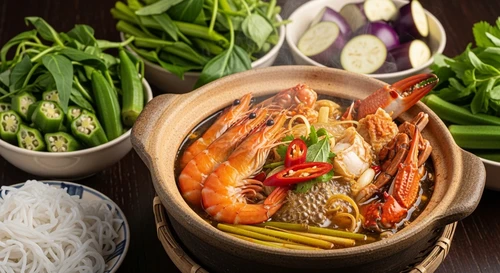
Lau Mam: The Pungent Fermented Hotpot of the South
A daring culinary adventure. This boiling cauldron features fermented fish broth, fresh vegetables, and salty Ba Khia.
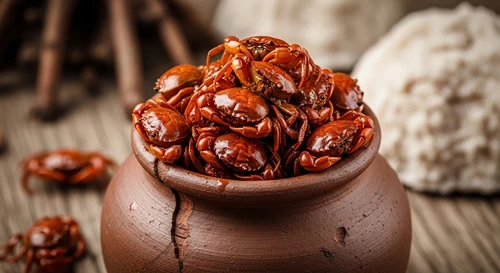
Mam Ba Khia: The Ancient Art of Fermenting Crabs
Discover the traditional Rach Goc method of salting and fermenting these tiny crabs to preserve them year-round.
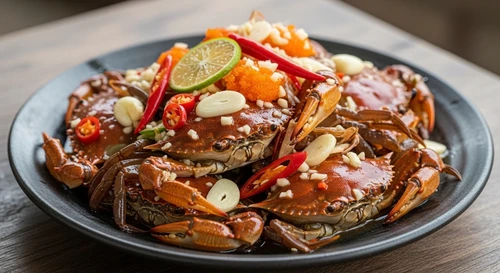
How to Prepare Sweet & Sour Salted Fiddler Crab (Ba Khia Tron)
The ultimate rice-killer recipe. How to mix salted crab with lime, garlic, chili, and sugar to balance its intense brininess.
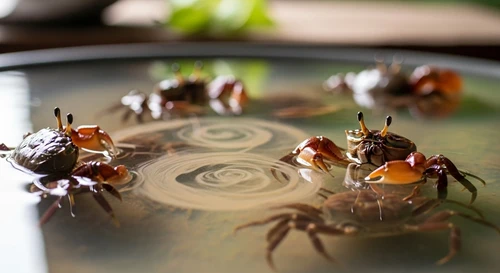
How to Purge Mud from Live Fiddler Crabs Using Warm Water
A clever prep hack: soaking them briefly in 40°C water forces the crabs to spit out impurities from their gills.
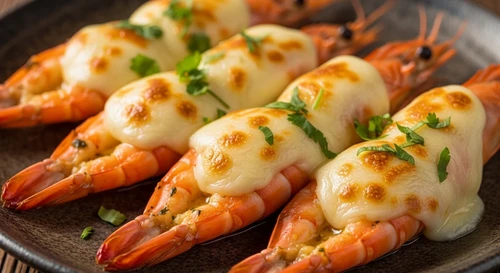
Baked Giant Freshwater Prawns with Mozzarella Cheese
Split down the back, slathered in garlic butter, and baked until the mozzarella stretches elegantly. A 5-star restaurant favorite.
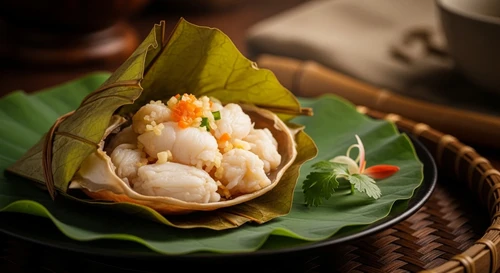
Crab Meat Steamed in Lotus Leaves: A Royal Hue Recipe
Experience the delicate and aristocratic flavors of Hue cuisine with this fragrant steamed crab cake.