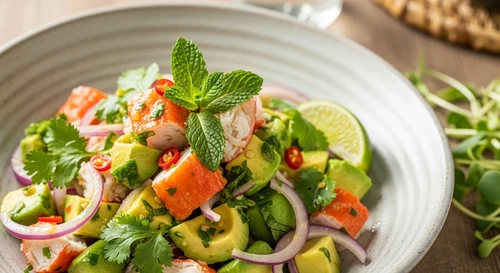
" Forget the fuss, the tiny forks, the awkward scraping. This is about pure, unadulterated seafood communion. It's the mark of a diner who respects the prize, and knows how to liberate it. "
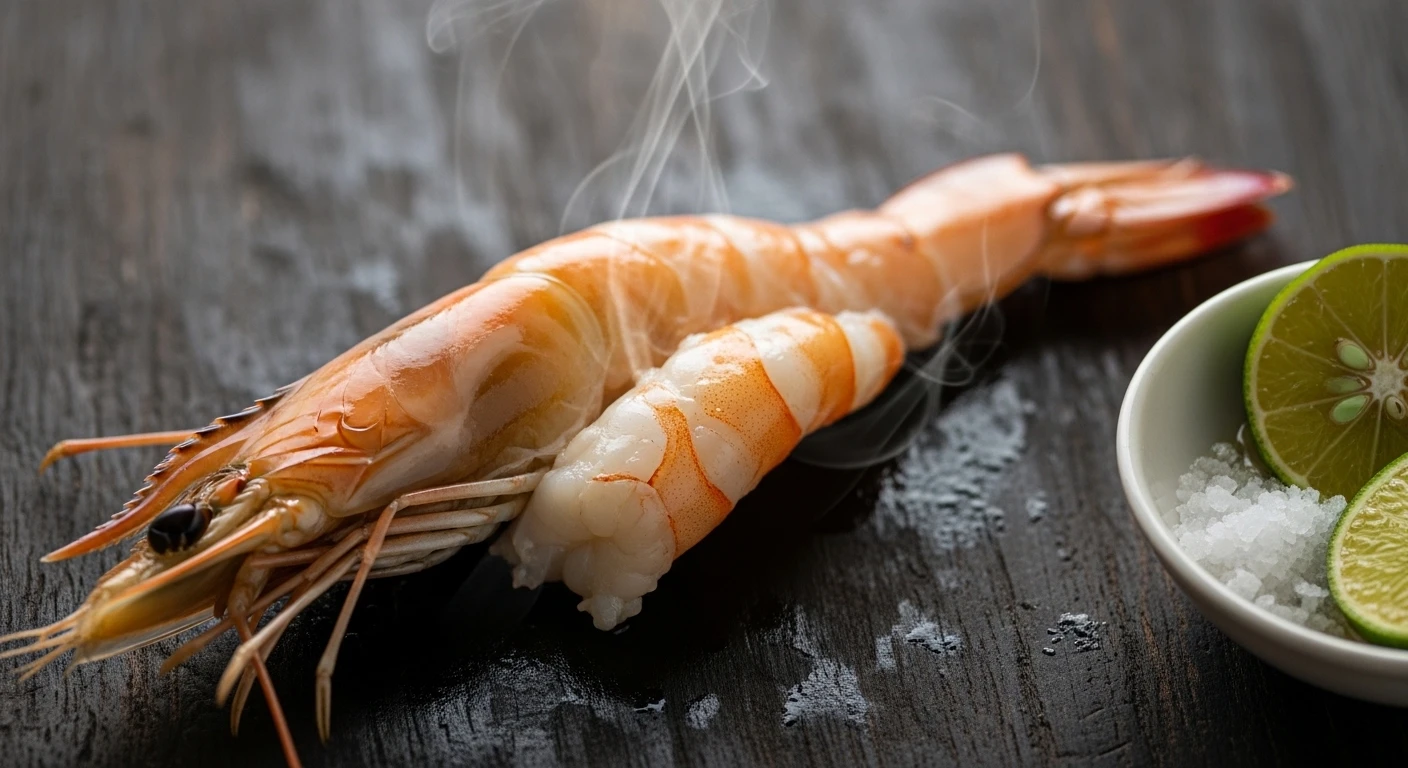
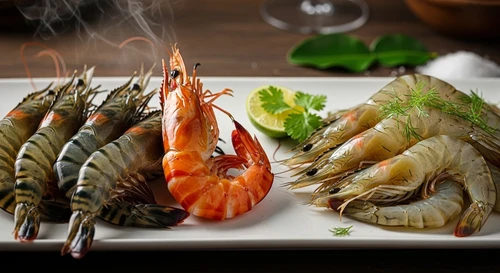
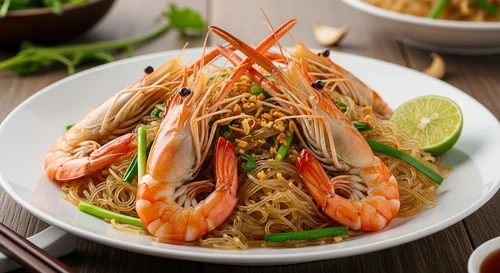
📸 The prize: A giant prawn, ready to be devoured.
1 Giants of the Mekong
Venture into the labyrinthine waterways of Vietnam's Mekong Delta, and you'll encounter seafood of epic proportions. This region, often called the 'rice bowl' of Vietnam, is also a treasure trove of aquatic life. The vast network of rivers, canals, and brackish estuaries teems with prawns, crabs, and fish prized for their size and exceptional flavor. Among these, the Mekong Giant Freshwater Prawn (Macrobrachium rosenbergii) stands out.
The Prawn's Domain
These magnificent crustaceans thrive in the slow-moving, freshwater environments of the delta. Their distinctive long, blue claws and impressive size are a testament to the rich, nutrient-dense waters where they grow.
Culinary Prestige
Whether grilled over charcoal with a hint of lemongrass, simmered in a rich broth, or simply boiled to perfection, the Mekong Giant Prawn is a celebrated delicacy. Its meat is firm, sweet, and abundant, making it a dish worth savoring – and knowing how to properly eat.

Heritage Ingredient
Mekong Giant Freshwater Prawn
Mekong Giant Freshwater Prawn
A river prawn with long blue claws and rich head fat, common in grilled prawn dishes and hotpot traditions across the Mekong basin.
Majestic blue-clawed warriors of the Mekong, famous for their rich, fatty heads and a savory depth that captures the essence of the delta's rivers.
2 Knowing Your Crustacean
Before you can master the art of peeling, a brief understanding of the prawn's anatomy is key. Unlike smaller shrimp, these giants present a bit more of a challenge, but it's all manageable with the right technique.
The Head & Body
- Cephalothorax (Head): This is where the magic happens – the rich, buttery fat. Some people love it, some shy away. We'll address how to enjoy it.
- Abdomen (Body): Composed of segmented shell. This is what we'll be working with.
- Telson (Tail): The fan-like appendage.
The Limbs & Armor
- Antennae: Long, sensory feelers. Usually discarded.
- Walking Legs: Small, brittle legs. Often removed first.
- Claws: The defining feature of Mekong giants. They can be removed for easier handling.
- Shell (Exoskeleton): Hard segments covering the body. This is what we need to peel.
3 Liberating the Meat
This method relies on a few key pressure points and a decisive pull. It's elegant, efficient, and requires no tools beyond your own hands.
The Decapitation (Head Snap)
Hold the prawn firmly with one hand. With your thumb and forefinger of the other hand, grasp the prawn just behind the head, where the cephalothorax meets the abdomen. Apply a sharp, decisive snap to break the head from the body. It should detach cleanly.
Press Down the Spine
With the head removed, place the prawn on a clean surface, belly side down. Using the palm of your hand or a firm thumb, press down firmly along the length of the prawn's back. You're aiming to slightly compress the shell segments, making them more pliable.
The Unwrap (Shell Release)
Now, here's the crucial part. Starting from the break point behind where the head was, slide your thumbs under the shell. Apply gentle upward pressure, guiding your thumbs along the sides of the abdomen. The shell should start to separate from the meat.
The Reveal
Continue to pull the shell downwards, segment by segment. With a bit of luck and the right pressure, the entire shell should peel away in one or two large pieces, leaving the prawn meat perfectly exposed, often still attached to the tail. You can then easily remove the tail and the deveined digestive tract (the dark line along its back).
The Head Fat: A Mekong Delicacy
That rich, orange-hued fat in the prawn's head is a prized element in Vietnamese cuisine, especially in the Mekong Delta. Don't discard it!
1. The Taste
It's intensely savory, packed with umami and a distinct seafood sweetness. Think of it as the prawn's concentrated essence.
2. The Texture
Creamy, almost buttery, it coats the tongue and enhances the sweetness of the prawn's flesh.
3. How to Eat
Suck it directly from the head cavity, or mix it with a bit of the prawn's meat. It's also a fantastic base for dipping sauces.
For an authentic Mekong experience, pair your giant prawns with a simple dipping sauce of sea salt, black pepper, and a squeeze of fresh lime. The salt and pepper highlight the prawn's natural sweetness, while the lime cuts through the richness of the head fat.
Other Mekong Monsters
The delta's bounty isn't limited to prawns. While the giant prawn is a star, other regional seafood demands skillful handling and appreciation.
Heritage Ingredient
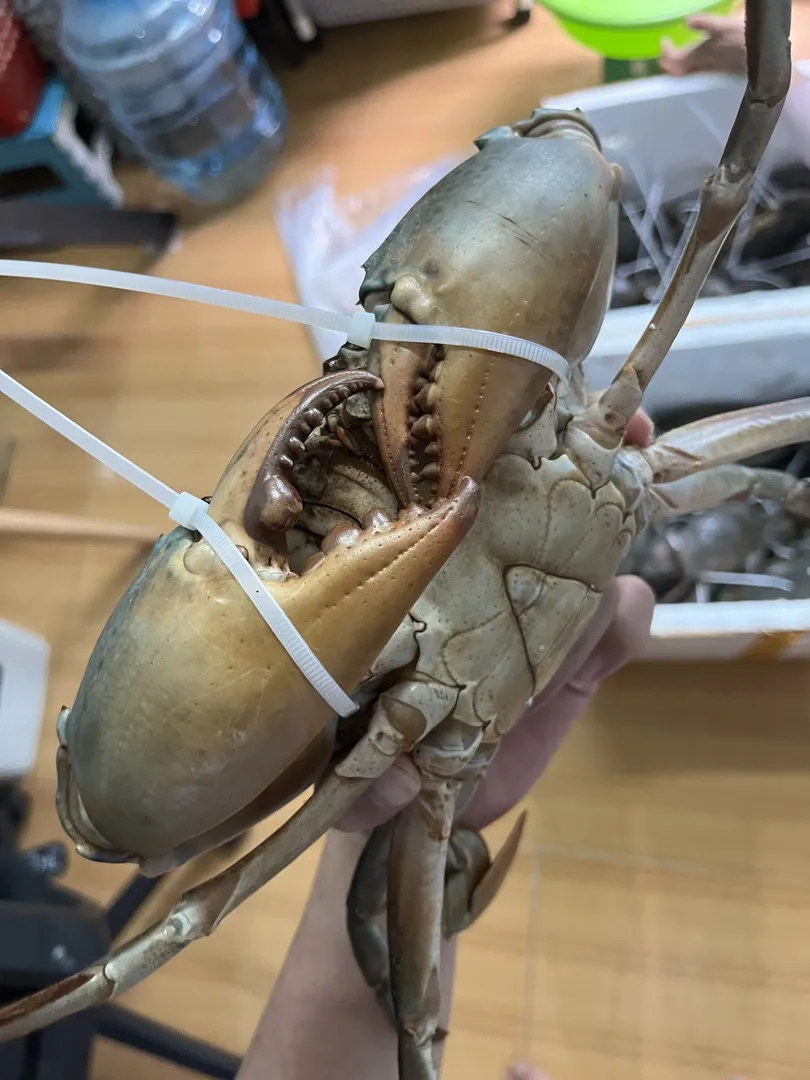
Ca Mau Jumbo Mud Crab
Ca Mau Jumbo Mud Crab
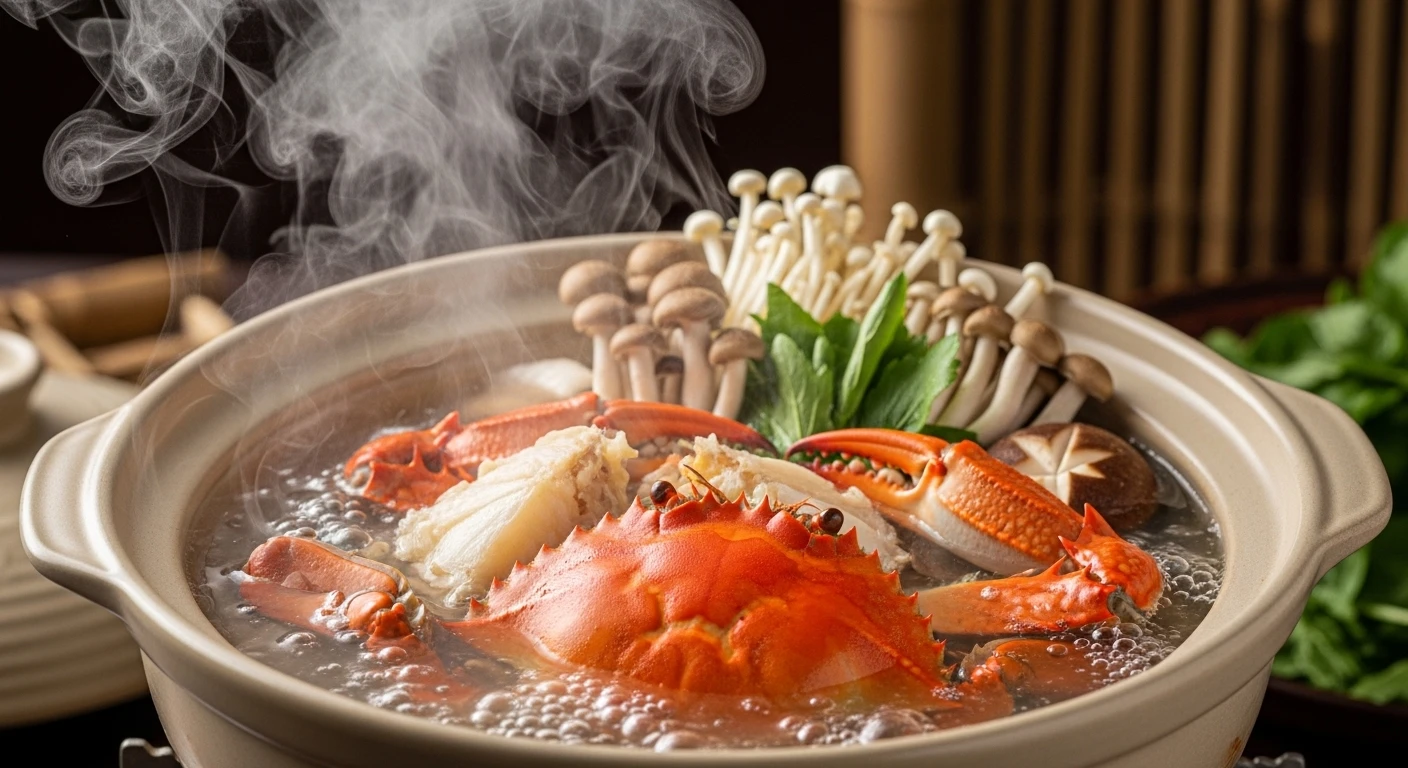
A large male mud crab prized for dense, sweet meat and thick claws, commonly used in steamed crab and grilled crab dishes across the Mekong Delta.
An icon of coastal culinary heritage, featuring firm, sweet meat that captures the raw power and freshness of Ca Mau's tides.
Ca Mau Mud Crab
From the coastal mangrove regions, these crabs boast thick, meaty claws and a rich, sweet flesh. Peeling them requires a different, more robust approach, often involving mallets and nutcrackers, but the reward is immense.

Snakehead Fish (Ca Loc)
A freshwater predator common in the delta's waters, often grilled whole with spicy chili salt. Its firm, white flesh is mild and pairs perfectly with fresh herbs and dipping sauces.
The Art of the Table
In many Western cultures, the use of utensils for seafood is standard. However, mastering the hand-peeling technique for large prawns offers a window into a more direct, elemental way of eating – common in many Asian dining traditions, including parts of Vietnam.
The Western Etiquette
Typically involves a seafood fork and knife, sometimes a cracker. It's about precise separation and often feels a bit formal.
The Mekong Approach
This hand-peeling method is about efficiency and respect for the ingredient. It's primal, satisfying, and showcases a hands-on appreciation for the bounty of the river.
Mastering this technique isn't just a skill; it's a conversation starter. It shows you've engaged with the food, understood its form, and are ready to savor its essence. At your next dinner party, impress your guests with this simple, yet profound, culinary revelation.
Frequently Asked Questions
🤔 Can I use this for other large shrimp, like Tiger Prawns?
🤏 What if my hands aren't strong enough?
💡 Should I devein the prawn before peeling?
Craving More Mekong Flavors?
Discover the pungent, addictive taste of Ba Khia – fermented mangrove crabs, a true delta specialty.
🦀 Dive into Ba Khia