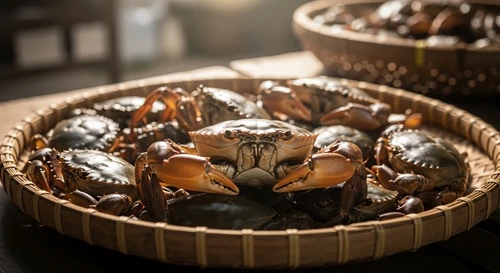
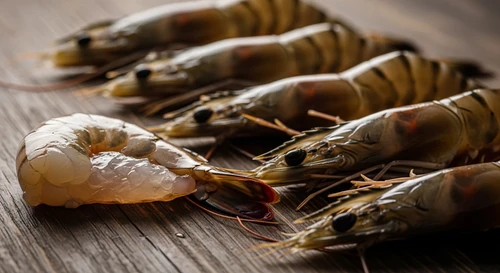
" The Mekong Delta. It’s a world carved by water, where the rhythm of life is dictated by tides and the bounty of its rivers. And in this symphony of flavor, there’s one ingredient that stands out for its delicate, sweet flesh: crab. But even the finest crab, from the famed mangrove forests of Ca Mau, can lose its soul if treated carelessly. That’s where the simplicity, and the genius, of the ice water trick comes in. "

📸 The prize: Perfectly dressed crab, ready to be devoured.
1 The Undoing of Great Crab
We've all been there. You prepare a beautiful crab dish, maybe a flavorful Tamarind Crab or a simple marinated crab, only to find that hours later, the delicate meat has turned… well, mushy. It’s a culinary tragedy, especially when dealing with the precious crustaceans of the Mekong.
The culprit? Usually, it's the interplay of moisture, acidity, and time after the initial cooking. Once crab meat is exposed to air and a dressing—especially one with acidic elements like lime or vinegar, or even just the natural moisture in the crab itself—it begins to break down. The proteins lose their structure, and that satisfying firmness gives way to a soft, unappealing texture. This is particularly true for dishes where crab is marinated or dressed ahead of time, like the beloved Ba Khia.
The "Mush" Factor
When crab meat sits in a dressing or marinade, enzymes and acids begin to degrade the protein structure, turning firm flesh soft and crumbly.
The Time Element
The longer crab meat is exposed to moisture and dressing after cooking, the higher the risk of losing its desirable crunch and texture.
2 From the Mangroves to Your Table
The Mekong Delta, a labyrinth of rivers, canals, and fertile plains, is a paradise for seafood lovers. Along its vast coastline and within its intricate waterways, a variety of crabs thrive. Among the most prized are the small, intensely flavored crabs known as Ba Khia, often found in the brackish waters of Rach Goc and surrounding mangrove areas. These are not your giant mud crabs; they are typically fermented or marinated, their shells often eaten along with the sweet meat.
The challenge with small, intensely flavored crabs like Ba Khia, or even when preparing larger crabs for salads or cold appetizers, is maintaining that satisfying textural integrity. Restaurants in the Delta, where consistency is key for a bustling clientele, have long employed a simple yet ingenious technique. It’s a method so basic, so intuitive, that it’s often overlooked by home cooks.
The Humble Ba Khia
These small mangrove crabs are a staple. Traditionally fermented or marinated, their shells are often consumed, making crispness paramount.
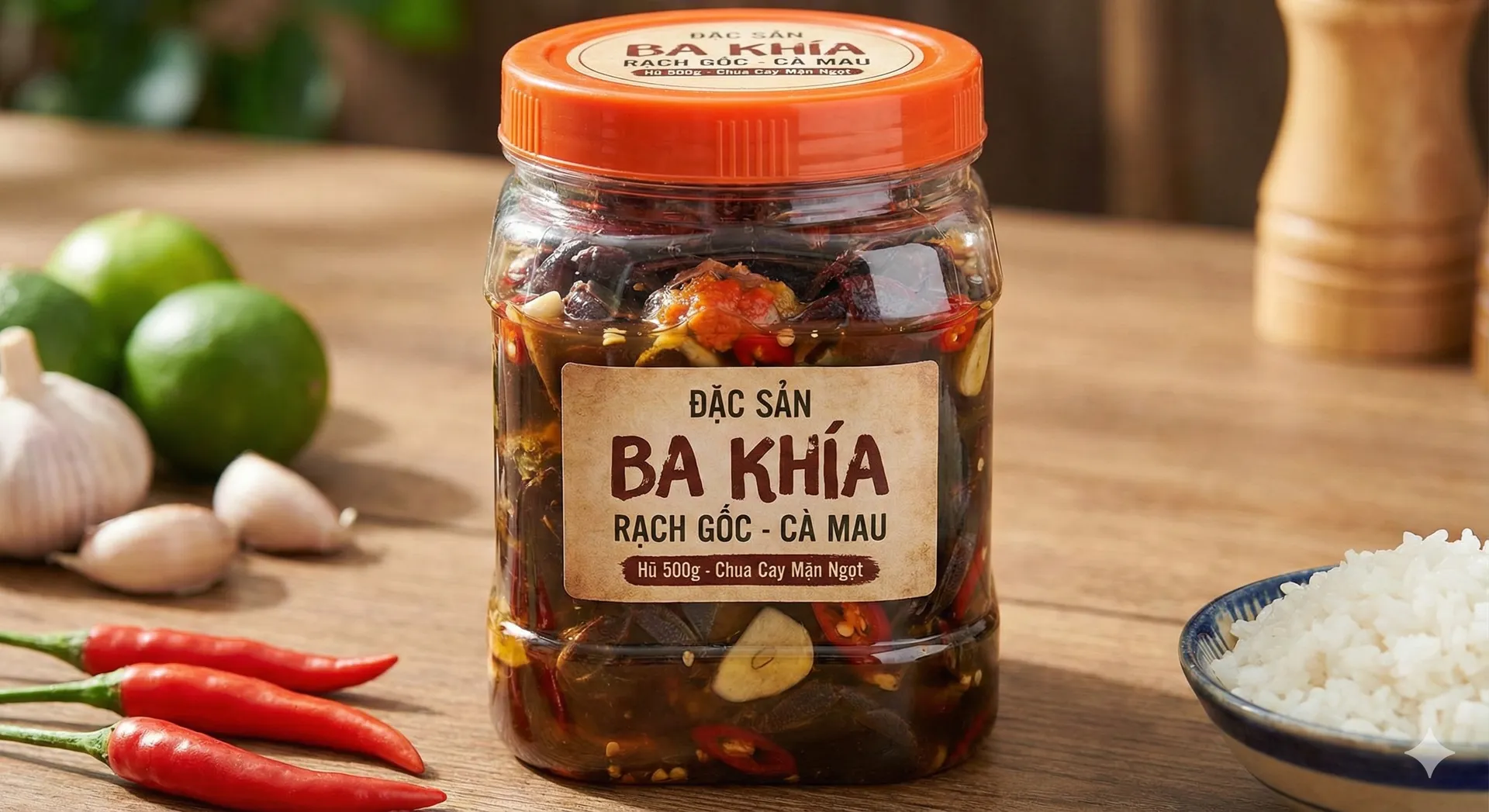
Heritage Ingredient
Fermented Mangrove Crab (Ba Khia)
Fermented Mangrove Crab (Ba Khia)
A traditional fermented crab specialty from the mangrove region of Rach Goc, often cited in articles about rustic Mekong Delta flavors and preserved seafood culture.
The salty-sour heartbeat of the wild south, where traditional fermentation turns forest crabs into a nostalgic explosion of rustic Mekong soul.
This technique isn't about complex marinades or exotic spices. It's about understanding the fundamental physics and biology of seafood. It’s about respecting the ingredient and ensuring it delivers its best potential, bite after bite, hour after hour.
3 The Chilling Secret
The core of the "ice water trick" is remarkably straightforward: shock the cooked crab meat in an ice bath. This isn't just about cooling it down; it's about rapidly tightening the muscle fibers. Think of it like a quick, intense workout for your crab meat.
1. The Ice Bath Prep
Fill a large bowl or sink with ice cubes and cold water. Enough to submerge the crab pieces entirely.
2. The Shock Treatment
Once your crab is cooked and cooled slightly, gently break it down into serving pieces (claws, legs, body meat). Submerge these pieces in the ice bath for 5-10 minutes. You’ll see the meat firm up almost immediately.
3. Drain & Dry
Remove the crab pieces from the ice bath. Drain them thoroughly in a colander. Pat them very dry with paper towels. This is crucial for the dressing to adhere properly without making things watery.
This rapid cooling causes the meat fibers to contract, squeezing out excess moisture and firming up the texture. It's a physical process that locks in that desirable bite, making the crab more resilient to the subsequent marination or dressing.
4 The Crucial Timing
Now that your crab is firm and ready, the question becomes: when do you add the dressing? This is where the "for days" part comes in.
The Restaurant Approach: Dress Just Before Serving (or shortly before)
For peak freshness and maximum crunch, the ideal scenario is to prepare the crab, perform the ice bath, and then toss it with your desired dressing (often a mix of fish sauce, lime juice, sugar, garlic, and chili for Ba Khia) just before it hits the table. This method guarantees the freshest, crunchiest texture.
However, for practical reasons—especially when preparing for a party or needing to make ahead—the ice water trick allows for a longer window.
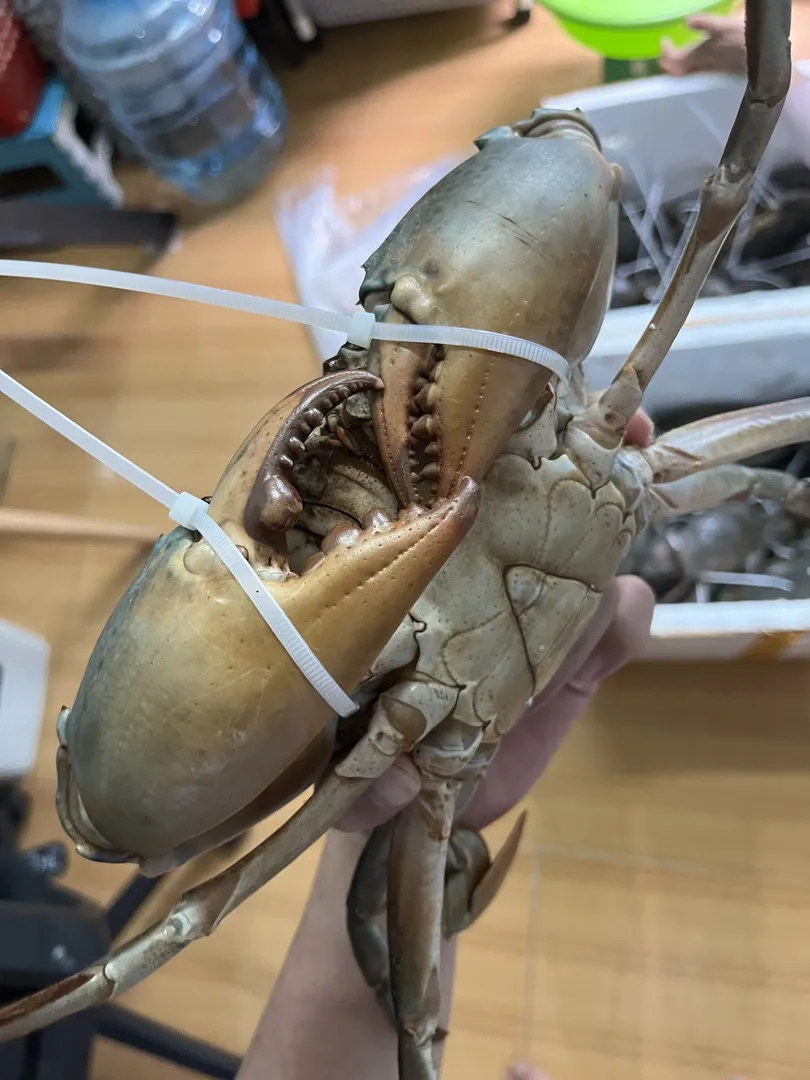
Heritage Ingredient
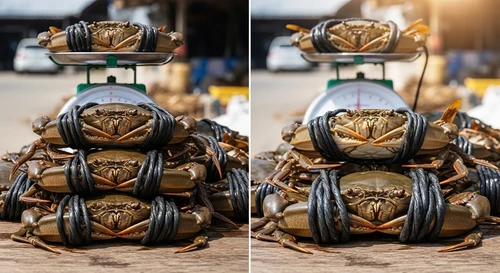
Ca Mau Jumbo Mud Crab
Ca Mau Jumbo Mud Crab
A large male mud crab prized for dense, sweet meat and thick claws, commonly used in steamed crab and grilled crab dishes across the Mekong Delta.
An icon of coastal culinary heritage, featuring firm, sweet meat that captures the raw power and freshness of Ca Mau's tides.
The "Make-Ahead" Advantage:
After the ice bath and thorough drying, the crab meat is significantly more robust. You can then toss it with your dressing and refrigerate it. The firming effect of the ice bath helps to prevent the meat from becoming waterlogged and mushy, even when it sits in the dressing for several hours, or up to a day or two. It won't be *as* crisp as freshly dressed crab, but it will be miles better than crab prepared without this crucial step. The key is ensuring the crab is *completely dry* before dressing.
5 Beyond Ba Khia: Wider Applications
While this technique is a lifesaver for Ba Khia, its application extends far beyond. Think about other dishes where crab meat is a star:
- Crab Salads: Whether it's a light, refreshing Vietnamese-style salad or something richer, the ice bath ensures your crab meat holds its own against other ingredients and dressing.
- Cold Crab Appetizers: Preparing crab for a tasting platter or a special appetizer? This method keeps it firm and appetizing for longer.
- Stuffed Crab: If you're making a stuffing where crab meat is pre-mixed, the ice bath helps bind the meat better and prevent a mushy filling.
- Any dish needing pre-cooked crab meat: If you've boiled crab ahead of time for later use, an ice bath is essential to preserve its texture.
The delta's culinary wisdom often lies in these simple, pragmatic steps that honor the ingredient. Whether you're using the small, potent Ba Khia from the mangroves or a majestic Ca Mau Mud Crab destined for a finer meal, this trick ensures the best possible texture.
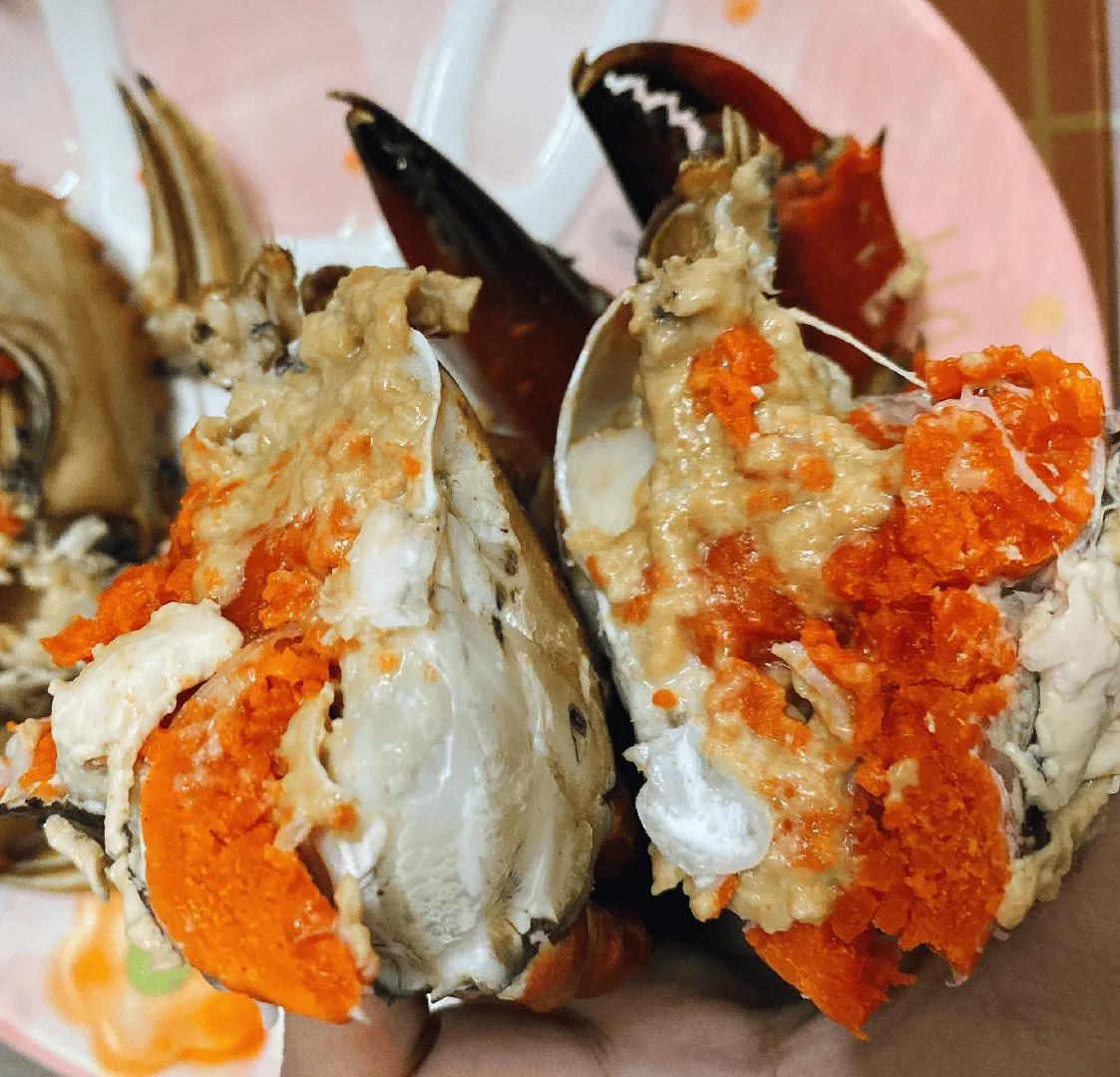
Heritage Ingredient
Ca Mau Roe Mud Crab
Ca Mau Roe Mud Crab
A female mud crab known for deep orange roe and a rich, creamy finish, often featured in celebratory Southern Vietnamese seafood meals.
A crimson treasure hidden within a shell, boasting rich, creamy roe that melts on your tongue like a golden sunset over the delta.
The Perfect Companion: A Simple Mekong Dressing
While the ice water trick preserves texture, a good dressing elevates the flavor. For Ba Khia or general marinated crab, a balance of sweet, sour, salty, and spicy is key.
1. Sweetness Base
Palm sugar or white sugar dissolved in a little warm water.
2. Acidity Kick
Fresh lime juice (never bottled!). Adjust to your sour preference.
3. Salty Umami & Heat
Fish sauce (nuoc mam) and finely minced bird's eye chilies or garlic.
Whisk everything together. Taste and adjust. The perfect dressing should make your taste buds sing, perfectly complementing the firm, sweet crab. For Ba Khia, this dressing is everything.
Chef's Secrets for Supreme Crunch
💧 Don't skip the drying!
🧊 Use Plenty of Ice
⏳ Time Your Dressing
Embrace the Delta's Crunch
The Mekong Delta thrives on simplicity and freshness. The ice water trick is a testament to this philosophy. It's not about complex gastronomy; it's about understanding ingredients and respecting the natural bounty of the region. So next time you’re preparing crab, whether it's for a humble afternoon snack or a festive meal, remember this ancient wisdom. Give your crab the chill it deserves, and savor that perfect, satisfying crunch. It's the taste of the Mekong, preserved.