" The Mekong Delta, with its labyrinthine waterways and vibrant aquaculture, is a realm where shrimp and crab are more than just food; they are lifeblood. But what happens when the very armor that protects these creatures triggers a reaction in us? "
1 The Shell's Secret: Chitin's Role
For many, the succulent, sweet flesh of shrimp is a culinary delight. But for a subset of the population, the experience can turn sour—or rather, itchy—when those delicate shells come into contact with skin or are ingested. The key lies in a compound called chitin.

The complex polymer, Chitin, forms the exoskeleton of crustaceans.
What is Chitin?
Chitin is a long-chain polymer of N-acetylglucosamine, a derivative of glucose. It's one of the most abundant biopolymers on Earth, forming the primary structural component of the exoskeletons of arthropods—including crustaceans like shrimp, crabs, and lobsters—as well as insects and the cell walls of fungi.
Why the Reaction?
While chitin itself is generally considered indigestible and inert for most humans, it can trigger specific immune responses in sensitive individuals. This reaction is often not a direct allergy to chitin itself, but rather a cross-reaction or an inflammatory response. The shell matrix contains various proteins and other compounds, and in some people, the immune system may misidentify certain components as foreign invaders.
2 The Body's Alarm: Histamine and Hives
When your body encounters a perceived threat, a common defense mechanism involves the release of histamine. This compound plays a crucial role in localized immune responses, inflammation, and signaling. In the case of shrimp shell sensitivity, the chitin or associated proteins can act as triggers.
Histamine Release
Upon contact with the trigger (chitin/proteins from the shell), mast cells in the body release histamine. This chemical causes blood vessels to dilate and become more permeable.
The Itchy Red Bumps
The increased permeability allows fluid to leak from the blood vessels into the surrounding skin tissue, resulting in the characteristic raised, red, and intensely itchy welts known as hives, or urticaria.
It's important to note that most people can eat shrimp meat without issue because the meat itself contains far lower concentrations of chitin and the specific proteins that trigger such reactions. The proteins responsible for allergies are often found in higher concentrations in the shell and digestive tract.
3 A Taste of the Delta: Coastal Livelihoods and Culinary Habits
The Mekong Delta, a vast network of rivers, swamps, and islands in southwestern Vietnam, is a powerhouse of aquaculture and fisheries. For generations, communities here have lived by the rhythm of the tides and rivers, with shrimp and crab forming the backbone of their economy and diet.
Aquaculture Hubs
Provinces like Ca Mau, Bac Lieu, and Soc Trang are renowned for their extensive shrimp farms, particularly for Black Tiger Shrimp (Ca Mau Black Tiger Shrimp), nurtured in mangrove ecosystems.
Traditional Preparation
While much of the shrimp is processed for export, local consumption often involves whole preparations where shells are part of the culinary experience—grilled, boiled, or even used in broths. This proximity to shells is a daily reality for many.
Cultural Significance
The humble shrimp and its shell are deeply embedded in the region's food culture, from the simplest street food stalls to celebratory family meals. Understanding this connection highlights why knowledge about potential reactions is so vital.
The abundance of shrimp in the Mekong Delta means understanding these sensitivities is crucial for both locals and visitors.
4 Recognizing the Symptoms
The onset of hives from consuming shrimp shells is usually quite rapid, often appearing within minutes to a couple of hours after ingestion or even direct skin contact with the shells.
Common Signs Include:
- Red, raised welts (wheals) on the skin.
- Intense itching.
- Swelling, particularly around the lips, face, or throat (though this is more severe).
- Gastrointestinal upset (less common, but possible).
Note: If you experience difficulty breathing or significant swelling, seek immediate medical attention, as this could indicate a more serious allergic reaction.
5 Practical Precautions and Solutions
For those affected, managing shrimp shell sensitivity often involves a combination of awareness, careful preparation, and sometimes, medication.
Dietary Awareness
The most straightforward approach is avoidance. This means being mindful of dishes where shrimp shells are intentionally consumed or are likely to be present. In many Western cuisines, shrimp are typically peeled before cooking.
Preparation Tips
When preparing shrimp at home, consider peeling them thoroughly before cooking, especially if you know you are sensitive. Discard the shells responsibly.
Medical Consultation
If you suspect you have a reaction to shrimp shells, it's crucial to consult a healthcare professional or an allergist. They can perform tests to confirm the sensitivity and provide personalized advice.
Antihistamines
Over-the-counter antihistamines can help manage mild to moderate symptoms of hives by blocking the action of histamine.
6 Beyond Shrimp: Other Crustacean Interactions
The presence of chitin isn't exclusive to shrimp. This polysaccharide is a fundamental component of the exoskeletons of all crustaceans and many insects. This means that individuals sensitive to shrimp shells may also react to other shellfish.
Crabs
From the prized Ca Mau Mud Crab (Ca Mau Jumbo Mud Crab) to smaller varieties, their shells are rich in chitin.
Lobsters
The hard outer shell of lobsters, composed largely of chitin, can pose a risk to those with sensitivities.
Insects
While less common in Western diets, insects are also arthropods with chitinous exoskeletons, and can be a trigger for some.
Cross-reactivity is common; if you react to shrimp shells, other crustacean shells might also be problematic.
7 Food Safety and Culinary Traditions
The Mekong Delta's rich culinary heritage is built on the freshest ingredients, sourced directly from the rivers and mangrove forests. While this freshness is a hallmark of Vietnamese cuisine, it also brings a direct connection to the raw components of food.
Whole Ingredient Philosophy
Many traditional Vietnamese dishes, especially those featuring seafood, utilize the whole ingredient to maximize flavor and texture. This is particularly true in rural areas and traditional markets where food is prepared with minimal processing.
Navigating Sensitivity
For travelers or locals with sensitivities, navigating these culinary landscapes requires informed choices. Understanding that a dish might include shrimp shells, even if the primary focus is the meat, is part of the experience.
8 Chitin's Versatile Applications
While chitin can be a source of allergic reactions for some, it's also a fascinating biopolymer with numerous applications beyond exoskeletons, including in medicine, food technology, and agriculture.
Biomedical Uses
Chitin and its derivative chitosan are used in wound healing dressings, drug delivery systems, and as biomaterials due to their biocompatibility and biodegradability.
Food Industry
Chitosan can act as a natural preservative, improving the shelf life of certain foods, and is explored for its potential as a dietary fiber supplement.
Agriculture
It can be used as a natural pesticide and plant growth enhancer, stimulating plant defenses against pathogens.
This demonstrates that chitin, while problematic for some immune systems, is a valuable resource in many scientific fields.
Empower Your Palate, Understand Your Body
The world of food is a fascinating intersection of culture, biology, and sensory pleasure. While the itch from shrimp shells can be uncomfortable, understanding the underlying science—the role of chitin, histamine, and your body's unique response—allows you to navigate your culinary journey with more knowledge and confidence. So next time you're enjoying the bounty of the sea, whether from the vibrant shores of the Mekong Delta or elsewhere, you'll know a little more about what's happening beneath the surface.
Related Topics:
Explore More Health Insights
View More Health & Nutrition
Incalculable Harm from Chewing Too Much Chemically Dyed Dried Shrimp
The amount of nitrate salts and industrial red dye in black-market dried shrimp is a hidden cause of kidney failure if abused.
Surprising Truth: Does Eating Fresh Squid Increase Blood Cholesterol?
Many fear squid is high in cholesterol, but medicine shows that the Taurine in squid actually helps lower blood pressure effectively.
Field Crab, Malabar Spinach, and Luffa Soup: The Ultimate Heat-Relieving Remedy
A perfect combination from nature that helps cool the liver and detoxify the body during the peak heatwaves of summer.
Does Eating Shrimp with Orange/Lime Juice (Vitamin C) Cause Fatal Poisoning?
Debunking the social media myth that arsenic in shrimp combined with Vitamin C creates a deadly, toxic poison.
Does Eating River Crawfish Actually Provide Any Real Nutritional Benefits?
A giant hard shell but tiny meat, mostly containing protein and a high risk of roundworm infection from the mud swamps.
Frozen Shelled Shrimp and Preservatives: What Are You Really Eating?
Investigating the use of Sodium Metabisulfite (a bleaching agent) in supermarket frozen shrimp and its health impacts.
Is Sucking the Rich Fat from Shrimp Heads Actually Good for a Child's Brain?
The harsh truth: Shrimp heads contain waste and accumulate heavy metals rather than brain-boosting nutrients.
Cholesterol Myths: Is Crab Bad for Heart?
Debunking the myth about seafood and cholesterol.
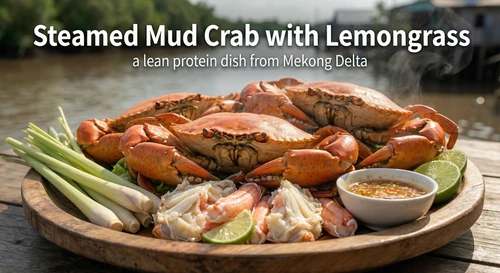
Body Hack: Eat Crab, Stay Snatched & Glowing
The truth about eating crab for weight loss. Scientific breakdown and a fancy 'Eat Clean' menu with Ca Mau Crab.