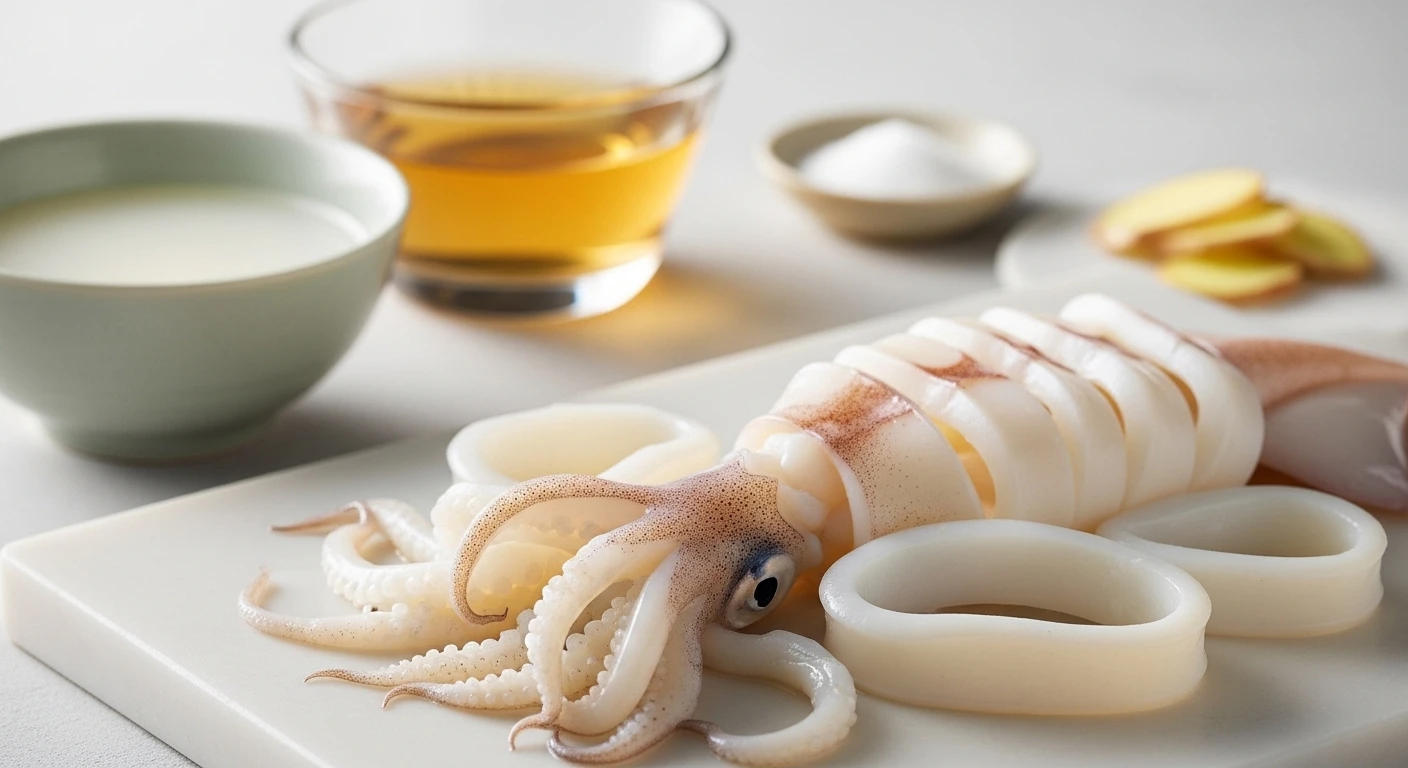
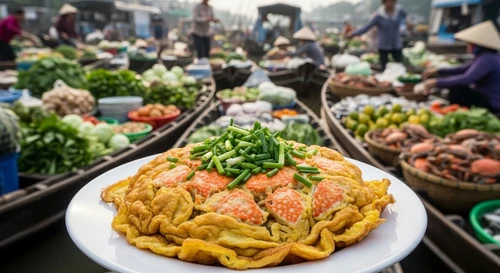
" Forget the earthy, muddy depths of traditional Bun Rieu for a moment. Imagine the Mekong Delta's waters, crystal clear, teeming with life. This isn't your grandmother's Bun Rieu, but it's born from the same rivers, the same pristine waters. It's a whisper of sophistication from a region usually celebrated for its rustic heart. "
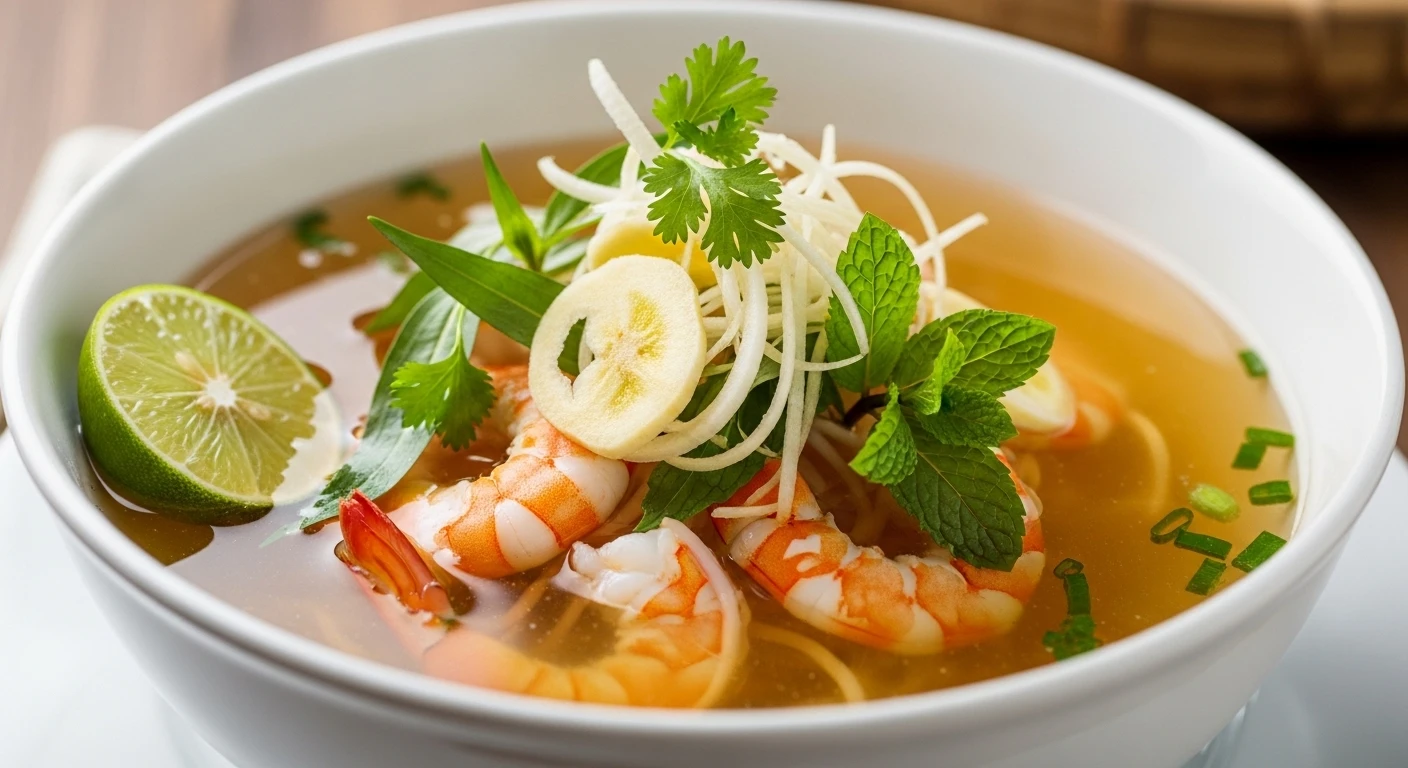
📸 A vision of clarity: The succulent giant prawns swimming in a broth as pure as the Mekong morning mist.
1 The Mekong Delta: Where Rivers Breathe Life
To truly appreciate this dish, you must understand the water that defines Southern Vietnam. The Mekong Delta is not just a geographical region; it's a living, breathing network of rivers, canals, and tributaries that shape everything, especially the food. For generations, the people of this land have lived by the rhythm of the water, drawing sustenance and inspiration from its bounty.
While traditional *Bun Rieu* often features the pungent, earthy flavors of field crabs, this iteration speaks to a different facet of the delta's aquatic wealth: the clarity and sweetness of its prized crustaceans. It’s a refinement, a nod to the idea that even the most beloved comfort food can evolve, embracing elegance without sacrificing its soul.
The Prawn Powerhouse
The star here is the Mekong Giant Freshwater Prawn. These aren't your average shrimp. They boast significant size, a firm texture, and a rich, sweet flavor profile, often attributed to their diet and the pristine waters they inhabit. Their presence elevates the dish from hearty to luxurious.

Heritage Ingredient
Mekong Giant Freshwater Prawn
Mekong Giant Freshwater Prawn
A river prawn with long blue claws and rich head fat, common in grilled prawn dishes and hotpot traditions across the Mekong basin.
Majestic blue-clawed warriors of the Mekong, famous for their rich, fatty heads and a savory depth that captures the essence of the delta's rivers.
Beyond the Crustacean
While prawns take center stage, the subtle foundation of the broth is key. It's a delicate balance, allowing the inherent sweetness of the prawn roe and meat to shine through without the overwhelming notes of crushed crab shells or shells that leave residue. This focus on 'residue-free' flavor is where the innovation lies.
2 Clarity and Purity: A Culinary Philosophy
In many Southeast Asian cuisines, 'clear broth' is a badge of honor. It signifies precision, patience, and a deep respect for the ingredients. For this Prawn Bun Rieu, achieving that pristine, golden liquid is paramount. It’s not about diluting flavor; it's about concentrating the *essence*.
The Foundation
- Prawn Heads & Shells: The key here is using the heads and shells of the giant freshwater prawns. They are simmered gently to extract their sweet, briny essence and natural roe flavor.
- Aromatics: A subtle bouquet of ginger, garlic, and sometimes a hint of star anise or cinnamon (used sparingly) to add depth without overpowering.
- Tomato: Ripe tomatoes provide a natural sweetness and a hint of acidity, contributing to the broth's golden hue.
- Water/Stock: High-quality fish stock or simply filtered water, simmered to perfection.
The 'No Residue' Factor
- Careful Straining: This is non-negotiable. The broth is meticulously strained, often multiple times, through fine-mesh sieves or even cheesecloth to remove any solids, ensuring a perfectly clear soup.
- Focus on Roe: Unlike traditional crab bun rieu where the crab paste is a distinct component, here, the subtle richness comes from the prawn roe. The prawns are cooked just enough to render this flavor into the broth.
- Absence of Fermented Shrimp Paste (Mam Tom): While a staple in many Vietnamese dishes, this lighter version often omits or significantly reduces the *mam tom* to maintain clarity and a less assertive profile.
3 The Delicate Assembly
Prepare the Noodles
Cook your preferred type of rice vermicelli (thin or medium). Traditional Bun Rieu often uses a medium-thick vermicelli. Rinse under cold water to stop cooking and prevent sticking.
Blanch the Prawns
The peeled giant prawns are typically blanched separately to ensure they are perfectly cooked – tender, not rubbery. They are then added to the bowl just before serving or as a garnish.
The Garnish Garden
This is where freshness meets flavor. A generous portion of shaved banana flowers provides a delightful crunch and a subtle, refreshing bitterness. Fresh herbs like mint, Vietnamese coriander (*rau ram*), and lime wedges complete the ensemble.
Flavor Profile: A Delta Symphony
This isn't a dish that shouts. It sings. The sweetness of the prawns is the melody, the clear broth the harmonious accompaniment.
Sweet & Briny
From the prawn roe and fresh crustacean essence.
Subtle Umami
The delicate backbone of the clear broth.
Fresh & Crisp
The crunch of banana flowers and bright herbs.
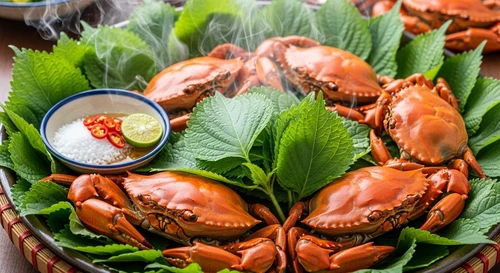
While this version focuses on clarity and prawns, traditional *Bun Rieu Cua* (crab) remains a beloved staple. Sometimes, a touch of Ca Mau Roe Crab can be added to the broth for an extra layer of richness, if one desires more depth.
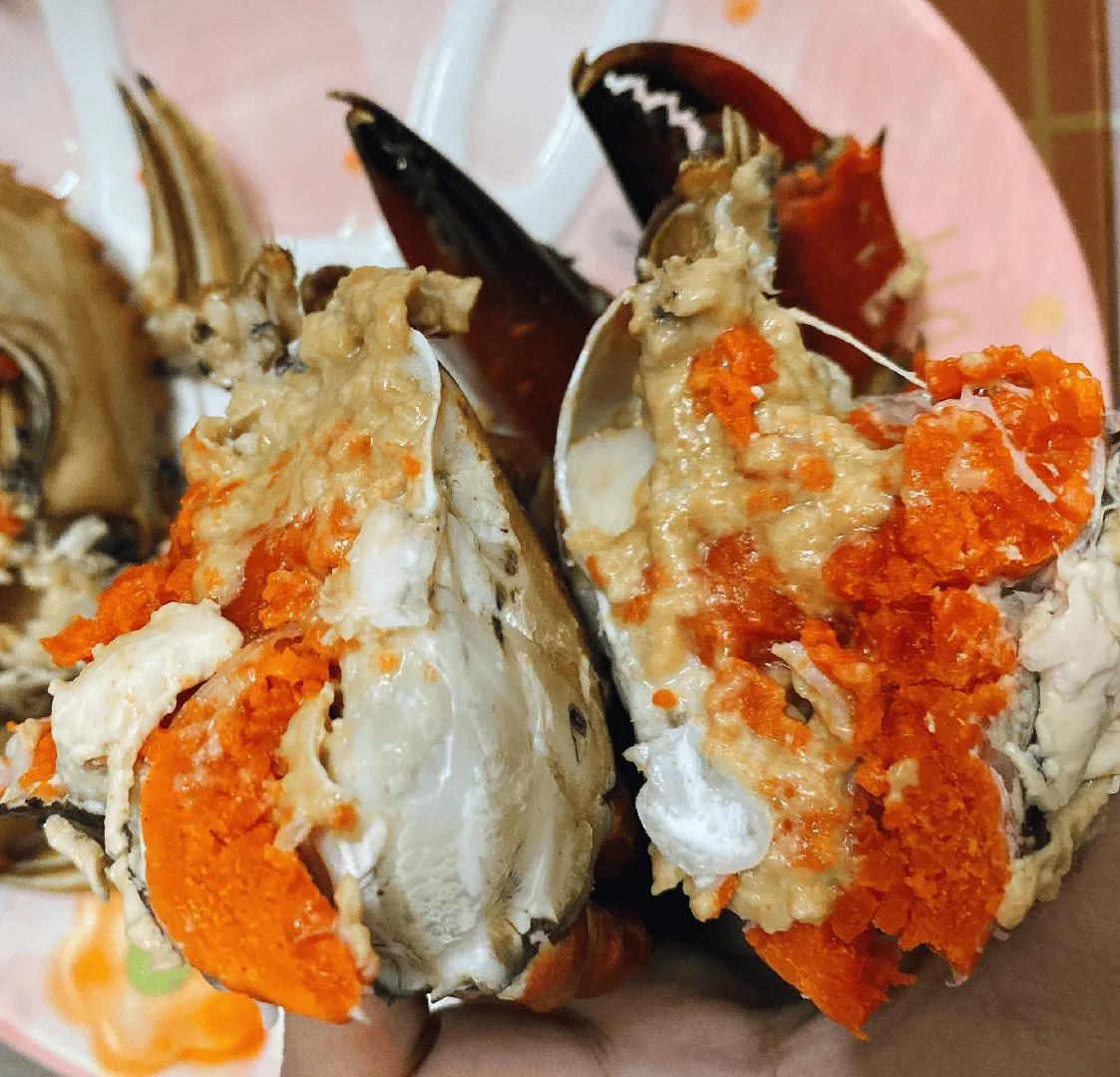
Heritage Ingredient
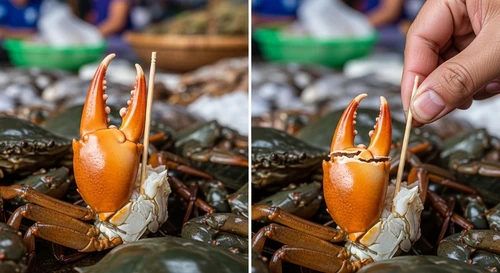
Ca Mau Roe Mud Crab
Ca Mau Roe Mud Crab
A female mud crab known for deep orange roe and a rich, creamy finish, often featured in celebratory Southern Vietnamese seafood meals.
A crimson treasure hidden within a shell, boasting rich, creamy roe that melts on your tongue like a golden sunset over the delta.
5 A Modern Delta Whisper
In a world often chasing bold, loud flavors, there’s a profound beauty in dishes that celebrate subtlety and purity. This Prawn Bun Rieu is a testament to the evolving culinary landscape of Vietnam, particularly in the Mekong Delta. It’s for the diner who appreciates the quality of the core ingredients and seeks a refined yet authentic experience.
It’s a dish that speaks of pristine waters, skilled hands, and a deep understanding of how to let nature’s finest ingredients sing. It’s not just a noodle soup; it's a bowl brimming with the clear, bright spirit of the Mekong.
6 Selecting Your River Bounty
The quality of your Prawn Bun Rieu hinges on the quality of your prawns. Here's what to look for:
- Liveliness: For the best flavor and texture, live prawns are ideal. They should be active and vibrant.
- Shell Quality: The shell should be firm, shiny, and free from dark spots or slime, indicating freshness.
- Head Attachment: A firmly attached head suggests a fresh prawn. If the head is detached or loose, it's a sign of age.
- Size Matters: For this dish, 'giant' is the operative word. Larger prawns offer more meat and richer roe for the broth.
The Mekong Giant Freshwater Prawn, known for its impressive size and robust flavor, is the quintessential choice for this refined dish.
Heritage Ingredient
Mekong Giant Freshwater Prawn
Mekong Giant Freshwater Prawn
A river prawn with long blue claws and rich head fat, common in grilled prawn dishes and hotpot traditions across the Mekong basin.
Majestic blue-clawed warriors of the Mekong, famous for their rich, fatty heads and a savory depth that captures the essence of the delta's rivers.
7 The Crunchy Counterpoint: Banana Blossom
Often overlooked by Western palates, the banana blossom is a culinary marvel in Southeast Asia. Its delicate, layered structure and slightly astringent, cucumber-like flavor provide an essential textural contrast and refreshing counterpoint to the rich, sweet broth and succulent prawns.
To prepare it, the tough outer layers are removed, and the tender inner core is thinly sliced. It's crucial to soak the sliced blossom in lime water to prevent browning and soften its raw edge. It's served raw, adding a vibrant crunch that elevates each spoonful.
8 Echoes of the Delta
While this Prawn Bun Rieu is a specific culinary expression, the Mekong Delta offers a universe of seafood. The same waters that yield these magnificent prawns also provide:
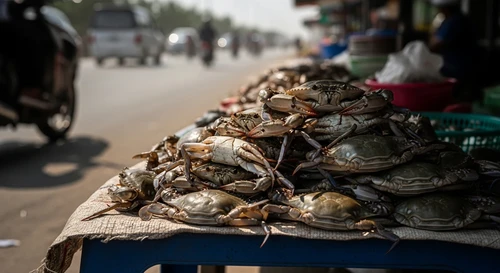
- Ca Mau Mud Crabs: From the firm, meaty claws of the giant mud crabs to the rich roe of the female, these are icons of Southern Vietnamese cuisine.
- River Fish: Catfish, Snakehead fish, and Featherback are staples, often prepared in hot pots or flavorful fish cakes.
- Mangrove Crabs & Other Specialties: From the fermented *ba khia* to grilled mudskippers, the delta’s culinary landscape is diverse and deeply connected to its environment.
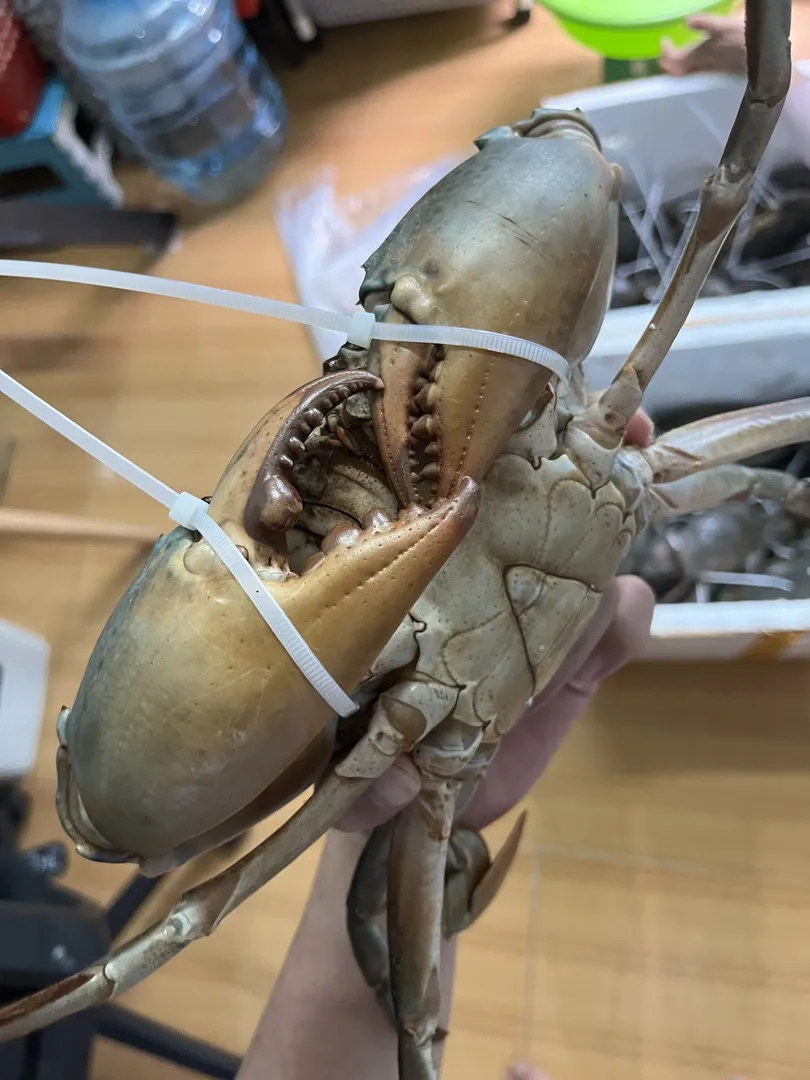
Heritage Ingredient
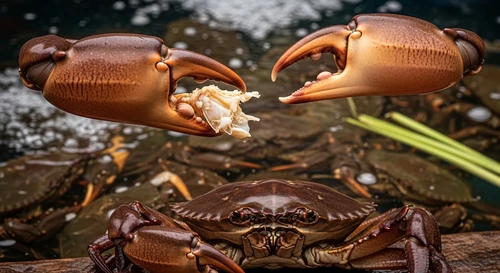
Ca Mau Jumbo Mud Crab
Ca Mau Jumbo Mud Crab
A large male mud crab prized for dense, sweet meat and thick claws, commonly used in steamed crab and grilled crab dishes across the Mekong Delta.
An icon of coastal culinary heritage, featuring firm, sweet meat that captures the raw power and freshness of Ca Mau's tides.
Heritage Ingredient
Ca Mau Roe Mud Crab
Ca Mau Roe Mud Crab
A female mud crab known for deep orange roe and a rich, creamy finish, often featured in celebratory Southern Vietnamese seafood meals.
A crimson treasure hidden within a shell, boasting rich, creamy roe that melts on your tongue like a golden sunset over the delta.
Taste the Delta
Craving more authentic Mekong Delta flavors? Dive into the world of traditional crab dishes.
🦀 Discover Traditional Crab Bun Rieu