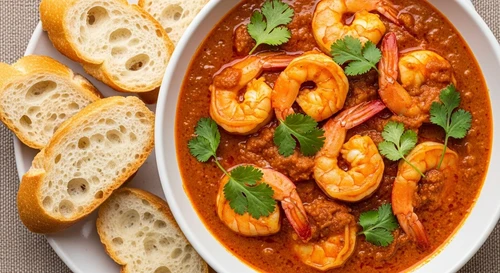
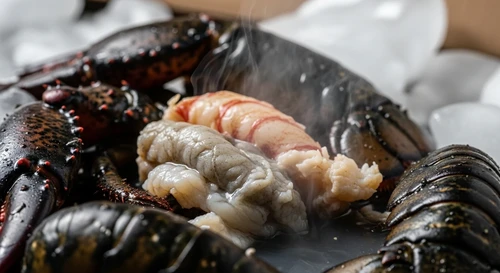
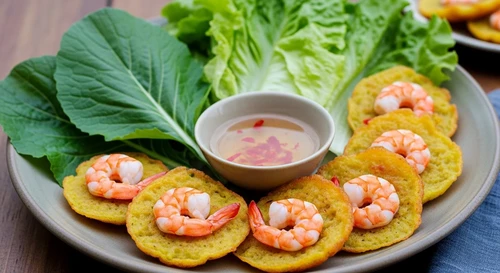
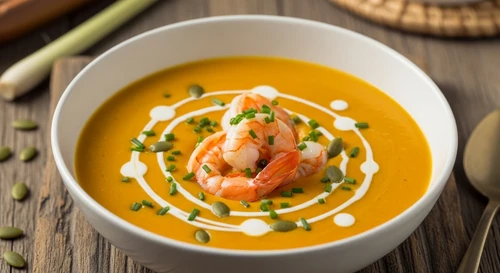
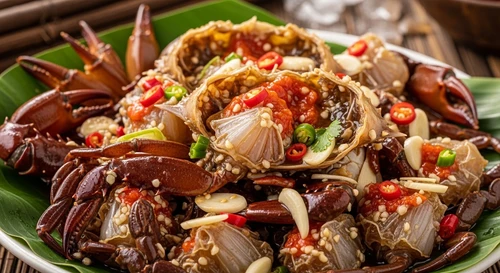
" There's a world of difference between the frosty chill of an Atlantic lobster pot and the warm embrace of a Vietnamese fishing net. It's not just geography; it's a fundamental divergence in biology that translates directly to your plate. "

📸 Nature's artistry: Two distinct lobsters, two unique culinary paths.
1 The Alaskan Giant: Cold-Water King
When most Westerners picture a lobster, they're likely envisioning the American or European lobster, often sourced from the frigid waters of the North Atlantic. These are the titans of the crustacean world, celebrated for their formidable claws and distinct flavor profile.
The Claws of Legend
The most striking feature of cold-water lobsters are their disproportionately large claws. The 'crusher' claw, designed for brute force, and the 'cutter' claw, for slicing. This morphology means a significant portion of the meat yield comes from the claws.
Meat Profile: Sweet & Tender
The meat itself is prized for its delicate sweetness and a tender, almost flaky texture. It has a clean, oceanic flavor that pairs well with simple preparations like steaming, boiling, or grilling with butter.
These lobsters thrive in colder, deeper waters, where their metabolism is slower, contributing to their dense, high-quality meat. They are often the benchmark against which other lobsters are measured, embodying a classic, luxurious seafood experience.
2 The Mekong Jewel: Tropical Rock Lobster
Venturing south to the warm waters surrounding Vietnam, particularly the coastlines of the Mekong Delta provinces like Ca Mau, we find a different kind of crustacean royalty: the Tropical Rock Lobster.
Distinctive Anatomy
Unlike their clawed cousins, rock lobsters are distinguished by long, segmented antennae and a lack of massive claws. Their primary defense and feeding are managed through these antennae and their powerful tail. The meat yield is predominantly from the tail and body.
Flavor & Texture Profile
The meat of a tropical rock lobster is renowned for its exceptional firmness and an intensely sweet, almost caramelized flavor. This sweetness is amplified by the warmer waters, leading to a more concentrated taste compared to cold-water varieties.
These lobsters are often caught by local fishermen in artisanal settings, drawing from the rich biodiversity of the South China Sea. Their firm texture holds up beautifully to various cooking methods, especially grilling and stir-frying, where their natural sweetness can truly shine.
3 The Taste Test: Claw Meat vs. Tail Meat
Alaskan Lobster (Claw Focus)
The meat here is famously tender, often described as buttery and delicate. It has a subtle sweetness that is pure and clean, making it perfect for dishes where the lobster is the star, like lobster thermidor or a simple butter-poached preparation. The texture is less firm, more yielding, and can sometimes be slightly stringy if overcooked.
Vietnamese Rock Lobster (Tail Focus)
In contrast, the tail meat of a tropical rock lobster offers a satisfying chew. It's notably firm and dense, with a pronounced, almost sweet, oceanic flavor. This robust texture stands up incredibly well to high-heat cooking methods like grilling, stir-frying, or being coated in savory sauces, where its sweetness cuts through other flavors beautifully.
4 Culinary Applications: Global vs. Regional
The Classic Western Approach
Cold-water lobsters are often treated with reverence, their delicate flavor enhanced by minimal additions. Think steamed lobster with drawn butter, lobster bisque, or lobster Newburg. The focus is on the inherent quality of the meat.
When served in restaurants, they might appear as a whole, majestic specimen, highlighting their impressive claws, often cracked tableside.
The Vibrant Mekong Style
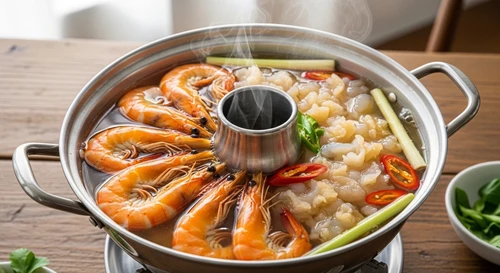
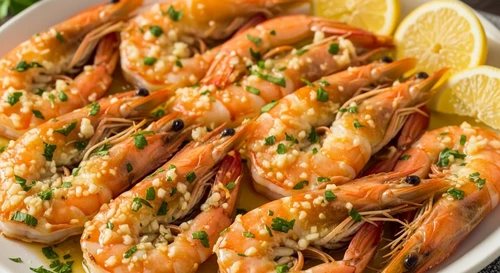
In the Mekong Delta, the firm, sweet flesh of the rock lobster is a celebrated ingredient. It's frequently grilled over charcoal, allowing its natural sugars to caramelize, often brushed with a light garlic butter or a spicy, savory glaze. It also finds its way into robust seafood hot pots (lẩu hải sản) or is simply steamed and served with a punchy lime-chili dipping sauce.
Local preparations leverage the lobster's firm texture, ensuring it remains succulent and flavorful even when paired with bolder spices and ingredients common in Vietnamese cuisine. The intense sweetness is seen as a perfect counterpoint to chili and lime.
5 How to Choose Your Lobster
Live & Lively
The most crucial factor for both types. A live lobster should be active, moving its legs and tail. Avoid any that are sluggish or lying flat.
Shell Quality
For cold-water lobsters, look for a hard, firm shell. For rock lobsters, the shell should also be hard. Soft shells indicate molting, which can affect texture and flavor. Some might prefer younger crabs with softer shells for certain dishes, but generally, hard shell is preferred for lobster.
Size Matters (to a degree)
While larger lobsters can be impressive, sometimes smaller to medium-sized ones (1.5-3 lbs for cold-water) offer the best flavor and tenderness. For rock lobsters, a medium size often ensures peak sweetness and firm texture.
6 A Delta Counterpoint: Not Lobster, but King Crab & Prawns
While we're comparing lobsters, it's worth noting the pride of the Mekong Delta's waterways: its incredible crabs and prawns. These local heroes, though not lobsters, offer a similar quest for sweet, succulent meat and are foundational to the region's cuisine.
Ca Mau Mud Crab (Cua Gach & Cua Thit)
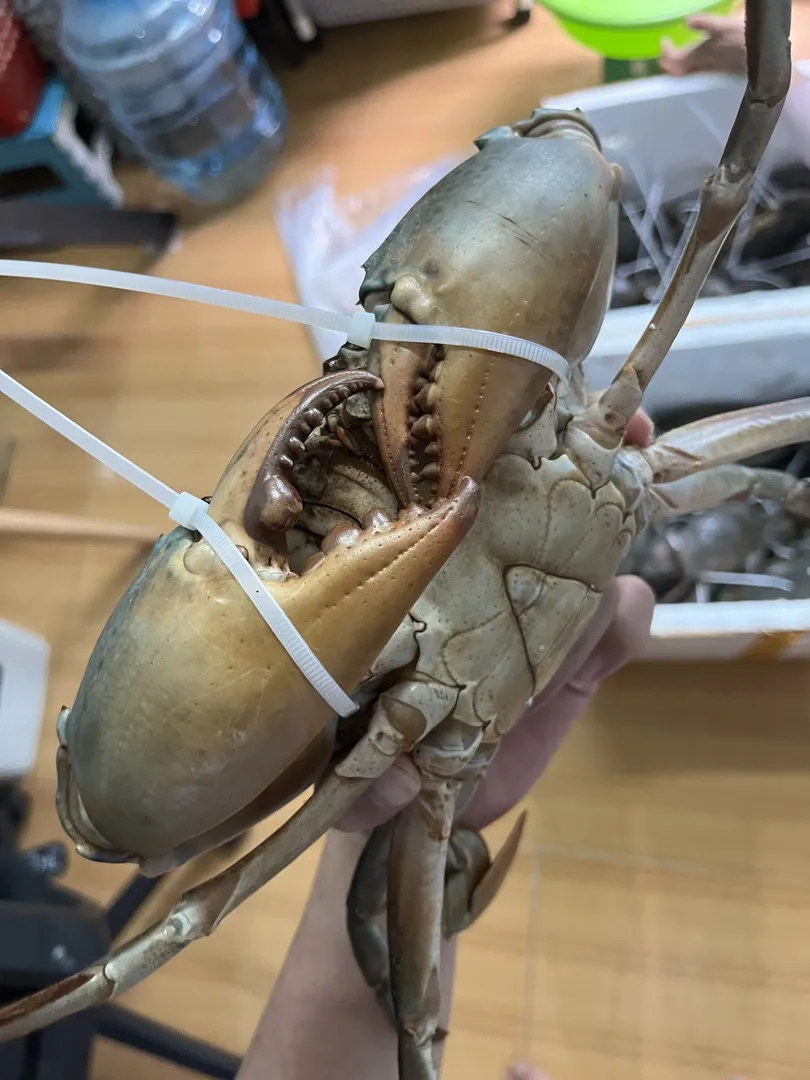
Prized for their dense, sweet meat and, in the case of female crabs, their rich, orange roe, these crabs are a staple. The 'Cua Thit' (meat crab) offers a robust, almost lobster-like meaty claw experience, while the 'Cua Gach' (roe crab) is a luxury for its creamy, umami-rich innards. They are typically steamed, grilled, or used in rich soups, demanding respect for their natural flavors.
Heritage Ingredient
Ca Mau Jumbo Mud Crab
Ca Mau Jumbo Mud Crab
A large male mud crab prized for dense, sweet meat and thick claws, commonly used in steamed crab and grilled crab dishes across the Mekong Delta.
An icon of coastal culinary heritage, featuring firm, sweet meat that captures the raw power and freshness of Ca Mau's tides.
Mekong Giant Freshwater Prawn (Tom Cang)
These magnificent prawns, with their distinctive blue claws, are another delta delicacy. Their meat is firm and sweet, and the head fat is a prized delicacy, intensely flavorful. Often grilled simply with salt and pepper or chili, they showcase the clean, sweet taste of fresh river produce.
These local champions, like the rock lobster, thrive in warm, mineral-rich waters and are a testament to the abundant seafood culture of the Mekong Delta, offering flavors and textures as compelling as any imported luxury.
7 Kitchen Tips for Lobster Perfection
🔪 How to Cook Them Safely and Humanely
🌡️ Don't Overcook!
💧 Save the Juices!
The Verdict: Two Worlds, One Ocean
Ultimately, the choice between imported cold-water lobster and local Vietnamese rock lobster comes down to personal preference and culinary intention. If you crave the classic, tender, buttery experience with prominent claw meat, the cold-water giant is your champion. For a firmer, intensely sweet, and more robust tail meat that sings with tropical notes, the Mekong's rock lobster reigns supreme. Both offer an unparalleled taste of the sea, a luxurious journey for the palate, proving that from the icy depths to the sun-kissed shores, the ocean provides us with treasures beyond compare.