The Mekong Delta's Seafood Bounty: A Promise and a Peril
" The mighty Mekong Delta, a labyrinth of rivers, canals, and coastal plains, is Vietnam's breadbasket and a treasure trove of seafood. From the sapphire waters of the East Sea to the intricate network of inland waterways, the region teems with life. Crab, shrimp, and a myriad of fish form the backbone of coastal and riverine economies, feeding millions. "
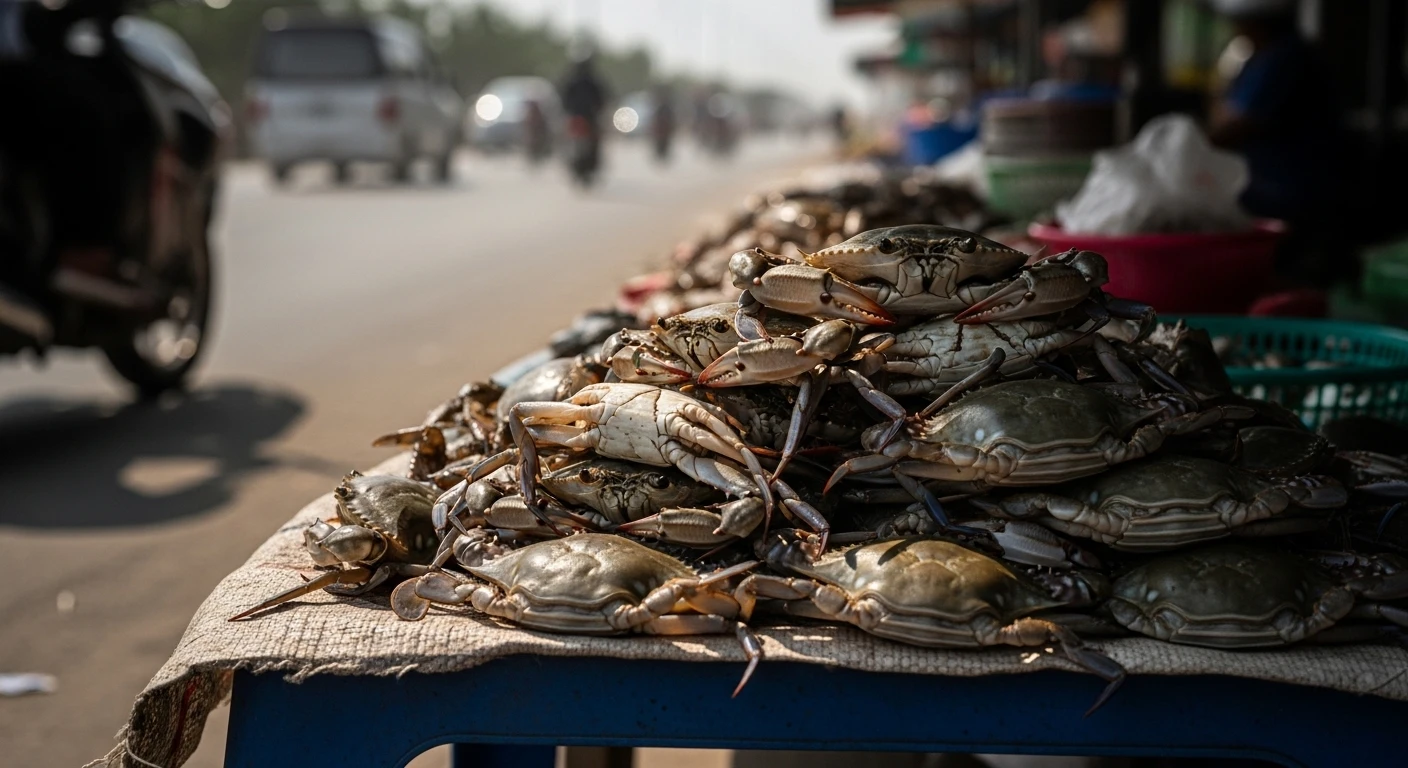
📸 The siren call of low prices, often found on busy highways, miles from the coast.
2 The Lure of the Two-Dollar Crab
Driving through the Mekong Delta, especially along the major arteries connecting cities like Can Tho, Soc Trang, or towards the coast of Ca Mau, you'll see them. Small, makeshift stalls, often little more than tarps and plastic tables, piled high with crabs. The price? Astonishingly low. Sometimes as little as $2, maybe $3 for a generous portion. For a Westerner accustomed to seafood prices, it’s almost unbelievable.
The scene is often bustling. Locals, it seems, are buying. Tourists, lured by the novelty and the bargain, might be tempted. The crabs are usually boiled or stir-fried on the spot, the aroma of garlic and chili wafting into the humid air. It looks like the ultimate authentic experience, a true taste of local life. But scratch the surface, and a different story emerges.
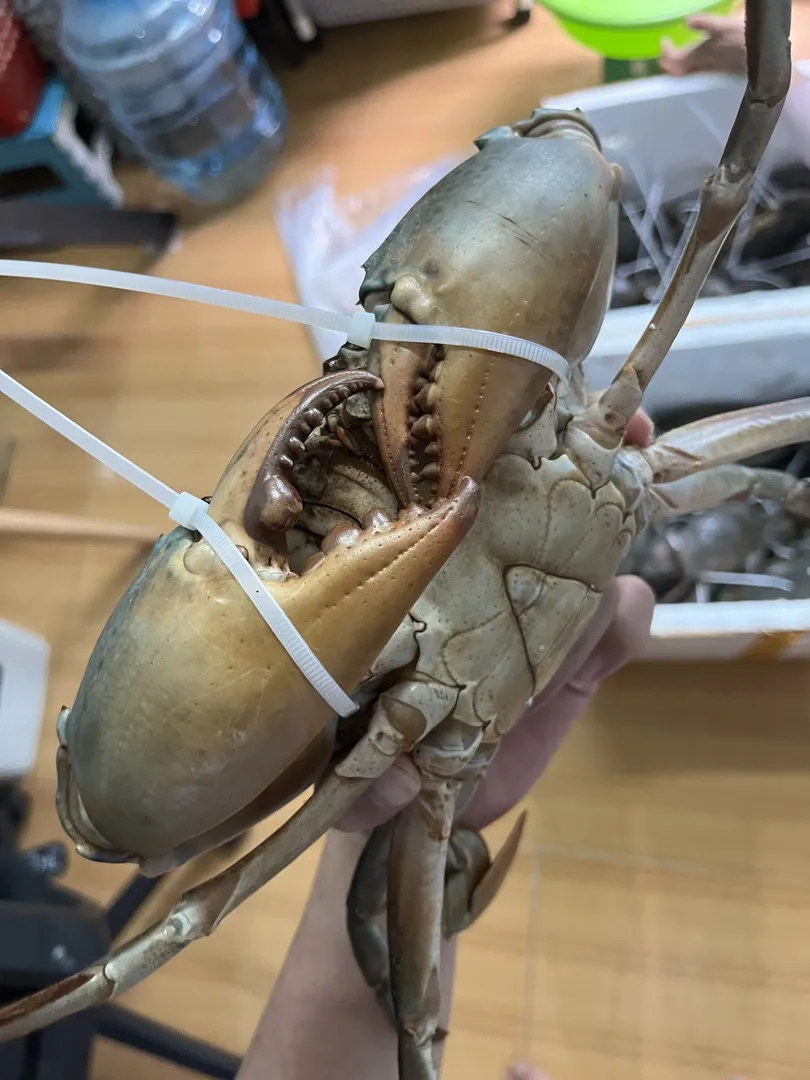
In the heart of Ca Mau, where crab farming is a way of life, you find pristine specimens like this:
Heritage Ingredient
Ca Mau Jumbo Mud Crab
Ca Mau Jumbo Mud Crab
A large male mud crab prized for dense, sweet meat and thick claws, commonly used in steamed crab and grilled crab dishes across the Mekong Delta.
An icon of coastal culinary heritage, featuring firm, sweet meat that captures the raw power and freshness of Ca Mau's tides.
The crabs you see at these roadside stalls, however, rarely resemble the plump, vibrant specimens from reputable markets or restaurants. More often, they are smaller, less appealing, and crucially, they are dead. Not just recently deceased, but often deceased for a considerable time.
3 The Deadly Sins of Dead Seafood
This is where the "bargain" quickly turns into a gamble with your health. Consuming seafood that has died naturally, especially in tropical climates like Vietnam's, is a recipe for disaster.
Bacterial Bloom
When a crab dies, its internal organs begin to break down, and bacteria rapidly multiply. These bacteria can produce potent toxins, such as histamine, which are not destroyed by cooking. Ingesting these can lead to severe food poisoning, characterized by nausea, vomiting, diarrhea, headaches, and in some cases, more serious allergic-like reactions (scombroid poisoning).
Texture and Taste Degradation
Even before the bacterial threat, the quality plummets. The meat becomes mushy, develops an off-putting smell, and the sweet, oceanic flavor is replaced by something unpleasant and stale. The vibrant color of fresh crab is replaced by a duller, sometimes greyish hue.
The roadside vendors might be motivated by profit, selling what they can acquire cheaply. They might not be aware of the full risks, or they may choose to ignore them for the sake of a quick sale. The price point itself is the biggest red flag. Truly fresh, high-quality crab simply cannot be sold at such low prices, especially when considering the transport and preparation involved.
4 The Scam: What's Really Going On?
This isn't just about poor quality; it's a public health risk disguised as a bargain. The "street food crab scam" is a phenomenon born out of a complex interplay of economics, logistics, and sometimes, a lack of oversight.
Source of the Crabs
These crabs are often sourced from less scrupulous suppliers, perhaps those dealing with crabs that are already dead upon arrival or are too old to sell to higher-end establishments. They might be caught using older methods or harvested from areas with poor environmental conditions.
The Illusion of Freshness
A strong seasoning of garlic, chili, and MSG can mask the unpleasant taste and smell of old seafood. Vendors rely on powerful flavors to make the dish palatable, overpowering any off-notes from the subpar ingredient.
Think about it: If a farmer or fisherman has a fresh catch, where will they sell it? To a local restaurant offering fair prices, to a trusted market vendor, or to a roadside stall for a fraction of the worth? The answer is obvious for anyone prioritizing quality and livelihood.
5 Dangers Beyond the Gut
The risk isn't just a bad stomach ache. In Southeast Asia, food safety standards can be inconsistent, especially in informal street food settings. The crabs might have been stored improperly, transported in unsanitary conditions, or even harvested from polluted waters.
Coastal communities in the Mekong Delta, like those in Ca Mau, pride themselves on the quality of their crabs. The famed Ca Mau mud crabs, whether for their meaty claws Heritage Ingredient Ca Mau Jumbo Mud Crab A large male mud crab prized for dense, sweet meat and thick claws, commonly used in steamed crab and grilled crab dishes across the Mekong Delta. An icon of coastal culinary heritage, featuring firm, sweet meat that captures the raw power and freshness of Ca Mau's tides. Heritage Ingredient Ca Mau Roe Mud Crab A female mud crab known for deep orange roe and a rich, creamy finish, often featured in celebratory Southern Vietnamese seafood meals. A crimson treasure hidden within a shell, boasting rich, creamy roe that melts on your tongue like a golden sunset over the delta.Ca Mau Jumbo Mud Crab
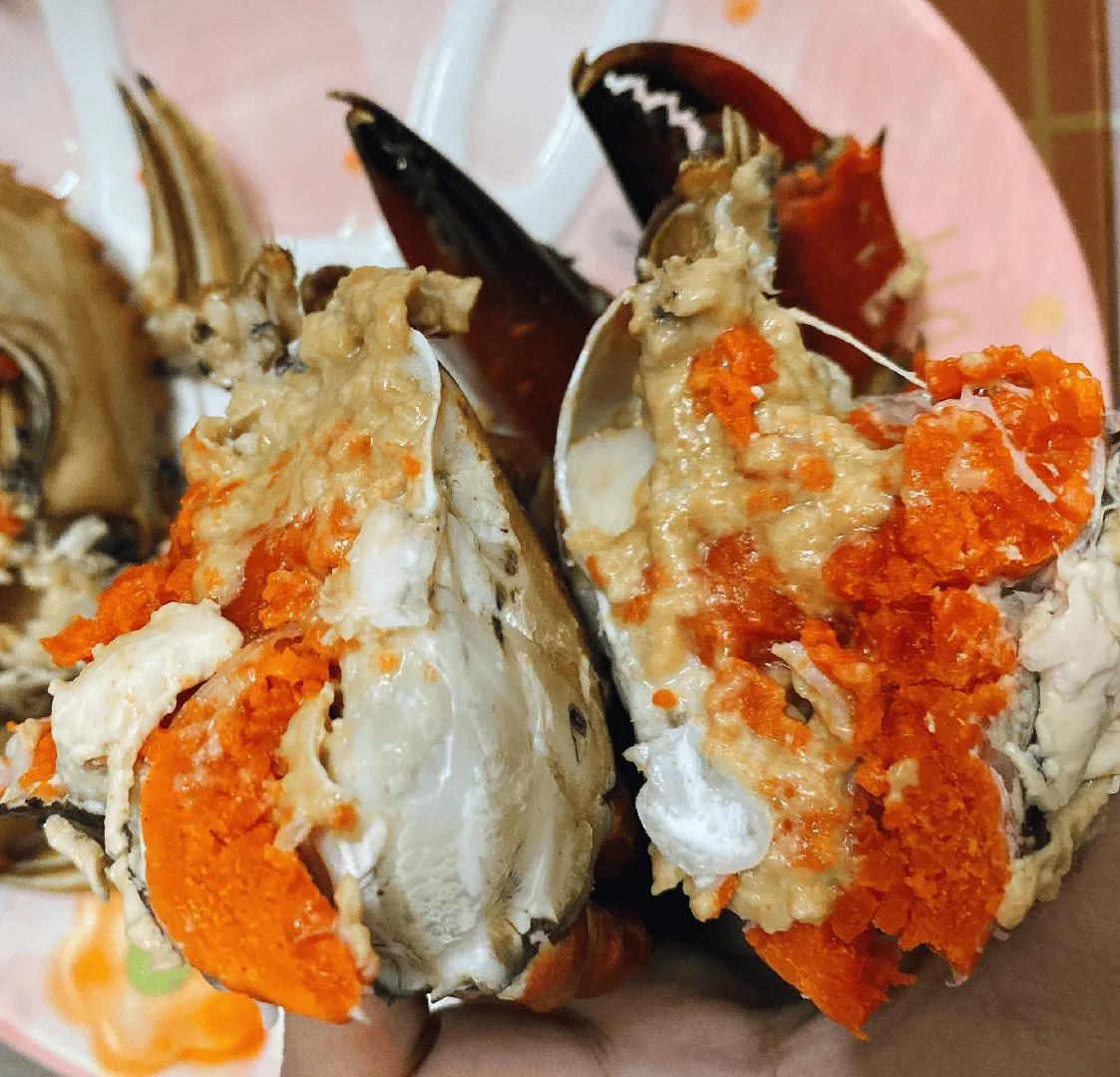
Ca Mau Roe Mud Crab
What you're often buying on the highway is the byproduct, the leftovers, the stuff that couldn't be sold elsewhere. The extremely low price is a direct indicator of the extremely low quality and high risk.
6 Navigating the Mekong's Culinary Landscape
So, how do you enjoy the incredible seafood of the Mekong Delta without putting yourself at risk? It comes down to informed choices and understanding where to look.
Seek Reputable Establishments
Opt for busy, well-regarded restaurants, especially those specializing in seafood. Places with high turnover, where ingredients are used quickly, are a safer bet. Look for places locals frequent.
Observe the Seafood
If possible, choose your crab live from a tank or a well-maintained ice display. It should be lively, with intact limbs and a firm shell. Avoid any seafood that looks dull, smells off, or is clearly dead and slimy.
Consider iconic Mekong Delta specialties that are prepared with the utmost care. For instance, the complex flavors of Heritage Ingredient Fermented Mangrove Crab (Ba Khia) A traditional fermented crab specialty from the mangrove region of Rach Goc, often cited in articles about rustic Mekong Delta flavors and preserved seafood culture. The salty-sour heartbeat of the wild south, where traditional fermentation turns forest crabs into a nostalgic explosion of rustic Mekong soul.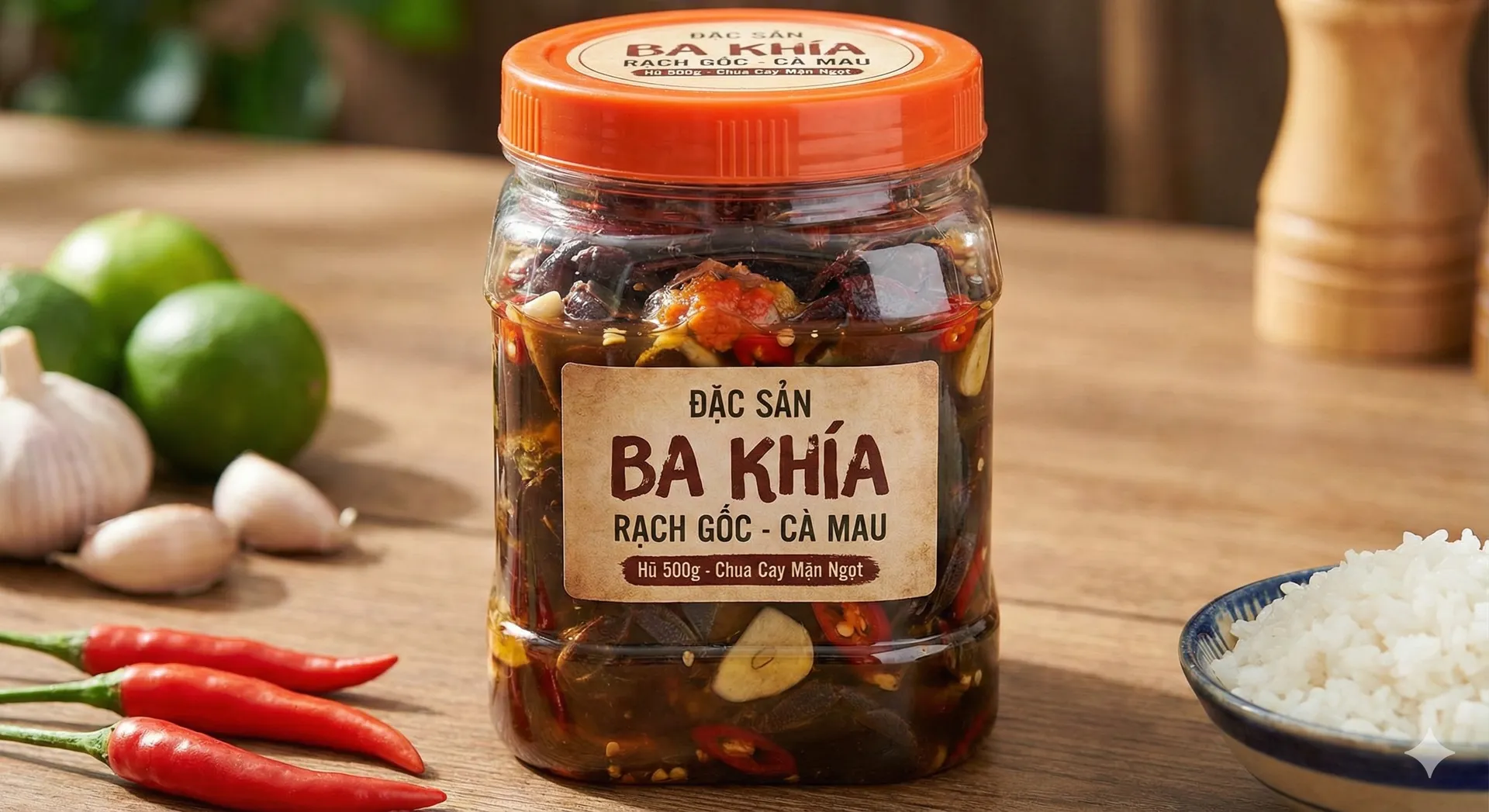
Fermented Mangrove Crab (Ba Khia)
Don't let a bad experience with roadside hawkers taint your perception of Vietnamese food. The country offers some of the most exquisite and safe seafood dining experiences in the world, but it requires diligence and discernment.
7 The Final Verdict
The $2 crab by the highway? It's a tempting proposition, a siren song promising an authentic, cheap eat. But the reality is grim. It's a gamble with your health, a potential ticket to food poisoning, and a stark contrast to the genuine culinary treasures the Mekong Delta has to offer.
As a traveler, and especially as a food lover, your curiosity should be tempered with caution. The real flavors of the Mekong Delta are worth seeking out, but always in places that honor the ingredients and prioritize safety. Your gut will thank you.
8 Beyond the Crab: Other Roadside Risks
This isn't an isolated issue. The allure of ultra-cheap food by the roadside can extend to other seafood and even meat dishes. Always be wary of prices that seem too good to be true. Look for signs of freshness: vibrant colors, firm texture, and a clean smell. If something seems off, it probably is. Prioritize your health and enjoy Vietnam's incredible culinary scene responsibly.
More Food Safety Insights
View More Food & Culinary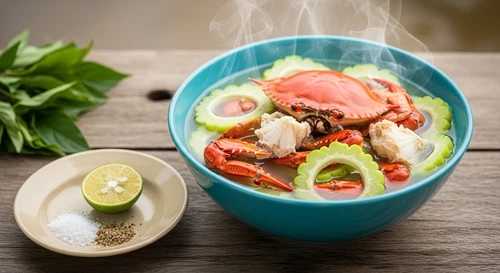
Mekong Delta Crab & Gourd Clear Hotpot
A rustic hotpot combining the sweetness of ocean crabs and fresh young gourd. Extremely effective for cooling down.
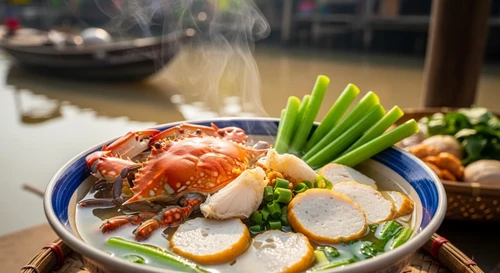
Blue Crab & Fish Cake Noodle Soup with Elephant Ear Stems
A refreshing crab noodle soup with crunchy elephant ear stems and chewy mackerel fish cakes. A perfect breakfast.
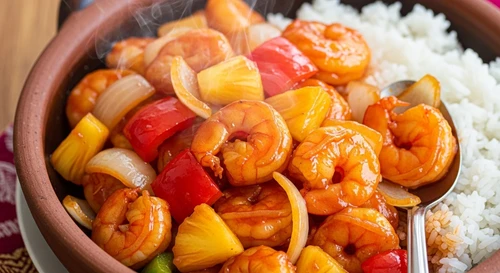
Sweet & Sour Tiger Prawns with Onions
Peeled prawns stir-fried with bell peppers, pineapple, and onions in a thick tomato sauce. Highly addictive with hot rice.
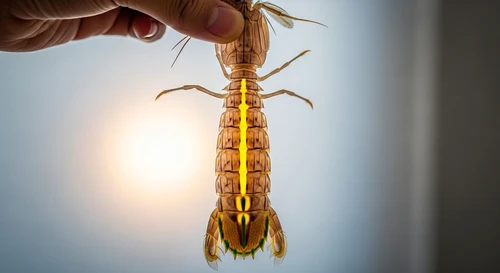
How to Buy Mantis Shrimp Packed with Orange Roe
Flip the mantis shrimp on its back and hold it up to the light; a yellow streak running down the spine guarantees it has roe.
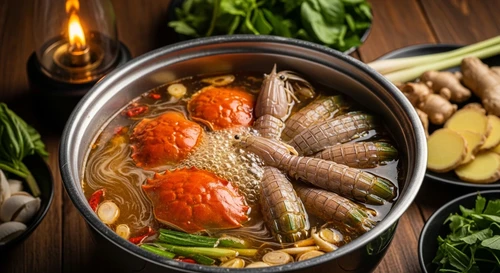
Field Crab Hotpot with Whole Mantis Shrimp
Double the sweetness of your broth by combining field crab paste with whole, fresh mantis shrimp in a hotpot.
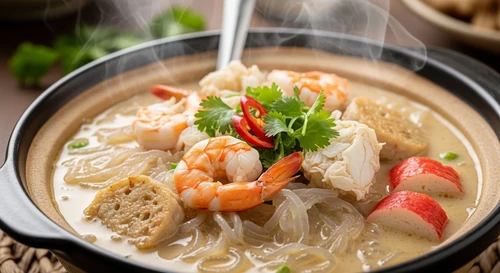
Field Crab Tapioca Noodle Soup with Coconut Milk
A Ben Tre specialty featuring a thick, creamy coconut broth, served with field crab cakes and whiteleg shrimp.
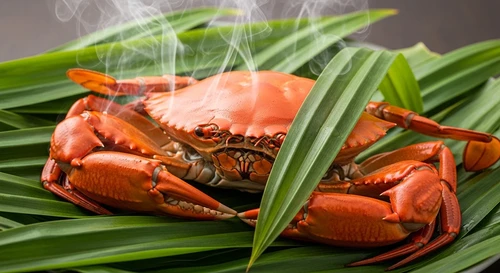
Pandan Leaf Steamed Mud Crab
Just a few pandan leaves at the bottom of the steamer eliminate all seafood odors, leaving a subtle, sweet sticky rice scent.
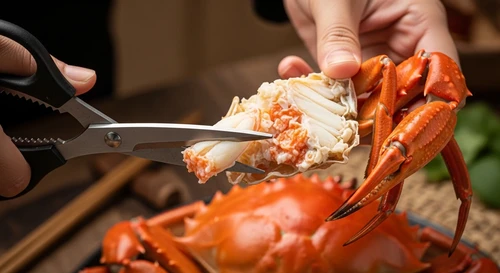
How to Extract Crab Meat Fast Like a Master Chef
Using just a pair of pointed scissors, gently wedge into the joint to push the entire block of leg or claw meat out perfectly.
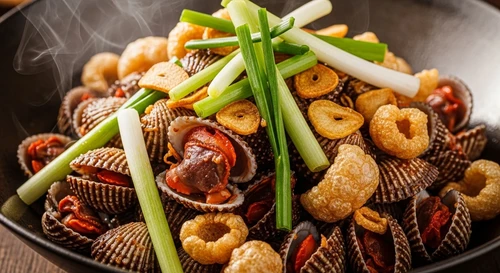
Blood Cockles Sautéed with Garlic, Pork Cracklings & Scallions
Opened blood cockles sautéed with crispy garlic and pork cracklings, topped with fried scallions. Chewy, crunchy, and perfect with beer.