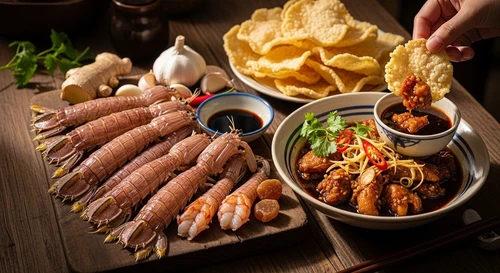
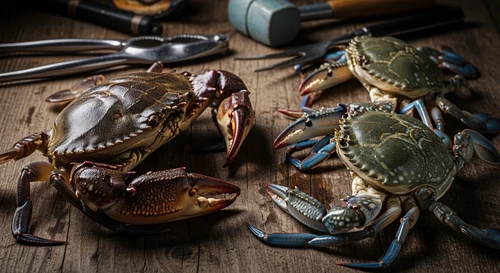
" Beyond the well-trodden paths of Vietnam's culinary landscape, the Mekong Delta hums with its own unique rhythm. It’s a place where fortunes are tied to the tide, and the very essence of its food culture is deeply rooted in the abundant waters that cradle it. "
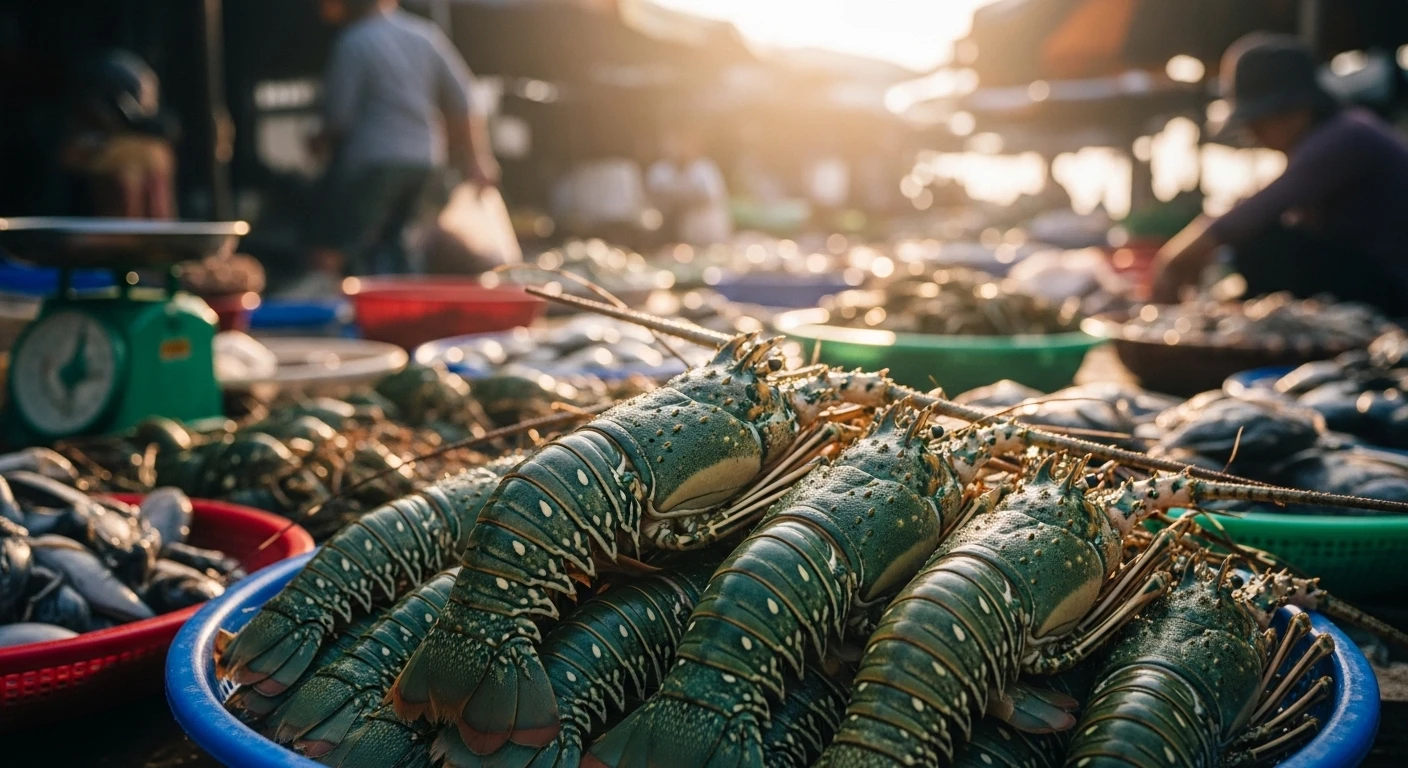
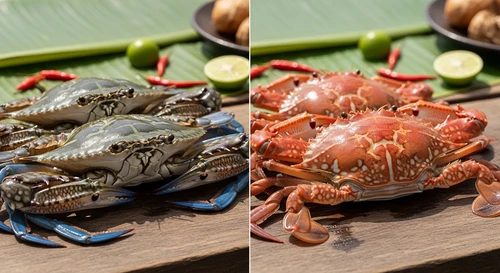
📸 A rare sight: The coveted green lobster, a symbol of a flourishing aquatic ecosystem.
1 The Unseen Demand: What's Driving the Fever?
In the vibrant, often chaotic seafood markets of the Mekong Delta, particularly along its extensive coastline where livelihoods are inextricably linked to the sea, a peculiar price hike has recently captured the attention of traders and gourmands alike. The object of this sudden fascination? The elusive 'green lobster.' While not truly green in the way a leaf is, these crustaceans possess a distinctive hue that sets them apart, and more importantly, a flavor profile that is rapidly gaining international acclaim.
This isn't just about a particularly tasty catch; it's about cultural significance and timing. The surge in demand is primarily fueled by the approach of year-end wedding seasons in neighboring countries, particularly affluent markets that seek the finest, most auspicious ingredients to grace their celebratory feasts. Green lobsters, with their unique color and perceived rarity, are becoming a symbol of prosperity and good fortune.
Local traders, sensing this wave of international interest, are making swift moves. They are actively buying up supply directly from the fishermen and smaller intermediaries, aiming to consolidate and export these prized lobsters. This creates a ripple effect, quickly depleting the local availability and, as supply dwindles against a backdrop of escalating demand, driving prices to unprecedented levels. It’s a classic case of market dynamics at play, amplified by cultural traditions and the global appetite for exotic, high-quality seafood.
More Than Just Lobsters: The Delta's Aquatic Wealth
The Mekong Delta is a vast aquatic kingdom, a labyrinth of rivers, canals, and coastal waters that teem with an astonishing variety of seafood. The current focus on green lobsters is a testament to the region's ability to produce sought-after delicacies, but it’s just one thread in a much larger, richer tapestry.
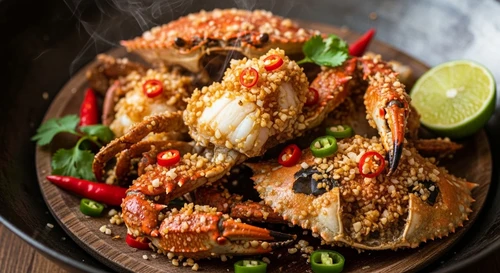
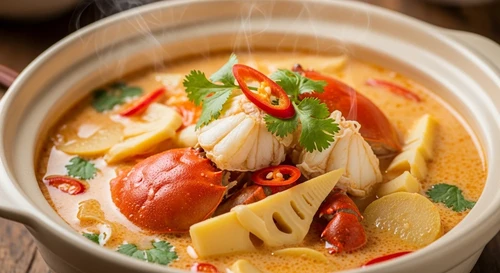
Ca Mau Mud Crab
Renowned for its sweet, dense meat, both the jumbo meat crabs and the roe-laden females are prized for celebratory meals.
Heritage Ingredient
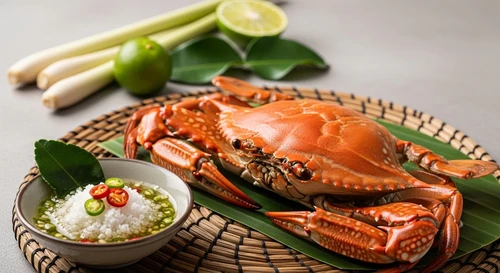
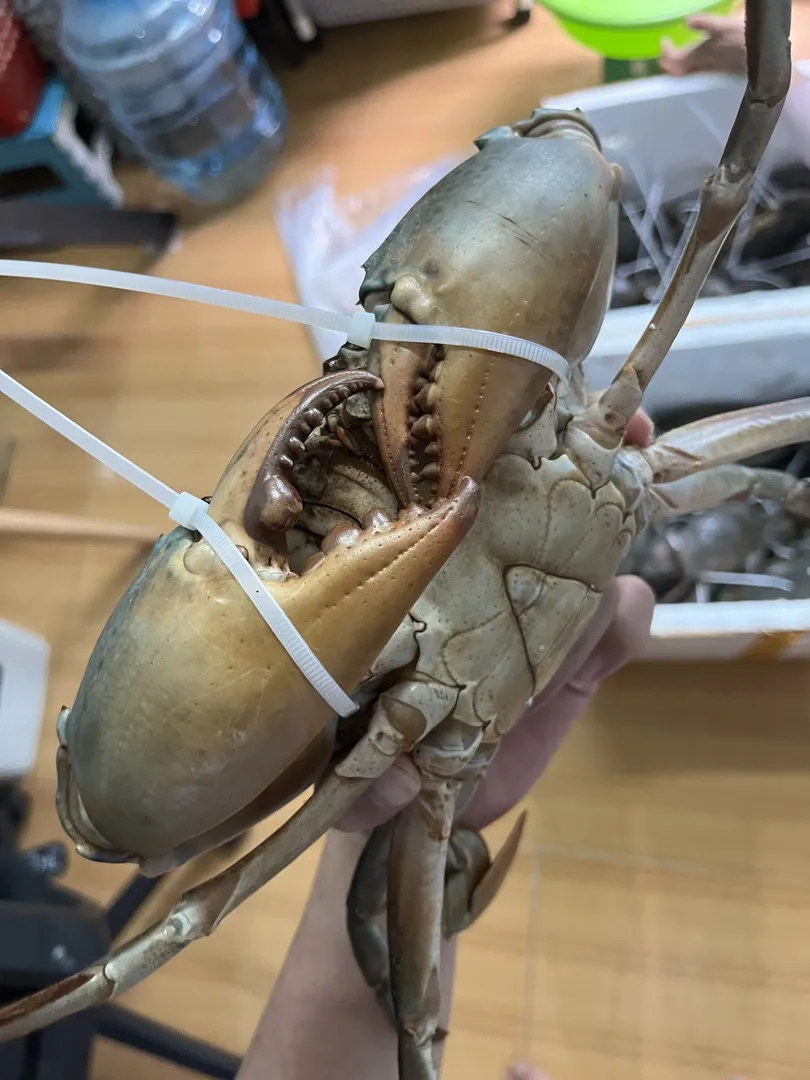
Ca Mau Jumbo Mud Crab
Ca Mau Jumbo Mud Crab
A large male mud crab prized for dense, sweet meat and thick claws, commonly used in steamed crab and grilled crab dishes across the Mekong Delta.
An icon of coastal culinary heritage, featuring firm, sweet meat that captures the raw power and freshness of Ca Mau's tides.
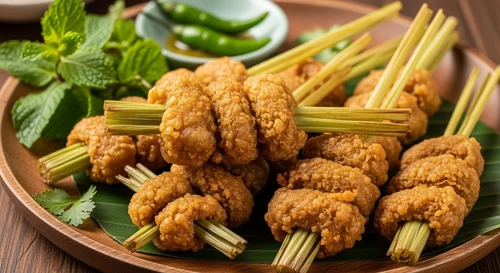
Black Tiger Shrimp
Sustainably farmed in the mangrove forests of Ca Mau, these large shrimp offer a firm texture and clean, sweet flavor.
Heritage Ingredient
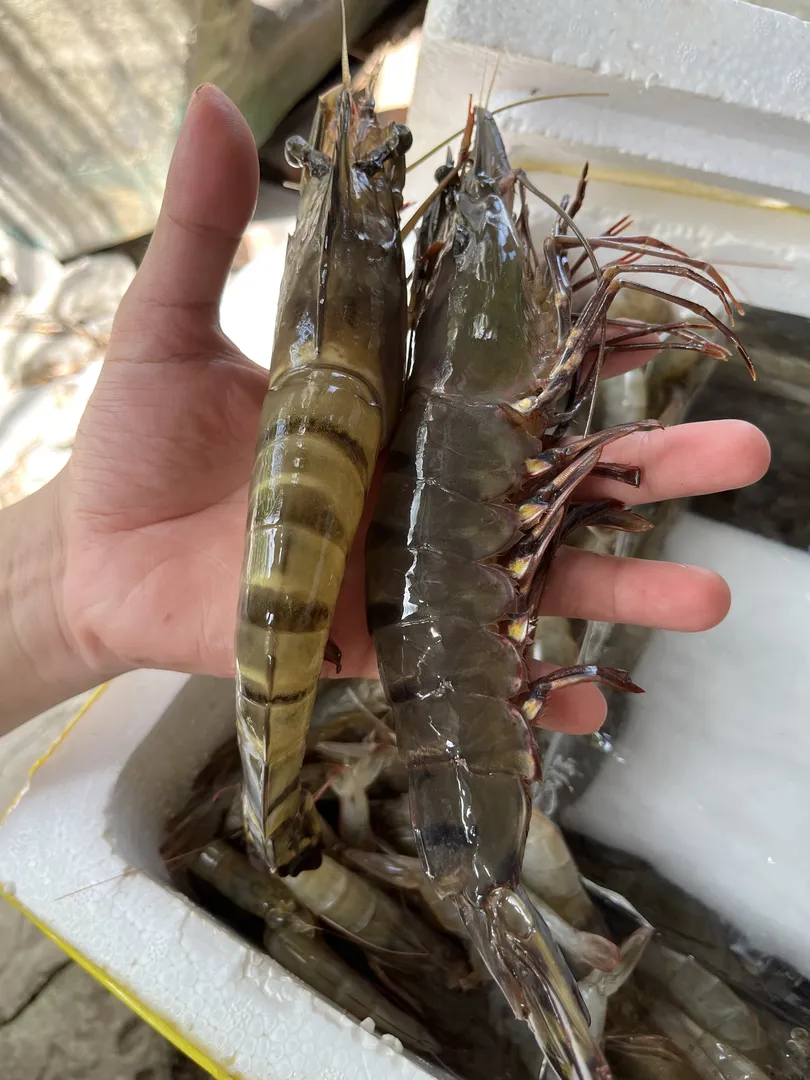
Ca Mau Black Tiger Shrimp
Ca Mau Black Tiger Shrimp
Large black tiger shrimp associated with mangrove aquaculture in Ca Mau, known for firm flesh and a cleaner, sweeter finish than intensively farmed shrimp.
Wild spirits of the mangroves, these black-banded gems deliver a firm, snappy texture and a sweetness that echoes the forest's vibrant life.
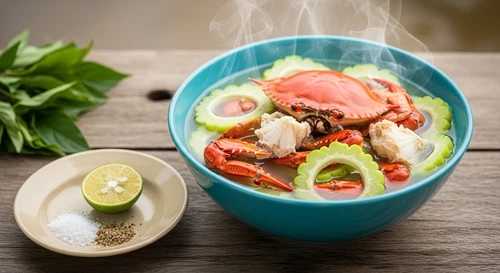
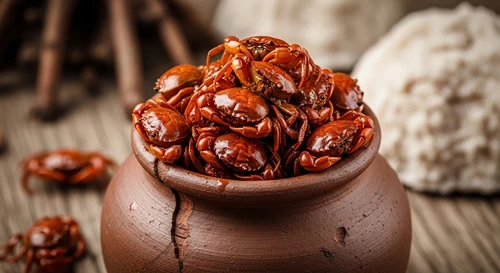
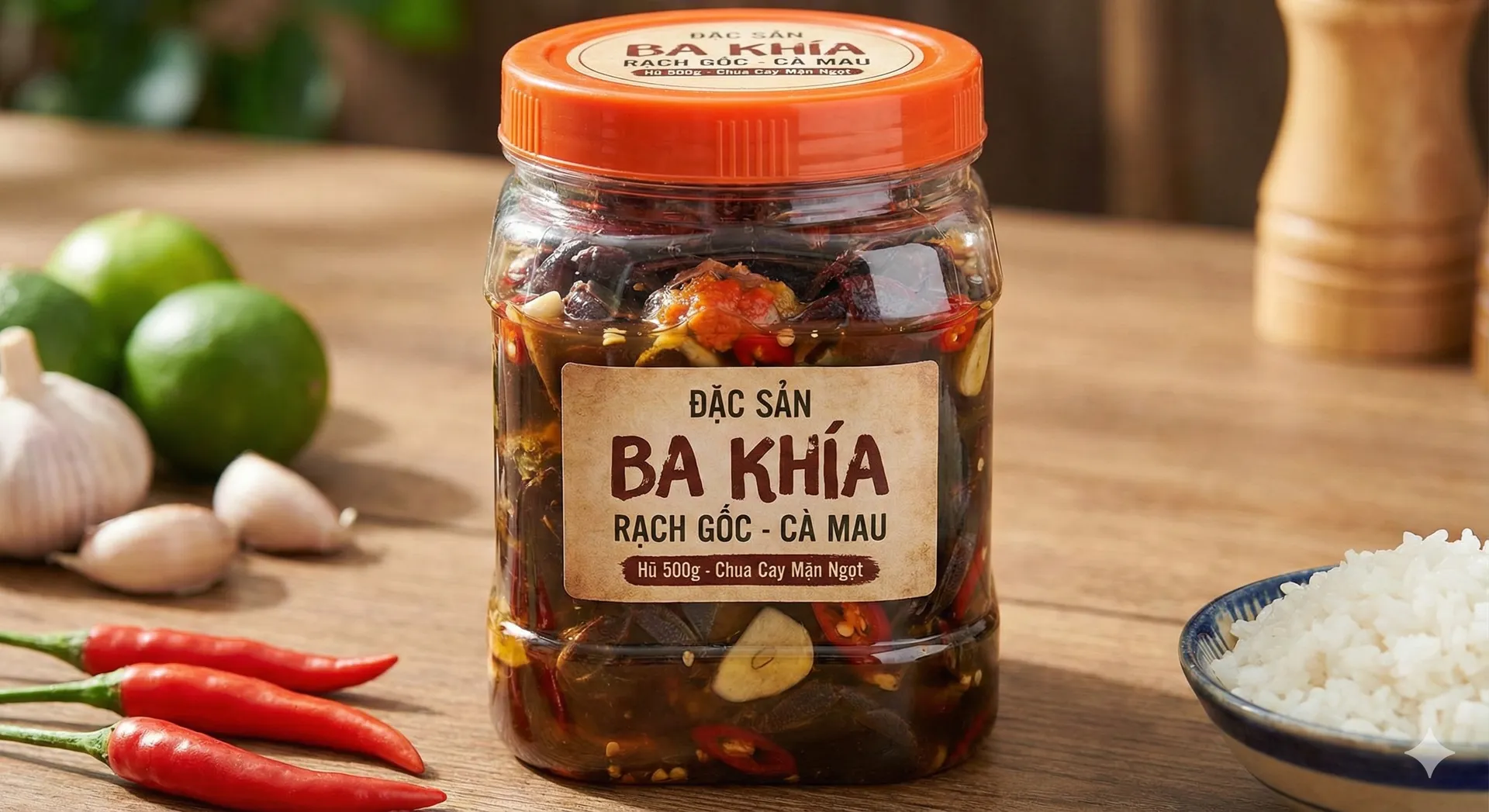
Fermented Mangrove Crab (Ba Khia)
A traditional, intensely flavored specialty from the coastal mangroves, offering a taste of rustic Mekong preservation.
Heritage Ingredient
Fermented Mangrove Crab (Ba Khia)
Fermented Mangrove Crab (Ba Khia)
A traditional fermented crab specialty from the mangrove region of Rach Goc, often cited in articles about rustic Mekong Delta flavors and preserved seafood culture.
The salty-sour heartbeat of the wild south, where traditional fermentation turns forest crabs into a nostalgic explosion of rustic Mekong soul.
Each species, from the majestic mud crab to the humble mudskipper, tells a story of the delta's unique ecosystem and the resilient communities that depend on it.
2 The Wheels of Commerce: How Traders Shape the Market
The phenomenon of foreign traders descending upon local markets is a recurring narrative in many resource-rich regions. In the Mekong Delta, these traders are often the bridge between the local producers and the international palate. They possess the capital, the market knowledge, and the logistical networks to move perishable goods across borders efficiently.
For the green lobster, this influx means quick sales for fishermen who might otherwise receive a fraction of the price. However, it also means that local consumers, who may have once enjoyed this delicacy at a more accessible price point, now face scarcity and inflated costs. The traders' swift purchasing power can sometimes feel like a vacuum, quickly emptying stalls and creating a sense of urgency among those who wish to acquire the product for domestic consumption or local celebrations.
This dynamic highlights a critical aspect of the Mekong's economy: the interplay between tradition and globalization. While the demand from abroad brings economic opportunities, it also poses challenges for local food security and cultural traditions that rely on the availability of these very resources. The current "price fever" for green lobsters is a vivid illustration of these complex market forces.
3 Navigating the Tides: Ensuring a Sustainable Bounty
The sudden spike in demand for green lobsters and other premium seafood from the Mekong Delta inevitably raises questions about sustainability. Are current fishing practices able to support this level of increased international demand without jeopardizing the long-term health of these vital aquatic ecosystems?
The Mekong Delta is not just a source of food; it's a delicate environment. Overfishing, habitat degradation, and climate change all pose significant threats. The current frenzy for green lobsters, while a sign of their desirability, also serves as a stark reminder that economic opportunity must be balanced with ecological responsibility.
Ensuring the future of the Mekong's rich seafood bounty requires a multi-faceted approach. This includes:
- Responsible Fishing Practices: Implementing and enforcing regulations on catch sizes, seasons, and methods to prevent overexploitation.
- Habitat Conservation: Protecting crucial mangrove forests and riverine ecosystems that serve as breeding grounds and nurseries for many species.
- Traceability and Certification: Developing systems to track seafood from source to plate, ensuring provenance and compliance with sustainability standards.
- Community Engagement: Empowering local fishing communities with the knowledge and resources to adopt sustainable practices and benefit equitably from their catch.
The economic allure of delicacies like green lobsters should not come at the expense of the delta's ecological integrity. It is a balancing act that requires cooperation between local authorities, international buyers, traders, and the very communities who call the Mekong home.
4 Beyond the Color: What Makes Green Lobster Special?
While the unique hue is what initially draws the eye and perhaps the traders, the true value of the green lobster lies in its taste and texture. Many describe its flesh as exceptionally sweet, with a firm, succulent bite that is distinct from other varieties. This is attributed to the specific marine environment in which they are found – often in deeper, cooler waters with pristine conditions, contributing to their quality.
Preparing these prized lobsters often involves simple methods that allow their natural flavors to shine. Steaming, grilling, or a quick sauté with garlic and butter are common, allowing the inherent sweetness and oceanic brine to be the star. It's a culinary experience that reflects the purity of the Mekong's coastal offerings.
The current market situation means that experiencing this delicate flavor might become a luxury, even for those living near the source. The rush to export signifies that the true appreciation of this crustacean is being driven by markets that can afford to pay a premium for such exquisite seafood.
5 Whispers from the Waterways
Visiting the fishing ports and local markets early in the morning, one can feel the pulse of the delta's seafood economy. Fishermen, weathered by sun and sea, unload their catches, their hands instinctively sorting and valuing each creature.
"The green ones fetch a good price now," remarked a seasoned seafood broker near Ca Mau, his eyes scanning a crate of lively lobsters. "Foreign buyers, they want them for special occasions. It's good money for us, but the local folks miss out." He gestured towards a vendor selling trays of Ba Khia, a reminder that even amidst the high-stakes trade of lobsters, traditional, more rustic delicacies remain a staple. The demand for premium products like green lobsters is a modern phenomenon, layered upon centuries of traditional seafood consumption and trade in the Mekong.
6 A Global Appetite, A Local Impact
The story of the green lobster is more than just a market update; it's a microcosm of Vietnam's growing role in the global seafood trade. As international palates develop and demand for premium, exotic ingredients rises, regions like the Mekong Delta become critical supply hubs.
This surge in demand, however, presents a double-edged sword. While it offers lucrative opportunities for local fishermen and traders, it also necessitates careful management to ensure that these resources are not over-exploited for short-term gain. The "price fever" is a clear signal that the market values these products highly, and this value can be a catalyst for improved sustainable practices if managed wisely.
As the year-end wedding season continues, the fate of the green lobster supply remains a topic of keen interest. It is a dance between tradition, commerce, and the ever-present, bountiful waters of the Mekong Delta. The challenge ahead is to ensure that this vibrant ecosystem continues to provide for generations to come, not just for international markets, but for the local communities whose lives are interwoven with its rhythms.