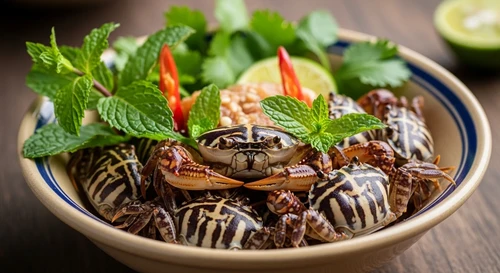
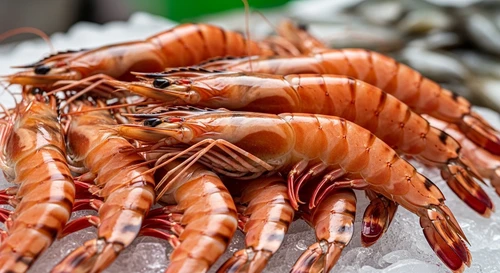
" The digital realm, a battleground for culinary truths. And few topics ignite the passions like the humble act of cracking open a crab. Is it the thick, armor-like shell of the mud crab, or the deceptively intricate structure of its blue swimmer cousin that poses the greater challenge? "
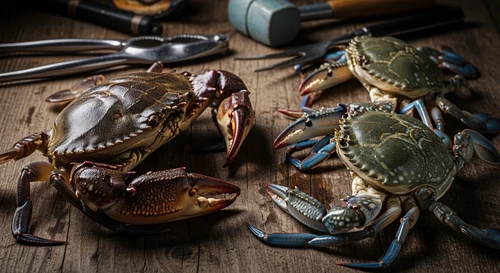
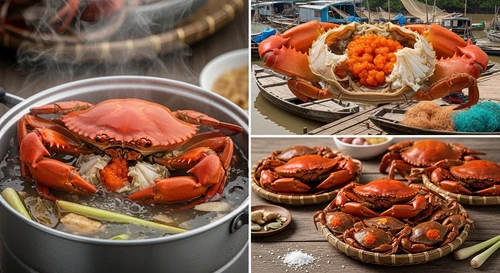
📸 The Contenders: A stark visual comparison.
1 A Tale of Two Shells: Mud Crab vs. Blue Swimmer
Our journey begins in the vibrant, life-giving waters of the Mekong Delta and extends to coastal fisheries, where these two crustaceans reign supreme. The debate isn't just academic; it's about the very essence of the dining experience. It's about the promise of sweet, succulent meat hidden within a protective fortress.
The Mighty Mud Crab (Scylla Serrata)
Native to the brackish waters and mangrove forests of the Mekong Delta and Southeast Asia, the mud crab is an icon of regional cuisine. Think of the famous Ca Mau Mud Crab. Its shell is notoriously thick and robust, a testament to its life in dynamic, sometimes harsh, environments. This is not a delicate creature. Its claws are formidable weapons, and its carapace is built like an ancient shield.
Heritage Ingredient
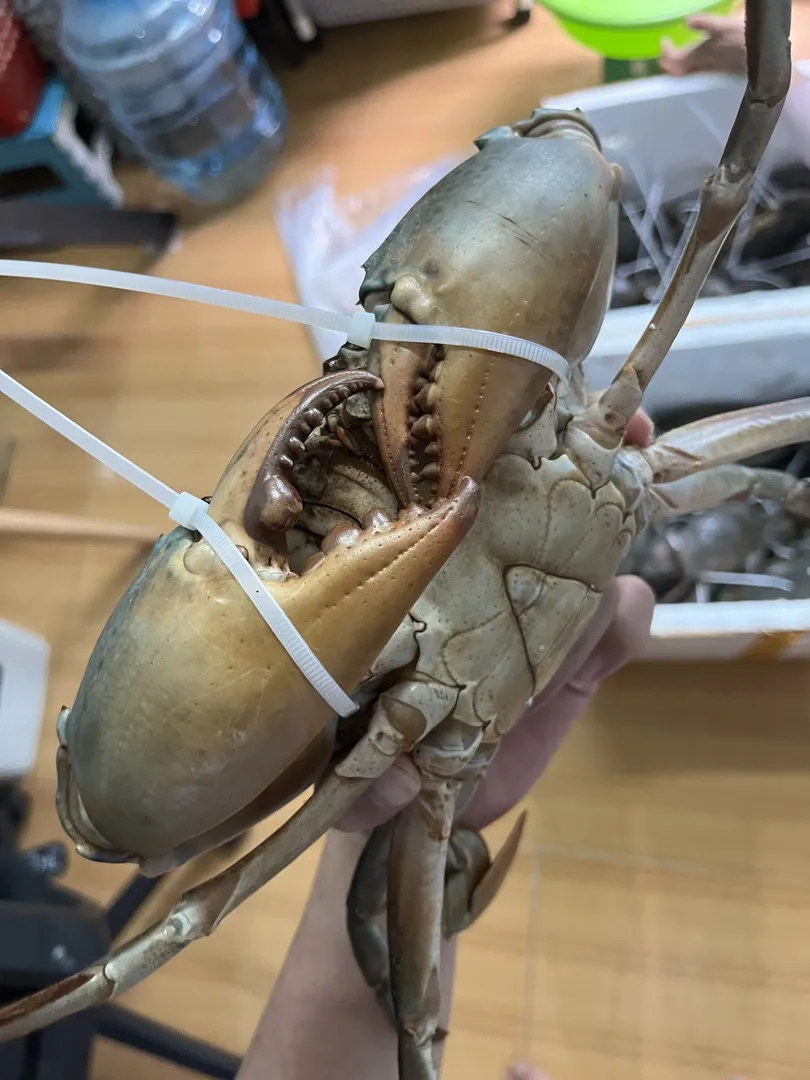
Ca Mau Jumbo Mud Crab
Ca Mau Jumbo Mud Crab
A large male mud crab prized for dense, sweet meat and thick claws, commonly used in steamed crab and grilled crab dishes across the Mekong Delta.
An icon of coastal culinary heritage, featuring firm, sweet meat that captures the raw power and freshness of Ca Mau's tides.
The Swift Blue Swimmer (Portunus Pelagicus)
Found in warmer marine waters across the Indo-Pacific, including the coastlines bordering the Mekong region, the blue swimmer crab, or "flower crab," is known for its speed and distinctive blue hue. While its shell might appear thinner at first glance, particularly in the legs and swimming paddles, the carapace can still present a significant challenge, often featuring sharp edges and intricate segments.
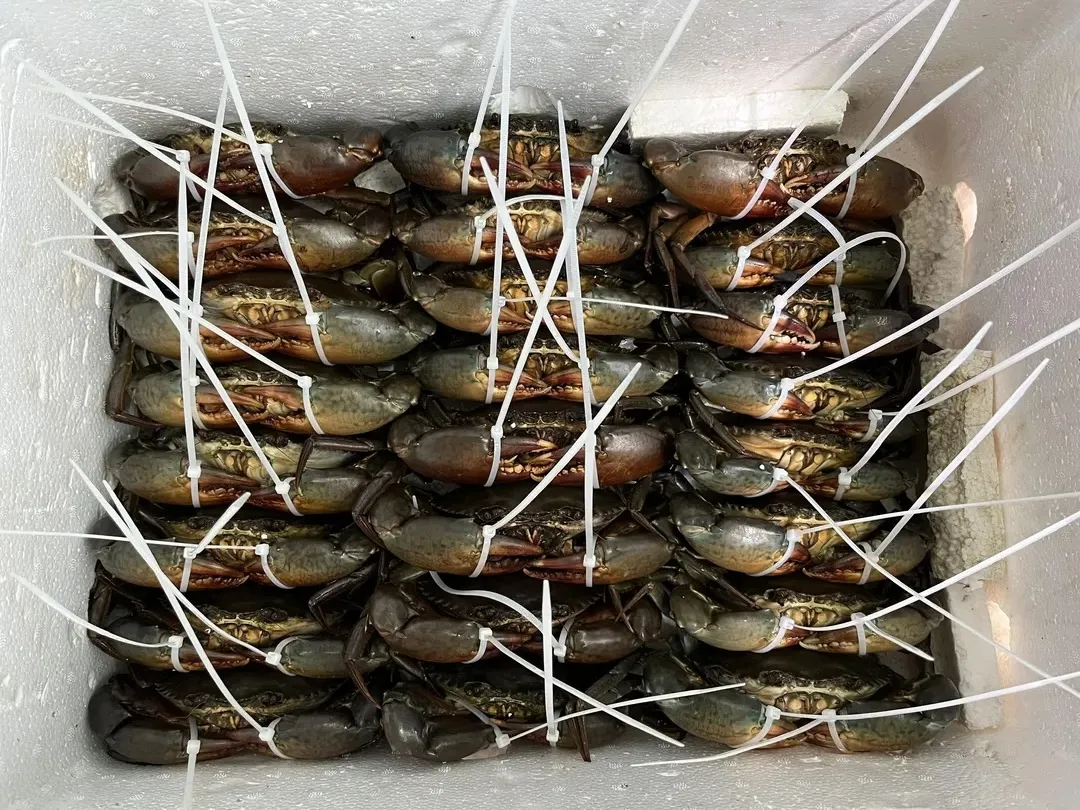
Heritage Ingredient
Export-Grade Ca Mau Roe Crab
Export-Grade Ca Mau Roe Crab
A carefully sorted roe crab selected for size, shell quality, and roe consistency, suitable for explaining premium grading in Vietnamese crab culture.
The pinnacle of perfection—pristine shells and bursting roe, meticulously selected to conquer the hearts of global gourmets.
Visually, the difference is stark. The mud crab often presents a more rugged, almost prehistoric appearance, while the blue swimmer has a more streamlined, agile form. But beauty, as they say, is skin deep. The real test lies in the effort required to reach the treasure within.
2 The War of the Carapaces: Shell Thickness and Density
This is where the debate often begins. The mud crab's shell is legendary for its thickness. It's composed of layers of chitin and proteins, hardened over time to protect it from predators and the physical stresses of its environment.
- Mud Crab Shell: Think of it as a medieval knight's armor. It's dense, often pitted, and requires significant force to crack. The primary claws, especially in mature males, are particularly formidable, often being thicker and more bulbous than the legs. You'll need robust tools and a good deal of leverage.
- Blue Swimmer Shell: While generally thinner than a mature mud crab, the blue swimmer's shell isn't a pushover. It's often smoother, more flexible, but can have sharp edges. The segments and joints can be tricky, and while the legs might be easier, the main body segments still require a decent effort.
In a direct comparison of sheer shell density and thickness, especially in the larger claws of mature specimens, the mud crab often takes the crown. Its shell feels like solid rock compared to the more pliable, albeit still tough, exterior of the blue swimmer.
3 Beyond the Exterior: Cartilage, Membranes, and the Inner Game
It's not just about brute force. The internal anatomy plays a crucial role in the peeling process. Both crabs have internal membranes and cartilaginous structures that can make extracting every last morsel an art form.
Mud Crab: The Dense Interior
Mud crabs, particularly the jumbo males prized for their meat, have thick, fleshy appendages. While the meat itself is dense and sweet, the internal structure can be complex. You'll encounter fine, almost crystalline, cartilage in the legs and deeper within the body. The membrane separating the meat from the shell can be tough and clingy, requiring careful prying. The sheer volume of meat in the claws also means more surfaces to navigate.
Blue Swimmer: The Intricate Web
Blue swimmer crabs often have a more intricate web of internal membranes and delicate cartilage. While perhaps less physically demanding to break through than a mud crab's thick shell, these delicate structures can be frustrating. They tend to tear rather than break cleanly, making it challenging to pull out large chunks of meat. Extracting the sweet meat from the body cavity, especially around the gills, can be a meticulous task.
The difference here is subtle but significant. With a mud crab, you often face a direct confrontation with toughness. With a blue swimmer, it's more of a delicate negotiation with its internal architecture.
4 The Battle Plan: Tools and Tactics
How you approach the crab speaks volumes about the challenge. The tools and techniques employed often reflect the crab's inherent difficulty.
Mud Crab Toolkit:
- Heavy-duty crab crackers: Essential for the thick claws and body segments.
- Mallet or rolling pin: For a decisive crack on particularly stubborn shells.
- Nutcracker: Useful for smaller leg segments.
- Small fork or skewer: For digging out every last bit of meat from crevices.
- Patience and determination.
Blue Swimmer Crab Toolkit:
- Standard crab crackers: Often sufficient for most parts.
- Seafood fork or pick: Crucial for navigating the intricate body cavity and leg joints.
- Small knife: For carefully splitting legs or segments.
- Dexterity and precision.
The mud crab demands a more forceful, direct approach. The blue swimmer requires a lighter, more surgical touch. The effort for the mud crab is in the breaking; the effort for the blue swimmer is in the extraction.
5 From the Delta Kitchens: A Matter of Taste and Tradition
In the Mekong Delta, crabs are not just food; they are a way of life. They populate the mangrove ecosystems, are caught by local fishermen, and are central to many regional dishes.
The mud crab, with its robust meat, is often prepared simply: steamed to highlight its natural sweetness, grilled with a fiery salt-and-pepper dip, or used in rich stews. The effort of peeling is seen as part of the rewarding experience – a testament to the quality of the catch.

The blue swimmer crab, perhaps more commonly found in coastal markets or estuaries feeding into the delta, is often favored for its slightly lighter, sweeter meat. It lends itself beautifully to stir-fries with garlic and chili, or steaming with ginger. The peeling is still a task, but perhaps one that feels slightly more approachable for home cooks.

For many Western diners, especially those encountering these crabs for the first time, the mud crab's formidable shell might be perceived as more daunting. However, the intricate internal structure of the blue swimmer can equally test one's patience and skill.
6 The Internet Weighs In: Harder to Peel?
The internet is awash with anecdotal evidence, passionate declarations, and heated discussions. The truth is, it depends.
Argument for Mud Crab being harder:
- Significantly thicker, denser shell, especially in mature specimens and claws.
- Requires more force and robust tools.
- Less meat extracted per break due to shell thickness.
Argument for Blue Swimmer being harder:
- Intricate internal membranes and delicate cartilage can be frustrating.
- Tends to break into smaller pieces, making extraction more fiddly.
- Sharp edges on the carapace can be a hazard.
- The "art" of finding every last bit of meat can be more challenging.
If we're talking pure, brute force required to crack the main shell and claws, the mud crab often wins. However, if we consider the cumulative effort of extracting every usable piece of meat cleanly and efficiently from all parts of the crab, the blue swimmer might edge out the mud crab for sheer tedium and delicate navigation.
7 Mastering the Crustacean: Tips for Effortless Enjoyment
Whether you're facing a mud crab or a blue swimmer, a few tips can turn the challenge into a pleasure.
- Freshness is Key: Always start with the freshest crab possible. Living crabs are always best for flavor and ease of handling.
- Know Your Tools: Invest in good quality crab crackers and picks. The right tools make a world of difference.
- Warm Up (the Crab, Not You): A short stint in the freezer (15-20 mins) can make the crab more lethargic and easier to handle, reducing struggle for both you and the crab.
- Start with the Legs: Legs are often easier to crack and provide a good warm-up.
- Target the Body Segments: Use crackers for the main carapace, but a skewer or fork is essential for the nooks and crannies.
- Don't Forget the "Butter": The greenish-yellow tomalley (hepatopancreas) inside the body cavity is a delicacy to many, rich and savory.
- Serve with a Purpose: Have bowls ready for shells and a damp cloth for sticky fingers.
8 The Final Shell-Shock
So, which is harder to peel, mud crab or blue swimmer? The consensus leans towards the mud crab for sheer shell toughness, especially when dealing with large male specimens common in Mekong Delta cuisine. Its thick, robust exoskeleton demands more physical effort and powerful tools.
However, the blue swimmer crab presents its own unique challenges with its intricate internal structures and tendency to splinter, making the extraction process more time-consuming and requiring greater dexterity.
Ultimately, the "difficulty" is subjective and depends on the specific crab, its size, maturity, and the diner's experience and tools. What remains undisputed is the reward: the sweet, succulent meat that makes all the effort worthwhile. Whether from the muddy embrace of the delta or the coastal tides, cracking open a crab is a culinary adventure worth embarking on.