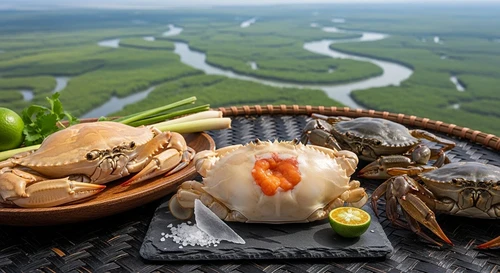
" Forget what you think you know about sushi or ceviche. This is different. This is about raw, briny seafood achieving a profound depth of flavor through patient marination, a culinary alchemy that borders on the spiritual. "
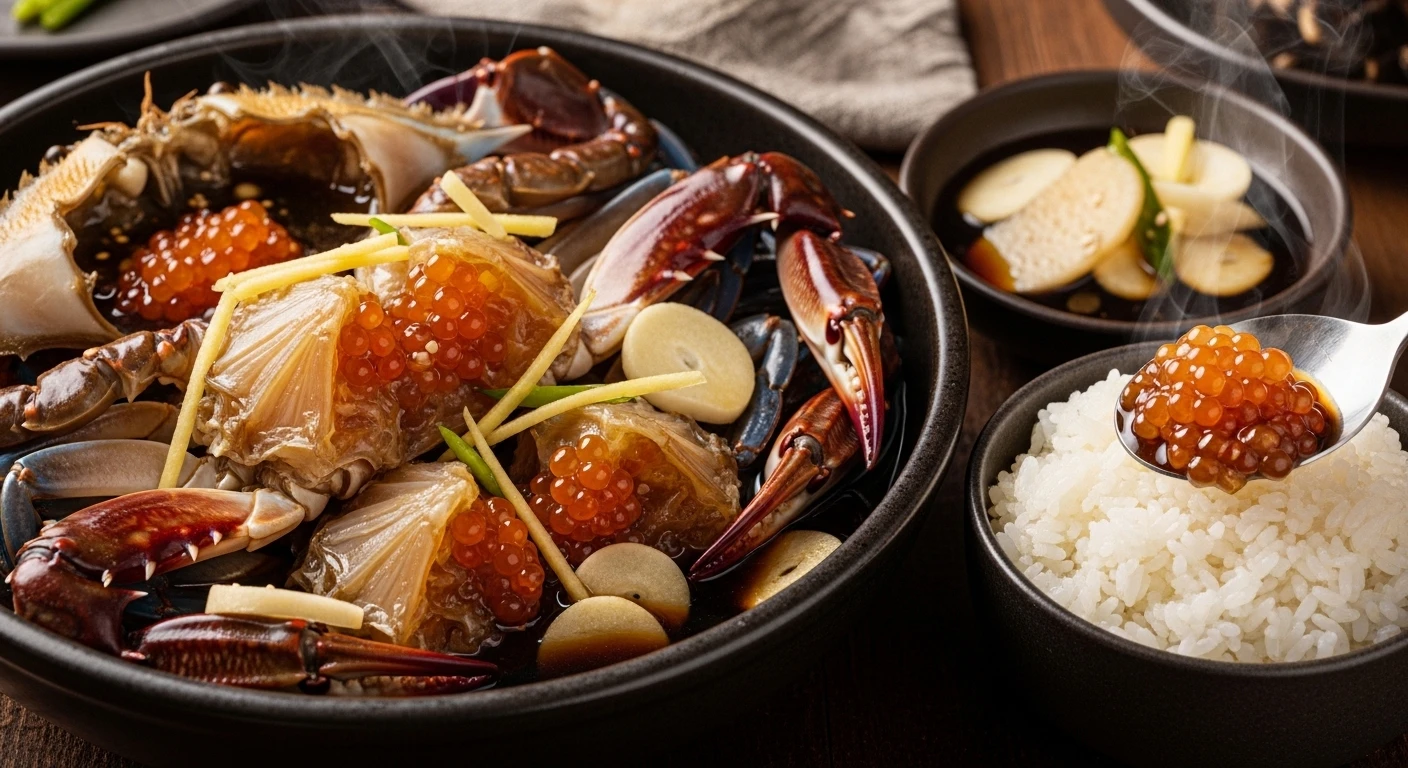
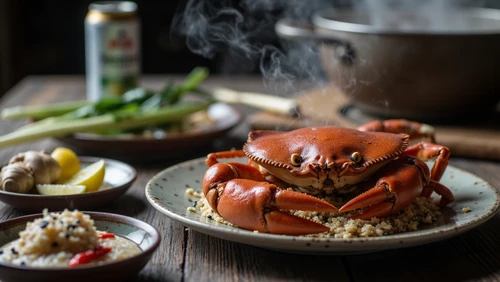
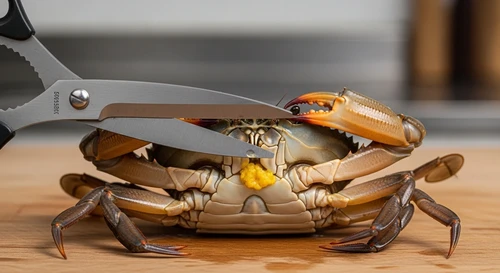
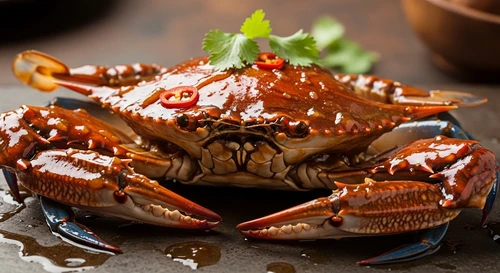
📸 The prize: Perfectly marinated raw crab, brimming with sticky, amber roe.
1 From Mekong's Tides to Korean Tables
When I first encountered Ganjang Gejang, my mind immediately flashed to the estuaries of the Mekong Delta. The very essence of this dish – the unadulterated, intensely flavored seafood – echoes the raw, honest bounty of Vietnam's southern waters. Here, in the intricate network of rivers and canals around Ca Mau, the culture is deeply intertwined with the sea and its offerings. Crabs, often mud crabs prized for their dense meat and luscious roe, are a staple.
You'll find crabs prepared in countless ways: steamed with beer and lemongrass, simmered in spicy tamarind, or grilled to smoky perfection. There's an inherent respect for the ingredient, a desire to highlight its natural sweetness and oceanic brine. The Mekong Delta's approach often leans towards immediate consumption, capturing the peak freshness of live seafood.
Mekong Spirit
Focus on absolute freshness, highlighting natural sweetness and brine. Often served simply steamed, grilled, or simmered.
Heritage Ingredient
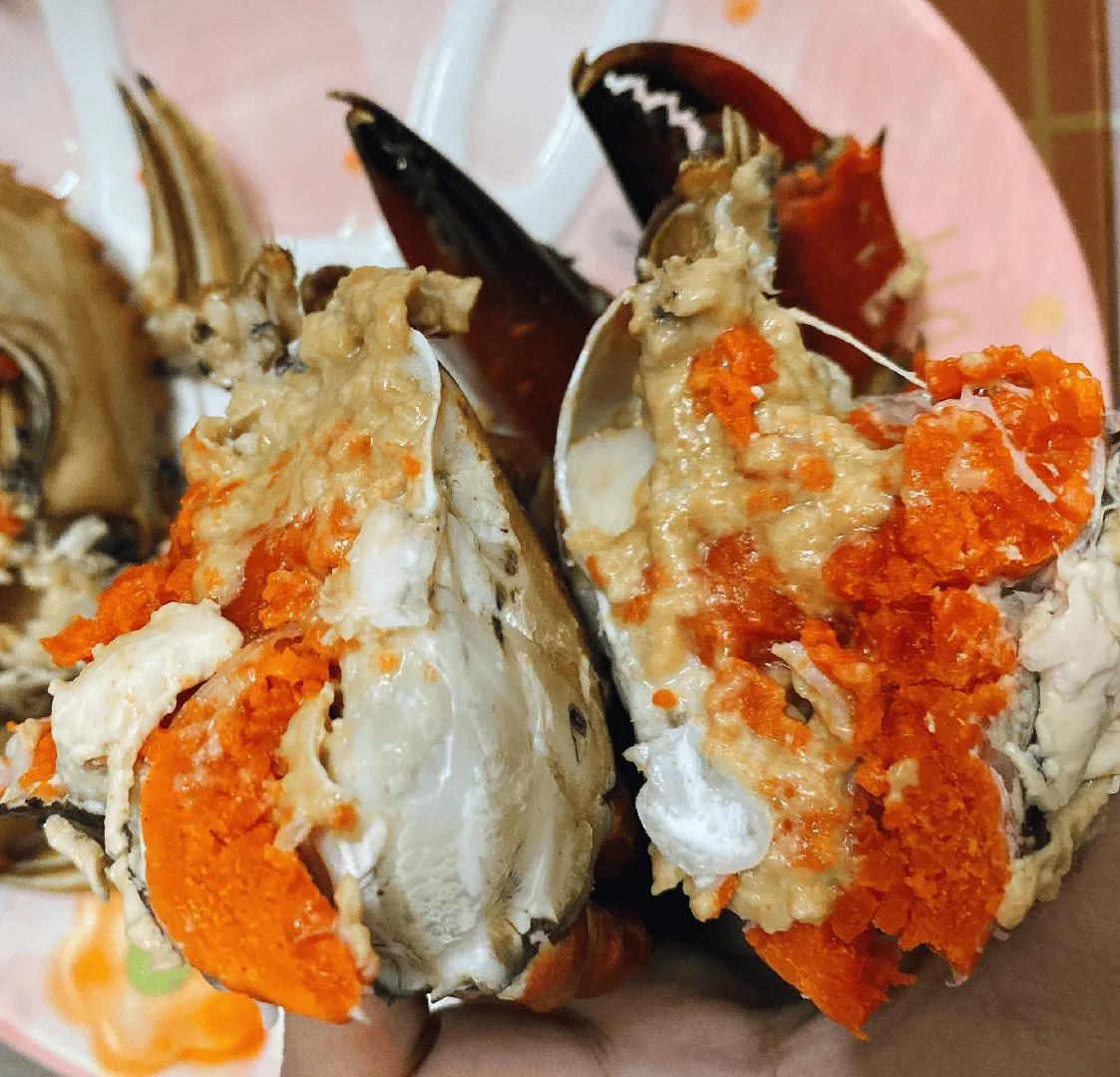
Ca Mau Roe Mud Crab
Ca Mau Roe Mud Crab
A female mud crab known for deep orange roe and a rich, creamy finish, often featured in celebratory Southern Vietnamese seafood meals.
A crimson treasure hidden within a shell, boasting rich, creamy roe that melts on your tongue like a golden sunset over the delta.
Korean Alchemy
Embraces raw seafood through a slow, transformative marination in a savory, slightly sweet soy-based brine. Patience is key.
Heritage Ingredient
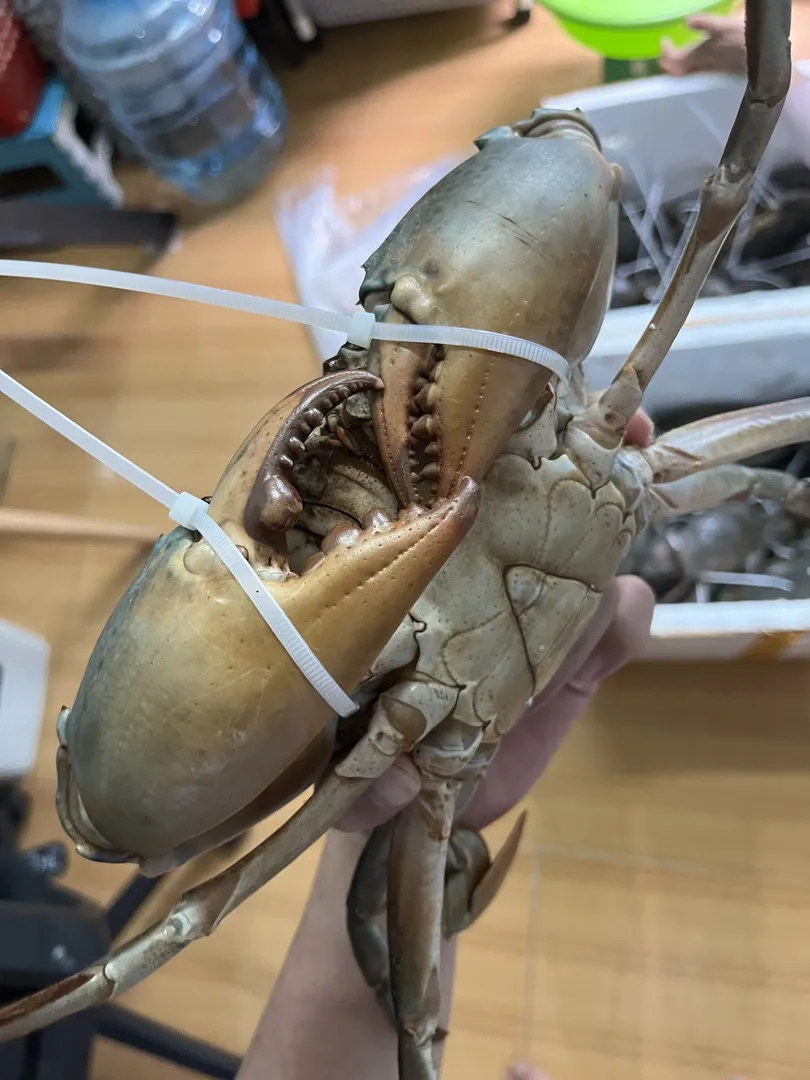
Ca Mau Jumbo Mud Crab
Ca Mau Jumbo Mud Crab
A large male mud crab prized for dense, sweet meat and thick claws, commonly used in steamed crab and grilled crab dishes across the Mekong Delta.
An icon of coastal culinary heritage, featuring firm, sweet meat that captures the raw power and freshness of Ca Mau's tides.
Ganjang Gejang, however, takes this respect for the raw ingredient and elevates it through a sophisticated, patient marination. It's a dish born of a different climate, a different culinary philosophy, but its soul resonates deeply with the spirit of the Mekong's seafood bounty. It’s the raw beauty of the sea preserved and intensified. The critical distinction lies in the marination itself – a process that, while seemingly simple, is an art form.
2 The "Raw" Conversation: Safety and Sourcing
Let's address the elephant in the room: eating raw crab. This is not for the faint of heart, nor is it for just any crab. The success and safety of Ganjang Gejang depend entirely on the quality and freshness of the crab.
In Korea, this dish is typically made with "yeonseot gejang" (숙회 게장), meaning boiled or blanched crab that is then marinated. However, the truly prized and authentic version, often called "ganjang gejang" (간장 게장) without any pre-cooking, uses meticulously selected, **absolutely fresh, live blue crabs**. The marinating brine acts as a powerful preservative and an antibacterial agent.
The key elements are:
- Sourcing: The crabs must be caught recently, handled with extreme care, and kept alive until the very last moment. In the Mekong Delta, fishermen bring their catch in daily. For Ganjang Gejang, think of the finest, most pristine catches from coastal areas or specially managed farms.
- Hygiene: Impeccable cleanliness is non-negotiable. This applies from the harvesting of the crab to the preparation of the marinade and the storage of the finished dish.
- The Marinade: The soy sauce base, often fortified with other elements like rice wine or soju, acts as a crucial part of the preservation process, drawing out moisture and inhibiting bacterial growth.
If you are concerned about consuming raw seafood, opt for the pre-blanched "yeonseot gejang" style. But for the purist, the true Ganjang Gejang is an experience of unparalleled delicacy. For those seeking that truly premium, pristine crab experience, understanding the grading is essential.
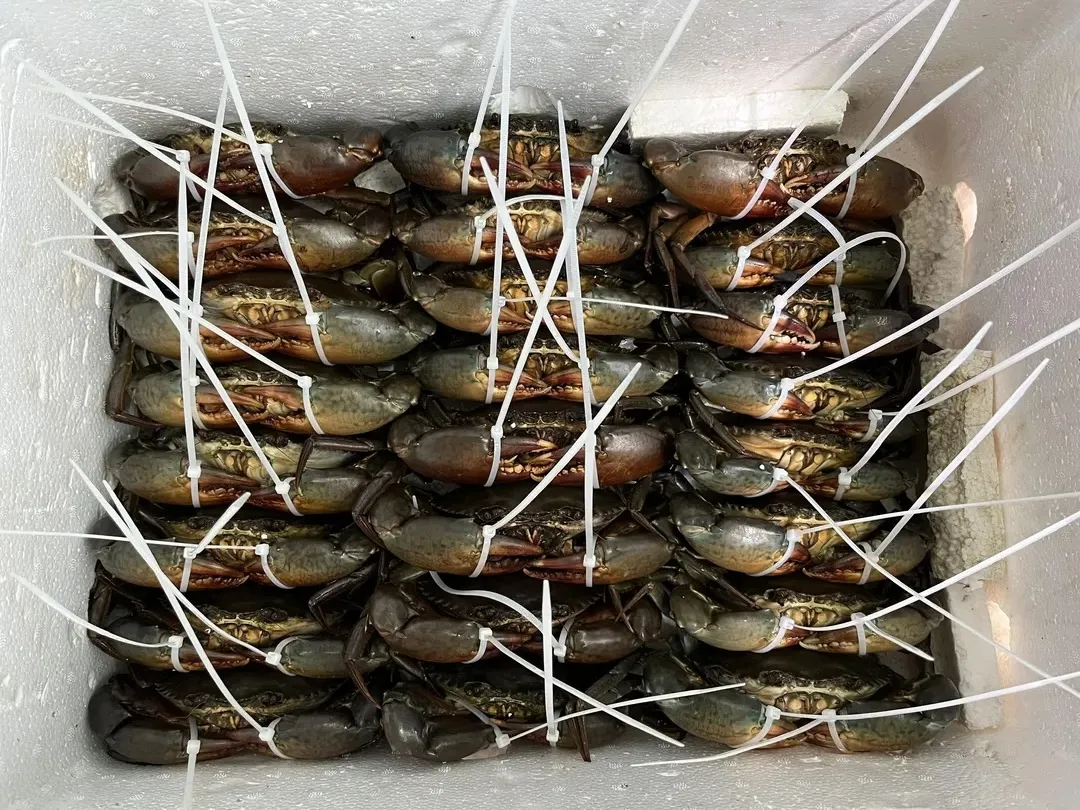
Heritage Ingredient
Export-Grade Ca Mau Roe Crab
Export-Grade Ca Mau Roe Crab
A carefully sorted roe crab selected for size, shell quality, and roe consistency, suitable for explaining premium grading in Vietnamese crab culture.
The pinnacle of perfection—pristine shells and bursting roe, meticulously selected to conquer the hearts of global gourmets.
3 The Soul of the Sauce
This isn't your average stir-fry sauce. The Ganjang Gejang marinade is a carefully balanced concoction, designed to tenderize, preserve, and infuse the crab with a complex, savory-sweet profile. While recipes vary, a standard base usually includes:
The Foundation
- Good Quality Soy Sauce: A Korean soy sauce for soup (Guk-ganjang) can be used, but a blend often provides the best balance of saltiness and umami. Low-sodium can also be adjusted.
- Water: To dilute the soy sauce.
- Rice Wine/Soju: Essential for tenderizing and adding a clean finish.
The Aromatics & Sweeteners
- Garlic: Plenty of it, sliced.
- Ginger: Sliced.
- Onion: Adds sweetness and depth.
- Pear/Apple: Crucial for natural sweetness and enzymatic tenderizing. This is where the magic happens.
- Optional: Dried chili peppers for a gentle heat, sometimes a touch of sugar or honey for balance.
The secret weapon for many is the inclusion of fruits like pears and apples. Not only do they lend a subtle, natural sweetness, but their enzymes also play a vital role in tenderizing the crab meat, making it incredibly succulent and almost melt-in-your-mouth. Some recipes call for briefly boiling the marinade ingredients with the fruits before cooling, others use them raw. The latter allows the enzymes to work more vigorously.
4 The Ritual: Step-by-Step
This is a dish that requires patience. The waiting is part of the culinary journey. The longer it marinates, the deeper the flavor.
Prepare the Crab:
If using live crabs, rinse them thoroughly under cold running water. Trim any excess gills and beards. Some chefs lightly blanch them for a few seconds (15-30 seconds) in boiling water, then immediately plunge into ice water to stop the cooking and ensure a safe-to-eat texture. This is the 'yeonseot gejang' method. For true 'ganjang gejang', ensure extreme freshness and use them raw after rinsing.
Make the Marinade:
In a pot, combine soy sauce, water, rice wine/soju, sliced garlic, ginger, onion, pear/apple, and any optional ingredients. Bring to a gentle boil for 5-10 minutes to meld the flavors and soften the fruits. Let it cool completely. Some prefer to use the raw fruits for maximum enzyme action.
Marinate:
Place the prepared crabs in a clean, airtight container. Pour the cooled marinade over them, ensuring they are fully submerged. Seal the container tightly.
The Wait:
Refrigerate for at least 3-4 days. For peak flavor and texture, allow 5-7 days. The roe will become sticky and intensely flavorful, coating your palate like a rich, savory custard.
Serve and Enjoy:
Serve chilled. The best way to eat Ganjang Gejang is with a bowl of steaming hot white rice. Use the crab's juices to drench your rice – it's known as 'heavenly rice' (ssal-do-duk). Crack open the shells to access the sweet meat and that coveted sticky roe.
5
The Heavenly Rice:
Ssal-do-duk (쌀도둑)
This isn't just a dish; it's an institution. The true measure of Ganjang Gejang's success is how much rice you devour alongside it. The Korean term "ssal-do-duk" literally translates to "rice thief." The rich, umami-laden soy marinade, brimming with the essence of the crab and infused with fruits and aromatics, transforms plain rice into something extraordinary.
Imagine this: you've carefully extracted the succulent meat and that precious, sticky roe from a crab. You then take a spoonful of hot, fluffy rice and dip it directly into the remaining marinade in the shell. The rice absorbs the complex flavors – the savory soy, the hint of sweetness from the pear, the briny whisper of the sea, the subtle kick of garlic and ginger. It’s pure, unadulterated flavor, a culinary seduction that compels you to reach for more rice, again and again. It’s a testament to the power of simple, high-quality ingredients transformed by thoughtful preparation.
While the Ganjang Gejang itself is the star, the accompanying rice is its perfect foil, a blank canvas ready to absorb the exquisite marinade. It's an experience that transcends mere eating; it's an immersion into a profound culinary tradition.
6
Beyond the Classic:
Evolving Flavors
While the classic soy-marinated raw crab is king, culinary evolution is inevitable. Chefs and home cooks constantly experiment, seeking new dimensions of flavor:
- Spicy Marinades: Incorporating gochujang (Korean chili paste) or fresh chilies into the brine creates a "yangnyeom gejang" (양념 게장) with a fiery kick that complements the crab's sweetness.
- Seafood Blends: Sometimes, marinated raw shrimp (Ganjang Saeu-jang) or other types of marinated seafood are prepared alongside the crab, offering a varied tasting experience.
- Fusion Approaches: You might find recipes incorporating ingredients from other cuisines, though the purists would argue this dilutes the essence of the dish.
The Mekong Delta itself offers a parallel in its love for preserved seafood, like fermented crab (Ba Khia) or shrimp pastes (Mam Tom). These dishes, though distinct in preparation and flavor profile, share the underlying philosophy of extracting maximum flavor from the region's aquatic treasures through time and careful fermentation or marination.
7 A Taste of the Ocean's Soul
Ganjang Gejang is more than just a dish; it's an experience that demands attention. It's the raw, unadulterated essence of the sea, captured and intensified through a meticulous process. It speaks of a deep respect for ingredients, a culinary tradition that values patience, and the profound pleasure derived from perfectly balanced flavors.
Whether you’re savoring it in a bustling Seoul restaurant or preparing it yourself, remember the journey of this crab – from the ocean's depths, perhaps even echoing the very estuaries of the Mekong Delta, to your plate. Each bite is a testament to the sea's bounty and the art of transformation.
8 Chef's Secrets for Perfect Gejang
Freshness is Paramount:
This cannot be stressed enough. Use only the freshest, highest quality live crabs. If in doubt, don't make it.
Marinade Balance:
Taste your cooled marinade before adding the crab. Adjust soy sauce, sweetness (pear/apple), and rice wine to your preference. It should be savory, slightly sweet, and have a clean finish.
Don't Rush the Wait:
Patience is rewarded. A minimum of 3-4 days is necessary, but 5-7 days will yield a vastly superior result in terms of flavor and texture.
Storage is Key:
Keep refrigerated. The marinated crab is best consumed within a week of marinating.