" In the heart of the Mekong Delta, where life flows with the rhythm of the tides and the waterways, simplicity is often the ultimate sophistication. This dish is proof. "

📸 The perfect blush: Vibrant red shrimp, plump and ready.
1 The Mekong's Liquid Gold: Nature's Sweetener
Forget any notions of boiling shrimp in plain water. In the watery embrace of the Mekong Delta, the locals have a secret weapon: the natural sweetness of Siamese coconuts, also known as dừa xiêm. These aren't your average beach-side coconuts; they're prized for their exceptionally sweet and fragrant water, a staple in the region's culinary landscape.
Why coconut water? It's a culinary hack born from necessity and tradition. The natural sugars in the coconut water caramelize slightly during the brief cooking process, enhancing the shrimp's inherent sweetness. The result is a subtle, aromatic depth that plain water or even beer can't replicate. It's pure, unadulterated flavor.
Flavor Infusion
The delicate sugars in coconut water subtly enhance the shrimp's natural sweetness, creating a flavor profile far superior to simple boiling.
Texture Perfection
The gentle cooking medium ensures the shrimp remain perfectly plump and tender, avoiding the rubbery texture that can plague overcooked seafood.
The Stars of the Show:
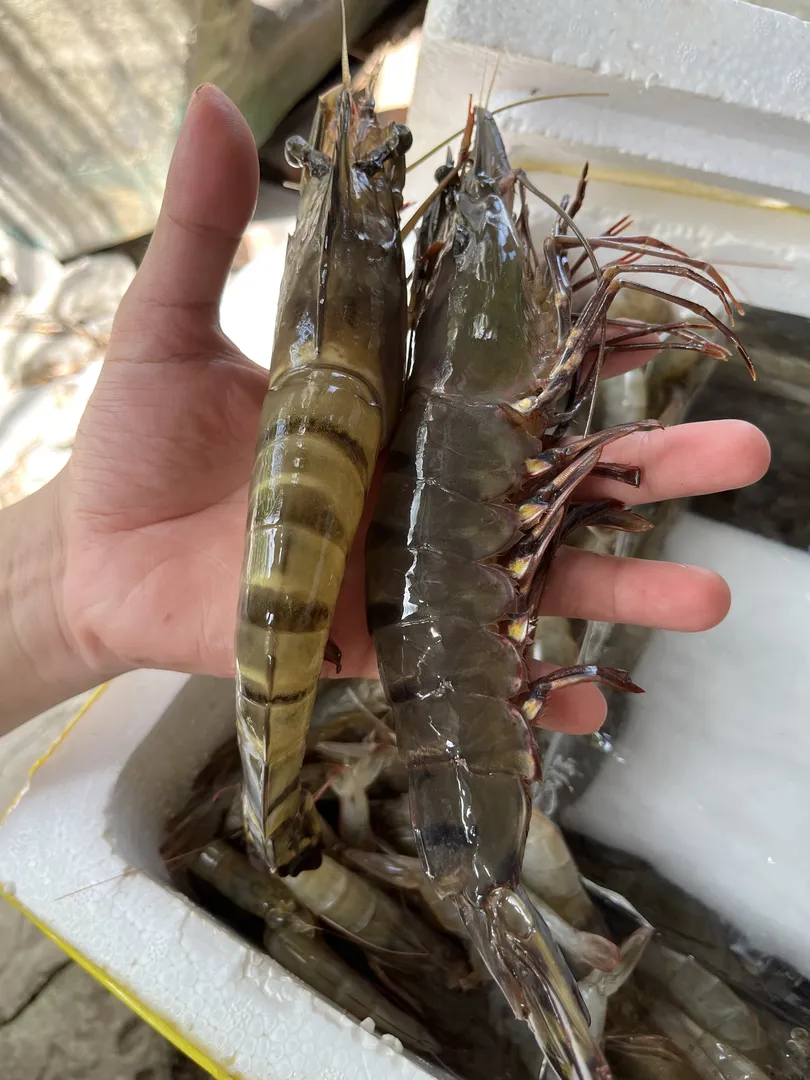
For this dish, fresh, wild-caught shrimp are ideal. Think of the Ca Mau Black Tiger Shrimp, known for their firm texture and clean, sweet finish.
Heritage Ingredient
Ca Mau Black Tiger Shrimp
Ca Mau Black Tiger Shrimp
Large black tiger shrimp associated with mangrove aquaculture in Ca Mau, known for firm flesh and a cleaner, sweeter finish than intensively farmed shrimp.
Wild spirits of the mangroves, these black-banded gems deliver a firm, snappy texture and a sweetness that echoes the forest's vibrant life.

2 A Taste of the Waterways: From Catch to Pot
The Mekong Delta is a vast network of rivers, canals, and estuaries, a fertile cradle for an astonishing array of seafood. Here, shrimp aren't just farmed; they're harvested from brackish waters, mangrove forests, and the open sea, each origin lending a unique character to their flavor.
The simplicity of boiling shrimp in coconut water highlights this regional bounty. It's a method that respects the ingredient, allowing its natural sweetness and brininess, a direct reflection of the delta's pristine environment, to shine through. Imagine picking up fresh shrimp from a floating market in Can Tho or a coastal village in Ca Mau, then preparing them moments later—that's the essence of this dish.
The Catch
- Freshness is Paramount: Always use live or freshly caught shrimp. The vibrant color and firm texture are indicators of quality.
- Size Matters: Medium to large shrimp work best for this quick boiling method, ensuring they cook through without becoming tough.
The Elixir
- Pure Coconut Water: Look for 100% pure, unsweetened coconut water. Avoid those with added sugars or flavors.
- The Right Coconut: "Dừa xiêm" (Siamese coconut) is traditional, but any sweet, young coconut will suffice.
3 The 5-Minute Wonder: Simplicity Redefined
This isn't a dish that demands hours at the stove. It's a testament to the Mekong's philosophy of quick, fresh, and flavorful preparation. The process is so fast, you might not even have time to scroll through social media.
Prepare the Pot
Pour enough fresh coconut water into a pot to generously cover the shrimp. Bring it to a rolling boil over high heat.
Add the Shrimp
Carefully add the shrimp to the boiling coconut water. Stir gently to ensure they are fully submerged.
The Quick Boil
Boil for just 2 to 4 minutes, depending on the size of the shrimp. They are cooked when they turn bright pink or red and curl into a 'C' shape. Do not overcook!
Drain and Serve
Immediately drain the shrimp using a colander. Serve hot or at room temperature.
4 The Supporting Cast: Enhancing the Sweetness
While the shrimp are the undisputed stars, the accompaniments are crucial for elevating the experience. The Mekong Delta favors simplicity, and this dish is no exception. The goal is to complement, not overpower, the natural sweetness.
The Dipping Sauce: A Tangy Counterpoint
A classic Vietnamese dipping sauce is essential. The perfect partner is a blend of fish sauce, lime juice, sugar, garlic, and chili. This provides a salty, sour, and spicy kick that makes the sweet shrimp sing.
Mix 2 tbsp fish sauce, 1 tbsp lime juice, 1 tsp sugar, 1 clove minced garlic, and a pinch of minced chili.
Fresh Herbs & Vegetables
For a refreshing contrast, serve with a platter of fresh herbs like mint, basil, and Vietnamese coriander, alongside crisp slices of cucumber or green mango.
A simple side of rice paper and fresh greens can turn this into a light spring roll experience.
Other Mekong Favorites:
While Black Tiger shrimp are excellent, the Mekong Delta also offers other fantastic options. The Mekong Giant Freshwater Prawn, with its rich head fat, is sublime when grilled, and common Whiteleg Shrimp are versatile for everyday cooking.

Heritage Ingredient
Mekong Giant Freshwater Prawn
Mekong Giant Freshwater Prawn
A river prawn with long blue claws and rich head fat, common in grilled prawn dishes and hotpot traditions across the Mekong basin.
Majestic blue-clawed warriors of the Mekong, famous for their rich, fatty heads and a savory depth that captures the essence of the delta's rivers.

5 From Ca Mau's Shores: A Coastal Gem
While this coconut water boiling method is widespread across the Mekong Delta, it's particularly revered in the coastal province of Ca Mau. Ca Mau is Vietnam's southernmost province, a region synonymous with vast mangrove forests and rich aquaculture. It's here that some of the country's finest shrimp and crab are harvested.
The proximity to the sea means access to premium, wild-caught shrimp. These shrimp, often feeding naturally within the complex estuarine ecosystem, develop a superior flavor and texture. Boiling them in sweet coconut water is a way to honor that natural perfection, a culinary tradition as vital as the waterways themselves.
6 Elevating the Humble Boil
While the basic recipe is perfection in its simplicity, there are subtle ways to enhance this dish further, drawing inspiration from various Mekong Delta preparations:
Aromatic Infusion
Before adding the shrimp, briefly simmer sliced ginger, lemongrass stalks (smashed), or a few kaffir lime leaves in the coconut water for an extra layer of fragrance.
The "Spicy Kiss"
For those who crave a hint of heat, add a fresh bird's eye chili (or two) to the coconut water while it boils. Be careful, as this will infuse some spice into the shrimp.
7 A Healthy Choice from the Delta
This preparation is remarkably healthy. Shrimp are an excellent source of lean protein and essential nutrients like selenium, vitamin B12, and iodine. Boiling them in natural coconut water means you avoid added fats or excessive sodium often found in other cooking methods.
Coconut water itself is a natural hydrator, rich in electrolytes, and contains beneficial compounds. It's a guilt-free indulgence that nourishes the body while delighting the palate.
8 The Soul of Simplicity
In a world obsessed with complex culinary techniques, the Mekong Delta offers a refreshing counterpoint. The "Juicy Coconut Water Boiled Shrimp" is more than just a recipe; it's a philosophy. It's about embracing the purity of fresh ingredients, harnessing the gifts of nature, and celebrating flavor with grace and ease.
So next time you find yourself with a bounty of fresh shrimp, skip the heavy sauces and elaborate preparations. Reach for a young coconut, embrace the simplicity, and let the sweet, succulent taste of the Mekong Delta transport you.
Trending Flavors:
More Mekong Delights
View More Food & Culinary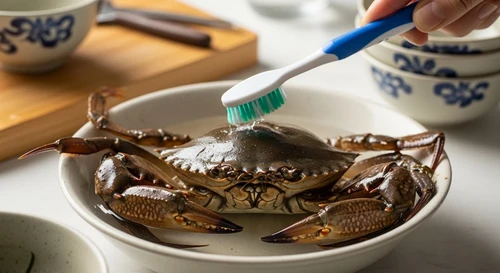
How to Properly Clean a Mud Crab Before Cooking
A step-by-step tutorial on using a toothbrush to scrub away mud and debris from the crab's shell and abdomen.
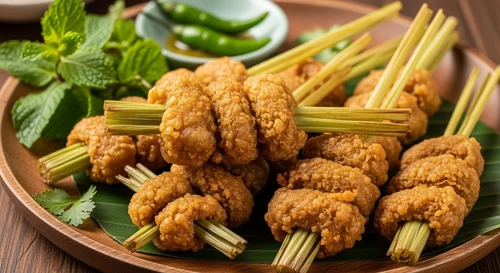
Hand-Pounded Shrimp Paste Wrapped Around Lemongrass Stalks
A bouncy, flavorful appetizer. Minced tiger shrimp paste fried golden brown, infusing the aroma of the lemongrass skewer.
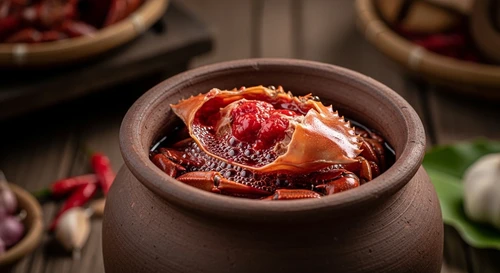
How to Tell When Fermented Crab is 'Ripe' and Ready to Eat
Patience is key. Look for a softened underbelly, a fragrant fermented aroma, and a deep reddish hue after 7-10 days.
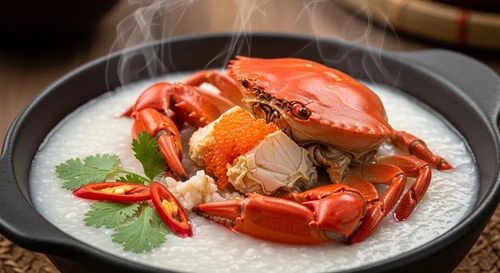
Coconut Milk Porridge with Salted Crab: A Late-Night Comfort
The creamy sweetness of coconut rice porridge perfectly counteracts the sharp saltiness of Ba Khia. A Bac Lieu classic.
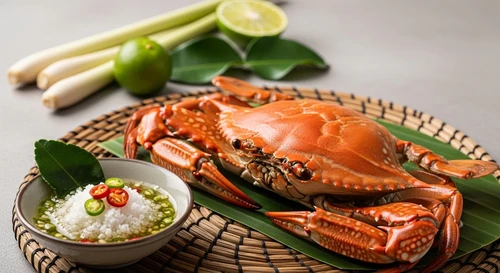
Steamed Blue Crab with Lemongrass & Lime Leaf Salt
How to boil blue crabs while keeping the legs intact, ensuring firm, sweet meat dipped in chili lime leaf salt.
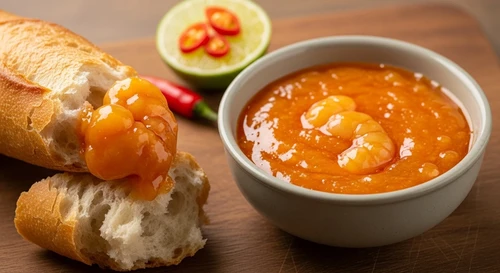
Extracting Prawn Head Roe to Make the Ultimate Bread Dip
A meticulous technique to scoop out the rich, orange fat from the prawn's head to create a buttery sauce perfect for crusty baguettes.
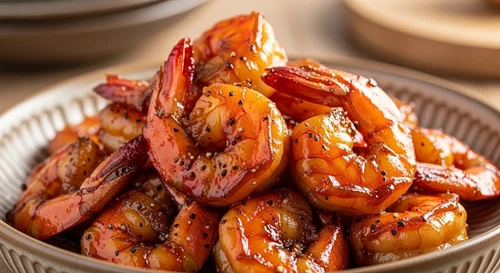
Caramelized Shrimp with Coconut Water (Tom Rim Nuoc Dua)
Peeled whiteleg shrimp simmered down in fresh coconut water and black pepper until sticky, sweet, and savory.
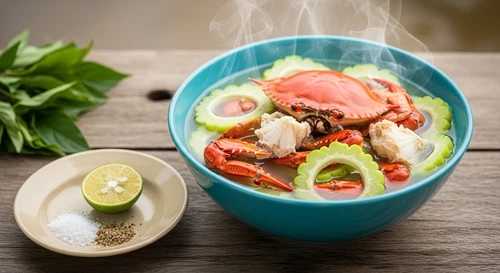
Mekong Delta Crab & Gourd Clear Hotpot
A rustic hotpot combining the sweetness of ocean crabs and fresh young gourd. Extremely effective for cooling down.
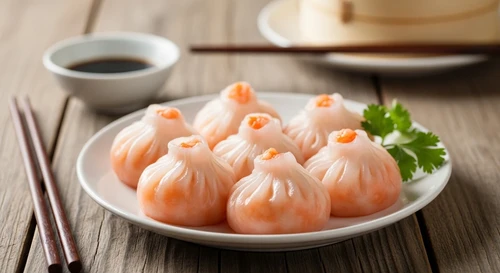
Crab Meat Dumplings (Ha Cao Cua): Dim Sum Excellence
Master the art of making translucent, chewy dumpling wrappers filled with juicy crab and shrimp.