" Forget your hurried city breakfasts. In the Mekong Delta, the day begins with the river. And this soup is its liquid soul – a vibrant, complex tapestry woven from the freshest bounty. "
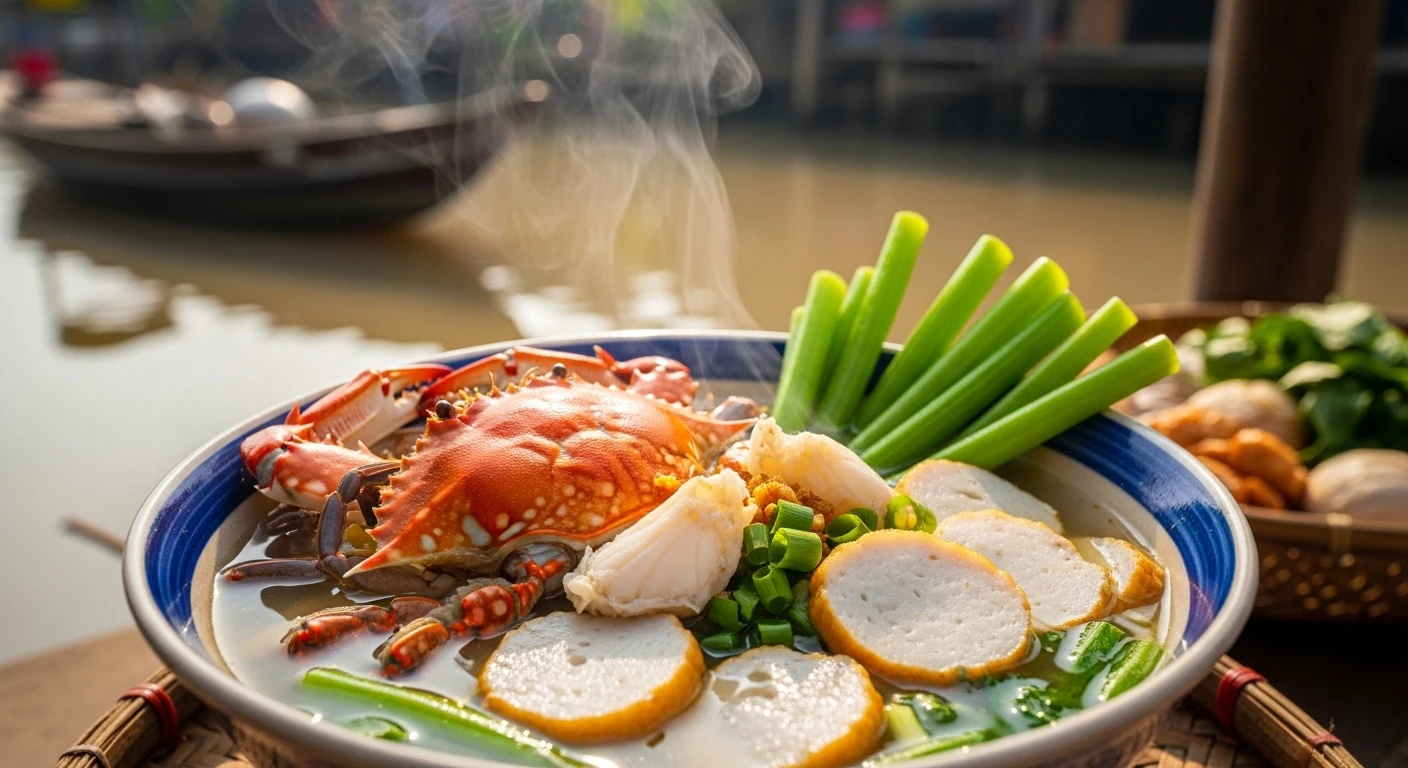
📸 A bowl brimming with the flavors of the delta.
1 The Mekong Morning Ritual
Before the sun fully crests the horizon, casting its golden light across the countless waterways, the Mekong Delta is already alive. The rhythm of life here is dictated by the ebb and flow of the rivers, and for many, the day’s sustenance begins with what the water provides.
This isn't just a breakfast; it's an immersion. Imagine a small wooden stall on the banks of a canal, mist still clinging to the water, the air thick with the scent of cooking. A steaming bowl arrives, a vibrant symphony of colors and aromas. This is Hu tieu cua gach voi bong nghe – a dish that speaks of freshness, community, and the rich culinary heritage of Southern Vietnam.
Unlike the heavier noodle soups, this one is designed to be invigorating, a gentle awakening rather than a deep slumber. It's clean, bright, and packed with distinct textures that keep your palate engaged.
2 Unveiling the Stars of the Bowl
Every component in this soup plays a crucial role, from the briny sweetness of the crab to the yielding chewiness of the fish cakes, and the surprising crunch that sets this dish apart.
The Blue Crab
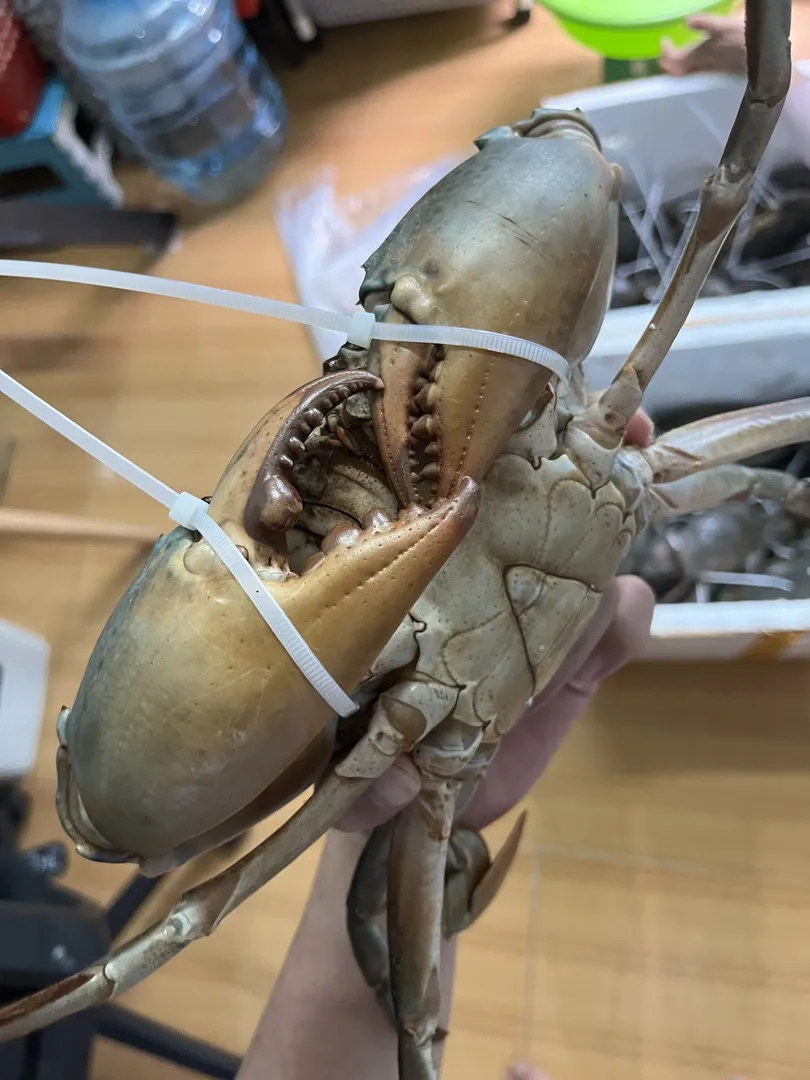
The soul of the soup. While 'blue crab' is often used, in the Mekong, this typically refers to the prized mud crabs from regions like Ca Mau. Their meat is intensely sweet, with a delightful firmness that doesn't turn mushy when cooked.
Heritage Ingredient
Ca Mau Jumbo Mud Crab
Ca Mau Jumbo Mud Crab
A large male mud crab prized for dense, sweet meat and thick claws, commonly used in steamed crab and grilled crab dishes across the Mekong Delta.
An icon of coastal culinary heritage, featuring firm, sweet meat that captures the raw power and freshness of Ca Mau's tides.
Mackerel Fish Cakes
These aren't your fried, rubbery versions. Traditional Vietnamese fish cakes are often made from hand-scraped fish meat, lending them a light, bouncy texture and a clean, oceanic flavor. Mackerel (cá thu) is a popular choice for its rich taste.

Heritage Ingredient
Hau Giang Featherback Fish Cake
Hau Giang Featherback Fish Cake
A hand-scraped featherback fish cake known for natural bounce and clean fish flavor, often used in soups, hotpot, and stuffed bitter melon dishes.
A testament to Hau Giang's artistry—silky, springy, and pure, these hand-scraped fish cakes are the bouncy heart of every clear soup.
Elephant Ear Stems
This is where the magic truly happens. The thick, hollow stems of the elephant ear plant (also known as water taro or 'bông nghe') are typically blanched or lightly stir-fried until tender-crisp. Their unique texture adds a satisfying crunch, a delightful contrast to the soft noodles and chewy fish cakes. They also absorb the broth beautifully, offering little bursts of savory goodness.
Note: Sourcing fresh elephant ear stems outside of Southeast Asia can be challenging. Sometimes, they are pickled, or if unavailable, a similar crunchy texture might be achieved with thinly sliced water chestnuts or jicama, though the authentic flavor will differ.
3 From the River to the Pot: Crafting the Broth
The foundation of any great noodle soup is its broth, and in the Mekong, simplicity often yields the most profound flavors. For this dish, the aim is a clear, aromatic broth that lets the primary ingredients shine.
It begins with the crab itself. Often, the crab shells and tomalley (the greenish fat found in the crab's body) are simmered to extract every last drop of oceanic sweetness. This forms the rich base, which is then carefully balanced.
Crab Essence
- Whole crabs (or just shells and tomalley if meat is saved for serving).
- Aromatic vegetables like daikon radish and onions, charred for depth.
- Subtle seasoning with fish sauce and salt.
Aromatic Touches
- A hint of garlic and shallots for fragrance.
- Sometimes a touch of dried shrimp or dried squid for umami depth.
- A whisper of white pepper.
4 The Assembly: A Symphony of Textures
The magic happens when all the elements come together. The noodles, usually a thin rice vermicelli (bun) or sometimes a slightly thicker egg noodle (mi), provide a comforting base.
The cooked crab meat is artfully arranged, its vibrant orange color a stark contrast to the pale noodles. Then come the fish cakes, sliced into bite-sized pieces, their subtle bounce a promise of satisfaction. The elephant ear stems, tender-crisp and refreshing, are placed strategically, offering that vital textural counterpoint.
Finally, the steaming hot, clear broth is ladled over, coaxing out the aromas and unifying the dish. The heat gently cooks any residual raw components, ensuring everything is perfectly tender yet retaining its unique character.

5 Garnish and Accompaniments: The Finishing Touches
A bowl of this magnitude deserves the right accouterments. While the soup is flavorful on its own, a few fresh additions elevate it further.
Fresh Herbs
A generous handful of fragrant herbs is essential. Think fresh cilantro (ngo gai), mint, and perhaps some thinly sliced scallions or chives. Their bright, peppery notes cut through the richness.
Lime Wedge
A squeeze of fresh lime juice adds a crucial zing, brightening all the flavors and enhancing the sweetness of the crab.
Chili Sambal/Sauce
For those who crave heat, a dollop of chili sauce or some thinly sliced bird's eye chilies provides a welcome kick. The sweet, savory broth is an excellent canvas for spicy notes.
Crispy Fried Shallots
A sprinkle of these golden delights adds a welcome crunch and a nuanced, savory depth that is quintessentially Vietnamese.
6 Beyond the Bowl: Mekong Culinary Culture
This noodle soup is more than just a meal; it's a window into the soul of the Mekong Delta. The reliance on fresh, local ingredients – the crabs from the brackish waters, the fish from the freshwater channels, the unique aquatic vegetables like elephant ear stems – speaks to a deep connection with the land and water.
Breakfast here is often a communal affair. Families gather at local eateries, or vendors set up stalls along the riverbanks and main roads. The slow, deliberate preparation of dishes like this reflects a culture that values quality and savoring life's simple pleasures. It's a stark contrast to the fast-paced, grab-and-go breakfasts often found in Western cities.
The accessibility of such a flavorful and nutritious meal from humble street vendors also highlights the incredible culinary democracy of Vietnam. This is gourmet dining, served without pretension, accessible to all.
7 Tips for the Home Cook
While authentic Mekong flavors are best experienced on location, here are some tips for recreating this dish at home:
💡 Sourcing the Crab
🌿 Finding Substitutes
🥣 The Broth Matters Most
8 A Taste of Home
This Blue Crab and Fish Cake Noodle Soup is more than just a meal; it's a comforting bowl that evokes the very essence of the Mekong Delta. It's the perfect start to a day, a testament to the region's abundant natural resources and its rich culinary heritage. If you ever find yourself by the water's edge in Southern Vietnam, do yourself a favor and seek out this extraordinary bowl. It’s a breakfast that will linger in your memory long after the last drop of broth has been savored.
More Mekong Delights
View More Food & Culinary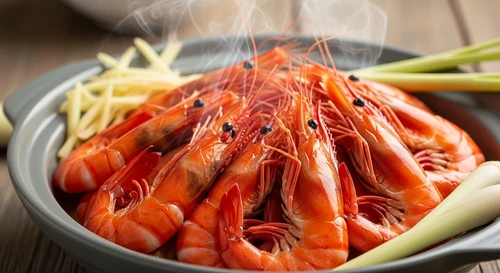
Beer & Ginger Steamed Giant Prawns for Snacking
Steaming giant prawns with canned beer and julienned ginger cooks the meat to a bright red without any fishy smell.
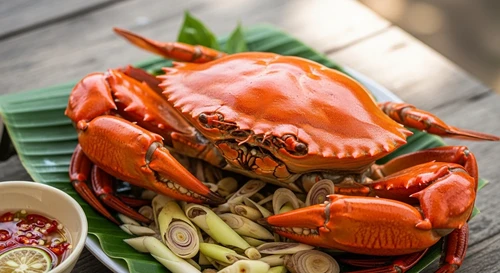
Coconut Coconut Steamed Mud Crab: A Mekong Delta Specialty
Cooking crab in fresh coconut water enhances its natural sweetness. A simple yet luxurious dish from Southern Vietnam.
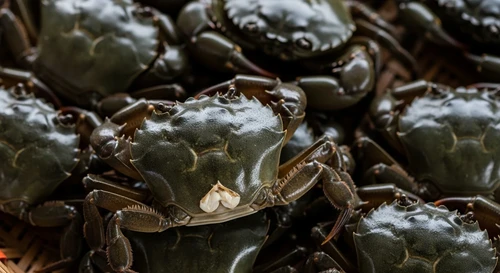
How to Tell the Difference Between a Meaty and Roe-filled Ba Khia
Expert tips on inspecting the shell color and underbelly of these tiny crabs to ensure you get the best bite.
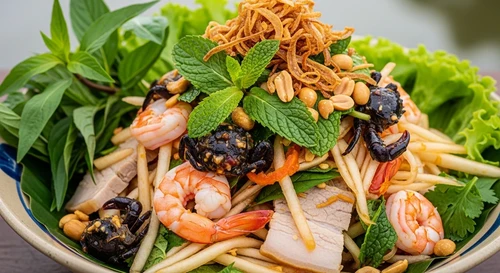
Mangosteen and Salted Crab Salad: A Luxurious Summer Appetizer
The tartness of unripe mangosteen paired with the intense saltiness of Ba Khia. A highly sought-after seasonal dish.
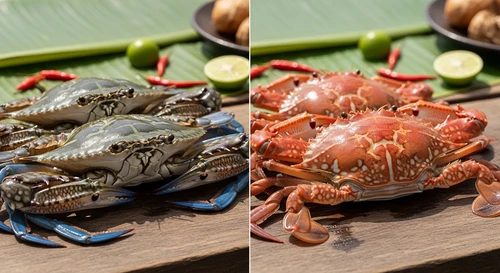
Blue Swimmer Crab vs. Red Cross Crab: Which is Tastier?
A market guide to distinguishing the premium, sweet-fleshed blue crab from the cheaper, softer red cross-marked crab.
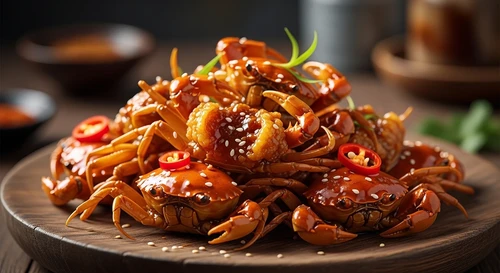
Crispy Baby Sentinel Crabs Roasted in Tamarind Sauce (Ghe Sua)
Bite-sized, soft-shelled baby crabs deep-fried and tossed in a sticky sweet sauce. Eat them whole for a massive calcium boost.
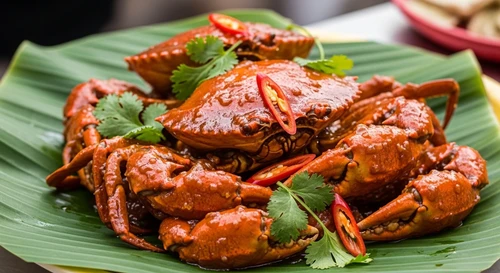
Cua Rang Me: The Legendary Sweet & Sour Tamarind Crab Recipe
Bring the taste of Vietnamese street food to your kitchen. Learn how to cook the iconic Tamarind Crab with our authentic recipe.
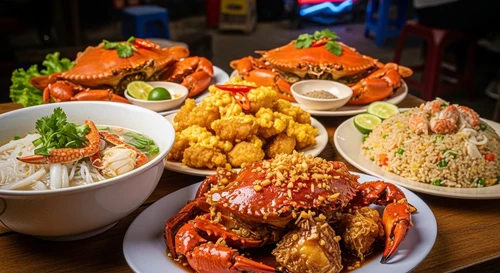
Top 5 Must-Try Crab Dishes When Visiting Ho Chi Minh City
From Tamarind Crab to Crab Tapioca Noodle Soup (Banh Canh Cua). Discover the ultimate seafood bucket list in Saigon.
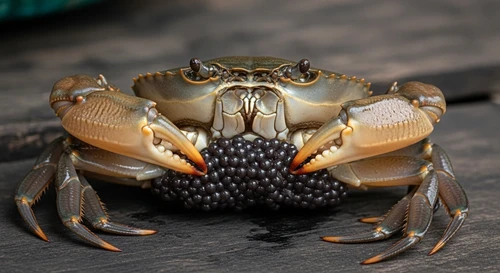
Is it Safe to Eat a Female Crab with External Eggs on Her Abdomen?
Understanding the difference between internal roe and external fertilized eggs, and why hygiene is a major concern.