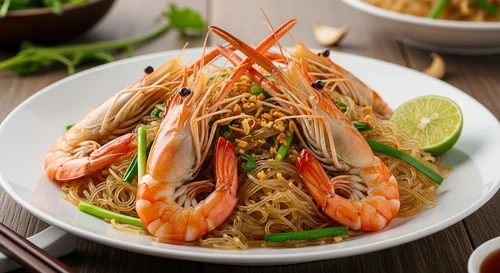
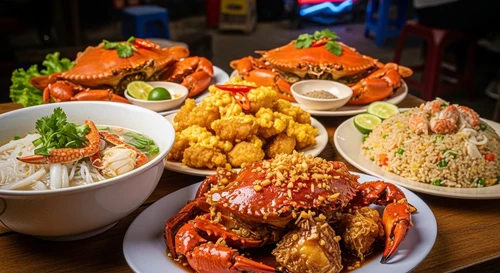
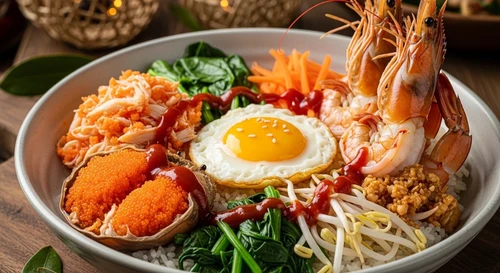
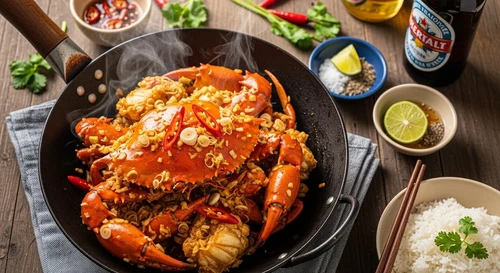
" This isn't just cooking; it's a culinary excavation. A dive into the very essence of what makes a shrimp taste like a shrimp at its most glorious. Forget the fancy kitchens, the complex sauces. This is elemental. "
1 The Mekong Delta's Coastal Kiss: Where Sweetness is Born
Venture into the labyrinthine waterways and mangrove-lined coasts of Vietnam's Mekong Delta, particularly the province of Ca Mau, and you'll discover a seafood culture deeply intertwined with the natural rhythms of the tides and the bounty of the sea. This region, renowned for its premium crustaceans, holds a secret to preserving and amplifying the natural sweetness of shrimp: a cooking method that whispers, rather than shouts, its flavors.
Imagine coastal villages where families have perfected the art of coaxing the purest flavor from the ocean's offerings. This method of steaming shrimp on a bed of coarse salt and aromatic lemongrass is a testament to that philosophy. It’s a technique born from necessity, resourcefulness, and a profound respect for the ingredient itself. By stripping away extraneous elements, we are left with the unadulterated soul of the shrimp.
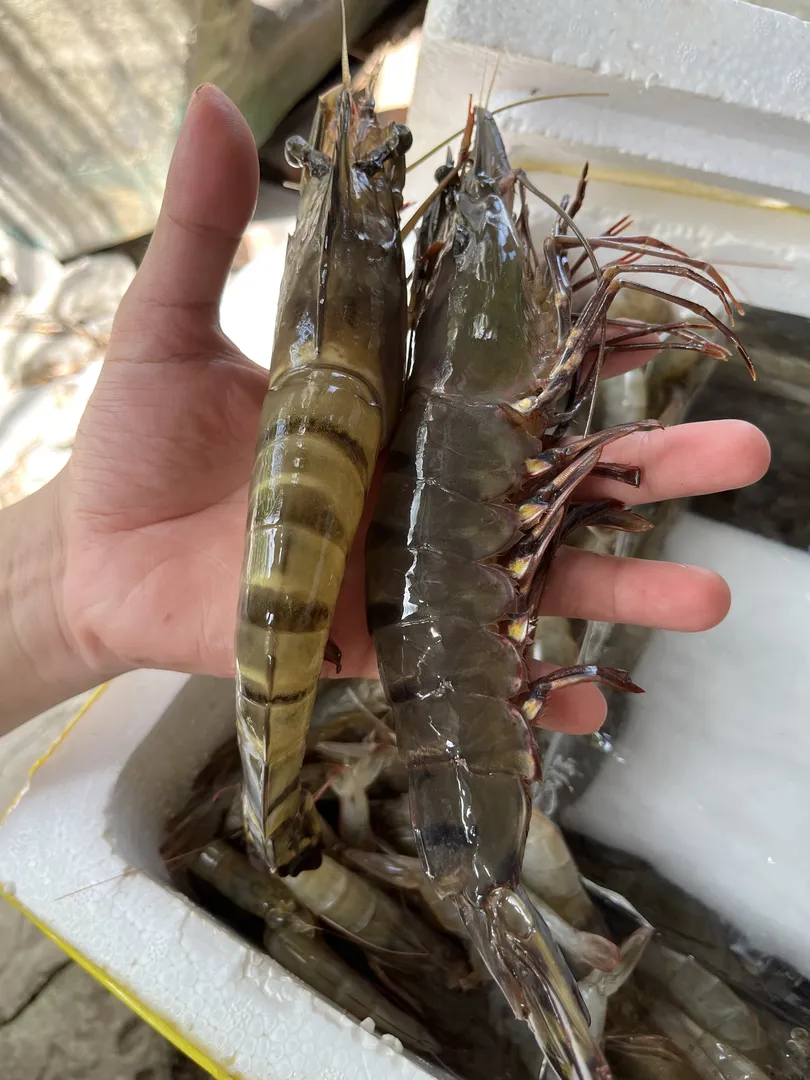
Heritage Ingredient
Ca Mau Black Tiger Shrimp
Ca Mau Black Tiger Shrimp
Large black tiger shrimp associated with mangrove aquaculture in Ca Mau, known for firm flesh and a cleaner, sweeter finish than intensively farmed shrimp.
Wild spirits of the mangroves, these black-banded gems deliver a firm, snappy texture and a sweetness that echoes the forest's vibrant life.
2 The Alchemy of "Dry Steam": Waterless Perfection
The core of this technique lies in its apparent paradox: steaming without water. But here’s the brilliance: the magic happens through the natural moisture of the shrimp and the volatile aromatics released by the lemongrass. When heated, the shrimp exude their own juices. These juices, along with the steam from the fragrant lemongrass and the heat radiating from the coarse salt, create a sealed environment. This "dry steam" is crucial. Unlike traditional steaming where shrimp can become waterlogged, absorbing external flavors and losing their own delicate essence, this method ensures every drop of natural sweetness is retained.
The coarse salt acts as a heat conductor and a subtle flavor enhancer, while the lemongrass infuses an intoxicating aroma that complements, rather than overpowers, the shrimp. The result? Shrimp that are firm, plump, and possess an intensified, pristine sweetness that is utterly captivating. This is the flavor of the sea, concentrated and delivered in its purest form.
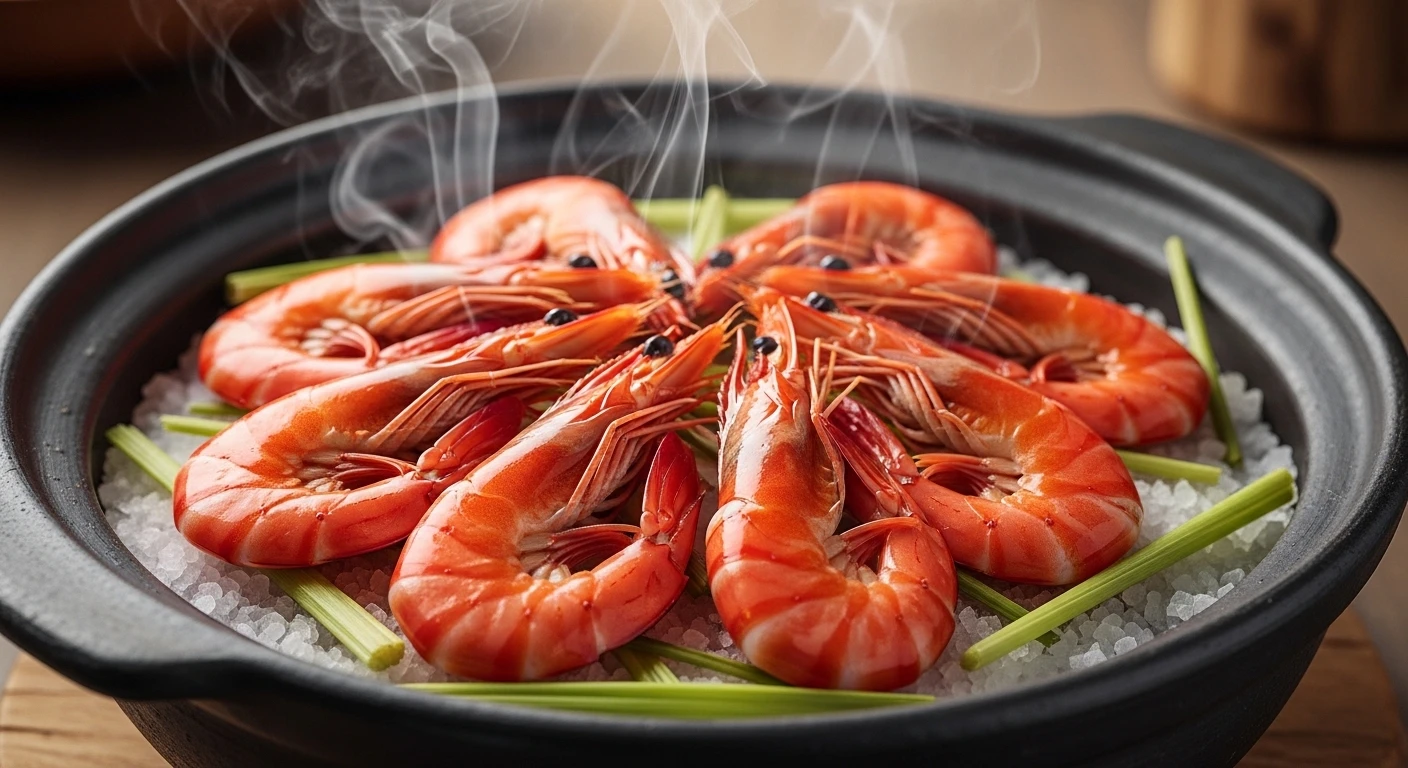
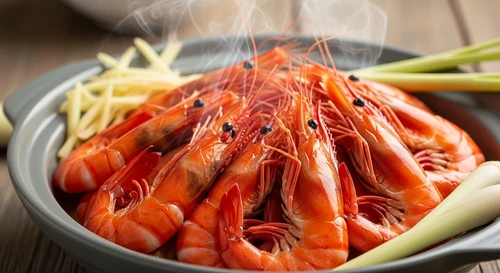
📸 The transformation: From translucent pink to vibrant crimson, a sign of perfectly cooked, naturally sweet shrimp.
3 The Art of Selection: Pristine Ingredients, Pristine Flavor
The success of this dish hinges entirely on the quality of your shrimp. Since the cooking method is so minimal, there’s nowhere for subpar ingredients to hide.
The Shrimp:
- Freshness is Paramount: Look for shrimp that are firm to the touch, with a clean, oceanic aroma. Avoid any with a strong ammonia smell or slimy texture.
- Size Matters (Slightly): Medium to large shrimp work best, as they have enough inherent moisture to create the steam. Overly small shrimp might cook too quickly.
- Shell On: Always cook shrimp with their shells on. The shell protects the delicate flesh, aids in retaining moisture, and contributes to the beautiful pink hue upon cooking.
Heritage Ingredient
Ca Mau Black Tiger Shrimp
Ca Mau Black Tiger Shrimp
Large black tiger shrimp associated with mangrove aquaculture in Ca Mau, known for firm flesh and a cleaner, sweeter finish than intensively farmed shrimp.
Wild spirits of the mangroves, these black-banded gems deliver a firm, snappy texture and a sweetness that echoes the forest's vibrant life.
The Aromatics:
- Lemongrass: Choose plump, firm stalks with fragrant leaves. Bruise them well to release their oils.
- Coarse Salt: Sea salt flakes or coarse kosher salt are ideal. Avoid fine table salt, which dissolves too quickly.
- Pot Material: An earthenware clay pot or a heavy-bottomed aluminum pot is recommended for even heat distribution.
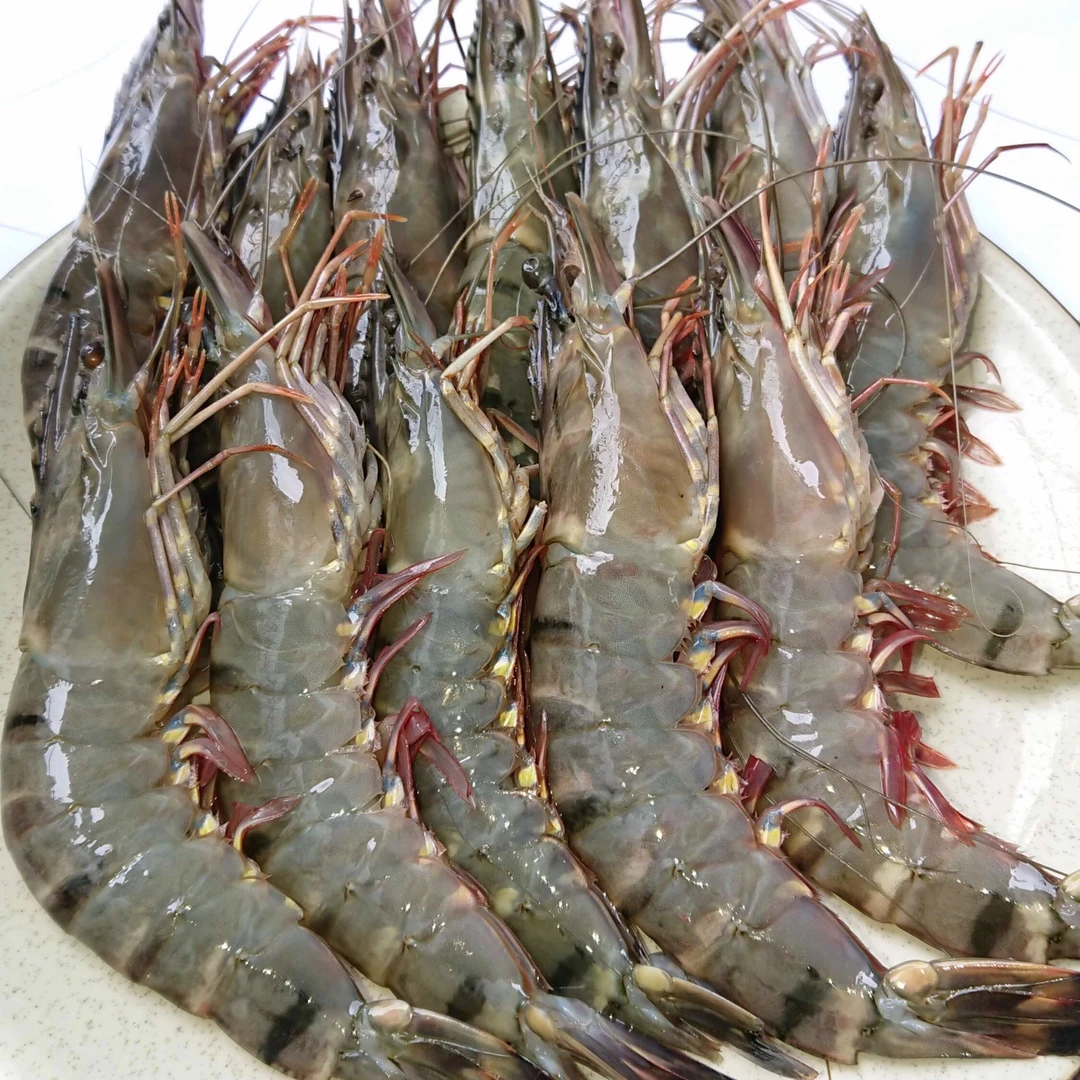
Heritage Ingredient
Whiteleg Shrimp
Whiteleg Shrimp
A widely used shrimp in Vietnamese home kitchens, suitable for stir-fries, soups, steamed dishes, and practical cooking articles that need a familiar shrimp reference.
Translucent jewels of the coast, thin-shelled and remarkably sweet, making every simple home meal feel like a seaside celebration.
4 The Simple Ritual: A Culinary Ballet
The Foundation
In your clay pot or heavy-bottomed aluminum pot, spread a generous layer of coarse sea salt. Add 2-3 bruised lemongrass stalks on top of the salt. This creates the aromatic bed.
The Arrangement
Arrange the raw, unpeeled shrimp in a single layer on top of the lemongrass. Ensure they are not overcrowding the pot. If you have a lot of shrimp, you might need to cook in batches.
The Silent Cook
Cover the pot tightly. Place over medium-high heat. The steam will build up naturally from the shrimp's moisture and the lemongrass. Cook for approximately 5-8 minutes for medium shrimp, or until they turn bright pink and firm. Do not overcook!
5 The Moment of Truth: A Taste of the Tides
Serve immediately. The aroma alone will transport you. The shrimp should be perfectly cooked, juicy, and bursting with their natural, concentrated sweetness. The lemongrass, having done its aromatic work, can be discarded or served alongside as a fragrant garnish.
The Perfect Pairing: A Dip to Elevate
While the shrimp are divine on their own, a simple dipping sauce can further enhance the experience. In the Mekong Delta, this often means a straightforward yet potent blend:
- Salt, Pepper, and Lime: A classic for a reason. Freshly squeezed lime juice mixed with coarse sea salt and freshly ground black pepper. The acidity cuts through the richness, the salt enhances the sweetness, and the pepper adds a subtle bite.
- Chili Paste or Sliced Chili: For those who crave a touch of heat, a small dollop of chili paste or a few thin slices of fresh bird's eye chili can be added to the salt-lime mixture.
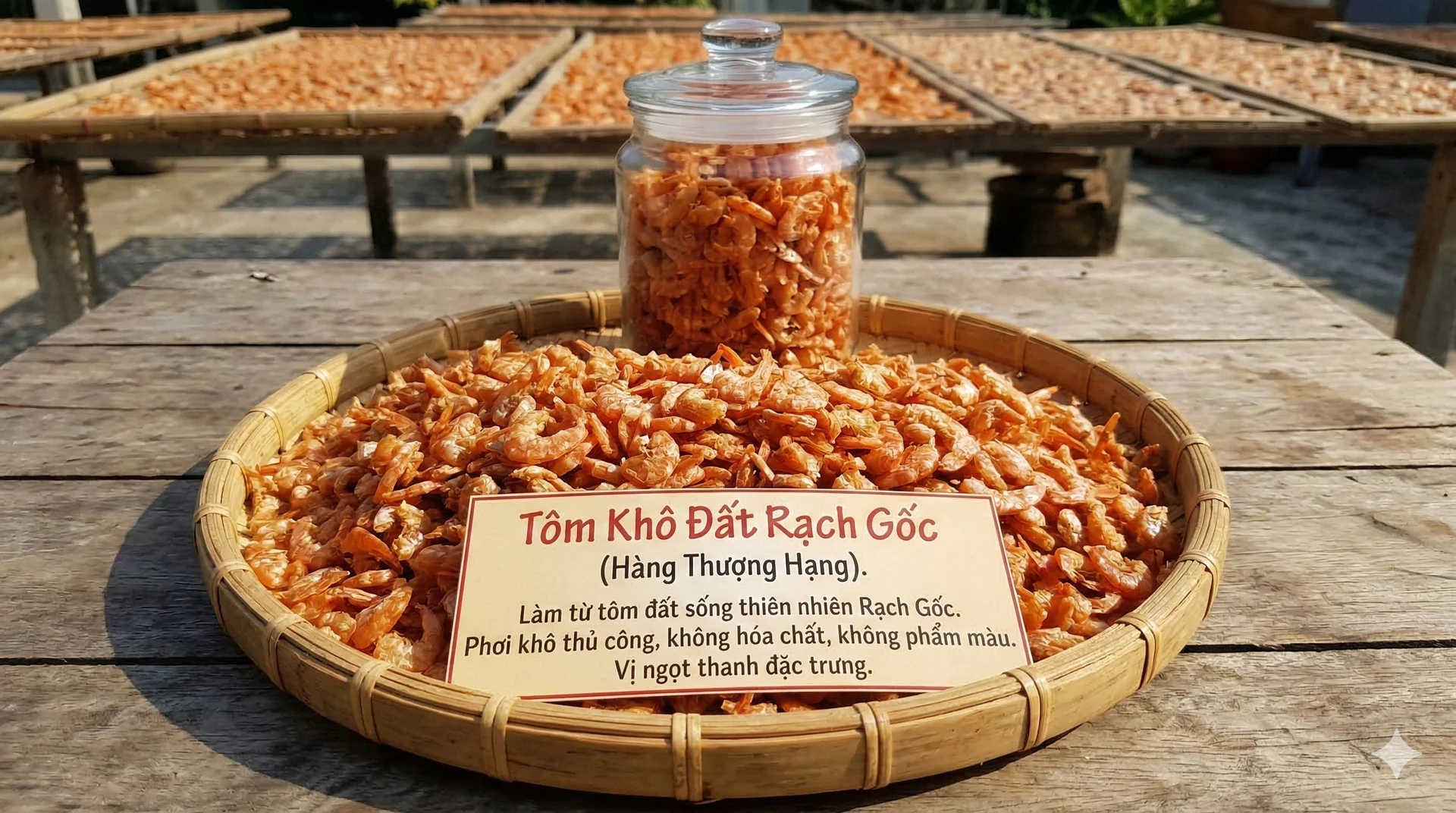
Heritage Ingredient
Sun-Dried Wild Shrimp from Rach Goc
Sun-Dried Wild Shrimp from Rach Goc
Traditional dried shrimp made from small wild shrimp, valued for natural sweetness and commonly used in Vietnamese salads, soups, and festive dishes.
Concentrated sunlight and sea salt in every bite, these crimson gems offer a deep, umami sweetness that whispers tales of Rach Goc's golden shores.
6 The Unquestionable Victory of Purity
In a world often obsessed with complex marinades and overpowering sauces, this method is a refreshing counterpoint. It’s a celebration of ingredient integrity.
Healthier
No added oil means a lower-calorie, lighter dish. It’s the ideal choice for health-conscious eaters.
Flavor Concentration
By avoiding dilution from water or oil, the shrimp's inherent sweetness and oceanic brine are amplified.
Simplicity
It requires minimal prep and cooks in minutes, making it perfect for weeknight meals or when you want to let the ingredients speak for themselves.
Authenticity
This is a taste of the real Mekong Delta – honest, direct, and incredibly delicious. It’s how the people who live by the sea eat their most prized catch.
7 Echoes of the Delta: Other Pure Flavors
This principle of minimal intervention to highlight natural sweetness isn't exclusive to shrimp in the Mekong Delta. You'll find it applied to other treasures from these fertile waters:
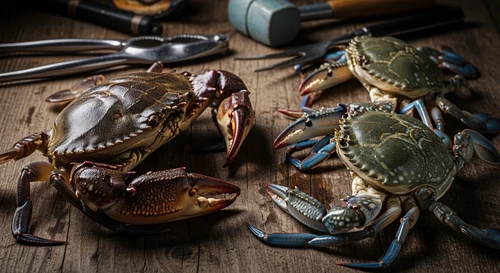
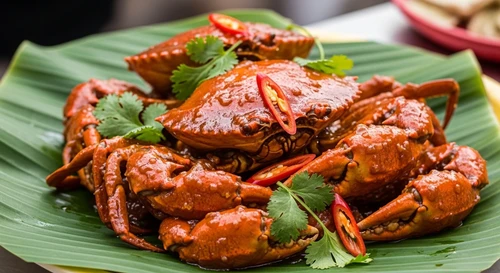
- Steamed Mud Crab: Often steamed with just coconut water or beer, allowing the crab's rich, sweet meat to shine. The complex, often thick claws of a Ca Mau mud crab are legendary, and this method preserves their delicate texture.
- Grilled Fish: Smaller fish from the rivers and brackish waters are often simply grilled over charcoal with a touch of salt, letting their fresh, earthy flavors dominate.
- Oysters and Clams: Steamed or grilled in their shells, served with nothing more than a wedge of lime.
8 Your Invitation: Taste the Sweetness
This method of steaming shrimp on salt and lemongrass is more than just a recipe; it's a philosophy. It’s an invitation to slow down, to appreciate the raw beauty of ingredients, and to experience the authentic flavors of the Mekong Delta. So, gather your shrimp, find your pot, and let the elemental magic unfold. You won't regret it.