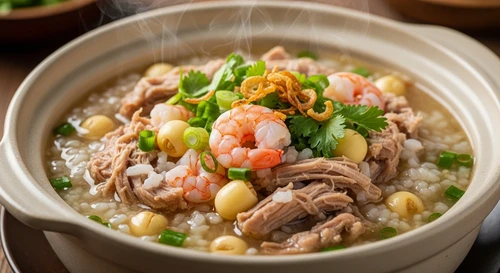
" The Mekong Delta, a labyrinth of waterways and rice paddies, is a treasure trove of culinary delights. Among its most prized gifts are the humble field crabs. But these aren't your pristine, ocean-farmed specimens. These are wild, mud-loving creatures. And before they grace your plate, they demand a ritual of purification. "
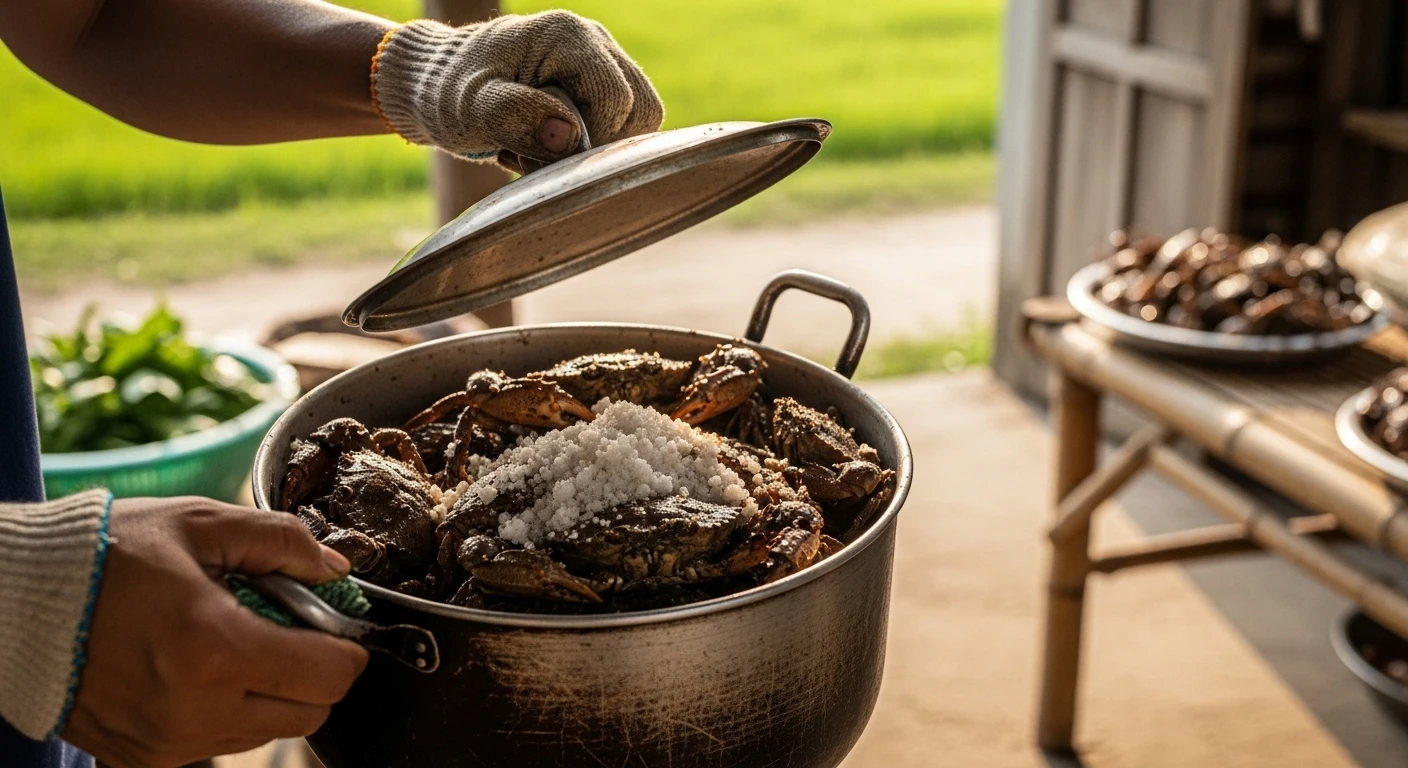
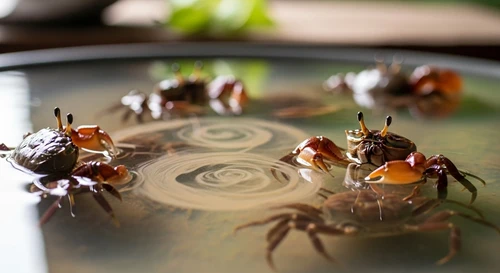
📸 A flurry of activity: The salt-shake method in action.
1 From Paddies to Plate: The Muddy Reality
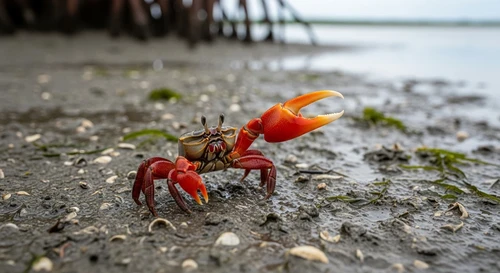
Imagine waking before dawn in the Mekong Delta, the air thick with humidity and the distant hum of longtail boats. Fisherfolk, their weathered hands stained by years of work, head out into the emerald rice fields and mangrove channels. Their bounty? Field crabs, burrowing deep into the muck, their shells encrusted with silt.
These aren't just any crabs; they are the lifeblood of many communities in provinces like Ca Mau and Bac Lieu. Unlike their oceanic cousins, these crabs live in brackish or freshwater environments. Their shells, often darker and less polished, are frequently coated in a thick layer of mud that can cling stubbornly. And those pincers? They pack a formidable pinch, a testament to their wild nature.
Getting these crabs ready for the kitchen requires a technique that’s both effective and, crucially, safe for the cook. You want them clean, not traumatized (or worse, missing a digit).
Heritage Ingredient
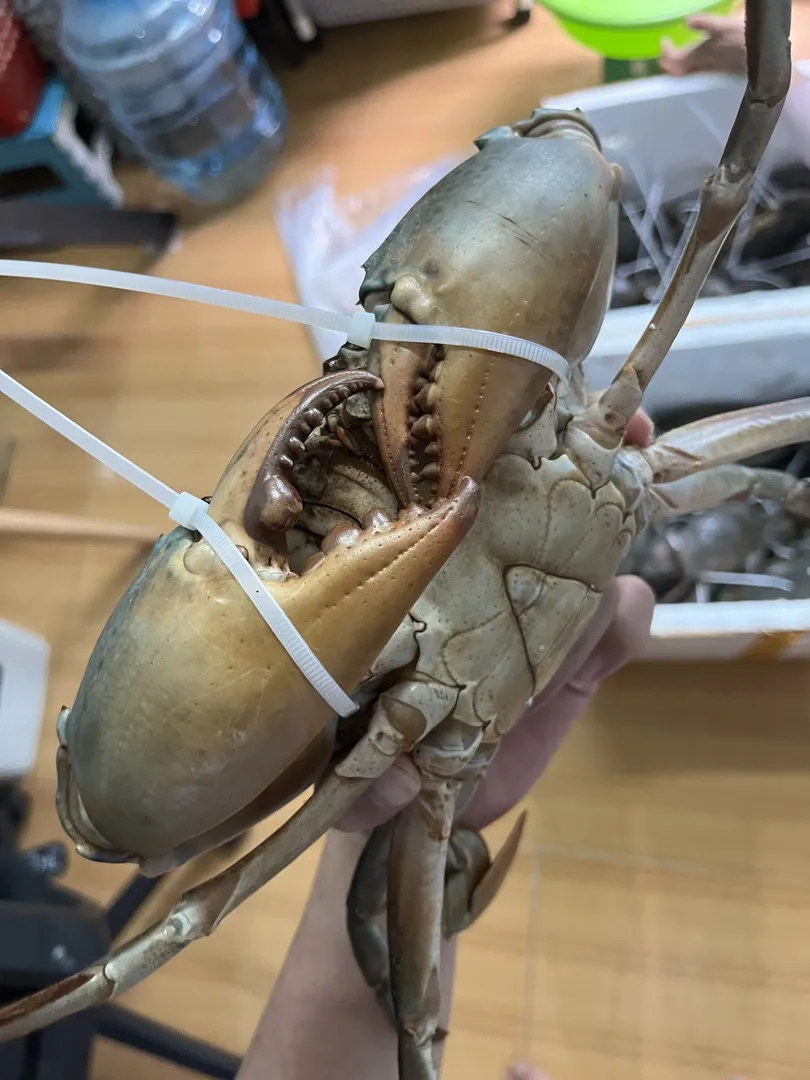
Ca Mau Jumbo Mud Crab
Ca Mau Jumbo Mud Crab
A large male mud crab prized for dense, sweet meat and thick claws, commonly used in steamed crab and grilled crab dishes across the Mekong Delta.
An icon of coastal culinary heritage, featuring firm, sweet meat that captures the raw power and freshness of Ca Mau's tides.
2 The 'Salt Shake' Technique: A Delta Secret Weapon
This is where ancient wisdom meets practical necessity. The goal is to shock the crabs, making them expel their muddy burden and become momentarily docile, all without resorting to brute force. The star of the show? Coarse salt.
It sounds simple, and it is, but the execution is key. Think of it as a quick, intense spa treatment designed to prepare them for their culinary destiny.
The method, passed down through generations of Mekong Delta cooks, is startlingly effective:
The Pot
Choose a sturdy pot or a large basin. It needs to be deep enough to hold the crabs and allow for vigorous shaking.
The Salt
Coarse sea salt is crucial. Its granular texture provides abrasion, and the salt itself is a powerful dehydrator and irritant to the crabs' sensitive parts.
The Shake
This is the most energetic part. Vigorous, sustained shaking is required. Think of it as a culinary centrifuge.
3 The Ritual Unveiled
The Potting
Place your live field crabs directly into the pot. Do NOT add water yet. Let them settle for a moment.
The Salting
Generously sprinkle coarse salt over the crabs. You want enough to coat them and start irritating their shells. Aim for about 1/4 to 1/2 cup for a dozen crabs, depending on size.
The Vigorous Shake
This is the crucial part. Clamp the lid tightly onto the pot (or use your hands if it's a basin). Shake vigorously, up and down, side to side, for a solid 30-60 seconds. You'll hear the crabs rattling and a distinct sloshing sound as the mud begins to loosen.
The Rinse
Carefully remove the lid. You'll see a muddy slurry at the bottom. Now, add fresh water to the pot and rinse the crabs thoroughly. You might need to repeat the shaking and rinsing process once or twice more until the water runs mostly clear and the crabs are visibly clean.
The Science Behind the Slurry
You might ask: why not just scrub them? Or soak them? While those methods have their place, the salt shake offers unique advantages for these particular crustaceans.
Abrasion & Irritation
The coarse salt crystals act as tiny scrubbers, dislodging mud. Simultaneously, the salt irritates the crabs' sensory organs, making them retract their limbs and lose grip on the mud, and inducing a temporary stupor.
Speed & Efficiency
This is the fastest method. Soaking can take time, and scrubbing each crab individually is laborious, especially when dealing with a large catch from the delta's waterways.
Less Pincing Peril
The initial shock and disorientation from the salt and vigorous shaking make the crabs less likely to snap aggressively compared to handling them directly in water or dry.
While effective, the shaking can be intense. Always ensure a secure lid and be mindful of the crabs' movements. Never attempt this with injured or obviously stressed crabs.
Beyond the Clean: Culinary Possibilities
Once your field crabs are gleaming, the Delta's culinary landscape opens up. The clean, sweet meat of these crabs is incredibly versatile. Here are a few ways they shine:
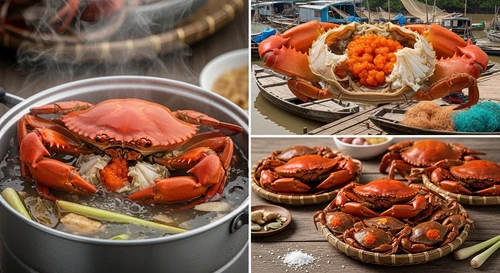
Steamed with Lemongrass & Salt
The ultimate expression of purity. Steaming the crabs (often with a splash of beer or coconut water) allows their natural sweetness to dominate, best enjoyed with a simple lime-salt-pepper dip.
Heritage Ingredient
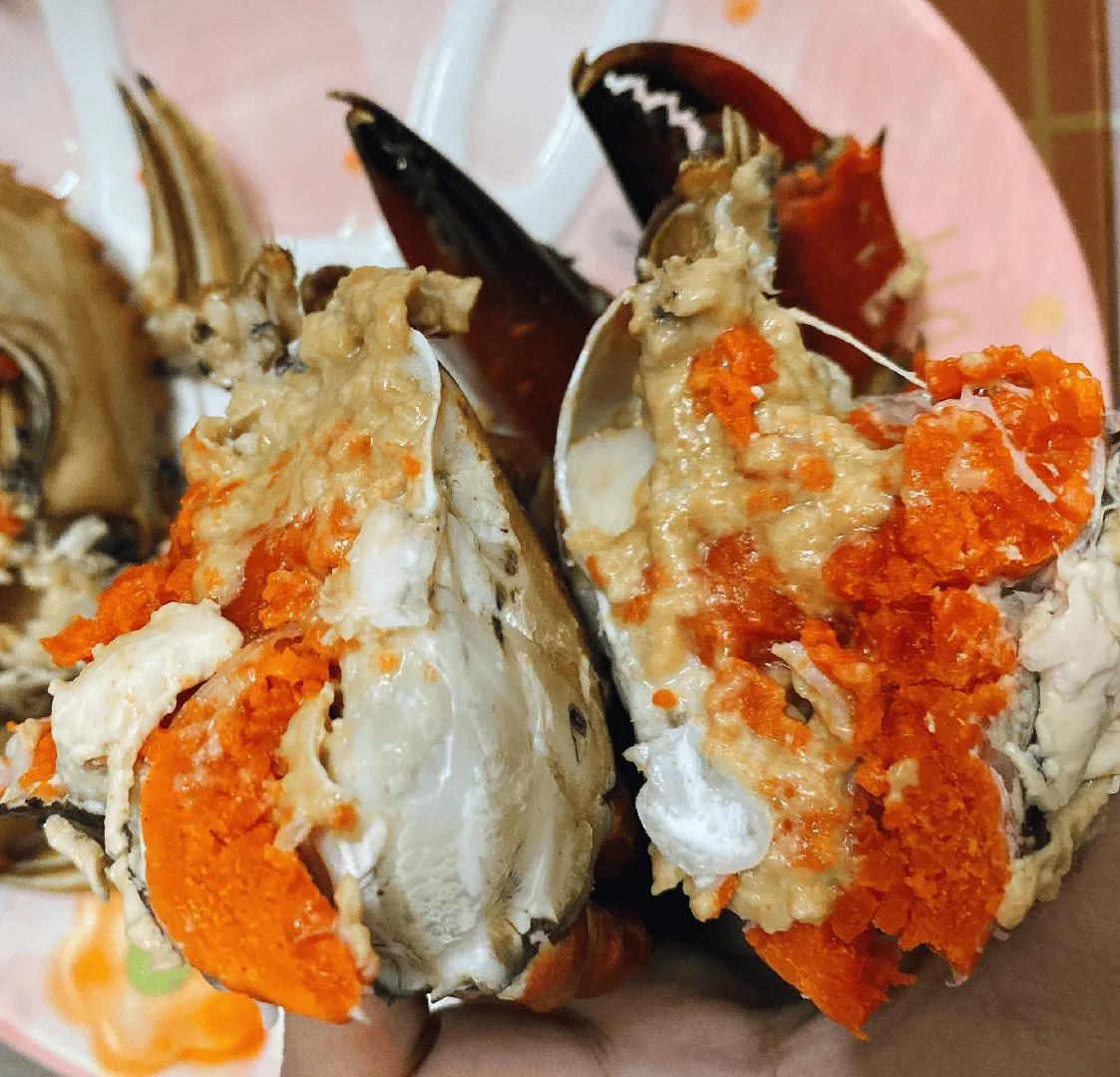
Ca Mau Roe Mud Crab
Ca Mau Roe Mud Crab
A female mud crab known for deep orange roe and a rich, creamy finish, often featured in celebratory Southern Vietnamese seafood meals.
A crimson treasure hidden within a shell, boasting rich, creamy roe that melts on your tongue like a golden sunset over the delta.
Crab Noodle Soup (Bún Riêu Cua)
A beloved Southern Vietnamese dish where crab meat is the star. The briny essence of crab forms the base of a rich, tomato-based broth, thickened with rice vermicelli.
Salted Egg Crab
A more decadent affair. Crabs are stir-fried with a creamy, savory sauce made from salted duck egg yolks, garlic, and chili.
Field Crab Hot Pot (Lẩu Cua Đồng)
Similar to Bún Riêu, but served as a communal hot pot, allowing diners to cook fresh vegetables and noodles in the intensely flavorful crab broth.
6 From Mudflats to Market Stalls: The Journey
The journey of a field crab from its muddy home to a bustling Mekong Delta market is a testament to the region's intricate ecosystem and its people's resilience. Many crabs are caught by hand or with simple traps by local villagers, often as a supplement to rice farming.
Once caught, they are gathered at small riverside collection points. Here, they might be briefly held in shallow water or baskets before being transported by boat or motorbike to local markets. The cleaning process, like the salt shake, is an essential step that happens either at the source, by the vendors, or by the home cooks themselves.
The visual of these crabs, alive and indignant, piled high in woven baskets at a floating market or a roadside stall, is a quintessential Mekong Delta scene. It speaks of fresh ingredients, hardworking hands, and a deep connection to the land and water.
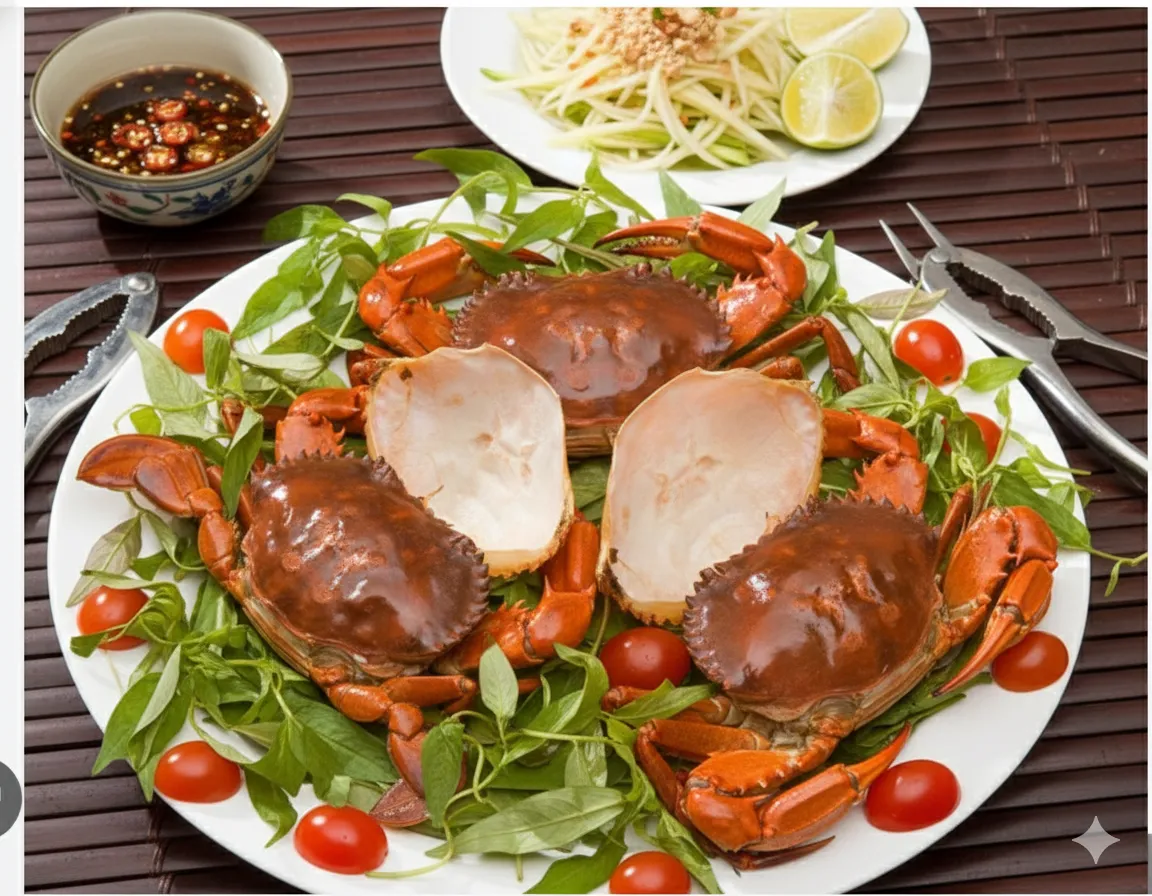
Heritage Ingredient
Soft-Shell Butter Crab (Molting Crab)
Soft-Shell Butter Crab (Molting Crab)
A rare molting mud crab from Ca Mau, valued for its edible soft inner shell and exceptionally creamy roe, making it the closest local equivalent to soft-shell crab concepts familiar abroad.
Nature's rare masterpiece—a delicate transition where a soft inner layer protects golden, custard-like roe in a fleeting moment of flavor.
7 Your Field Kit
While the salt-shake is straightforward, having the right tools makes the job smoother and safer.
- A Sturdy Pot or Basin: As mentioned, something substantial that can withstand vigorous shaking. Metal pots are ideal.
- A Tight-Fitting Lid: Essential for containing the crabs and salt during shaking.
- Coarse Sea Salt: Non-negotiable. Fine salt won't provide the necessary abrasion or shock.
- Fresh Water Source: For rinsing away the mud.
- Optional: Thick Gloves: If you're particularly wary of pincers, a pair of rubber or thick kitchen gloves can provide peace of mind.
8 The Unseen Value
This simple, almost primal method of cleaning field crabs is more than just a kitchen hack. It's a reflection of the resourcefulness and deep understanding of nature that defines life in the Mekong Delta. It's about respecting the ingredient, acknowledging its wild origins, and preparing it in a way that honors its inherent flavor.
So next time you encounter these muddy gems, remember the salt shake. It's the fastest, most effective way to bring the authentic taste of the Mekong Delta from the mudflats to your table, all without a single unwanted pinch. It’s a taste of true Vietnam.