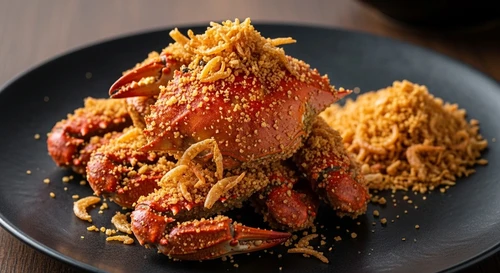
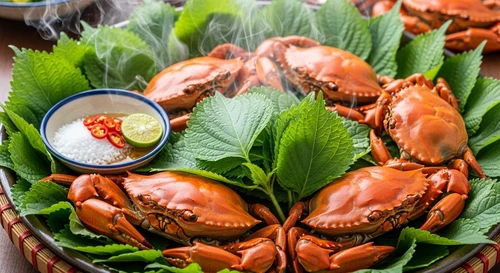
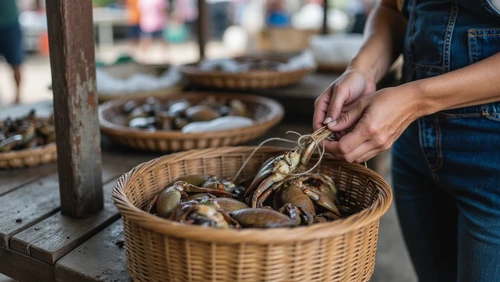
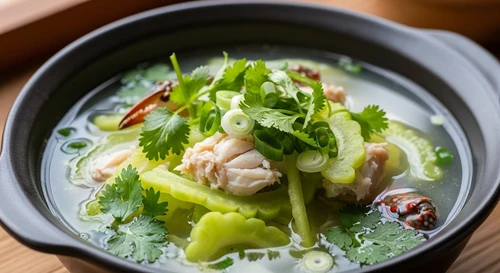
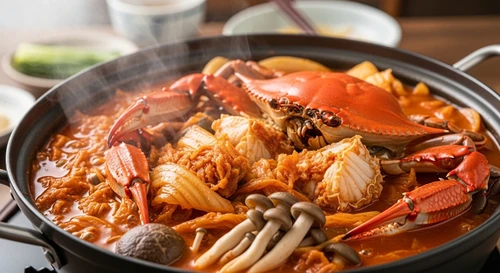
" The Mekong Delta is a liquid landscape, a cradle of life where the rivers whisper secrets to the mangroves. And in these brackish waters, a tiny crustacean holds a universe of flavor: the Ba Khia. But not all Ba Khia are created equal. To truly taste the Delta, you must learn to read them like a fisherman reads the tides. "
1 The Soul of the Mangrove
Forget the hulking mud crabs of Ca Mau for a moment. When we speak of true, rustic Mekong Delta flavor, our minds often drift to the Ba Khia – the small, feisty mangrove crabs that scurry through the root systems of the coastal forests. These aren't creatures of the open sea; they are the spirited inhabitants of the brackish waters where the mighty Mekong surrenders to the sea.
In the Western provinces, especially near the estuaries of Ca Mau and Ben Tre, Ba Khia are more than just food; they are a cultural cornerstone. They are the subject of street food legends, the stars of simple, potent dishes that speak volumes about the region's resourcefulness and deep connection to its environment. Whether fermented with salt and chili, stir-fried with tamarind, or simply grilled and served with a fiery dipping sauce, Ba Khia offer a taste of the wild, untamed Delta.
Mangrove Dwellers
These small crabs thrive in the intertidal zones of mangrove forests, feeding on detritus and small organisms. Their diet heavily influences their flavor.
A Taste of Terroir
Like fine wine, the flavor of Ba Khia is deeply tied to its habitat – the salinity, the specific flora, and the ecosystem it calls home.
2 The Essential Question: Meaty Claws or Golden Roe?
At the heart of choosing the best Ba Khia lies a fundamental dichotomy: are you seeking the satisfying bite of dense, succulent meat, or the rich, creamy luxury of its roe? This distinction is not just a matter of preference; it dictates how you'll prepare and enjoy these little treasures.
In the bustling markets of Can Tho or the coastal fishing villages, vendors will readily point out the differences. The visual cues are subtle but crucial, honed by generations of fishermen and home cooks. Mastering these observations means the difference between a disappointing meal and a truly transcendent experience, tasting the very essence of the Mekong's bounty.
For the Meat Lover
When the goal is maximum flesh, you're looking for crabs that have spent their recent lives building muscle. These are often the crabs that are past their prime for heavy roe production, or males that naturally favor meat development.
Heritage Ingredient
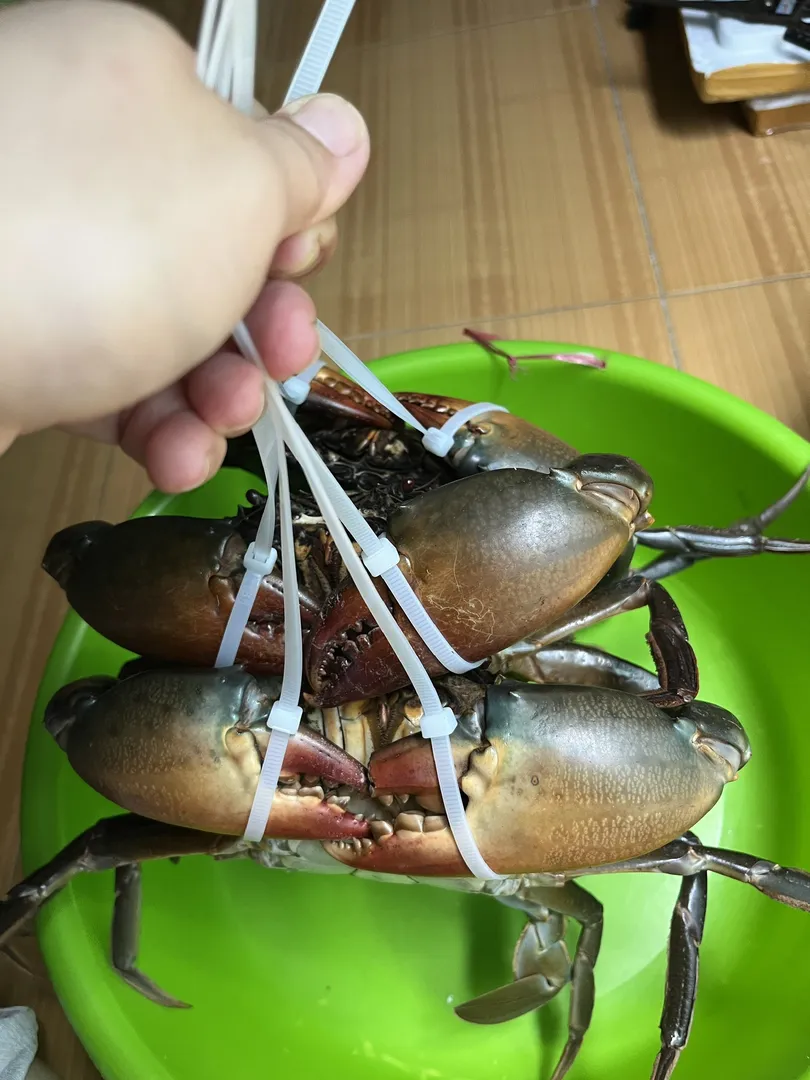
Giant Ca Mau Mud Crab
Giant Ca Mau Mud Crab
A larger export-grade mud crab with dramatic claws and thick meat, often used to illustrate oversized crab categories in Vietnamese seafood markets.
A titan of the ocean, offering colossal claws filled with muscular, succulent meat that elevates every feast into a royal experience.
For the Roe Aficionado
The coveted roe, a vibrant orange or deep red, is the prize for those seeking decadent richness. This usually means female crabs, particularly those nearing maturity or between molts, when their internal reserves are at their peak.
Heritage Ingredient
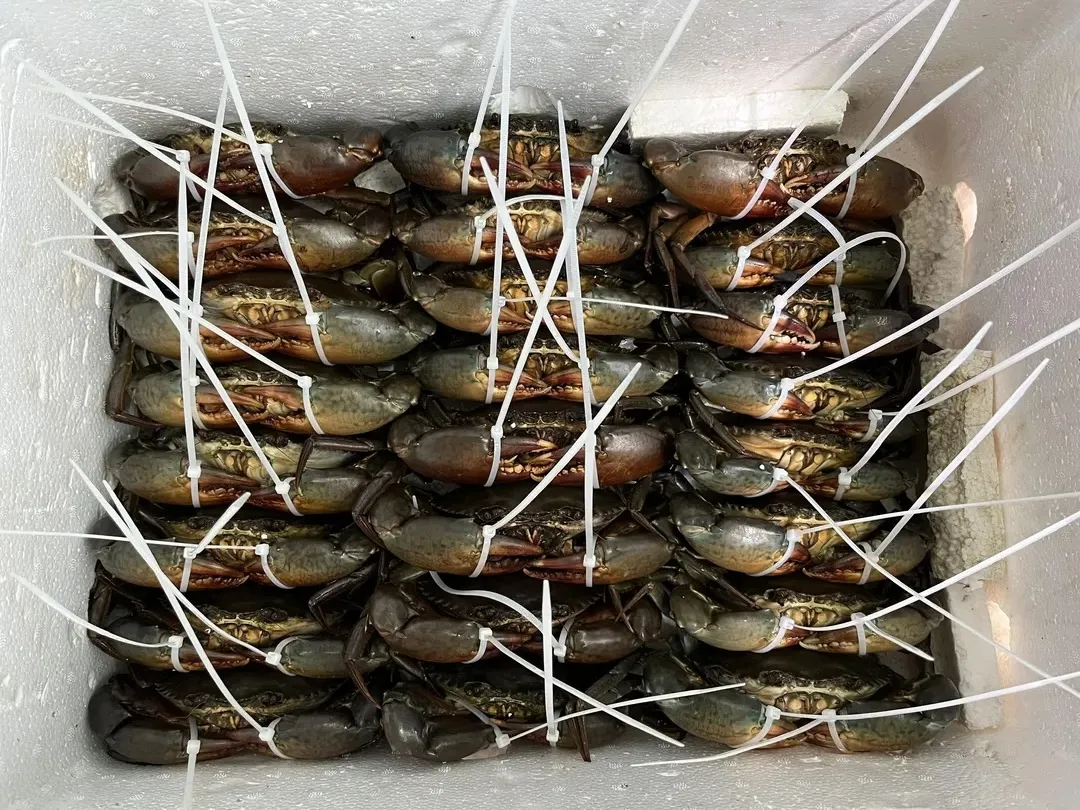
Export-Grade Ca Mau Roe Crab
Export-Grade Ca Mau Roe Crab
A carefully sorted roe crab selected for size, shell quality, and roe consistency, suitable for explaining premium grading in Vietnamese crab culture.
The pinnacle of perfection—pristine shells and bursting roe, meticulously selected to conquer the hearts of global gourmets.
3 The Shell Tells a Story
The carapace, the hard outer shell of the Ba Khia, is your first clue. Its color and texture can offer surprising insights into the crab's condition and internal treasures. Think of it as the crab's uniform – it can betray its recent activities and readiness.
For Meaty Ba Khia:
- Color: Look for a shell that is a deep, lustrous green-black. This signifies a mature crab that has been feeding well and has a solid build. Avoid shells that appear faded, dull, or suspiciously light in color, as this might indicate a recent molt or a crab that's simply not feeding robustly.
- Texture: The shell should feel firm and solid to the touch. A slight give or softness might suggest a crab that has recently molted and is still hardening its shell, meaning less meat.
- Size: Generally, larger Ba Khia (though still small relative to other crabs) tend to have more meat.
For Roe-Filled Ba Khia:
- Color: While still a rich, dark green-black, pay attention to subtle variations. Sometimes, a slightly lighter, more uniform coloration can indicate a female crab with well-developed roe. The shell might feel exceptionally smooth.
- Age/Molt Stage: This is trickier. A crab that has recently molted will have a soft shell and no roe. A crab that is *about* to molt might have a slightly bulging shell. The ideal roe-filled crab is one that is firm but has stored significant reserves for egg production.
- Weight: A roe-filled crab will often feel surprisingly heavy for its size, as the dense roe adds significant weight.
4 Peering Beneath: The Underbelly Revelation
The underside of the Ba Khia, where the abdomen (tail flap) is located, is the most telling area. This is where the magic – or the lack thereof – is most visibly hidden.
Identifying Meaty Ba Khia:
- The Tail Flap: For meat, you're looking for a narrow, triangular tail flap. This is characteristic of male crabs, which tend to focus their energy on muscle development rather than egg production.
- Cleanliness: A clean underbelly can suggest the crab has been well-maintained.
Identifying Roe-Filled Ba Khia:
- The Tail Flap: This is the key. For roe, you want a wide, rounded, almost semi-circular tail flap. This is a hallmark of a female crab. The fuller and wider the flap, the more likely it is to be packed with roe.
- Color of the Flap: Sometimes, even the underside of the tail flap itself can hint at the roe. A darker, richer hue here can be a good sign.
5 Trust Your Gut (and Your Nose)
Beyond visual inspection, your other senses are invaluable when selecting live Ba Khia. The market environment of the Mekong Delta is a symphony of sights, sounds, and smells. Tune into them.
Eyes
Live Ba Khia should have clear, bright eyes. Cloudy or retracted eyes suggest stress or poor health.
Movement
They should be active, moving their legs and antennae vigorously. A sluggish crab is not a fresh crab.
Odor
A fresh Ba Khia smells of the sea – clean, briny, maybe slightly earthy from the mangroves. Any strong ammonia or foul odor means they are past their prime.
A Regional Specialty: Rach Goc's Fermented Treasure
While Ba Khia are found throughout the Mekong Delta's coastal areas, the tiny settlement of Rach Goc, in the southernmost reaches of Vietnam, has carved out a legendary reputation for its unique preparation of these small crabs.
Heritage Ingredient
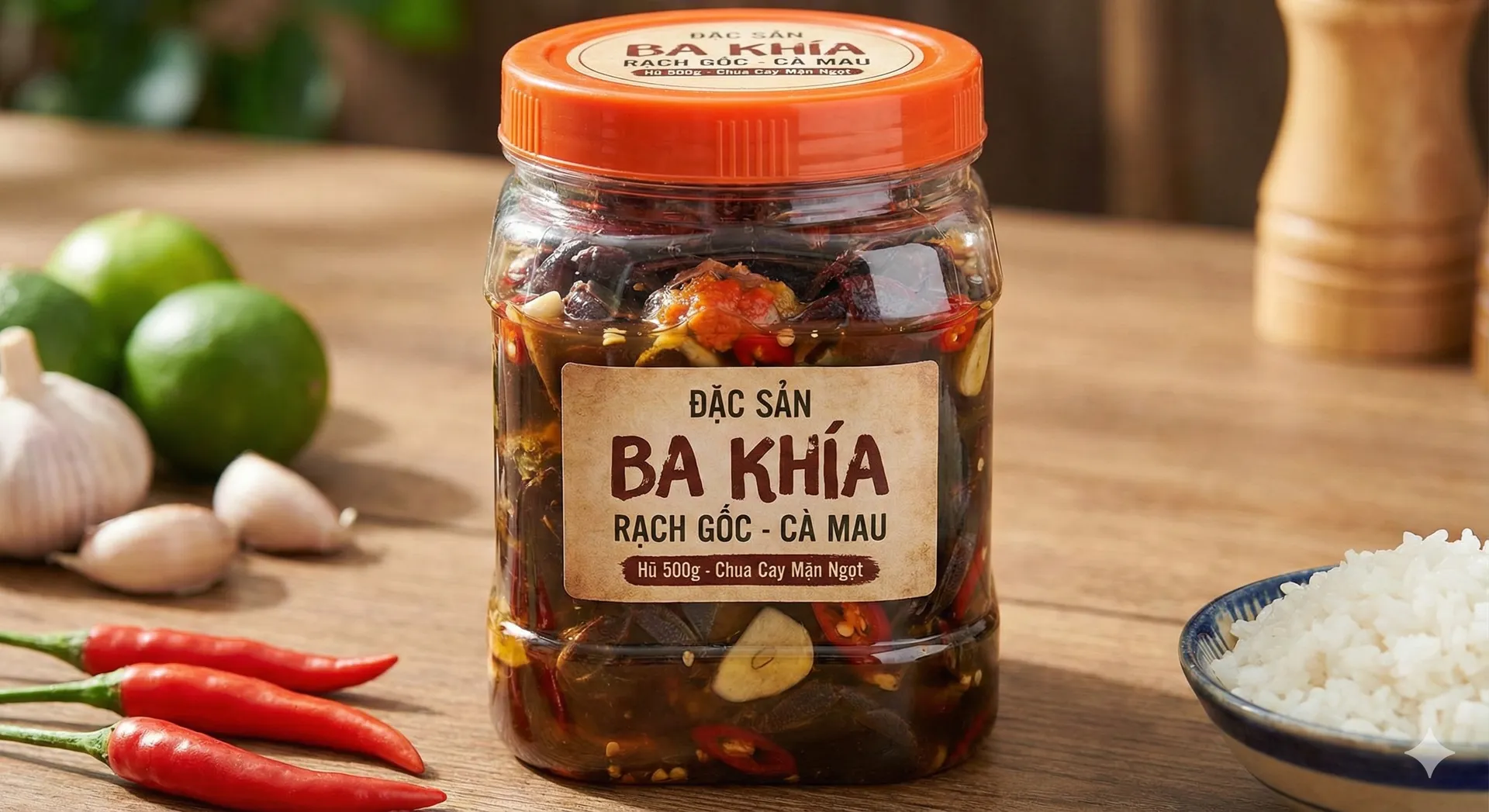
Fermented Mangrove Crab (Ba Khia)
Fermented Mangrove Crab (Ba Khia)
A traditional fermented crab specialty from the mangrove region of Rach Goc, often cited in articles about rustic Mekong Delta flavors and preserved seafood culture.
The salty-sour heartbeat of the wild south, where traditional fermentation turns forest crabs into a nostalgic explosion of rustic Mekong soul.
Here, Ba Khia are not just cooked; they are transformed through a traditional fermentation process, often involving salt, chili, and sometimes garlic and lemongrass. The result is a profoundly savory, slightly sour, and intensely flavorful delicacy that embodies the spirit of preserved foods in the Delta. The crabs here are typically small, and the focus is on the intense, concentrated flavor achieved through this ancient technique. Choosing Ba Khia for this method often means prioritizing younger, smaller specimens where the shell is tender enough to be consumed along with the intensely flavored flesh and any developing roe.
6 A Taste of the Broader Delta
The Mekong Delta is a treasure trove of unique seafood and culinary traditions. While Ba Khia offer a distinct, rustic charm, the region is also celebrated for a variety of other exceptional ingredients. Understanding these connections enriches your appreciation for the Delta's food culture.

Mudskippers (Ca Thoi Loi)
These amphibious fish, found in the mangrove mudflats of Ca Mau, are often grilled with chili salt, offering a unique, slightly earthy flavor. They represent the Delta's fascinating intertidal ecosystems.

Giant Freshwater Prawns
With their striking blue claws and rich head fat, these prawns are a premium delight, often grilled to perfection, highlighting the sweet, succulent flesh and decadent head butter.

Fermented Shrimp Pastes (Mam Tom Chua)
A potent, complex condiment that is a staple in Southern Vietnamese cuisine, often served with boiled pork and rice paper wraps, it showcases the Delta's love for pungent, savory flavors.
7 The Wisdom of the Waterways
Choosing Ba Khia is more than just a transaction at a market stall; it's an engagement with the very soul of the Mekong Delta. It's about understanding the rhythms of nature, the cycles of life in the brackish waters, and the deep cultural appreciation for these humble, yet extraordinary, creatures.
Whether you find yourself navigating a bustling floating market or a quiet roadside stall, remember these tips. The shell's hue, the underbelly's curve, the crab's lively movements – they all speak a language. Learn to listen, and you'll unlock the true, unadulterated taste of the Mekong. It’s a flavor that is both wild and comforting, a testament to a land shaped by water and tradition.