" Forget the elaborate sauces. Sometimes, the purest expression of flavor comes from simplicity, a dance between the sea's salty kiss and the earth's comforting embrace. This is one such dance. "
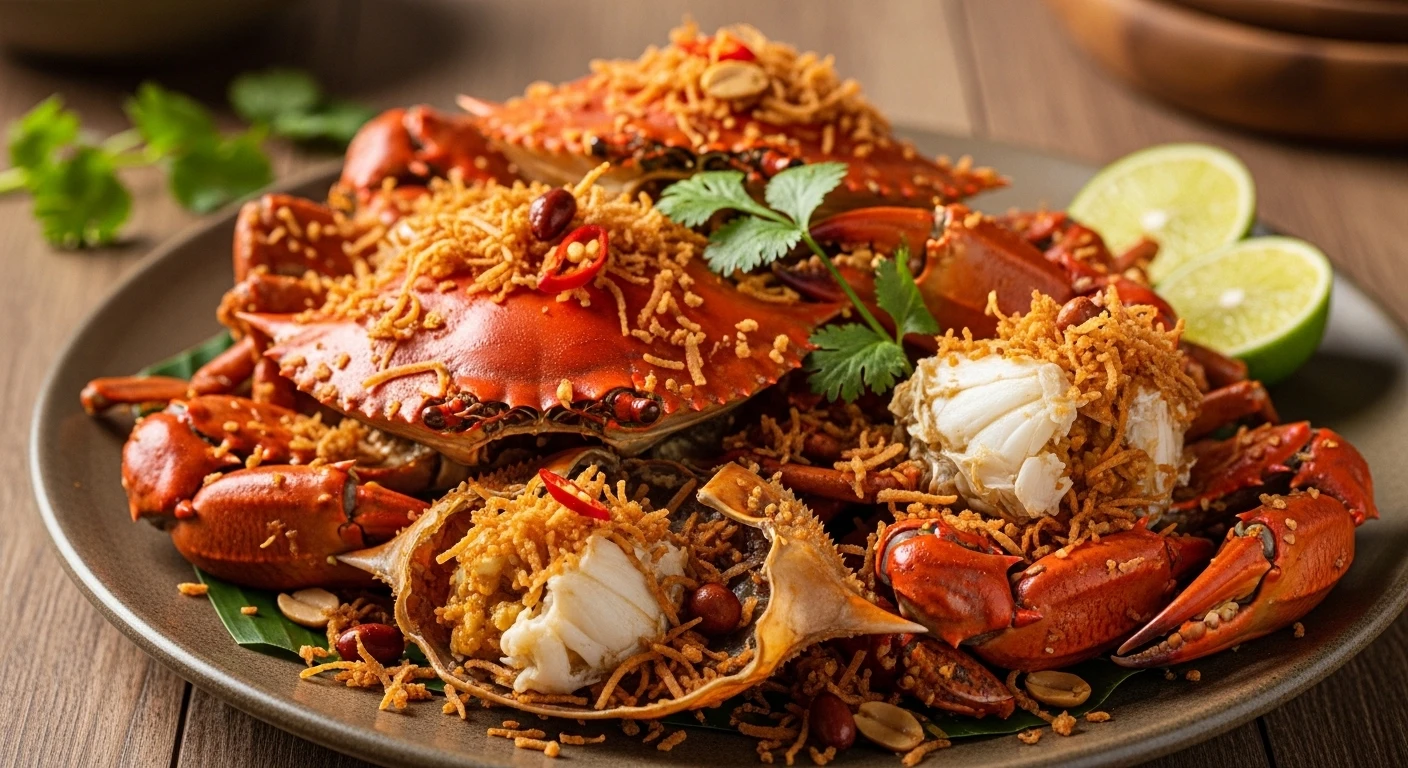
📸 A golden crust: The magic of dry-frying with coconut.
1 The Soul of the Mekong Delta
The Mekong Delta, a vast labyrinth of rivers, canals, and fertile plains, is Vietnam's rice bowl and a veritable larder of seafood. Here, life flows with the rhythm of the tides. Mud crabs, plump and brimming with sweet flesh, are a prized commodity, harvested from the mangrove forests and brackish waters that define this unique landscape. While many crab preparations favor steaming or simmering, the dry stir-fry with coconut offers a different kind of magic—a textural marvel and a nutty depth that speaks of sun-drenched afternoons and the abundance of the land.
Crab Culture
In Ca Mau, the southernmost province and the "kingdom" of Vietnamese crab, the mud crab (cua biem) is king. Whether it's the meaty male crabs prized for their claw-meat, or the roe-laden females offering a rich, creamy indulgence, these crustaceans are central to regional cuisine. Explore Ca Mau Mud Crab
Beyond the Shell
This dry-fried preparation is a testament to how local ingredients transform humble dishes. The toasted shredded coconut isn't just a garnish; it becomes an integral part of the flavor profile, lending a subtle sweetness and an almost buttery richness that coats the crab meat.
2 The Nutty, Toasted Embrace
What sets this dish apart is the "dry" aspect of the stir-fry. Unlike dishes bathed in sauce, this method involves intense heat and minimal oil, allowing the crab meat to caramelize slightly and absorb the flavors of the toasted coconut and other aromatics. The result is a concentration of taste and texture that is utterly addictive.
The Star
- Fresh Mud Crab: Live, of course. The sweet, delicate flesh is the canvas. Whether you choose a meaty male crab or a roe-laden female, freshness is paramount.
- Shredded Coconut: Freshly grated is ideal, but good quality dried shredded coconut (unsweetened) will work. This gets toasted to a golden brown, releasing its nutty oils and aroma.
The Supporting Cast
- Garlic & Shallots: Minced and fried until fragrant, they build the aromatic foundation.
- Chili: Fresh or dried, for a gentle kick that cuts through the richness.
- Roasted Peanuts: Added at the end for a satisfying crunch and another layer of nutty flavor.
- Seasoning: Fish sauce, a touch of sugar, and perhaps a splash of Shaoxing wine or water to deglaze.
3 The Art of the Dry Stir-Fry
This isn't a quick sauté. It's a method that requires attention to detail, ensuring each component is cooked to perfection without becoming dry or tough. The goal is a crab that's succulent within, coated in a fragrant, nutty "dust."
Prep Your Crab
Clean the live crab thoroughly. Depending on preference, you can cut it into manageable pieces (quarters for smaller crabs, halves for larger ones). If using roe crab, keep the roe intact.
Pro Tip: For an authentic Mekong experience, consider using Ca Mau Roe Crab for its rich, creamy roe, which pairs beautifully with coconut.
Toast the Coconut
In a wok or large skillet, toast the shredded coconut over medium-low heat, stirring constantly, until it turns a light golden brown and becomes fragrant. Be careful not to burn it. Remove and set aside.
Aromatics & Crab
Add a tablespoon or two of oil to the same wok. Sauté the minced garlic and shallots until fragrant. Add the chili. Then, add the prepared crab pieces and stir-fry for a few minutes until they start to turn slightly pink. If using roe crab, be gentle to preserve the roe.
The Flavor Infusion
Season with fish sauce and a pinch of sugar. Add a splash of water or cooking wine to create steam and help cook the crab through. Stir-fry for another 5-8 minutes, or until the crab is cooked and shells are bright red. The sauce should be mostly absorbed, leaving a rich coating.
Final Touches
Stir in the toasted coconut and roasted peanuts. Toss well to coat the crab evenly. Serve immediately while hot.
A Taste of the Coast
While this dish is popular across the Delta, its roots are deeply connected to the coastal regions where coconut palms thrive and fresh seafood is abundant. It’s a dish that embodies the spirit of resourcefulness and the simple joy of good food, shared with family and friends.
The Sweetness of Coconut
From its tropical groves, coconut provides a unique sweetness and mouthfeel.
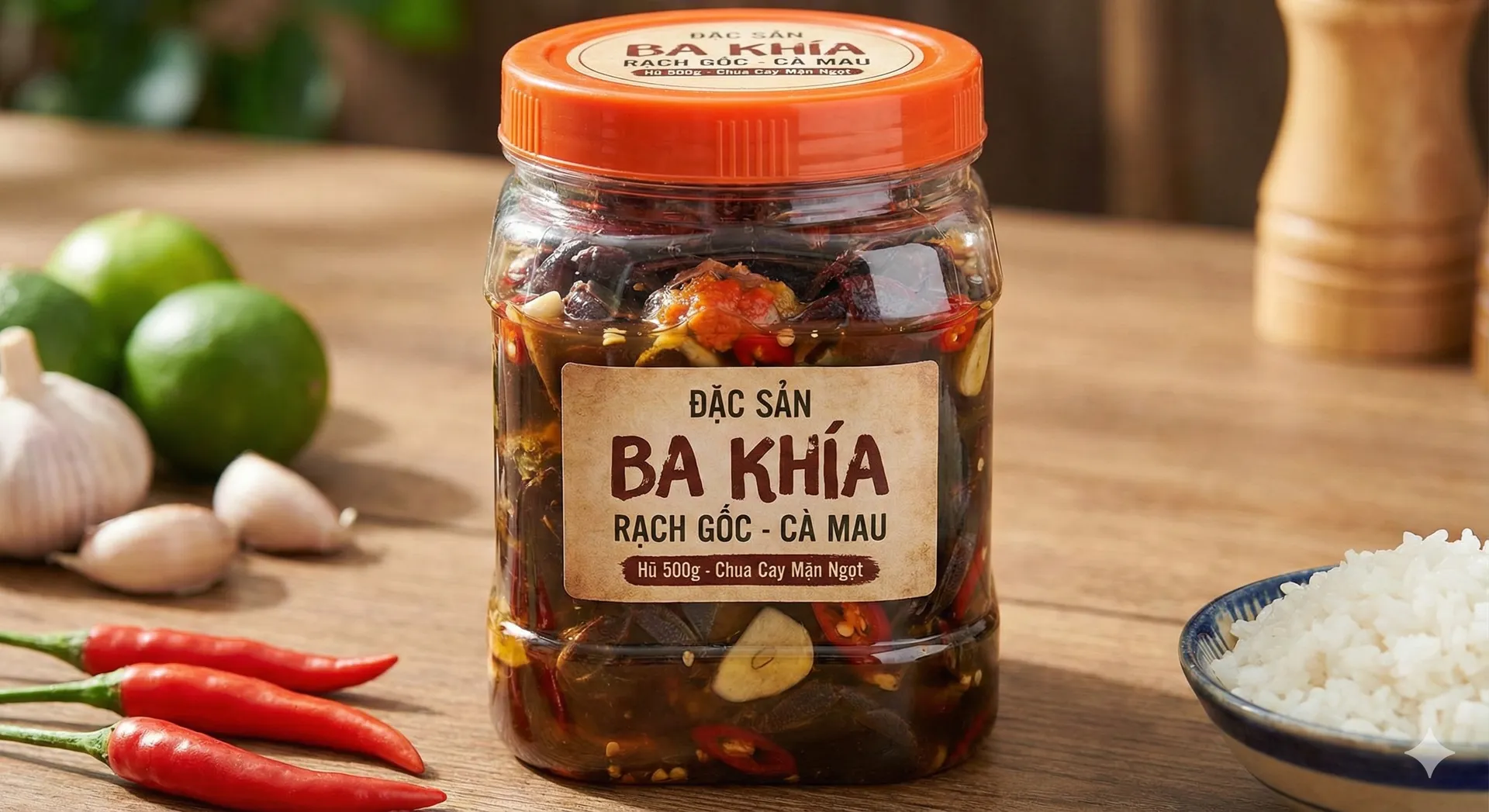
Heritage Ingredient
Fermented Mangrove Crab (Ba Khia)
Fermented Mangrove Crab (Ba Khia)
A traditional fermented crab specialty from the mangrove region of Rach Goc, often cited in articles about rustic Mekong Delta flavors and preserved seafood culture.
The salty-sour heartbeat of the wild south, where traditional fermentation turns forest crabs into a nostalgic explosion of rustic Mekong soul.
The Richness of Crab
Mud crabs, especially from regions like Ca Mau, are renowned for their quality.
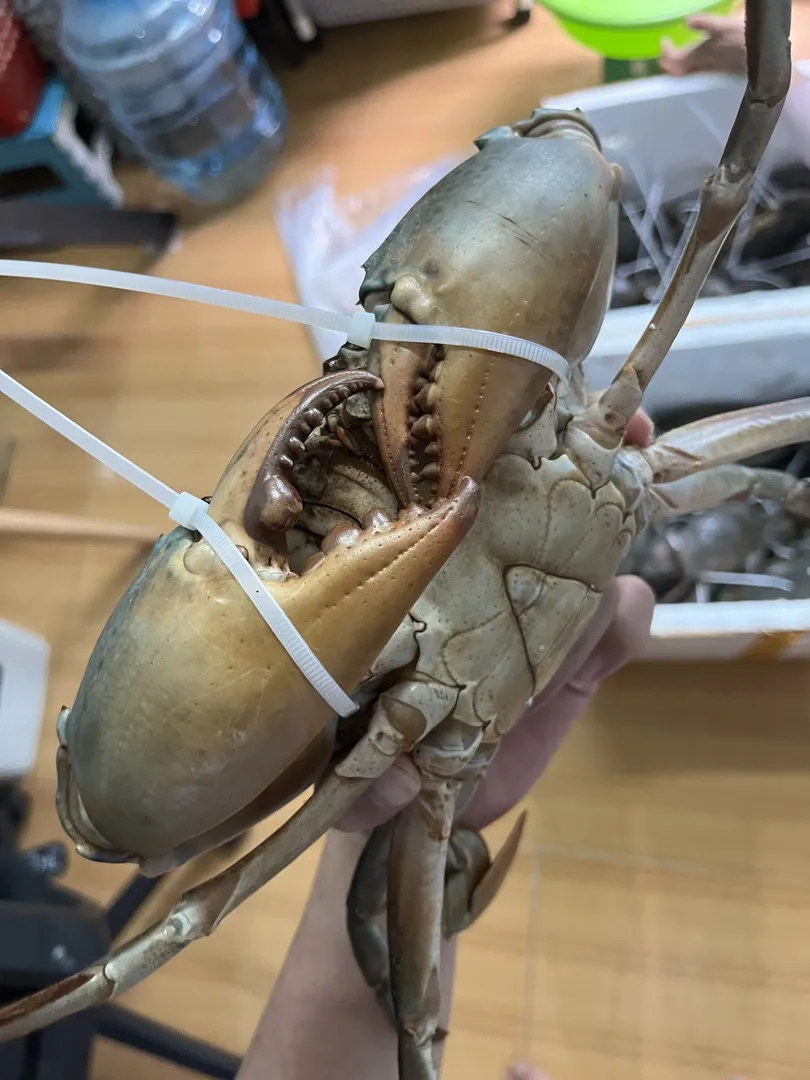
Heritage Ingredient
Ca Mau Jumbo Mud Crab
Ca Mau Jumbo Mud Crab
A large male mud crab prized for dense, sweet meat and thick claws, commonly used in steamed crab and grilled crab dishes across the Mekong Delta.
An icon of coastal culinary heritage, featuring firm, sweet meat that captures the raw power and freshness of Ca Mau's tides.
The Balancing Act
A touch of chili and traditional seasonings balance the sweet and savory notes.
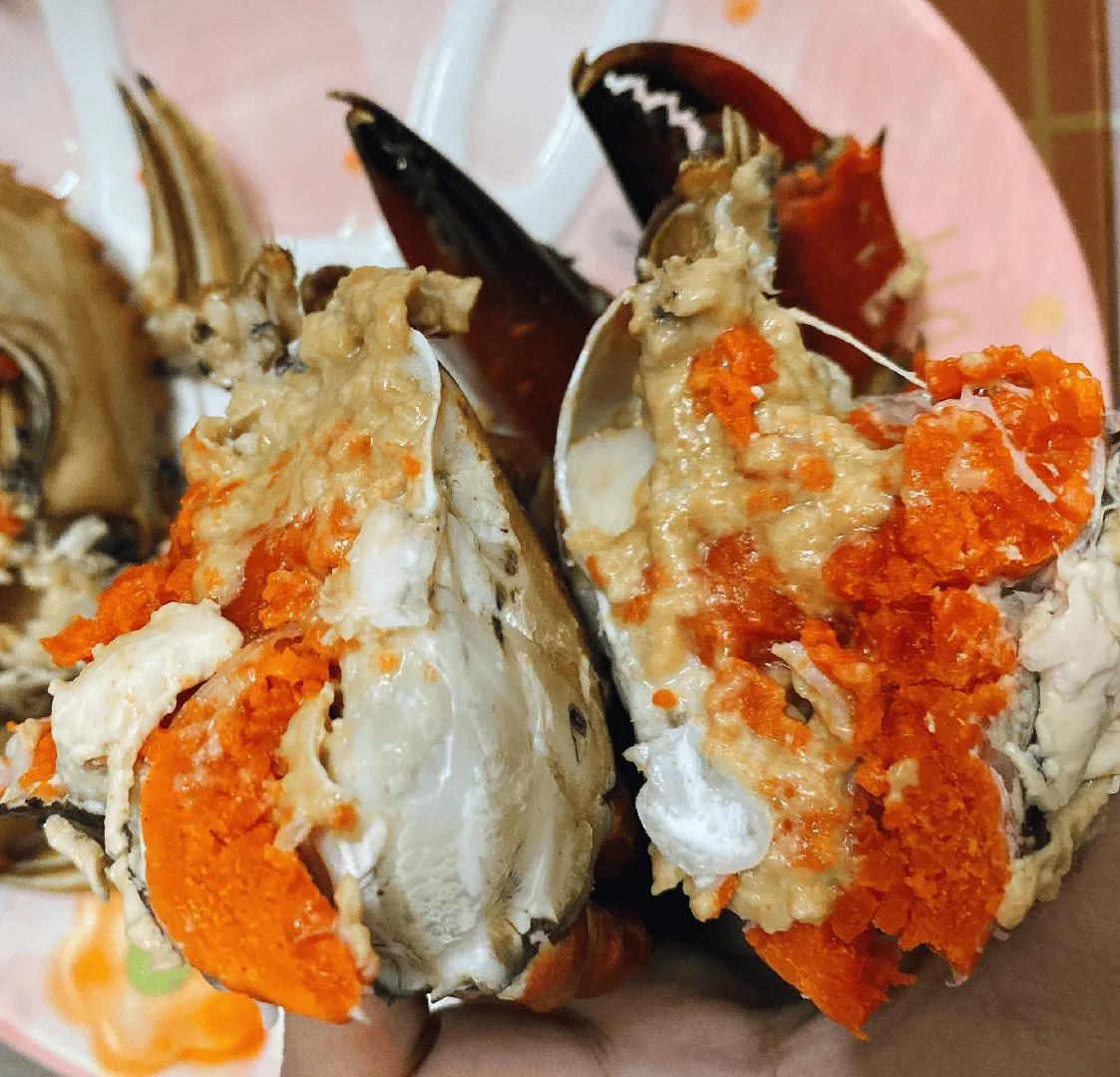
Heritage Ingredient
Ca Mau Roe Mud Crab
Ca Mau Roe Mud Crab
A female mud crab known for deep orange roe and a rich, creamy finish, often featured in celebratory Southern Vietnamese seafood meals.
A crimson treasure hidden within a shell, boasting rich, creamy roe that melts on your tongue like a golden sunset over the delta.
This dish is a culinary ambassador for the Mekong Delta, showcasing its unique agricultural and aquatic treasures.
Secrets to Perfection
🔥 High Heat is Your Friend
🥥 Don't Burn the Coconut!
🌶️ Spice Level: Your Call
6 How to Enjoy
This dish is a showstopper on its own, meant to be savored. The best way to enjoy it is with your hands, cracking shells and dipping the sweet meat into the fragrant coconut and peanut coating.
- Steamed Rice: A bed of fluffy white jasmine rice is the perfect companion, soaking up any residual juices.
- Fresh Herbs: A side of fresh cucumber slices, mint, or Thai basil can add a refreshing counterpoint.
- Dipping Sauce: While the dish is rich, some may enjoy a small side of fish sauce with lime and chili for an extra zesty kick.
7 Mekong Companions
To truly immerse yourself in the flavors of the Mekong, consider pairing this crab dish with other regional specialties that highlight the area's unique produce and culinary heritage.
Fermented Flavors:
The pungent, complex taste of fermented seafood is a hallmark of Southern Vietnamese cuisine. Dishes featuring Ba Khia (fermented mangrove crab) or Mam Tom Chua (sour shrimp paste) offer a delightful contrast to the sweet crab.
Riverine Treasures:
Beyond crab, the Mekong rivers teem with life. Grilled Mudskippers or delicate Featherback Fish Cakes could round out a magnificent seafood feast.
8 Why This Dish Lingers
Traditional Dry Stir-fried Crab with Shredded Coconut is more than just a recipe; it's an edible postcard from the Mekong Delta. It tells a story of the region's natural bounty, its resourceful people, and their profound connection to the land and water. The interplay of textures—the tender crab, the crunchy peanuts, the slightly crisp edges from the stir-fry—combined with the pervasive nutty aroma of toasted coconut, creates a sensory experience that is both comforting and exciting. It’s a taste of authenticity, a reminder that sometimes, the simplest ingredients, prepared with respect and tradition, yield the most unforgettable flavors.