" In the humid embrace of the Mekong Delta, where lifeblood flows through a network of rivers and canals, seafood is not just food; it's sustenance, culture, and the very rhythm of existence. Yet, whispers of caution often accompany a scratchy throat or a persistent cough, particularly around the prized bounty of its waters. "

📸 Succulent shrimp, a staple from the delta's aquaculture.
1 The Mekong's Abundant Harvest
The Mekong Delta, a vast and fertile region in Southwestern Vietnam, is a global powerhouse of aquaculture and fisheries. Its intricate waterways, mangrove forests, and coastal plains yield an astonishing variety of seafood. From the famed Ca Mau mud crabs, with their dense, sweet meat, to the firm, clean-tasting tiger prawns cultivated in its brackish waters, the delta is a treasure trove.
Ca Mau's Pride
The region's reputation is built on its exceptional mud crabs. These aren't just any crabs; they are a symbol of the delta's rich ecosystem. For generations, families have relied on the rivers and coast for their livelihood, and the seafood they provide is deeply woven into the cultural fabric.
Heritage Ingredient
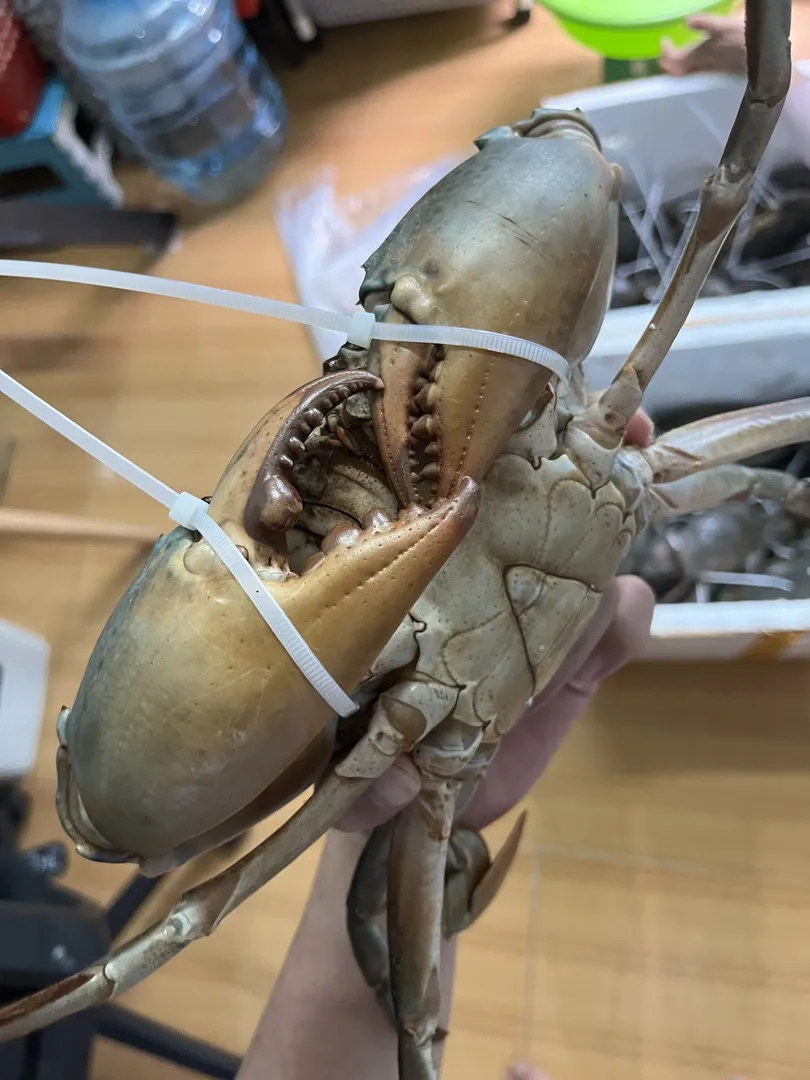
Ca Mau Jumbo Mud Crab
Ca Mau Jumbo Mud Crab
A large male mud crab prized for dense, sweet meat and thick claws, commonly used in steamed crab and grilled crab dishes across the Mekong Delta.
An icon of coastal culinary heritage, featuring firm, sweet meat that captures the raw power and freshness of Ca Mau's tides.
Shrimp Farming's Art
Shrimp farming here, especially for species like the Black Tiger prawn, is often integrated with mangrove ecosystems, contributing to a cleaner, more natural flavor profile. This direct connection to the environment means the quality and taste of the seafood are paramount.
Heritage Ingredient
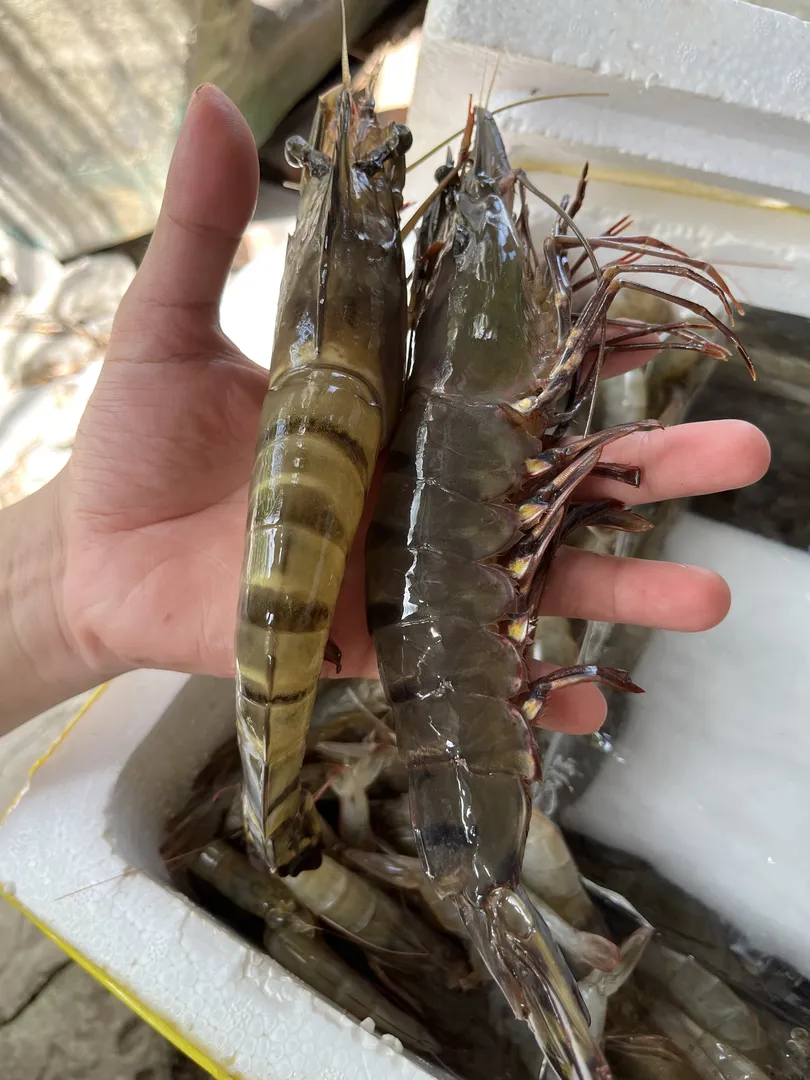
Ca Mau Black Tiger Shrimp
Ca Mau Black Tiger Shrimp
Large black tiger shrimp associated with mangrove aquaculture in Ca Mau, known for firm flesh and a cleaner, sweeter finish than intensively farmed shrimp.
Wild spirits of the mangroves, these black-banded gems deliver a firm, snappy texture and a sweetness that echoes the forest's vibrant life.
2 Why the Folk Wisdom?
In many cultures, especially in Southeast Asia, certain foods are deemed "hot" or "cooling" by traditional medical principles. Seafood, particularly shellfish like shrimp and crab, is often categorized as "hot" (nóng), believed to potentially exacerbate symptoms like coughs, sore throats, or skin irritations. This belief system, deeply rooted in concepts of balance (like Yin and Yang), has guided dietary choices for centuries.
Concept of "Heat"
- Traditional East Asian medicine categorizes foods based on their perceived effect on the body's energy and temperature.
- "Hot" foods are thought to increase internal heat, potentially worsening inflammation or illness characterized by heat symptoms.
- Seafood, being rich and complex in nutrients, was often placed in this category.
The "Why" of the Taboo
- The rationale was to avoid foods that might "aggravate" an existing condition. A cough or sore throat was seen as a manifestation of internal "heat."
- This is similar to advice given in Western cultures to avoid dairy or acidic foods when sick, though the underlying theory differs.
- The goal, in essence, was to restore balance to the body for quicker recovery.
3 Unpacking the Irritation
The core of this dietary advice, particularly concerning shrimp and crab, often hinges on the physical properties of the seafood. Let's break down the common understanding:
The Shell Factor
It's often the hard, chitinous exoskeleton of crustaceans that is implicated. When you have a sore throat, a rough or scratchy surface can be particularly irritating. The shell's texture, even when cooked, can feel abrasive against inflamed throat tissues. This is why whole shrimp, or crab that isn't de-shelled properly, might feel uncomfortable.
The Soft Meat Advantage
The edible flesh of shrimp and crab is typically soft, tender, and easily digestible. The issue arises from the *shell*, not the protein-rich meat itself. If you can separate the soft meat from the shell, it is unlikely to worsen a sore throat or cough. The smooth texture of the meat doesn't pose a physical irritant.
Other Considerations
While physical irritation from the shell is the primary factor, some individuals might have specific allergies or sensitivities to seafood that could manifest as respiratory symptoms. However, this is a distinct allergic reaction, not a general consequence of a cough.
4 Honoring the Ingredient: Gentle Cooking Methods
In the Mekong Delta, the philosophy of cooking often revolves around preserving the natural essence of fresh ingredients. When dealing with delicate seafood like shrimp and crab, simpler preparation methods are favored, allowing the true flavors to shine.
Steaming (Hấp)
This is arguably the purest method. Steaming, often with aromatics like lemongrass or ginger, gently cooks the seafood, retaining moisture and flavor without adding heavy oils or sauces. It's ideal for preserving the tender texture of the meat, making it easier to consume when recovering.
Boiling (Luộc)
Simple boiling in lightly salted water is another common and effective way to cook shrimp and crab. It's quick, requires minimal effort, and results in a clean flavor that highlights the seafood's natural sweetness. This method also ensures the meat is tender and easily separated from the shell.
5 So, Can You Eat It?
The short answer is: Yes, you likely can, with a few caveats. The key lies in how you prepare and consume the seafood.
Your Action Plan for Soothing Recovery
1. De-shell Carefully
Always remove the shell. Focus on consuming only the tender, soft meat.
2. Gentle Cooking
Opt for steaming or boiling. Avoid fried or heavily sauced preparations.
3. Listen to Your Body
If you have a known seafood allergy or experience discomfort, abstain or consult a healthcare professional.
For those living in or visiting the Mekong Delta, enjoying a simple bowl of steamed crab salad (Gỏi Cua) where the meat is meticulously picked out, or a succulent plate of steamed river prawns, can be part of a healing diet, provided the preparation is mindful.
6 Instances Where Caution is Key
While the physical irritation from shells is often the main culprit, it's wise to remember that traditional beliefs often hold a kernel of truth, even if the reasoning differs from modern science.
🦀 Severe Allergies
🌶️ Spiced or Heavily Sauced Dishes
🐟 Other "Hot" Foods

Heritage Ingredient
Ca Mau Mudskipper
Ca Mau Mudskipper
A mangrove mudskipper from Ca Mau, often grilled with chili salt and featured in articles about unusual delta seafood and mudflat ecosystems.
The acrobatic spirit of the mudflats, delivering a fragrant, smoky flesh that embodies the untamed beauty of Ca Mau's mangrove world.
7 The Health Benefits You Shouldn't Miss
Dismissing seafood entirely when sick means missing out on significant nutritional benefits that can aid recovery. Shrimp and crab are powerhouses of lean protein, essential for tissue repair and immune function. They are also rich in minerals like zinc and selenium, crucial for a robust immune response.
- Lean Protein: Vital for muscle repair and energy during illness.
- Omega-3 Fatty Acids: Known for their anti-inflammatory properties.
- Vitamins & Minerals: Including B vitamins, zinc, and selenium, all important for immune health.
- Antioxidants: Such as astaxanthin, which gives shrimp its pink color and has anti-inflammatory benefits.
8 A Balanced Perspective
The wisdom passed down through generations in the Mekong Delta, as in many cultures, often seeks to guide people toward what is perceived as best for their well-being. While the concept of "hot" and "cooling" foods is a framework of traditional medicine, modern understanding allows us to refine these ideas.
When you have a cough or sore throat, the primary concern regarding shrimp and crab should be the physical texture of the shell. By choosing to eat only the soft, tender meat, prepared simply through steaming or boiling, you can likely enjoy the nutritional benefits of these delta treasures without exacerbating your symptoms. It’s about smart consumption, respecting both the food and your body’s current needs. So, next time you're by the water's edge in the Mekong, remember: it's not the shrimp or crab itself, but how you prepare and enjoy it, that truly matters.
More Health & Food Insights
View More Health & Nutrition
Crab vs. Chicken: Which is Healthier?
Battle of the lean proteins.

Introducing Crab to Your Baby's Diet: When and How?
Pediatrician guidelines on the safe age to introduce shellfish to toddlers to avoid choking and monitor for allergies.
Is Mud Crab Keto-Friendly?
Zero carbs, high protein. The perfect diet food.
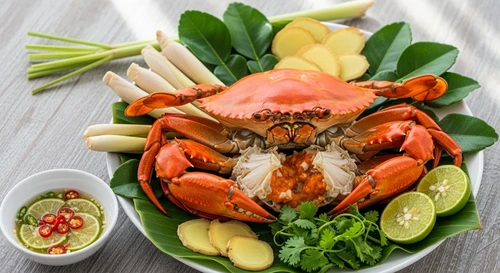
Low Sodium Options for Crab Lovers
How to cook crab without raising blood pressure.
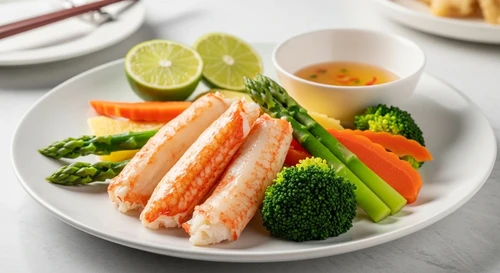
Eat Clean with Crab: Low-Calorie Diet Plans
How to incorporate steamed crab meat into your weight-loss journey without sacrificing flavor or feeling hungry.

Seafood Allergies: Symptoms and Immediate First Aid
How to recognize the difference between mild hives and anaphylaxis after eating shellfish, and what to do next.
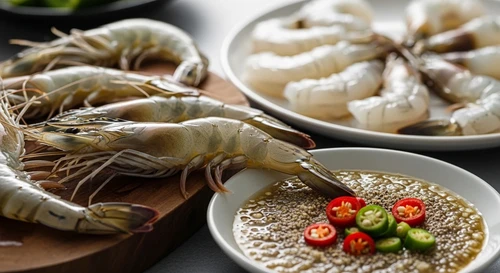
Is the Dark Vein in Shrimp and Prawns Toxic?
Clearing up the confusion about the digestive tract of crustaceans. It's not toxic, but here is why you should still remove it.
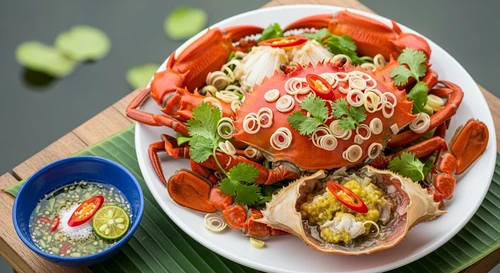
Diabetic Friendly Seafood
Managing blood sugar levels with crab meat.

Collagen and Shells: Skin Benefits
Can chitosan from shells help your skin?