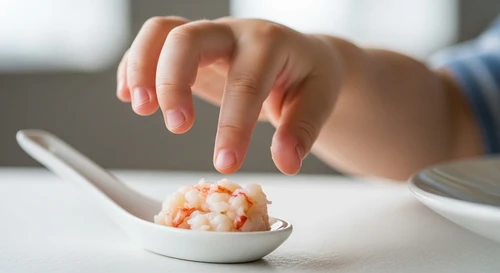
" In the heart of the Mekong Delta, where lifeblood flows through countless waterways and mangroves cradle a universe of aquatic life, the lure of raw seafood is undeniable. But this untamed delicacy can bite back. "
1 The Seductive Danger: Why Eat Raw Crab?
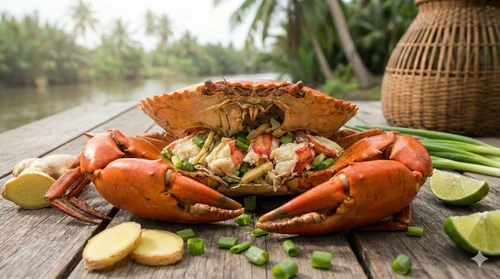
There's a primal allure to eating food in its most natural state. In the Mekong Delta, particularly in regions like Ca Mau and Bac Lieu where brackish water meets the sea, tiny, briny crabs known as 'ba khia' are a local obsession. They are often consumed raw, marinated in a potent concoction of fish sauce, chili, garlic, and sugar, or fermented to achieve a salty-sour punch. This practice, passed down through generations, is deeply ingrained in the regional culinary fabric. The appeal lies in the intensely fresh, unadulterated flavor—a direct taste of the mangrove ecosystem.

A common preparation of marinated raw ba khia.
Locals rave about the unique taste: a burst of salinity, a hint of sweetness, and a fiery kick that awakens the palate. It’s an acquired taste, a flavor profile that speaks of coastal humidity, the tang of mangroves, and the careful balance of traditional preservation techniques. However, this culinary tradition walks a tightrope with significant health implications.
The very environment where these crabs thrive—freshwater and brackish marshes—is also a breeding ground for parasites, most notably lung flukes. These microscopic organisms, particularly the species Paragonimus, can find a temporary host in these crustaceans.
2 The Medical Reality: A Hidden Threat
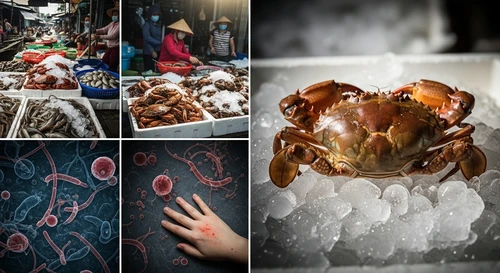
The primary concern when consuming raw or undercooked freshwater and brackish water crabs, like the 'ba khia' of the Mekong Delta, is infection with parasitic trematodes, commonly known as flukes. Among these, the lung fluke (genus Paragonimus) is the most notorious. These parasites have a complex life cycle that involves freshwater snails as intermediate hosts, and then crabs or crayfish as second intermediate hosts.
The Cycle
Eggs are shed in sputum or feces, contaminate water, hatch, infect snails, develop, then infect crabs. Humans ingest these infected crabs.
The Infection
When undercooked, metacercariae (larval forms) of the lung fluke are ingested. They excyst in the duodenum and migrate, often to the lungs, forming characteristic cysts.
Symptoms
Coughing (sometimes with blood), chest pain, fever, and shortness of breath are common. Can also affect brain, liver, or muscle tissue.
A common misconception is that intense marination or the high salt content of dishes like 'ba khia' will kill these parasites. This is largely untrue. While some microbial contamination might be reduced, the larval stages of parasites like Paragonimus are remarkably resilient. They can survive in the acidic and saline environments of marinades and fermented products.
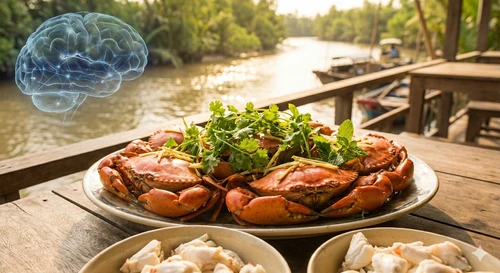
The consequences of such an infection can range from mild, flu-like symptoms to severe, chronic respiratory problems. In rare cases, larval worms can migrate to other organs, including the brain, leading to neurological complications. This is not a distant threat; cases of paragonimiasis are still reported in endemic regions, often linked to the consumption of raw or inadequately cooked shellfish.
3 The Delta's Bounty: More Than Just Ba Khia
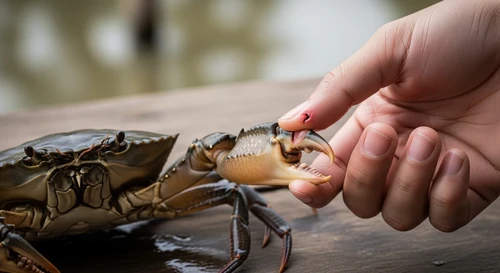
The Mekong Delta is a vast network of rivers, canals, and fertile plains, making it a biodiversity hotspot for seafood. While 'ba khia' are the primary concern for raw consumption in this specific context, it's important to understand that other crabs also inhabit these waters. Larger mud crabs, prized for their sweet, dense meat, are farmed and wild-caught throughout the region. These are typically cooked, but the understanding of their habitat is key.
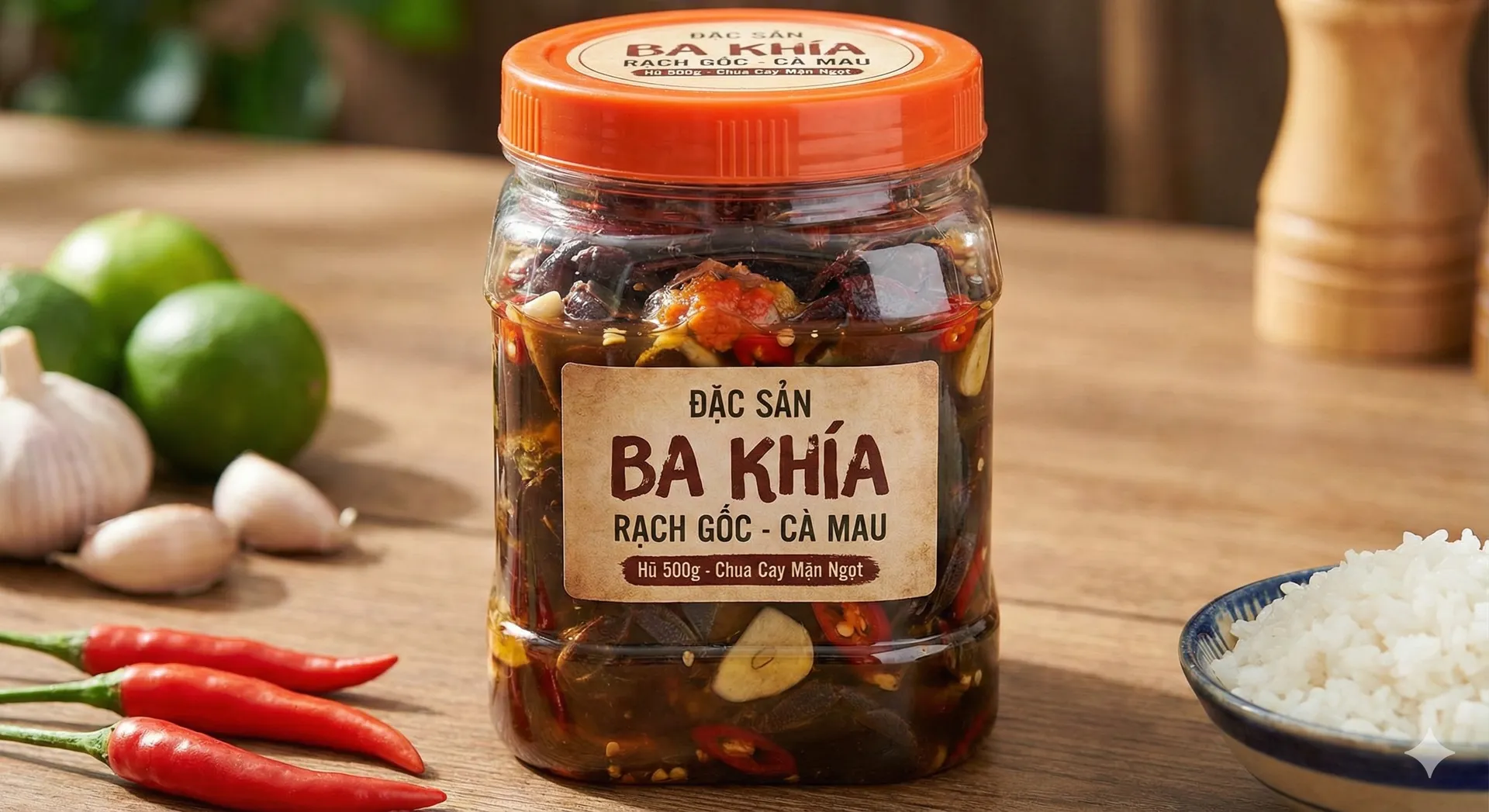
Heritage Ingredient
Fermented Mangrove Crab (Ba Khia)
Fermented Mangrove Crab (Ba Khia)
A traditional fermented crab specialty from the mangrove region of Rach Goc, often cited in articles about rustic Mekong Delta flavors and preserved seafood culture.
The salty-sour heartbeat of the wild south, where traditional fermentation turns forest crabs into a nostalgic explosion of rustic Mekong soul.
The health risks associated with raw crab consumption are not exclusive to 'ba khia'. Any crab species living in freshwater or brackish environments, especially those harvested from natural, unmonitored waterways, carries a potential risk of harboring parasites. It is the environment, not just the species, that dictates the danger.
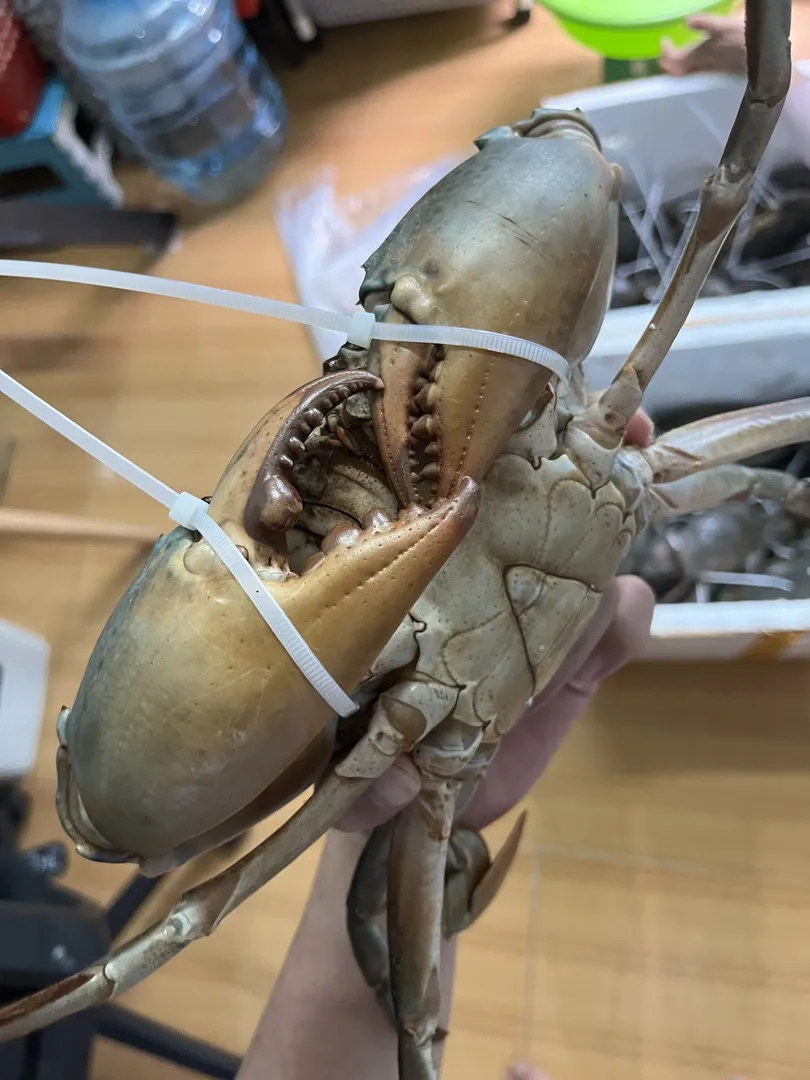
Heritage Ingredient
Ca Mau Jumbo Mud Crab
Ca Mau Jumbo Mud Crab
A large male mud crab prized for dense, sweet meat and thick claws, commonly used in steamed crab and grilled crab dishes across the Mekong Delta.
An icon of coastal culinary heritage, featuring firm, sweet meat that captures the raw power and freshness of Ca Mau's tides.
Understanding the provenance of your seafood is paramount. While many local traditions prioritize immediate, raw consumption for peak flavor, the potential for parasitic infection necessitates a cautious approach, especially for visitors or those not accustomed to these specific dietary practices.
4 The Art of Fermentation: A Safer Path?
Fermentation is a time-honored preservation technique that can, under specific conditions, mitigate some of the risks associated with raw seafood. In the case of 'ba khia', the traditional fermentation process involves soaking the crabs in brine (saltwater) for an extended period, often weeks or even months. This process lowers the pH and increases salinity, which can inhibit the growth of some bacteria and parasites.
The Salt Factor
High salt concentrations create an environment hostile to many pathogens. The longer the crab is submerged, the more effective this becomes.
The pH Drop
Lactic acid bacteria, often present in traditional ferments, can help lower the pH, further reducing the survival rate of some parasites.
However, it's crucial to understand that not all fermentation processes are created equal. Inconsistent salting, improper storage, or insufficient fermentation time can still leave harmful parasites viable. Furthermore, while fermentation might neutralize some bacteria and parasites, it does not guarantee complete safety from lung flukes, which are notoriously hardy.
For a traveler, relying solely on the appearance of a fermented dish to gauge its safety can be risky. The most reliable method for eliminating the threat of parasitic infection from freshwater and brackish water crabs is thorough cooking. High temperatures effectively kill the larvae and make the seafood safe to consume.
5 Expert Advice: Navigating the Delta's Culinary Landscape
When in Doubt, Cook It Out
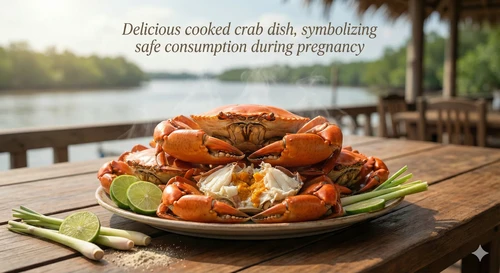
The golden rule for consuming freshwater and brackish water crabs, especially in endemic regions for lung flukes, is to ensure they are thoroughly cooked. Steaming, boiling, or frying until the shell turns bright red and the meat is opaque is your best defense.
Trust Reputable Sources
If you are trying local delicacies like 'ba khia', choose establishments known for their hygiene and consistent preparation methods. Restaurants catering to a wider tourist base may have stricter food safety protocols. Ask locals for recommendations if they know places that prepare these dishes safely.
Understand the Waterways
Crabs harvested from pristine, open ocean environments are generally at lower risk for freshwater/brackish water parasites. However, it's the estuary and mangrove environments where the primary risks lie. Be mindful of the source of your seafood.
Medical Awareness
If you develop persistent cough, chest pain, or fever after consuming raw or undercooked crab in the Mekong Delta or similar regions, seek medical attention promptly. Inform your doctor about your recent dietary intake.
6 Respecting the Delta's Gifts
The Mekong Delta offers an unparalleled culinary journey, rich with unique flavors and ancient traditions. The 'ba khia' tradition is a powerful testament to this heritage. However, as with many wild foods and traditional practices, there is an inherent risk that must be acknowledged and respected. Understanding the potential for parasitic infections is not about shaming a beloved local delicacy, but about ensuring travelers and locals alike can enjoy the bounty of the Delta safely.
By prioritizing thorough cooking, choosing reputable sources, and being aware of the risks, you can savor the incredible flavors of the Mekong Delta while safeguarding your health. The true essence of culinary exploration lies not just in tasting, but in understanding the context and potential consequences of the foods we consume.