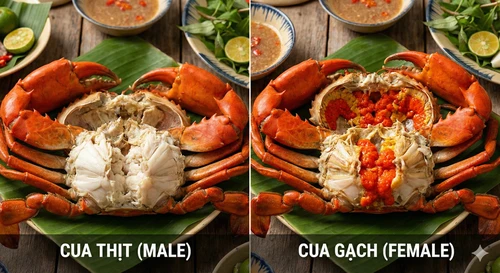
" For those who know, the scent is nostalgia. For the uninitiated, it’s a pungent challenge. "
1 The Mekong's Salty Kiss: Unearthing Ba Khia
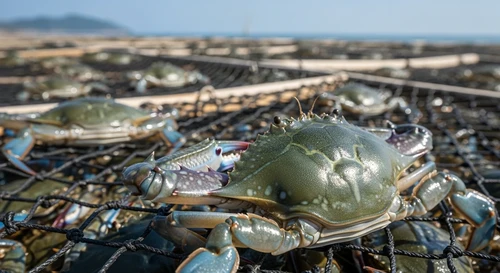
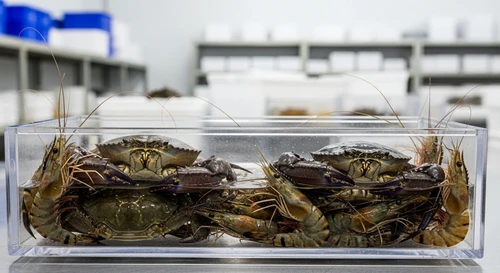
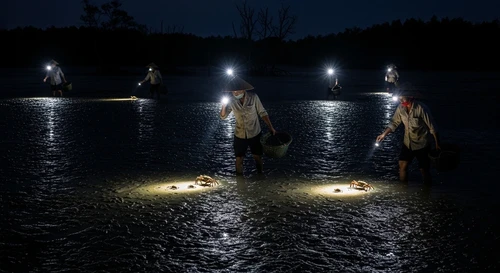
The Mekong Delta, a labyrinth of winding rivers, emerald rice paddies, and sprawling mangrove forests, is a land where seafood reigns supreme. And deep within this fertile crescent, particularly in coastal provinces like Ca Mau and Soc Trang, a humble crustacean has been a staple for generations: Ba Khia. These are not your plump, prize-winning mud crabs. Ba Khia are smaller, wiry mangrove crabs, tenacious survivors of brackish water and saline soil.

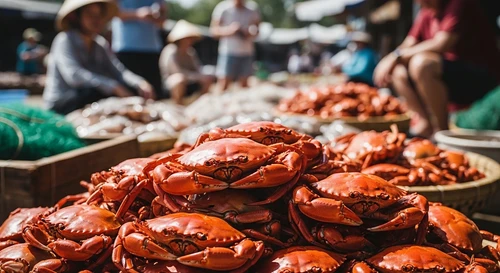
📸 Humble beginnings: Ba Khia crabs in a typical Mekong Delta market.
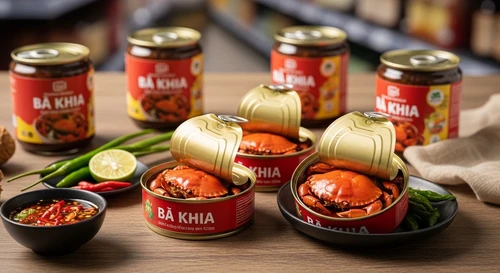
Traditionally, ba khia are prepared through a process of fermentation. They're often packed in salt, sometimes with a touch of chili or garlic, and left to cure. This isn't about creating a 'clean' flavor profile; it's about preserving the essence of the sea and the crab, transforming it into something intensely savory, tangy, and yes, quite pungent. This fermented crab, often referred to as 'Ba Khia Muoi' or 'Ba Khia Rach Goc' (named after a famous locality), is a testament to the region's ingenuity in making the most of its natural bounty.
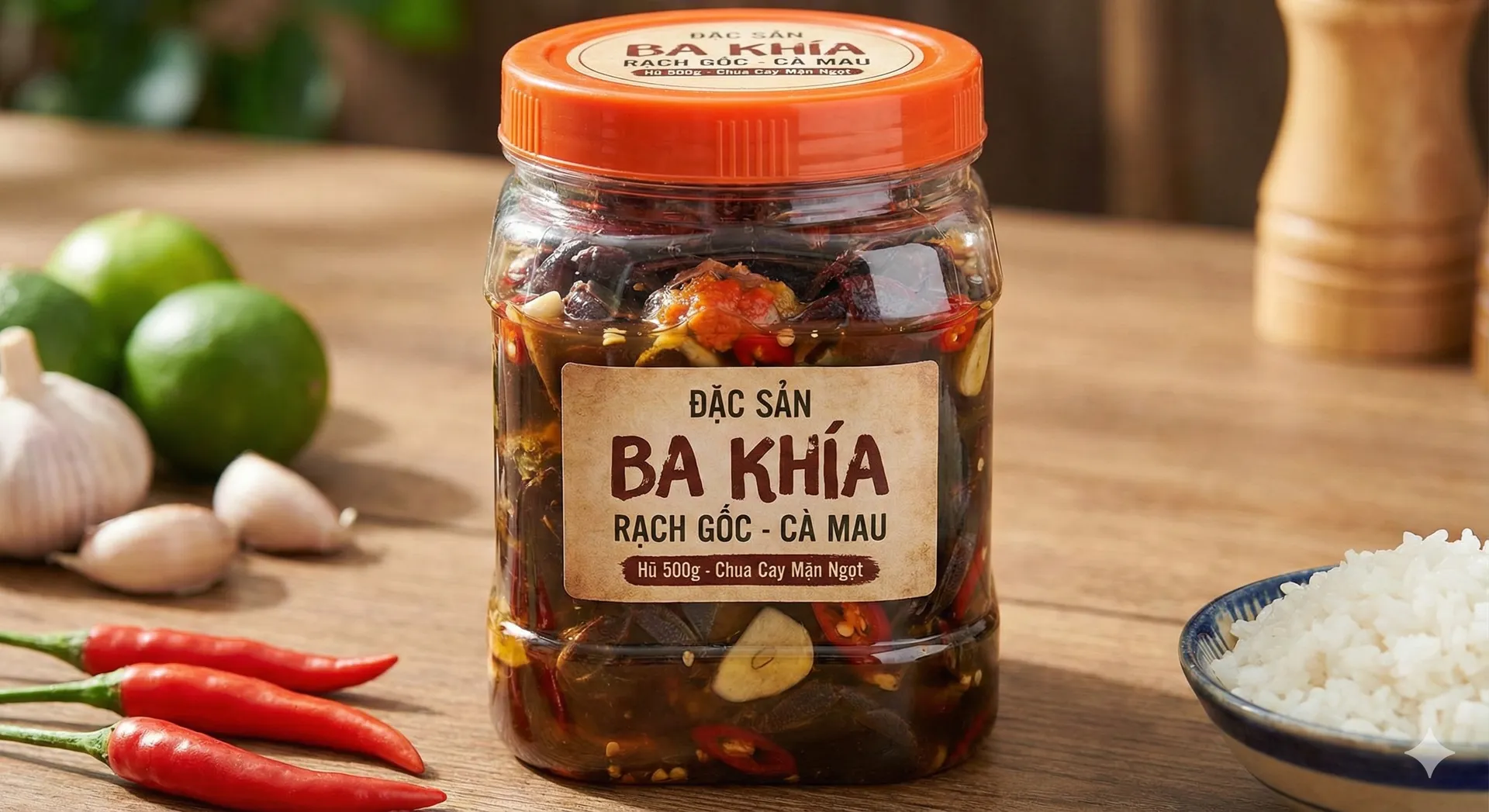
Heritage Ingredient
Fermented Mangrove Crab (Ba Khia)
Fermented Mangrove Crab (Ba Khia)
A traditional fermented crab specialty from the mangrove region of Rach Goc, often cited in articles about rustic Mekong Delta flavors and preserved seafood culture.
The salty-sour heartbeat of the wild south, where traditional fermentation turns forest crabs into a nostalgic explosion of rustic Mekong soul.
2 The TikTok Tsunami: Mukbang, Reactions, and the "Challenge"
Then, something shifted. In the sprawling, fast-paced universe of social media, 'Ba Khia Tron'—meaning 'mixed' or 'tossed' ba khia—emerged from the digital shadows. Its explosion was propelled by the now-ubiquitous Mukbang phenomenon, particularly on TikTok. Short, punchy videos showcased creators, often Gen Z, unboxing the pungent delicacy, their reactions ranging from hesitant curiosity to outright shock, then often, to unexpected delight.
What is 'Ba Khia Tron'?
It's essentially fermented ba khia crabs, often tossed with a vibrant, zesty sauce. This sauce is typically a potent concoction of fresh lime juice, garlic, chili, sugar, and sometimes fish sauce or a touch of MSG. The fermented crab itself provides an intense umami and salty base, while the dressing cuts through with bright acidity and heat. It’s a complex flavor profile that, for many, is an acquired taste.
The appeal for creators and viewers alike lies in its authenticity and its raw, unadulterated flavor. It’s not a dish that’s been sanitized for mass appeal. It’s the real deal, with a smell and taste that elicit genuine reactions. This authenticity is gold on platforms like TikTok, where genuine responses and relatable experiences are king. Videos featuring "trying ba khia for the first time" or "ba khia mukbang challenge" started going viral, creating a snowball effect. Viewers were fascinated, intrigued, and often egged on by comments to try it themselves. The raw, sometimes comical, reactions to the potent aroma and flavor became the content itself.
3 A Symphony (or Cacophony?) of Flavors
Let's be clear: 'Ba Khia Tron' is not for the faint of palate. It's a bold statement, a culinary dare. The initial encounter is often dominated by a strong, fermented aroma that many outside of Southeast Asia might find off-putting. But for those who push past the scent, a world of complex, addictive flavors unfolds:
The Fermented Funk
This is the soul of the dish. A deep, savory, almost cheesy (in a good way for some) umami bomb derived from the natural fermentation process. It’s the essence of the mangrove swamp captured in a bite.
The Zesty Kick
The fresh lime juice and chili in the 'tron' sauce provide a sharp, electric contrast. It’s the tangy, spicy slap that awakens the palate and balances the rich funk.
The Sweet Counterpoint
A whisper of sugar is crucial. It rounds out the sharp edges, making the intense flavors more approachable and creating that moreish quality.
The Texture Play
The crabs themselves offer a delicate, slightly chewy texture, with the occasional crunch from the shell fragments (if you’re eating them whole). The sauce coats everything beautifully.
It's a flavor profile that has been a local delicacy for years, often enjoyed with steamed rice or as a potent accompaniment to rice paper rolls and fresh herbs. The viral trend has introduced this complex taste to a global audience, sparking debates and daring eaters.
4 A Generational Shift: Reclaiming Tradition
The obsession with 'Ba Khia Tron' among Vietnam's Gen Z isn't just a fleeting meme. It speaks to a larger trend: a re-engagement with authentic, traditional Vietnamese cuisine, often through the lens of digital media. While previous generations might have focused on international fast food or modernized versions of Vietnamese dishes, the current youth are actively seeking out the roots, the pungent, the "weird," the genuinely local.

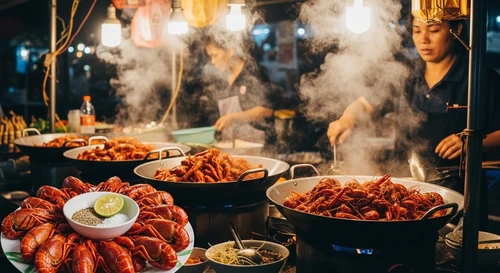
📸 The new wave: Young Vietnamese enjoying traditional flavors shared online.
Platforms like TikTok and Instagram have become vibrant kitchens and marketplaces for culinary discovery. Creators are not just showing food; they're sharing stories, cultural context, and personal experiences tied to these dishes. 'Ba Khia Tron' represents this perfectly. It's a taste of the Mekong Delta, preserved and celebrated. The act of trying it, filming the reaction, and sharing it becomes a collective culinary adventure, a digital exploration of Vietnam's rich food heritage. It’s a statement against homogenization, a proud embrace of distinct, powerful flavors.
5 Mastering the 'Tron': A Taste of Home
While watching viral mukbangs is entertaining, the true joy comes from experiencing 'Ba Khia Tron' for yourself. And if you can't get to the Mekong Delta, mastering the preparation is a rewarding journey. The key is sourcing quality fermented ba khia.
The Star: Fermented Ba Khia
- Look for crabs packed in salt, ideally with a reddish-brown hue.
- Some purveyors may offer them 'tron' ready-made, but the true craft is in the sauce.
The Zing: The Sauce
- Lime Juice: Freshly squeezed is non-negotiable.
- Garlic: Finely minced.
- Chili: Bird's eye chili, finely chopped (adjust to your spice tolerance!).
- Sugar: To balance the acidity and saltiness.
- Optional: A splash of fish sauce for added depth, or a pinch of MSG for that authentic kick.
The Method
The process is surprisingly simple, designed to let the crab's inherent flavor shine while enhancing it.
- Prepare the Crabs: Rinse the fermented ba khia under cold water to remove excess salt and debris. You can choose to eat them whole (shell and all, being careful of sharp bits) or, for a more refined experience, carefully crack them open to extract the richer meat from the body and claws.
- Whip up the Sauce: In a bowl, combine lime juice, minced garlic, chopped chili, and sugar. Whisk until the sugar is dissolved. Taste and adjust – it should be a bold balance of sour, spicy, sweet, and salty.
- The Toss: Place the prepared ba khia in a serving bowl. Pour the sauce over them, ensuring every piece is coated.
- Serve Immediately: 'Ba Khia Tron' is best enjoyed fresh, when the flavors are vibrant and the crab is still firm. Serve with chilled beer, fresh herbs like mint or Vietnamese balm, and perhaps some shredded green papaya for an extra textural contrast.
6 A Glimpse into the Delta's Rich Pantry
'Ba Khia Tron' is just one jewel in the Mekong Delta's culinary crown. The region’s abundant waterways and fertile lands yield an astonishing array of ingredients that form the backbone of its unique cuisine. This trend highlights a growing appreciation for these authentic, often intensely flavored, local specialties.
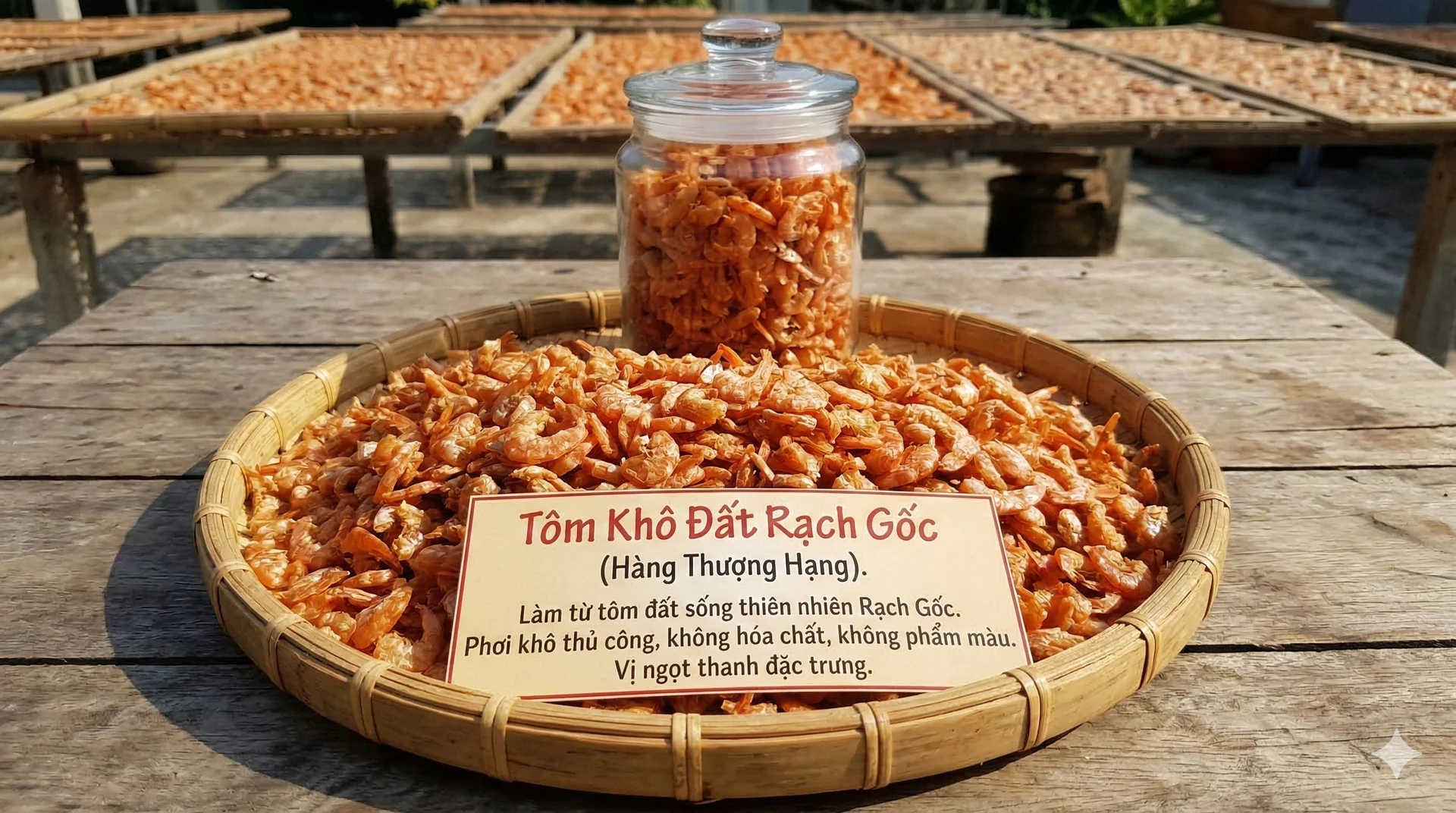
Heritage Ingredient
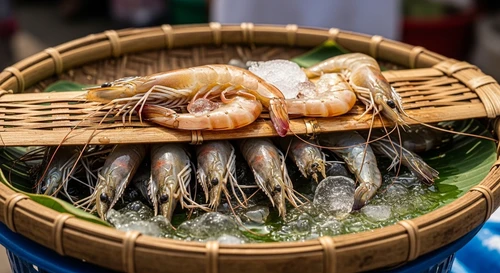
Sun-Dried Wild Shrimp from Rach Goc
Sun-Dried Wild Shrimp from Rach Goc
Traditional dried shrimp made from small wild shrimp, valued for natural sweetness and commonly used in Vietnamese salads, soups, and festive dishes.
Concentrated sunlight and sea salt in every bite, these crimson gems offer a deep, umami sweetness that whispers tales of Rach Goc's golden shores.

Heritage Ingredient
Fermented Sour Shrimp (Mekong Style)
Fermented Sour Shrimp (Mekong Style)
A Southern Vietnamese fermented shrimp preserve made with garlic, chili, and shredded green papaya, often served with boiled pork, rice paper, or plain rice.
A vibrant dance of flavors—sour, spicy, and sweet—where tender shrimp and crunchy papaya create a masterpiece of Southern preserved heritage.
From the sun-dried shrimp (Tom Kho) that lend a concentrated sweetness to salads and soups, to the myriad of fermented pastes like 'Mam Tom Chua' (sour shrimp paste), the Mekong Delta thrives on bold, complex flavors. These ingredients, often misunderstood or overlooked by outsiders, are the building blocks of dishes that are deeply rooted in the region's culture and environment. The 'Ba Khia Tron' trend, in its own way, is opening doors for greater appreciation of these traditional, powerful tastes.
7 Beyond the Buzz: The Enduring Appeal
Will 'Ba Khia Tron' remain a viral sensation forever? Perhaps not in its current form. Trends, by their nature, ebb and flow. However, the underlying movement it represents – a desire for authentic, culturally rich, and intensely flavored food – is here to stay.
This potent crab dish has served as a digital ambassador for the Mekong Delta's unique culinary identity. It has sparked conversations, challenged palates, and perhaps most importantly, connected a new generation to their heritage through the universal language of food. Whether you try it on TikTok or in a bustling market in Can Tho, 'Ba Khia Tron' is more than just a food trend; it's a delicious, pungent reminder of the vibrant diversity that the world of food has to offer, especially from the heart of Vietnam.
8 The Takeaway: Embrace the Pungent
So, if you're scrolling through your feed and a video pops up featuring small, intensely aromatic crabs being mixed with a fiery lime dressing, don't scroll past. That's 'Ba Khia Tron', a taste of the Mekong Delta, making its mark on the global stage. It’s a challenge, a revelation, and for those who embrace it, an unforgettable culinary experience.