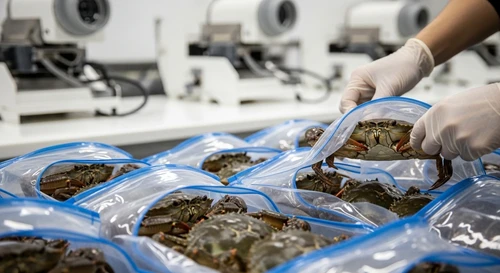
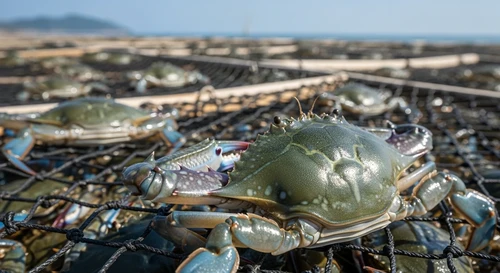
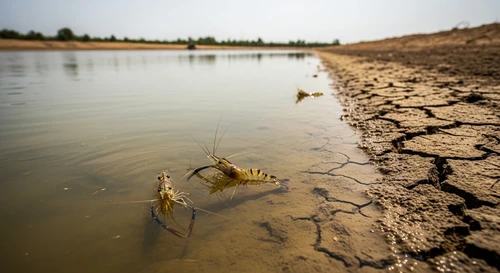
" The Mekong Delta. A vast, intricate network of rivers and canals, the lifeblood of Vietnam's agricultural and aquaculture bounty. For generations, its fertile embrace has yielded sustenance, but lately, a shadow has fallen over its once-thriving crab farms. "
1 The Unseen Enemy: A Bacterial Onslaught
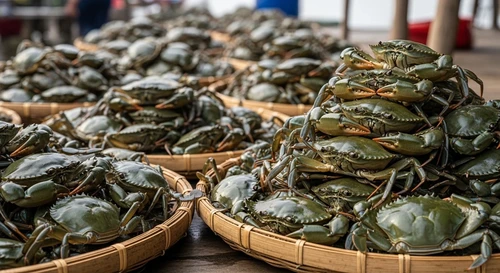
In the coastal waters of South Central Vietnam, from the provinces of Phu Yen down to Ninh Thuan, blue crabs have long been a cornerstone of local economies. These marine crustaceans, often farmed in open-ocean cages, represent not just food, but a way of life. However, a virulent bacterial outbreak, identified by its signature "black spot disease," is decimating these vital aquaculture operations.
This isn't a slow creep; it's a swift, brutal invasion. The disease, caused by pathogens like Vibrio species, attacks the crab's exoskeleton, leading to characteristic dark lesions. These spots are not just cosmetic; they are a tell-tale sign of severe infection and internal damage. As the bacteria proliferate, they lead to rapid shell deterioration, organ failure, and ultimately, mass mortality. What were once bustling farms are now scenes of heartbreaking loss.
Symptoms
The most visible sign is the appearance of black or dark brown spots on the crab's shell. These lesions can spread, weaken the shell, and indicate deep tissue infection.
Pathogens Involved
Primarily bacterial infections, with Vibrio spp. being major culprits. Environmental stress, poor water quality, and high stocking densities can exacerbate outbreaks.
2 A Taste of the Delta: More Than Just Seafood
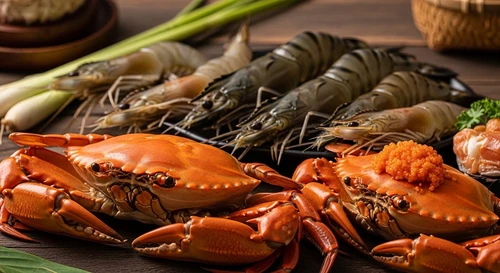
While this particular crisis is focused in South Central Vietnam, the impact reverberates throughout the nation's culinary landscape, especially in the Mekong Delta. The delta, with its fertile floodplains and extensive coastline, is the nation's food basket, and crab farming is a critical component of its economy and culture. From the prized mud crabs of Ca Mau, known for their dense, sweet meat and rich roe, to the smaller, more common species, crabs are a symbol of abundance and a staple in local diets.
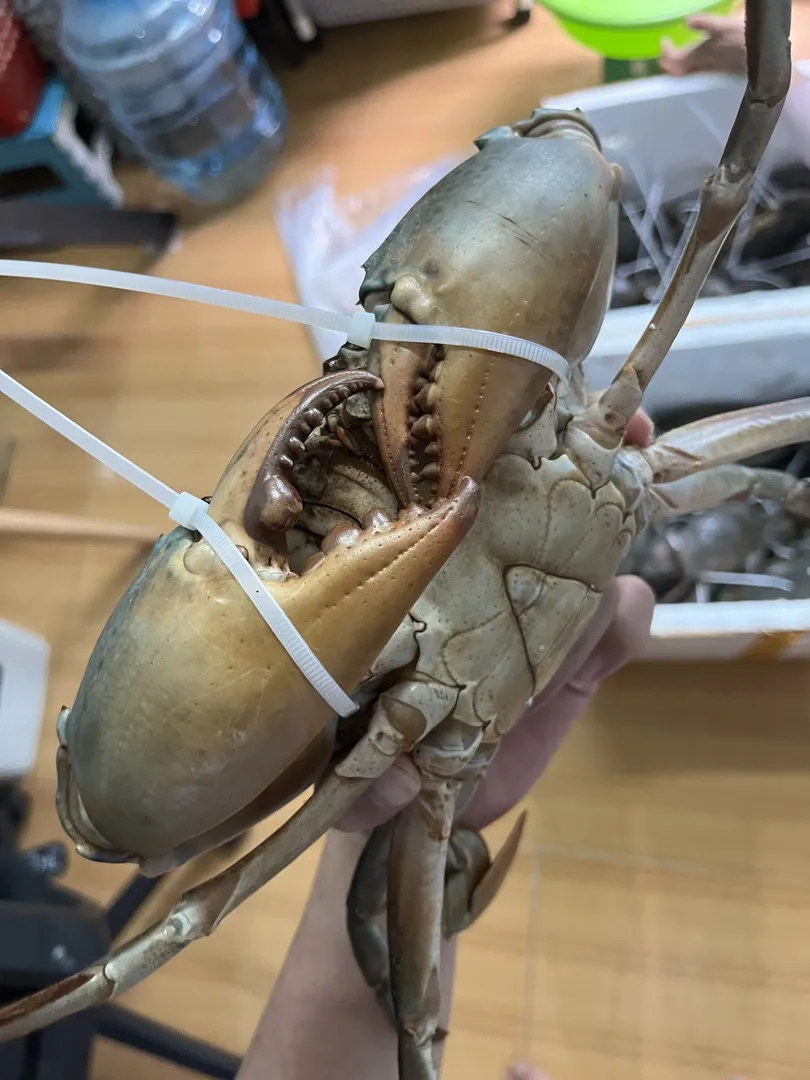
Heritage Ingredient
Ca Mau Jumbo Mud Crab
Ca Mau Jumbo Mud Crab
A large male mud crab prized for dense, sweet meat and thick claws, commonly used in steamed crab and grilled crab dishes across the Mekong Delta.
An icon of coastal culinary heritage, featuring firm, sweet meat that captures the raw power and freshness of Ca Mau's tides.
Heritage Ingredient
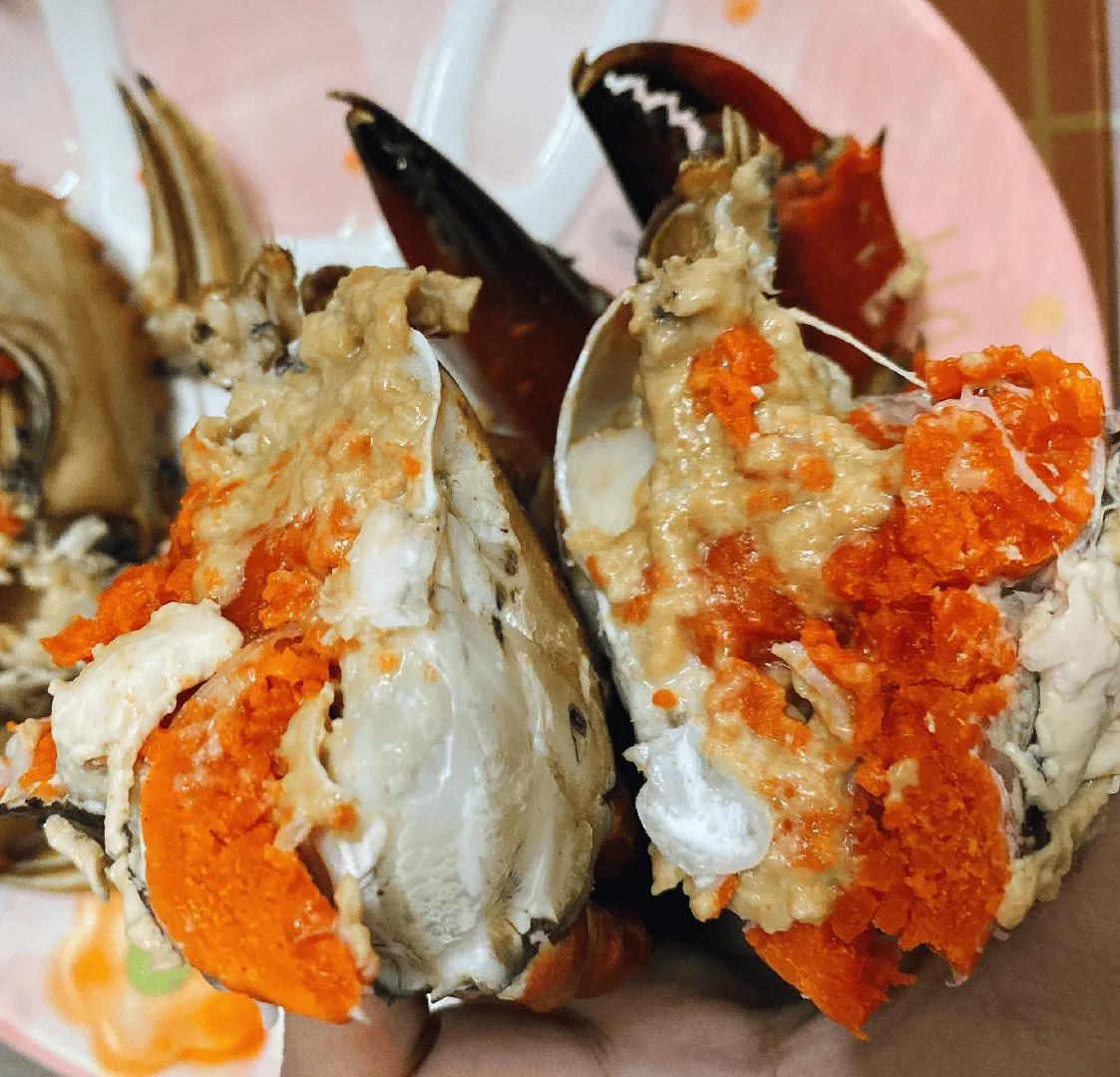
Ca Mau Roe Mud Crab
Ca Mau Roe Mud Crab
A female mud crab known for deep orange roe and a rich, creamy finish, often featured in celebratory Southern Vietnamese seafood meals.
A crimson treasure hidden within a shell, boasting rich, creamy roe that melts on your tongue like a golden sunset over the delta.
Heritage Ingredient
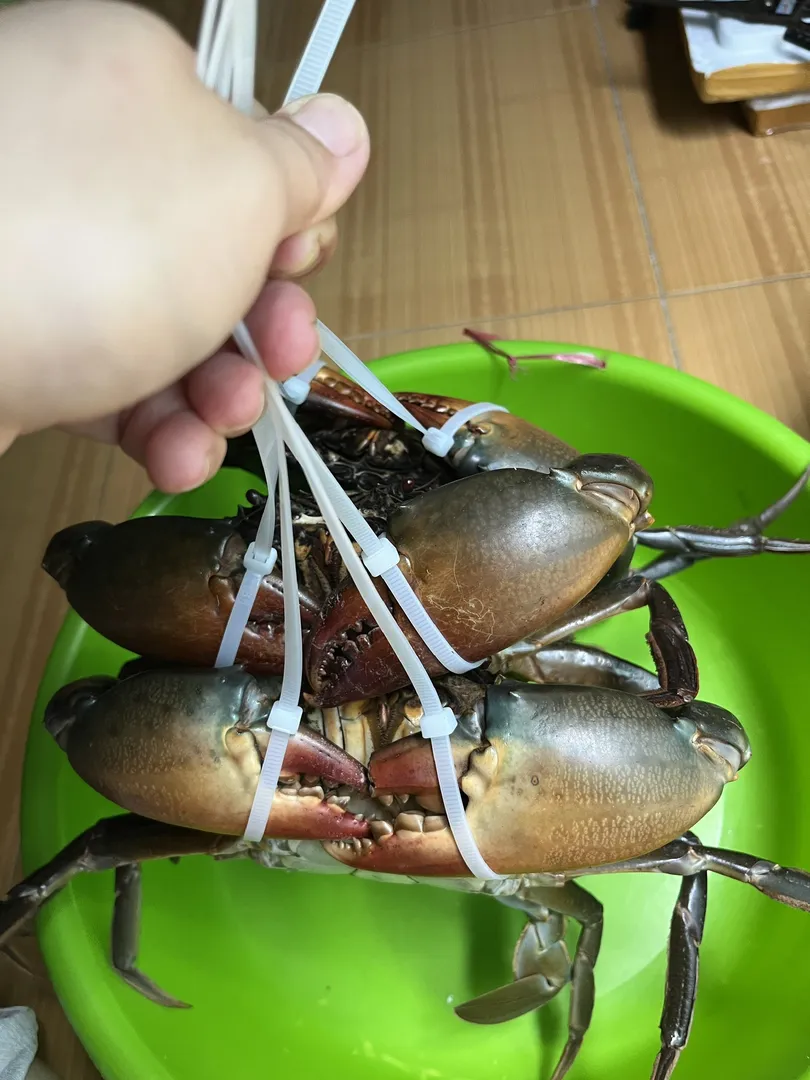
Giant Ca Mau Mud Crab
Giant Ca Mau Mud Crab
A larger export-grade mud crab with dramatic claws and thick meat, often used to illustrate oversized crab categories in Vietnamese seafood markets.
A titan of the ocean, offering colossal claws filled with muscular, succulent meat that elevates every feast into a royal experience.
In the Mekong Delta, crab is prepared in countless ways: steamed with beer and lemongrass, braised in tamarind sauce, added to rich noodle soups like Banh Canh, or even fermented as a regional delicacy. The quality of these dishes, however, hinges entirely on the freshness and health of the crab. The current disease outbreak not only threatens the livelihoods of farmers but also the very integrity of these cherished culinary traditions. A sick crab can never be the star of a perfect seafood feast.
3 Facing Ruin: The Human Cost of the Outbreak
For the fishermen and farmers who stake their entire existence on these crustaceans, the black spot disease is an economic catastrophe. Crab farming, particularly in open-ocean cages, requires significant investment in infrastructure, feed, and labor. When an outbreak occurs, entire harvests can be wiped out in a matter of days, leaving farmers with nothing but debt and despair.
These are often generational businesses. Families have honed their skills over decades, understanding the tides, the currents, and the subtle nuances of nurturing healthy crabs. The sudden arrival of this aggressive pathogen forces them into a crisis: how to adapt, how to protect their remaining stock, and whether they can even afford to rebuild. The ripple effect extends beyond the farm gate, impacting local markets, processing plants, and the entire seafood supply chain.
Key Economic Impacts:
- Loss of Income: Immediate and devastating financial losses for farmers.
- Reduced Supply: Affecting domestic markets and potentially export volumes.
- Increased Costs: Efforts to combat disease or restock farms are expensive.
- Job Insecurity: Threatening employment for those in related industries.
4 Fighting Back: Science and Strategy
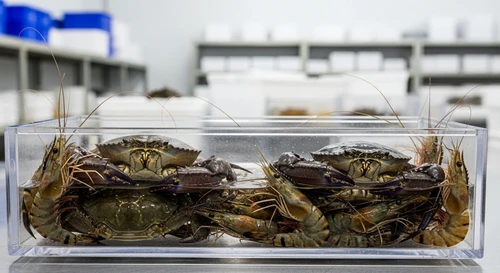
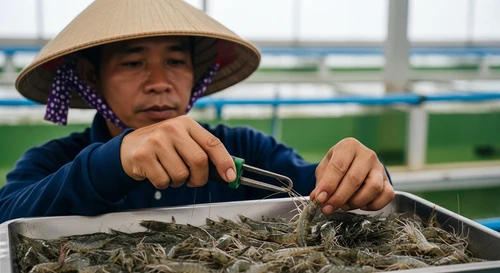
The battle against black spot disease is multifaceted, involving a coordinated effort from scientists, aquaculture experts, and government agencies. The immediate priority is diagnosis and containment. This involves rapid testing of affected crabs, monitoring water quality, and advising farmers on biosecurity measures.
Research is underway to identify the most effective treatments and preventative strategies. This can include the use of probiotics, carefully managed antibiotic treatments (though resistance is a growing concern), and improvements in farming practices. Understanding the environmental triggers – such as temperature fluctuations, salinity changes, and pollution – is crucial to preventing future outbreaks.
Current Strategies Include:
- Water Quality Monitoring: Regular checks for pathogens and environmental stressors.
- Biosecurity Protocols: Limiting movement between farms and disinfecting equipment.
- Disease-Resistant Stock: Research into breeding crabs with higher natural immunity.
- Veterinary Support: Providing advice and treatment options to farmers.
- Early Detection Systems: Training farmers to recognize early signs of infection.
5 Beyond the Catch: A Call for Sustainable Aquaculture
The devastation wrought by black spot disease serves as a stark reminder of the vulnerabilities inherent in aquaculture, especially in coastal regions like Vietnam's. While these open-ocean farms offer a connection to the natural environment, they also expose the crabs to a wider array of pathogens and environmental changes.
This crisis is a catalyst for re-evaluating current practices. It underscores the need for more sustainable aquaculture models that prioritize ecological balance, robust biosecurity, and farmer education. Investing in research, promoting responsible farming techniques, and supporting the resilience of these coastal communities are not just agricultural imperatives; they are essential for preserving the cultural and culinary heritage of the Mekong Delta and beyond.
The future of Vietnam's crab industry, and by extension, the future of its beloved seafood dishes, depends on addressing this challenge head-on, with a blend of scientific innovation and a deep respect for the marine ecosystems that sustain them.
6 Resilience and Renewal
Despite the current hardship, the spirit of resilience in Vietnam's coastal communities is strong. Fishermen and farmers are not merely succumbing to the disease; they are actively seeking solutions, sharing knowledge, and adapting their methods. The challenges are immense, but the drive to recover and rebuild is palpable.
Initiatives are emerging to help farmers manage the crisis, from financial aid to technical assistance. The hope is that by pooling resources and expertise, the industry can weather this storm and emerge stronger. The blue crab, a symbol of prosperity and a vital part of Vietnam's gastronomic identity, is worth fighting for. The Mekong's bounty, though tested, has a deep-rooted capacity for recovery.
7 Charting a Course for the Future
The current crisis compels a long-term view. Sustainable aquaculture practices are no longer a choice but a necessity. This involves transitioning towards farming methods that minimize environmental impact, enhance disease resistance, and ensure the well-being of both the animals and the communities that depend on them.
This could mean exploring integrated multi-trophic aquaculture (IMTA) systems, where different species are farmed together to utilize waste products, or investing in land-based or semi-intensive systems that allow for better disease control. Furthermore, strengthening supply chain traceability and educating consumers about the provenance of their seafood will be crucial in building a more resilient and responsible industry.
8 The Enduring Spirit of Vietnam's Coastal Harvest
The story of the black spot disease is a sobering one, highlighting the delicate balance between human enterprise and the natural world. It's a reminder that the seemingly endless bounty of the ocean is fragile and requires our utmost care and attention. As the waters of South Central Vietnam and the wider Mekong region continue to churn, the resilience of its people and the enduring importance of its aquaculture will undoubtedly shape the future of its coastal harvest. The journey from river mouth to dinner plate is a complex one, fraught with challenges, but always anchored by a deep connection to the land and sea.