" They call them 'Tôm Hùm Đất'. The "Land Lobster." A species not native to these waters, yet its fiery red shell has become an all-too-familiar sight, braised, grilled, and fried under the humid Mekong sky. It's a delicious contradiction. "
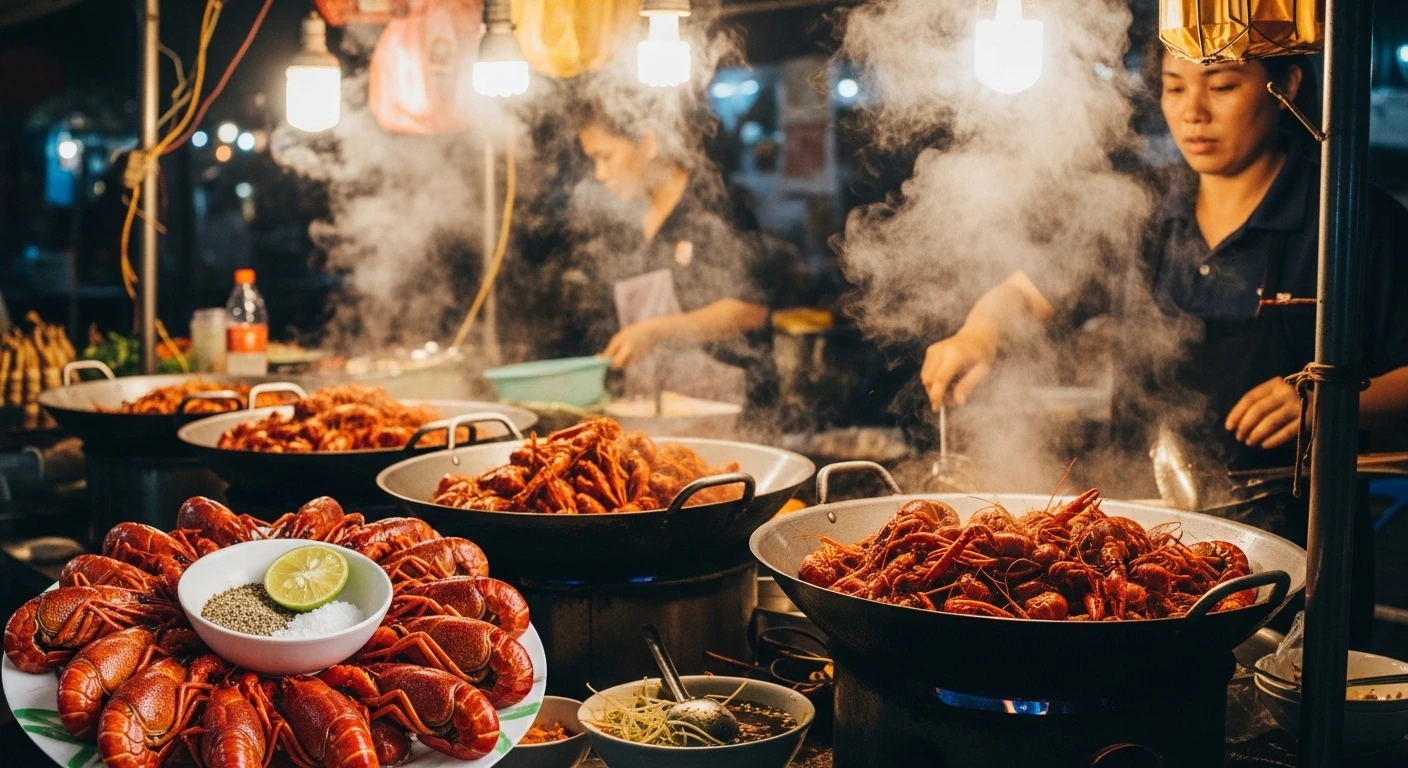
📸 A familiar sight: The unmistakable crimson of crawfish on a bustling Mekong night market stall.
1 The Unwelcome Guest: A Threat to the Delta
The Red Swamp Crawfish (Procambarus clarkii), a darling of Louisiana kitchens, has found an unlikely second home in the fertile paddies and canals of Vietnam's Mekong Delta. Its rapid proliferation, however, is not a culinary triumph but an ecological disaster in the making.
These crustaceans are masters of adaptation. They burrow deep into riverbanks and rice field dikes, weakening their structure and leading to collapses that flood valuable agricultural land. Their voracious appetite means they consume crops, aquatic vegetation, and even the eggs of native fish, disrupting the delicate balance of the delta's ecosystem. The Vietnamese government, recognizing the grave threat to local rice and aquaculture, has banned their sale and cultivation. Yet, as is often the case with forbidden delicacies, enforcement is a challenge, and the lure of a cheap, spicy snack keeps them in circulation.
Ecological Impact
Weakening of dikes and embankments, damage to rice paddies, competition with native species, and potential for disease transmission.
Regulatory Crackdown
Official ban on breeding, trading, and consumption due to the severe threat to native agriculture and biodiversity.
2 A Culinary Paradox: From Pest to Popular Snack
Despite the official prohibition, the vibrant street food scene of the Mekong Delta, particularly in provinces like Can Tho, Soc Trang, and along the coastal areas, continues to offer crawfish. These stalls, often set up as dusk falls, are where the real story unfolds. The crimson shells, piled high, are a beacon for those seeking a quick, flavorful, and inexpensive bite.
Sellers, often operating in the grey areas of the law, prepare crawfish in ways that have become beloved street food staples: braised in spicy chili and lemongrass, stir-fried with garlic butter, or simply boiled and served with a salt-pepper-lime dip. The sheer availability and low cost make them an attractive option, especially for younger crowds and laborers looking for a satisfying snack. The very invasiveness that makes them a threat also makes them prolific and easy to acquire, fueling this illicit trade.
Popular Preparations
- Tôm Hùm Đất Rang Me (Tamarind Braised Crawfish): Sweet, sour, and spicy.
- Tôm Hùm Đất Luộc Sả Ớt (Boiled with Lemongrass & Chili): Simple, potent, and aromatic.
- Tôm Hùm Đất Chiên Tỏi Bơ (Fried with Garlic Butter): Rich and indulgent.
The Appeal
- Affordability: Significantly cheaper than native shrimp or crab.
- Flavorful: Absorbs marinades and spices well.
- Convenience: Readily available at night markets and roadside stalls.
3 A Glimpse into the Night Markets
Imagine a humid evening in Can Tho. The sun has dipped below the horizon, and the air is thick with the scent of exhaust fumes, ripe fruit, and the irresistible aroma of street food. Along the Nguyen An Ninh or Dong Khoi street, the temporary kitchens come alive. Woks sizzle, grills glow, and steam billows from pots of seasoned crawfish.
Vendors, often with a knowing wink, will serve up their forbidden bounty. They'll shout out their offerings in local dialect, the words "tôm hùm đất" carrying both a sense of illicit thrill and culinary familiarity. For many locals, this isn't about environmental impact; it's about a cheap, tasty, and social way to unwind after a long day. The bright red shells, the succulent meat, the accompanying dips – it's a sensory experience that’s hard to resist, even when you know it’s technically off-limits. The authorities conduct raids, but the trade persists, a testament to the enduring power of street food culture and economic necessity.
The Crawfish Itself
These aren't the massive lobsters from the ocean, but they are robust. The "Red Swamp Crawfish" are identifiable by their deep red exoskeleton when cooked, and a distinctive "claw-like" appendage that makes them distinct from shrimp. They offer a texture somewhat akin to shrimp but with a slightly more pronounced, almost earthy, flavor that readily absorbs the bold spices of Vietnamese street food.
Heritage Ingredient
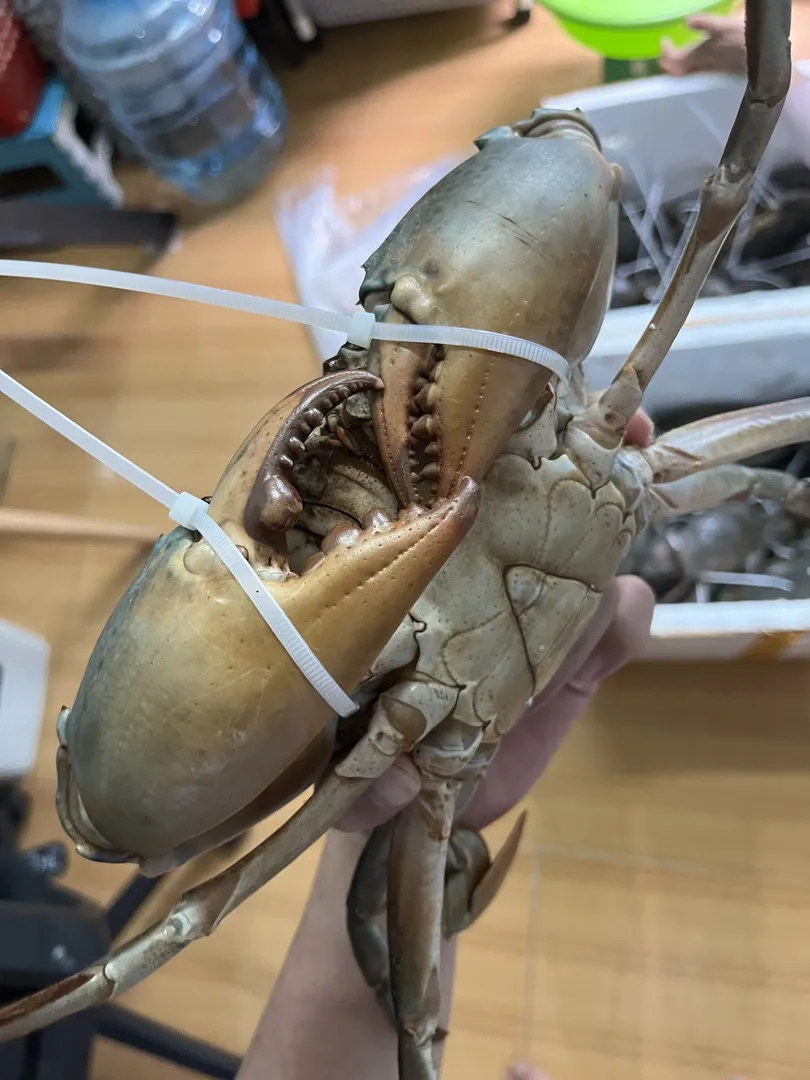
Ca Mau Jumbo Mud Crab
Ca Mau Jumbo Mud Crab
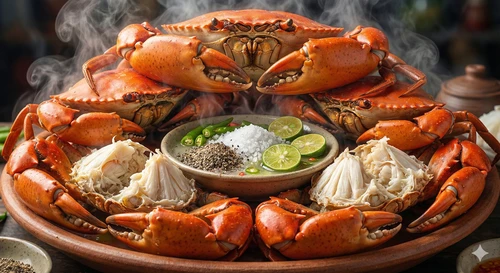
A large male mud crab prized for dense, sweet meat and thick claws, commonly used in steamed crab and grilled crab dishes across the Mekong Delta.
An icon of coastal culinary heritage, featuring firm, sweet meat that captures the raw power and freshness of Ca Mau's tides.
Heritage Ingredient
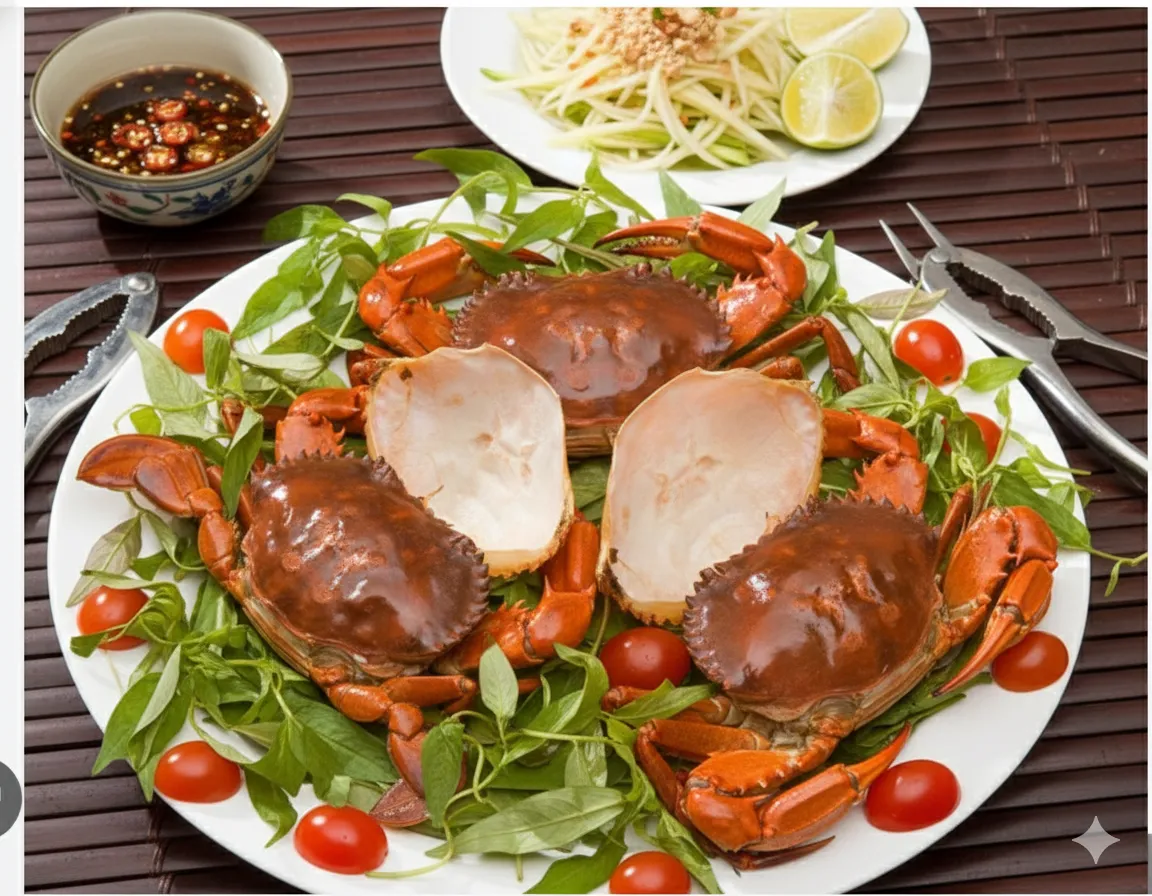
Soft-Shell Butter Crab (Molting Crab)
Soft-Shell Butter Crab (Molting Crab)
A rare molting mud crab from Ca Mau, valued for its edible soft inner shell and exceptionally creamy roe, making it the closest local equivalent to soft-shell crab concepts familiar abroad.
Nature's rare masterpiece—a delicate transition where a soft inner layer protects golden, custard-like roe in a fleeting moment of flavor.
4 Taste of Rebellion: How Do They Really Taste?
When prepared by skilled street vendors, the banned crawfish are surprisingly delicious. Their size might be modest, but their flavor can punch well above their weight. The key lies in the bold marinades and cooking methods that overcome any potential subtle aquatic flatness and, crucially, mask the origin.
The most common preparation, Tôm Hùm Đất Rang Me (Tamarind Braised Crawfish), showcases this perfectly. A sweet, tangy, and spicy tamarind sauce coats the bright red shells, creating a sticky, finger-licking glaze. The heat from chilies and the fragrant kick of lemongrass cut through any richness, making each bite addictive. Dip them in the classic Vietnamese salt-pepper-lime mixture, and you have a snack that rivals any of the delta's official delicacies.
The Dipping Sauce is Crucial
Just like with shrimp or crab, a good dipping sauce elevates the experience. The Vietnamese Muối Tiêu Chanh (Salt, Pepper, Lime) is the go-to:
5 Caught in the Net: The Illegal Trade
The presence of banned crawfish highlights the challenges of environmental regulation in a region as vast and complex as the Mekong Delta. While authorities make efforts to curb the trade through raids and awareness campaigns, the sheer scale of the delta's waterways and the economic incentives for both sellers and consumers make complete eradication difficult.
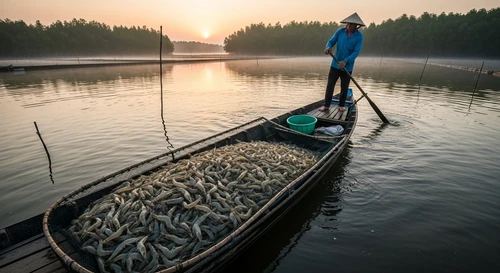
Small-scale farmers might find crawfish breeding a tempting, albeit illegal, side venture, especially given the high demand. The price difference between banned crawfish and native, legally farmed seafood like shrimp (think of the beautiful Ca Mau Black Tiger Shrimp) or the prized mud crabs from Ca Mau (Jumbo Mud Crab, Ca Mau Roe Mud Crab) makes the cheaper, invasive option highly competitive in the informal market.
6 Beyond the Plate: The Long-Term Cost
While the taste of these illicit crawfish is undeniable, it's crucial for consumers and authorities to remember the significant environmental cost. The long-term health of the Mekong Delta's unique ecosystem and its traditional agricultural livelihoods depend on controlling invasive species.
For travelers and food enthusiasts, understanding this context is key. Enjoying the local cuisine is a vital part of experiencing Vietnam, but choosing sustainable, legally sourced ingredients supports the preservation of the very culture and environment that make the Mekong Delta so special. Perhaps opt for the succulent Fermented Mangrove Crab from Rach Goc, or the expertly prepared local fish like the Ca Mau Mudskipper, which are integral to the region's food heritage and ecological sustainability.
7 Sustaining the Source: Looking Ahead
The story of the banned crawfish is a microcosm of the broader challenges facing the Mekong Delta's food systems: balancing tradition with modernization, economic pressures with environmental stewardship, and the allure of the familiar with the risks of the new. As the region continues to adapt to climate change and global markets, the choices made today regarding aquaculture, species management, and food sourcing will shape its culinary future.
The ultimate goal must be to protect the rich biodiversity and agricultural heritage that define this vital delta. By supporting sustainable practices and making informed choices, visitors and locals alike can help ensure that the Mekong Delta's natural bounty, from its famed crabs to its abundant fish, continues to thrive for generations to come.
When in the Delta: Safer, Sustainable Choices
🦀 The King of the Delta: Mud Crabs
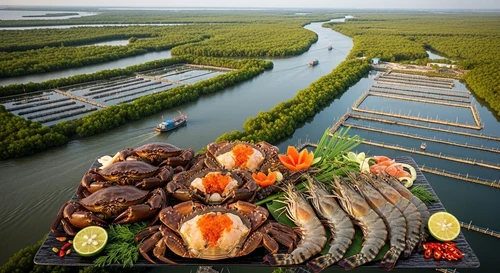
🦐 Mighty Prawns from Mangroves & Rivers
🐟 Freshwater Fish Wonders
Further Reading on Mekong Cuisine
View More Buyer's Guide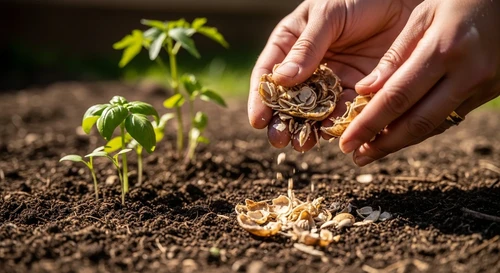
Recycling Crab Shells for Garden
Turn waste into calcium-rich fertilizer.
Safe Eating: Avoiding Food Poisoning
What not to eat with crab (Persimmons, Tea?).
Vietnamese Shrimp Exports to the US Face Anti-Dumping Tariffs
An update on international trade policies and how local whiteleg shrimp farmers are adapting to new tax regulations.
Vietnam's Seafood Export Goals for 2026: A $10 Billion Vision
Economic insights into how premium products like mud crabs and tiger shrimp are driving Vietnam's agricultural economy.
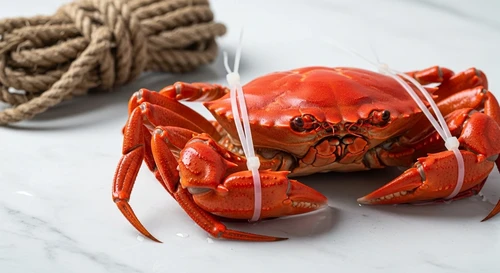
Zero-Weight Tying Strings: A New Standard for Vietnamese Seafood
How major seafood brands are building consumer trust by replacing heavy mud-soaked ropes with ultra-thin plastic zip ties.
Global Seafood Trends 2026: Why Gen Z Demands Sustainable Sourcing
An analysis of the changing global consumer market. Why the transparent sourcing of Ca Mau crab matters more than ever.
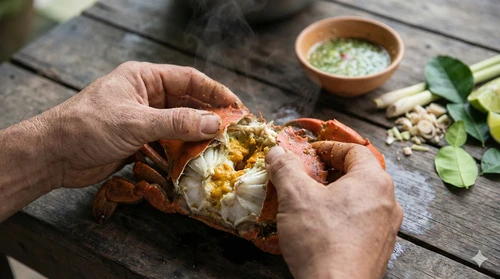
How to Eat Mud Crab Like a Pro
Extract every bit of meat without wasting anything.

AI and Robotics in Vietnam's Crab Farming: The Future is Here (2026)
How local startups are using artificial intelligence and robotic arms to increase crab survival rates to 95% while meeting export standards.
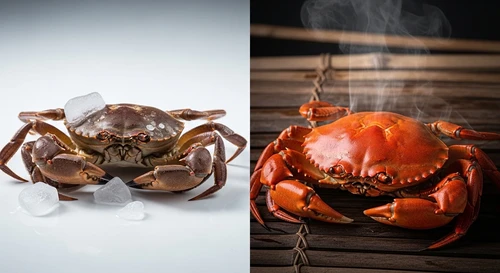
Imported Brown Crab (Ireland) vs. Local Ca Mau Crab: A Market Analysis
Why cheap frozen European brown crabs are flooding Vietnamese supermarkets and how local farmers are responding.