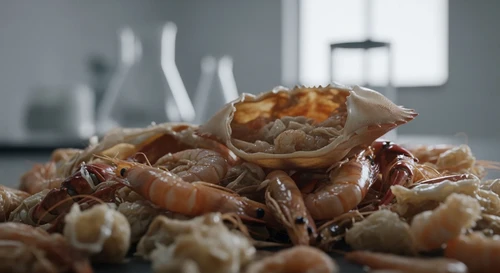
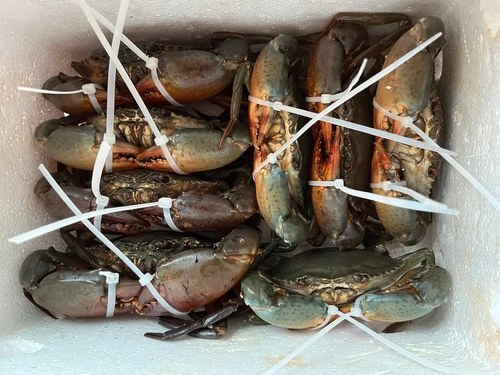
" In the vibrant, chaotic ballet of a Mekong Delta market, survival often hinges on a keen eye and a healthy dose of skepticism. This isn't about malice, necessarily; it's about the age-old dance between vendor and buyer, where presentation can sometimes obscure reality. "
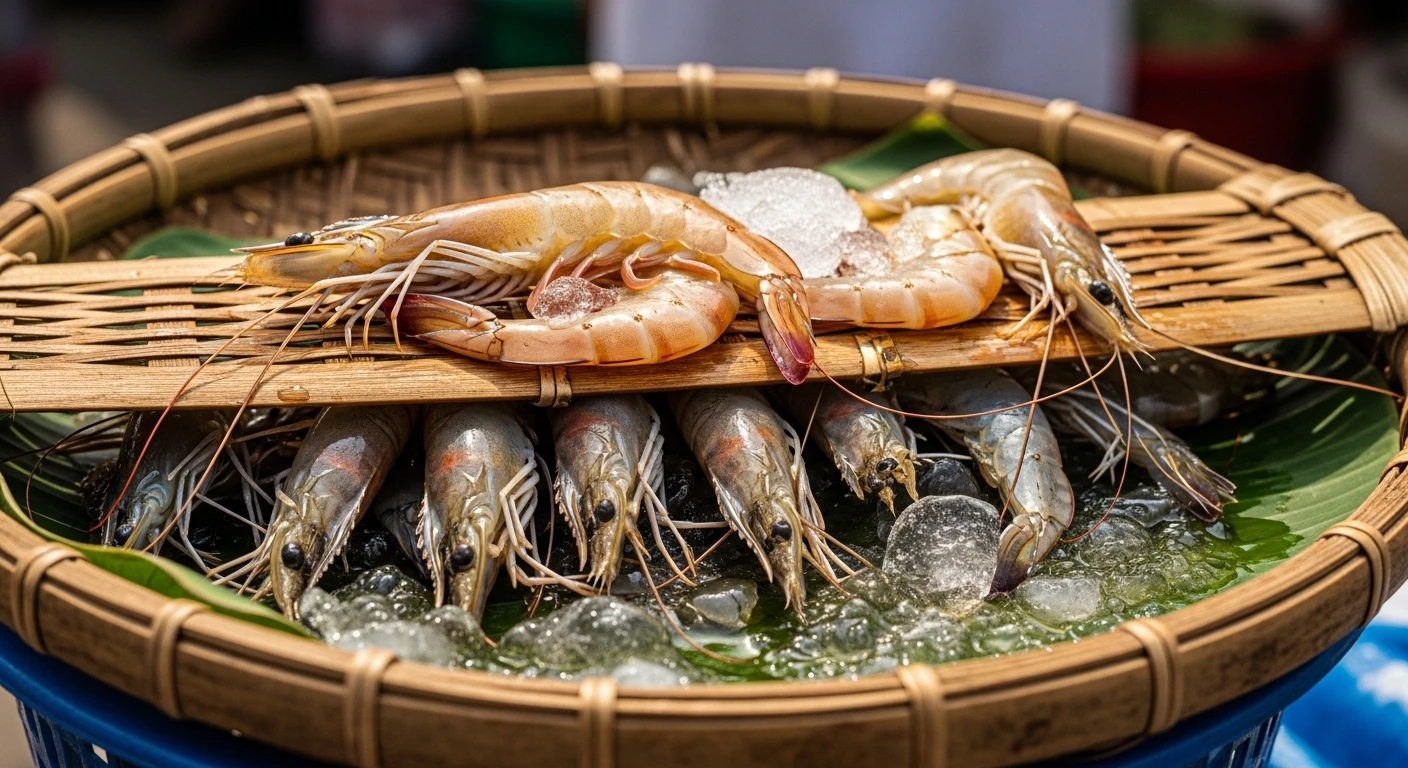
📸 The deceptive allure: A few lively shrimp masking a less-than-ideal reality below.
1 The Art of the Layered Basket
Walk through any bustling seafood market in the Mekong Delta, especially the smaller, more traditional ones, and you'll see them: baskets piled high with what appears to be a vibrant haul of fresh shrimp. They practically leap out at you, the promise of sweet, succulent flesh just begging to be grilled, steamed, or stir-fried. But herein lies the subtle art of deception that can catch the unwary traveler.
The tactic is simple, yet effective. A vendor will carefully arrange the top layer of their basket with the most appealing specimens – plump, bright-hued shrimp that are still alive and kicking, or at least appear so. These "jumpers" are the showpieces, designed to draw you in, to signal freshness and quality at first glance. The ice might be strategically placed, not necessarily to keep everything perfectly chilled, but to create a visually appealing bed that can also help prop up the top layer.
Beneath this carefully curated facade, however, a different story often unfolds. Underneath the few lively shrimp, the bulk of the catch might be less… vigorous. Here you'll find prawns that have been dead for a while, their shells losing their vibrant sheen, their flesh becoming mushy. They might be mixed with layers of crushed ice, not to preserve freshness, but to fill space and mask the olfactory evidence of decay. The water pooling at the bottom of the basket often carries the unmistakable odor of decomposition.
2 Identifying the Deception: A Mekong Delta Perspective
In the Mekong Delta, shrimp are not just food; they are a way of life. From the vast mangrove farms of Ca Mau, where species like the Ca Mau Black Tiger Shrimp thrive, to the freshwater rivers yielding the prized Mekong Giant Freshwater Prawns, the region's identity is intrinsically linked to its aquatic bounty. Understanding this context makes the prevalence of such market tricks all the more poignant.
So, how do you, the discerning traveler or food enthusiast, spot this common scam?
The Smell Test
This is your most powerful weapon. Take a deep whiff. Fresh seafood has a clean, briny smell. Anything pungent, ammonia-like, or overtly "fishy" is a red flag. The decay of dead shrimp releases volatile compounds that no amount of ice can fully mask.
Visual Clues
Examine the shrimp beneath the top layer. Are they uniformly bright and plump? Or do you see duller shells, possibly broken or bent, and heads that are beginning to detach or darken? The common Whiteleg Shrimp, for instance, should still retain a healthy translucence and firm texture.
The Ice Factor
Is the ice clean and plentiful, or is it slushy, dirty, and barely covering the shrimp? Excessive melting ice can indicate the shrimp have been sitting out longer than they should have. Vendors might use ice not just for cooling, but to create a visual buffer.
The Vendor's Demeanor
A vendor who is evasive, quickly covers their basket when you approach, or pressures you to buy without letting you inspect, might be hiding something. Confidence and transparency are usually good signs.
3 Beyond the Surface: Consumer Vigilance
While some might dismiss this as a minor street vendor trick, it speaks to a larger theme of consumer vigilance, especially in vibrant, less regulated market environments. The Mekong Delta, with its rich biodiversity and traditional trading methods, can be a place of incredible culinary discovery, but it's also a place where education and awareness are key for travelers.
This isn't about condemning all vendors. Many are honest, hardworking individuals who take pride in their produce. However, like any market worldwide, there are those who employ less-than-ideal tactics to maximize profit. For the traveler, understanding these practices is not about suspicion, but empowerment. It's about ensuring you get the quality you expect and pay for, and in doing so, supporting vendors who operate with integrity.
When you're navigating the lively markets, especially those along the Bassac or Mekong rivers, keep these simple tips in mind. A few moments of careful inspection can save you from a disappointing meal and ensure your culinary adventures in Vietnam remain as authentic and delicious as intended.
What Constitutes "Fresh"?
The definition of "fresh" in a tropical market can be fluid. However, for shrimp, it generally implies:
Appearance
Bright, iridescent shells. Firm bodies. Intact appendages.
Texture
When raw, they should feel firm to the touch, not mushy or slimy.
Smell
A clean, oceanic aroma. No ammonia or strong fishy odor.
In regions like Ca Mau, where fishing is a primary livelihood, ice is crucial. However, its application is key. If it's merely a thin layer or melted slush, it's likely a cosmetic measure rather than a true preservation technique.
The Livelihood Behind the Market
The markets are the pulsating heart of Vietnamese commerce, and nowhere is this more evident than in the Mekong Delta. Here, life revolves around the rhythms of the river and the sea. Shrimp farming and fishing are not just industries; they are traditions passed down through generations. Families from the coastal areas of Ca Mau and the islands of Kien Giang depend on the consistent, healthy yield of their catches.
When we encounter such market practices, it's useful to remember the complex ecosystem at play. While we must be vigilant consumers, we also understand that for many, a single day's sales can make or break a livelihood. The ideal scenario is one where both vendor and buyer benefit from fair trade, built on trust and transparency. Learning to discern quality for yourself is part of engaging respectfully with this rich culture.
Consumer Vigilance: Beyond the Shrimp Basket
This particular scam is just one example of how presentation can mislead. In broader seafood markets, consumers should always be aware of:
- Fish dyed to look fresher: Sometimes, fish can be treated to enhance color. Look for natural vibrancy, not artificial gloss.
- Frozen sold as fresh: Often, fish that has been frozen and thawed might be presented without proper disclosure. Examine texture and smell.
- Misleading weights: Ensure scales are visible and zeroed.
- "Premium" products: Understand what makes a product premium. Is it size, species, origin, or just marketing?
By being informed, you not only protect yourself but also contribute to a marketplace that values honesty and quality.
The Star Ingredients of the Mekong
While shrimp scams exist, the Mekong Delta is home to some of the world's most exquisite seafood. Understanding what *truly* fresh looks like is key:
Heritage Ingredient
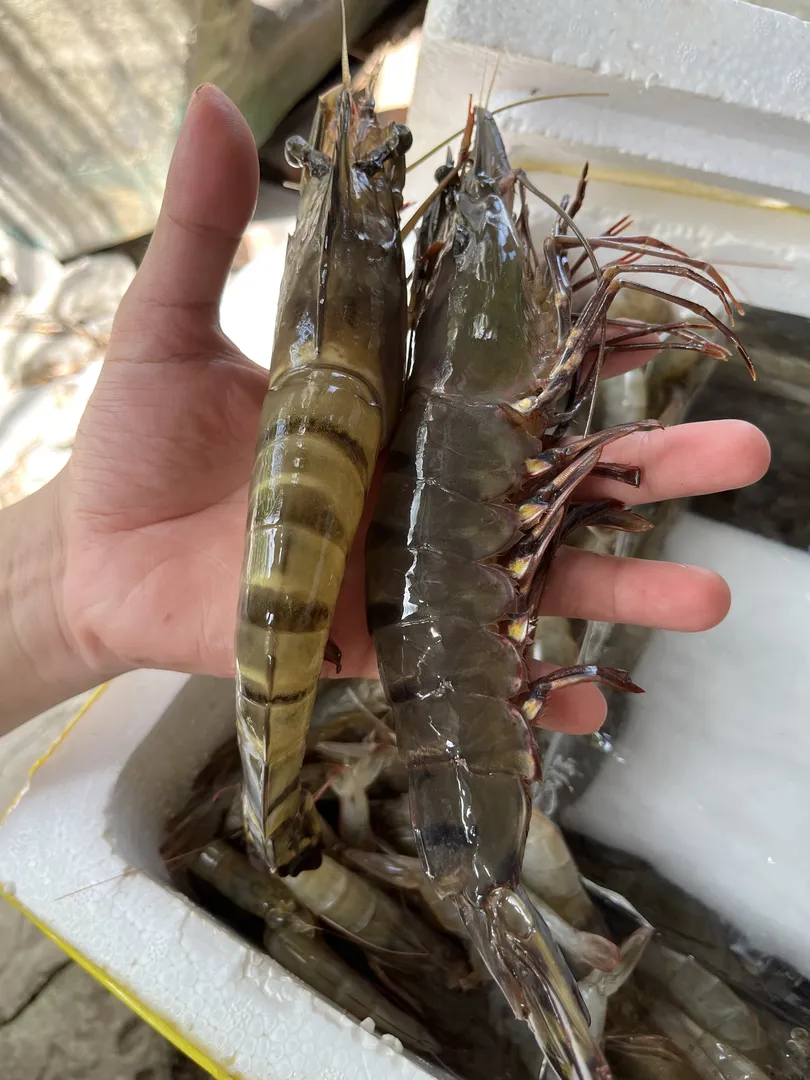
Ca Mau Black Tiger Shrimp
Ca Mau Black Tiger Shrimp
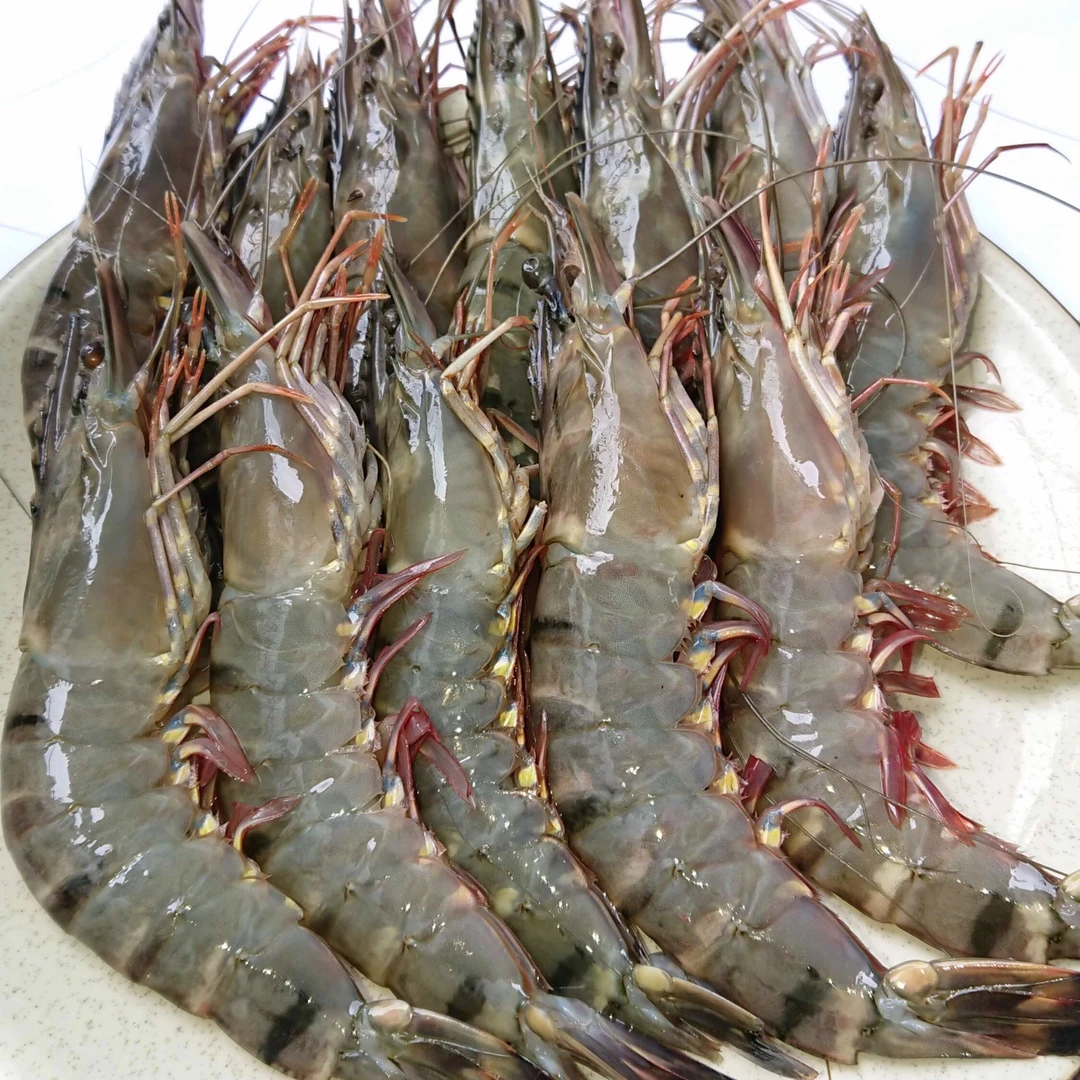
Large black tiger shrimp associated with mangrove aquaculture in Ca Mau, known for firm flesh and a cleaner, sweeter finish than intensively farmed shrimp.
Wild spirits of the mangroves, these black-banded gems deliver a firm, snappy texture and a sweetness that echoes the forest's vibrant life.

Heritage Ingredient
Mekong Giant Freshwater Prawn
Mekong Giant Freshwater Prawn
A river prawn with long blue claws and rich head fat, common in grilled prawn dishes and hotpot traditions across the Mekong basin.
Majestic blue-clawed warriors of the Mekong, famous for their rich, fatty heads and a savory depth that captures the essence of the delta's rivers.
Heritage Ingredient
Whiteleg Shrimp
Whiteleg Shrimp
A widely used shrimp in Vietnamese home kitchens, suitable for stir-fries, soups, steamed dishes, and practical cooking articles that need a familiar shrimp reference.
Translucent jewels of the coast, thin-shelled and remarkably sweet, making every simple home meal feel like a seaside celebration.
Learned Your Lesson?
Now that you're a savvy shopper, how about learning to cook with confidence?
💡 Master Grilled Shrimp