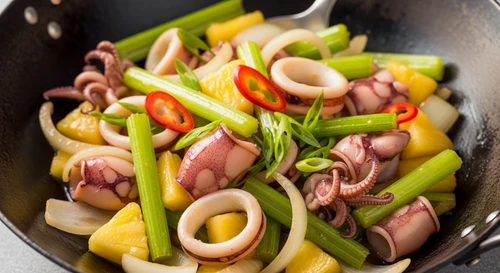
" Forget delicate appetizers. When the rain drums on the corrugated tin roof of a Mekong riverside shack, the soul craves something primal, something with *oomph*. Something that tastes like the very earth and water it came from. "
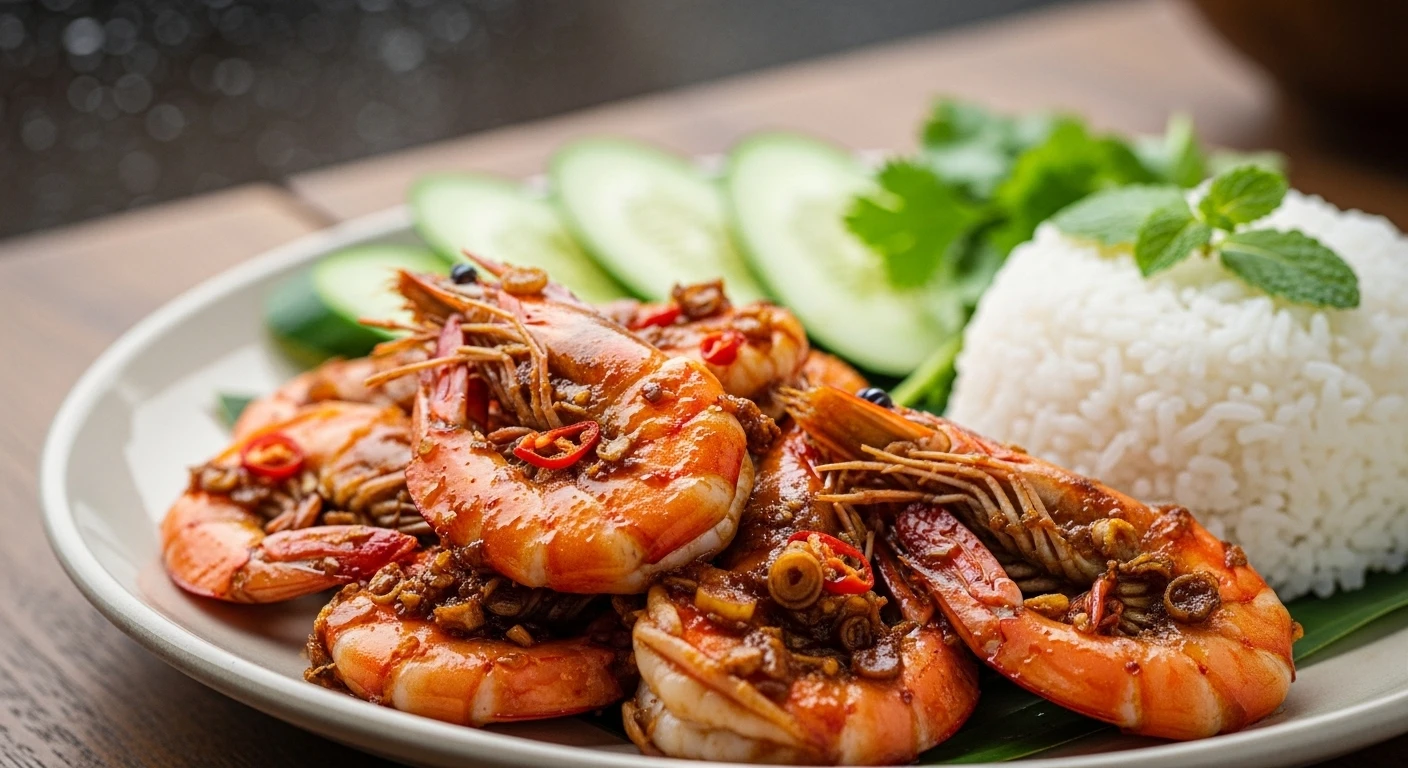
📸 The magic is in the crunch and the intense fragrance.
1 The Mekong's Rainy Day Pantry
The Mekong Delta, a tapestry of rivers, canals, and verdant plains, is a place where food is deeply intertwined with the rhythm of nature. When the skies weep, the local kitchens don't lament; they rejoice. This is the time for dishes that harness preserved flavors, bold aromatics, and the bounty of the sea and land.
Shrimp paste, or 'mam ruoc' / 'mam tom' in Vietnamese, is a cornerstone of this pantry. Fermented to an intense, pungent depth, it's a flavor enhancer that can transform simple ingredients into something utterly compelling. Paired with the bright, invigorating notes of fresh lemongrass and the fiery kiss of chili, it becomes a sauce that clings, infuses, and utterly captivates. And the humble whiteleg shrimp? It’s the perfect vehicle, its crisp shell yielding to the savory embrace of the paste.
The Star: Whiteleg Shrimp
While larger prawns might grace celebratory tables, the ubiquitous whiteleg shrimp is the workhorse of everyday Vietnamese cooking. For this dish, their moderate size is ideal, allowing the shell to crisp up beautifully, becoming an edible vessel for the flavor.
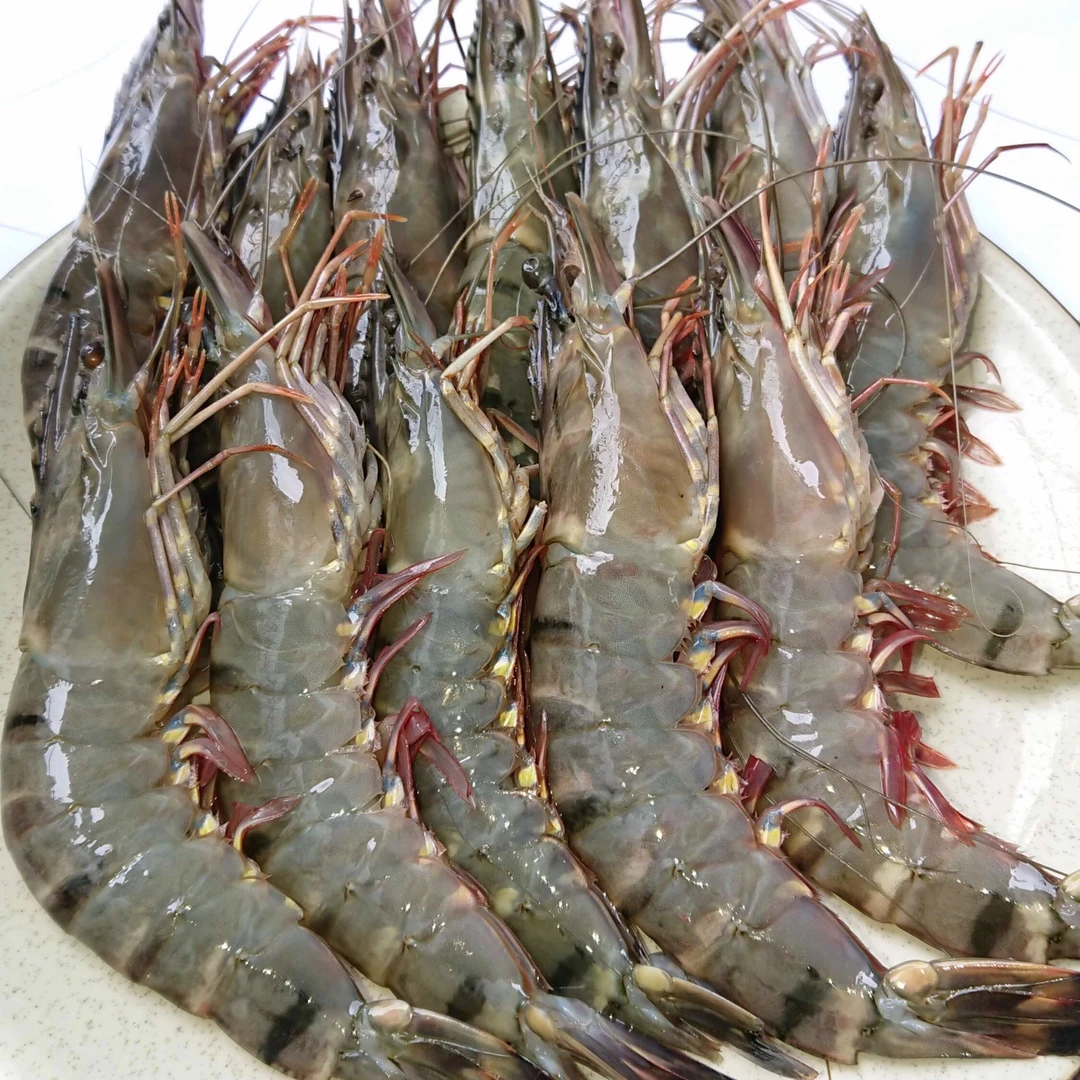
Heritage Ingredient
Whiteleg Shrimp
Whiteleg Shrimp
A widely used shrimp in Vietnamese home kitchens, suitable for stir-fries, soups, steamed dishes, and practical cooking articles that need a familiar shrimp reference.
Translucent jewels of the coast, thin-shelled and remarkably sweet, making every simple home meal feel like a seaside celebration.
The Soul: Shrimp Paste & Lemongrass
Shrimp paste is the soul. Fresh lemongrass provides the vibrant aroma and a hint of citrus. This combination is pure alchemy.

Heritage Ingredient
Fermented Sour Shrimp (Mekong Style)
Fermented Sour Shrimp (Mekong Style)
A Southern Vietnamese fermented shrimp preserve made with garlic, chili, and shredded green papaya, often served with boiled pork, rice paper, or plain rice.
A vibrant dance of flavors—sour, spicy, and sweet—where tender shrimp and crunchy papaya create a masterpiece of Southern preserved heritage.
2 The Power of Pungency
Let’s talk about shrimp paste. For the uninitiated, its aroma can be… challenging. It’s a scent that speaks of fermentation, of the sea’s deep brine, and of time. But within that intensity lies an unparalleled umami depth. It’s not just salty; it’s savory, complex, and utterly addictive.
In the Mekong Delta, shrimp paste is a chameleon. It can be the backbone of a dipping sauce (like *nuoc cham*), the soul of a hearty noodle soup broth (think *bun mam*), or, as in this case, the foundation for a stir-fry that coats every morsel of protein with its concentrated essence.
The key is balance. Minced lemongrass cuts through the richness, its fragrant oils awakening the palate. Fresh chilies add a crucial spicy counterpoint. Garlic, that universal flavor enhancer, is an unspoken partner. When these elements are combined and cooked down, the aggressive edge of the paste softens, transforming into a deeply savory, irresistible glaze.
3 Assembling the Flavor Bomb
The Base
- 500g Whiteleg Shrimp: Medium-sized, deveined, shells on.
- 2-3 tablespoons Shrimp Paste: High quality, preferably from a trusted source. Adjust to taste.
- 3-4 stalks Lemongrass: Finely minced. Use only the tender inner parts.
- 2-3 cloves Garlic: Finely minced.
- 1-2 Fresh Red Chilies: Finely minced (or more, if you dare). Remove seeds for less heat.
- 1 tablespoon Cooking Oil: A neutral oil like vegetable or canola.
- 1 teaspoon Sugar: To balance the saltiness.
- Optional: A splash of water or stock if the paste mixture gets too dry.
For Serving
- Hot Steamed Rice: Essential.
- Fresh Cucumbers: Sliced. Their coolness is the perfect foil.
- Fresh Herbs: Mint, cilantro, or Thai basil for garnish and freshness.
4 The Sizzle and Infusion
Aromatics First
Heat the oil in a wok or large skillet over medium-high heat. Add the minced lemongrass, garlic, and chili. Stir-fry for about 1-2 minutes until fragrant. Be careful not to burn the garlic.
The Paste Goes In
Add the shrimp paste and sugar to the wok. Stir well, breaking up any clumps, and cook for another 1-2 minutes, allowing the paste to meld with the aromatics and slightly caramelize.
Shrimp Time
Add the shrimp to the wok. Toss them vigorously to coat evenly with the paste mixture. Cook for 3-5 minutes, or until the shrimp turn pink and opaque and curl slightly. Don't overcook, or they'll become tough.
The Finish
If the mixture is too dry, add a tablespoon of water or stock. Taste and adjust seasoning if needed. The flavor should be intense, savory, and slightly spicy. Serve immediately.
The Symphony on the Plate 🍚
This dish isn't meant to be eaten in isolation. It's part of a larger culinary experience, designed to be comforting and satisfying, especially on a dreary day.
Steamed Rice
Plain, hot, fluffy jasmine or broken rice is non-negotiable. It's the buffer, the canvas, the starch that anchors the intense flavors.
Cool Cucumbers
The refreshing crunch of raw cucumber slices provides a vital textural and temperature contrast, cleansing the palate between bites of the rich shrimp.
Fresh Herbs
A scattering of fresh mint or cilantro adds a burst of green freshness, lifting the overall profile.
If you can't find good quality fermented shrimp paste, look for brands specifically made for cooking. Some dried versions (like sun-dried shrimp, though different, offer a concentrated seafood flavor) can be rehydrated and pounded, but the fermented paste is unique.
6 The Land of Salt and Sweetness
This dish, born from the necessity and ingenuity of the Mekong Delta, perfectly encapsulates the region's culinary ethos. It's a place where the salty tang of the coast, the rich earthiness of the soil, and the vibrant sweetness of tropical produce converge. From the vast shrimp farms and mangrove forests of Ca Mau to the bustling floating markets, the delta provides a constant, inspiring source of ingredients and inspiration.
Dishes like this are not just about sustenance; they are about connection. They connect us to the seasons, to the local produce, and to the generations of cooks who have perfected these humble yet profound flavors. So, the next time the rain falls, reach for that jar of shrimp paste and let the spirit of the Mekong fill your kitchen.
7 Beyond the Bowl
While this recipe is a stand-alone star, the flavor profile of stir-fried shrimp paste and lemongrass is incredibly versatile. It can be used to:
- Stir-fry vegetables: Think tender long beans, crisp bok choy, or even sliced eggplant.
- Coat other proteins: Try it with firm tofu, squid, or even chicken wings.
- Add depth to fried rice: A spoonful of this paste mixture can elevate a simple fried rice to something extraordinary.
The key is to control the heat and ensure the paste is well integrated. Experimentation is encouraged, as long as you respect the core flavors of the delta.
8 Taste of the Tropics
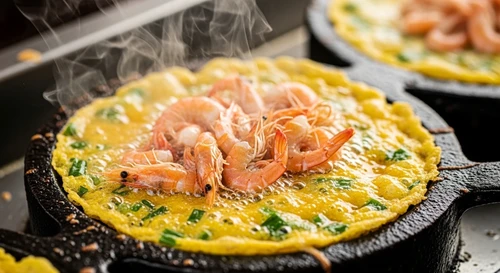
The vibrant yellow, the fiery red of chili, the crisp green of cucumber – this dish is a feast for the eyes as much as the palate. It’s a visual reminder of the sun-drenched landscapes and the abundant produce of Southern Vietnam. The aroma alone is enough to transport you to a bustling Mekong eatery, where the rain outside is just an excuse to gather around a table laden with simple, honest, and incredibly flavorful food.
Aroma Amplifiers
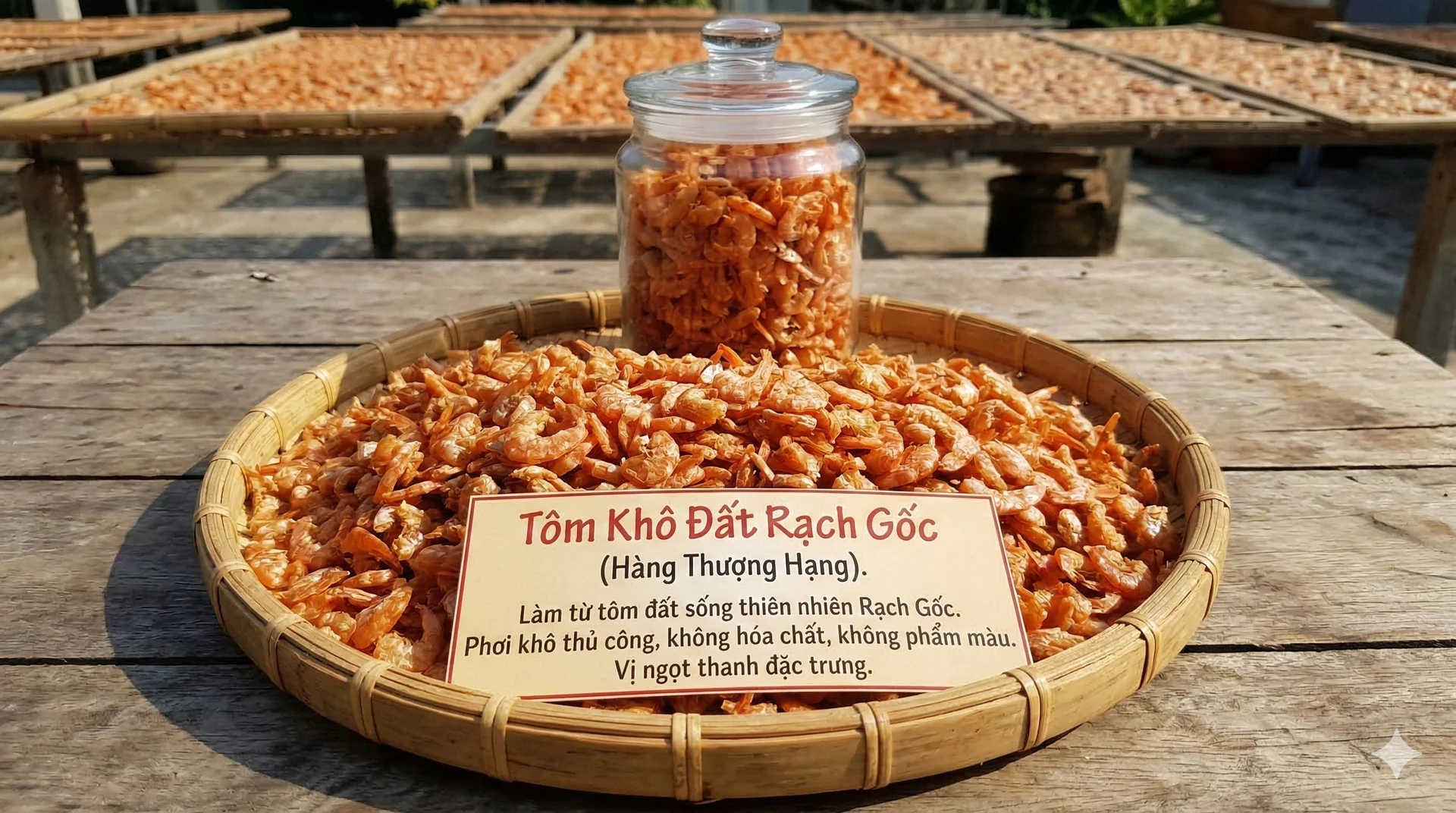
Heritage Ingredient
Sun-Dried Wild Shrimp from Rach Goc
Sun-Dried Wild Shrimp from Rach Goc
Traditional dried shrimp made from small wild shrimp, valued for natural sweetness and commonly used in Vietnamese salads, soups, and festive dishes.
Concentrated sunlight and sea salt in every bite, these crimson gems offer a deep, umami sweetness that whispers tales of Rach Goc's golden shores.