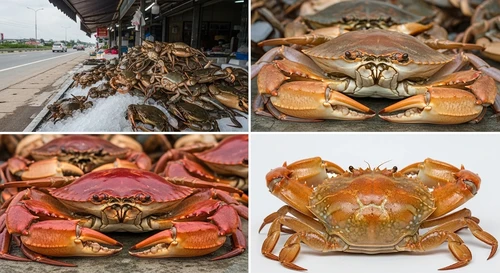
" Forget the delicate steamed white fish, the heavy curries. When you want to taste the soul of the river, the salty air of the coast, you reach for crab. And in the Mekong Delta, where waterways are lifeblood and the sun bakes the earth, grilling crab over charcoal is as elemental as it gets. It's the scent of a summer evening, the promise of a shared meal, the raw, honest flavor of the water. "
1 The Humble Blue Crab
While larger mud crabs often steal the spotlight in Vietnamese cuisine, the common blue crab, or cua lột (though technically that term refers to soft-shell), found in the brackish waters and coastal regions of the Mekong, possesses a unique charm. It's not about colossal claws or thick slabs of meat here. It's about a balanced sweetness, a slightly more delicate texture, and a shell that, when grilled just right, becomes an edible vessel for pure flavor.
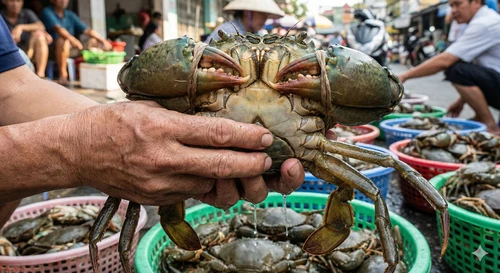
Imagine this: crabs scuttling in the shallow waters near Ca Mau, or being pulled from intricate fishing nets by families who have done it for generations. These are the crabs that find their way to bustling riverside markets, destined for kitchens where simplicity reigns.
Heritage Ingredient
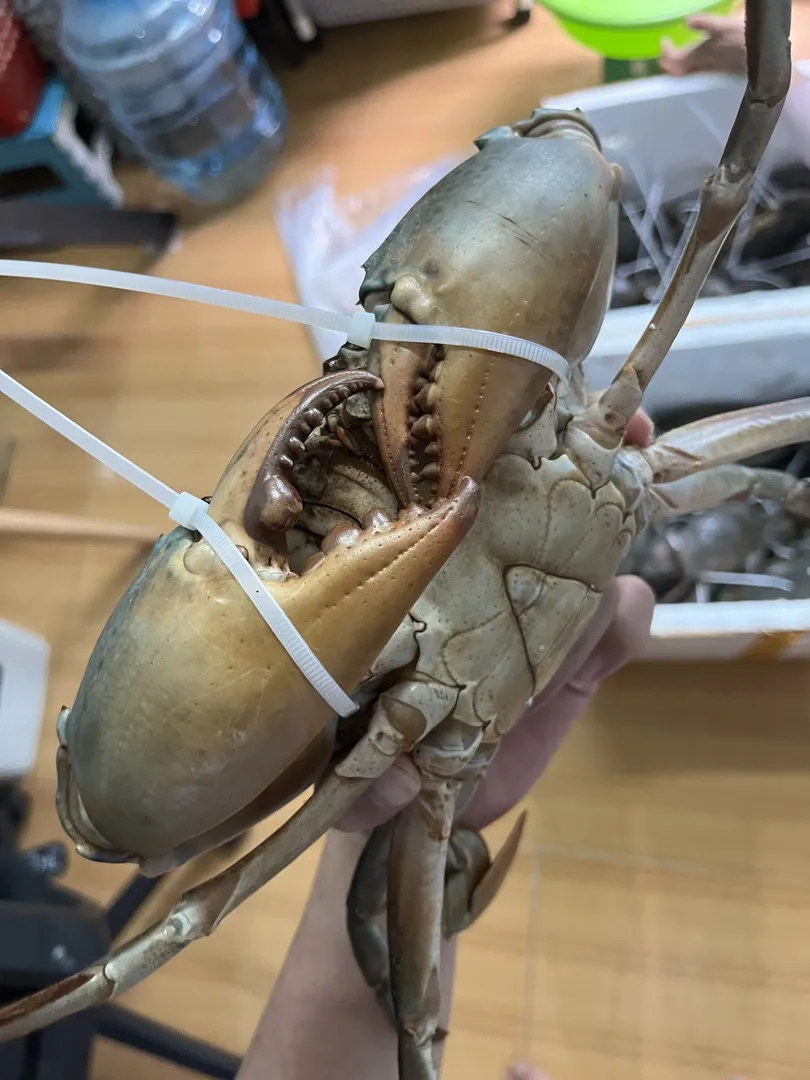
Ca Mau Jumbo Mud Crab
Ca Mau Jumbo Mud Crab
A large male mud crab prized for dense, sweet meat and thick claws, commonly used in steamed crab and grilled crab dishes across the Mekong Delta.
An icon of coastal culinary heritage, featuring firm, sweet meat that captures the raw power and freshness of Ca Mau's tides.
Heritage Ingredient
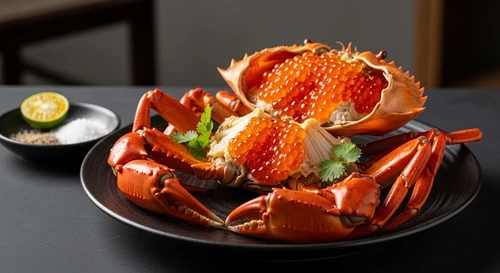
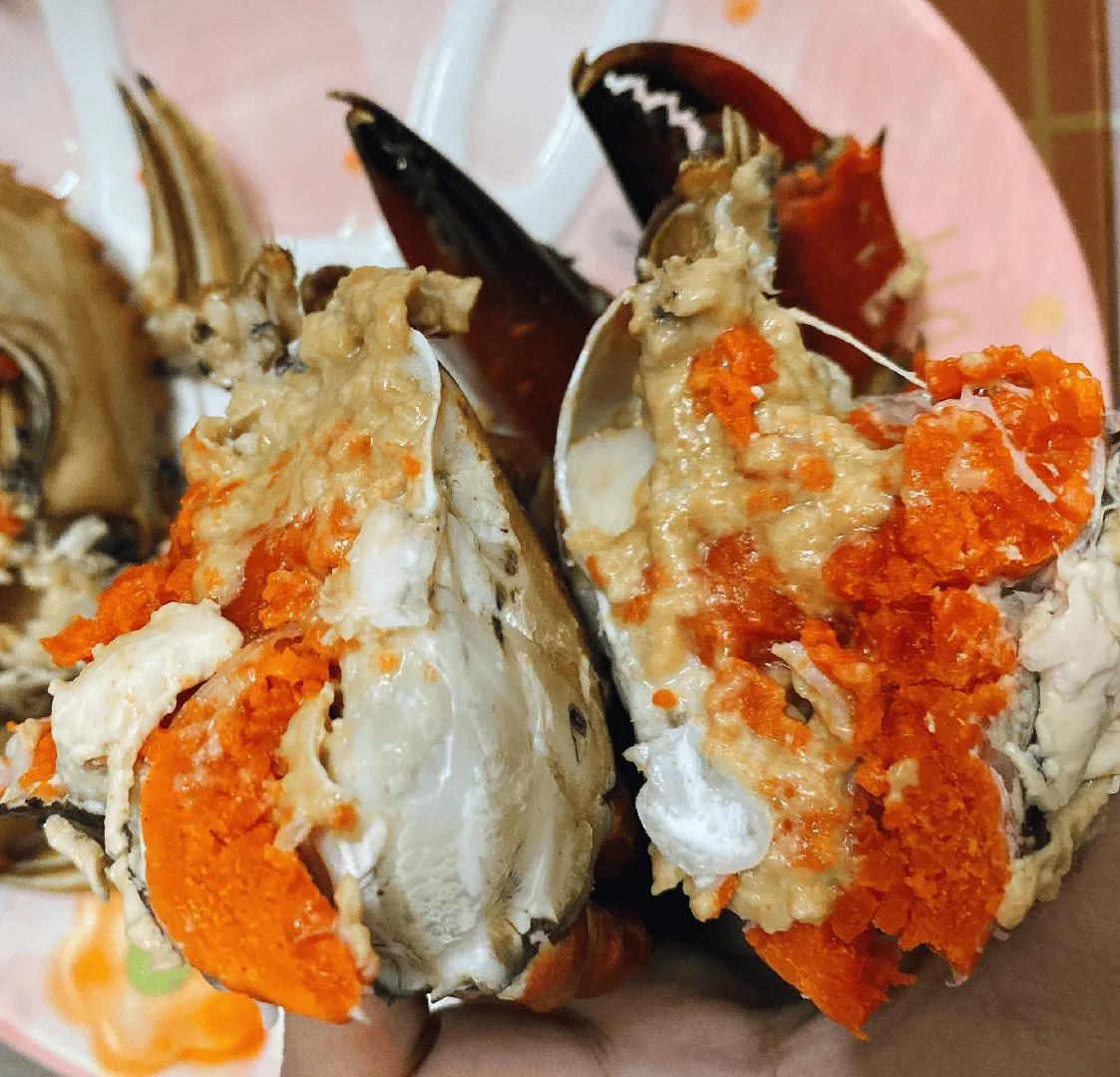
Ca Mau Roe Mud Crab
Ca Mau Roe Mud Crab
A female mud crab known for deep orange roe and a rich, creamy finish, often featured in celebratory Southern Vietnamese seafood meals.
A crimson treasure hidden within a shell, boasting rich, creamy roe that melts on your tongue like a golden sunset over the delta.
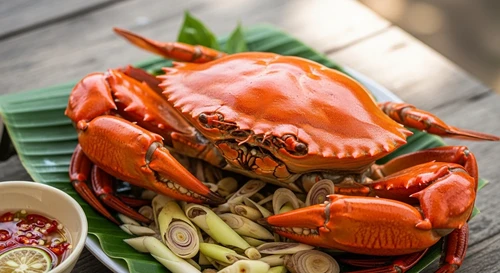
While the blue crab isn't always specifically highlighted in export-grade lists, its presence is foundational to many local Delta dishes. For this preparation, a fresh, lively blue crab is key. Its size lends itself perfectly to being grilled whole, allowing the shell to char slightly and trap the fragrant oil within.
2 The Fragrant Elixir: Scallion Oil
If the crab is the canvas, then scallion oil is the vibrant paint. This isn't just chopped green onions tossed in oil. This is about coaxing out every bit of their pungent, sweet essence.
The process is deceptively simple, yet requires a gentle hand. Finely chopped scallions are slowly, *slowly* cooked in neutral oil – often rice bran or vegetable oil – over low heat. The goal isn't to fry them to a crisp, but to *blanch* them, infusing the oil with their vibrant green hue and that unmistakable aroma that promises freshness and depth. Some cooks add a whisper of garlic or a pinch of salt, but the pure scallion flavor is the star.
This bright green elixir, shimmering and fragrant, is what elevates the simple grilled crab from good to unforgettable. It's the aromatic steam that hits you first, followed by the tender, sweet crab meat that has absorbed the smoky char and the oily goodness.
3 The Dance with Fire
This is where the primal magic happens. Charcoal grilling is not just about cooking; it's about imparting a unique flavor that gas grills can only dream of. The smoky char, the slightly bitter notes from the burnt bits of shell – it's rustic, it's real.
Preparation is minimal. The crab is often cleaned, sometimes halved if it's a larger specimen, but for smaller blue crabs, grilling them whole is the way to go. Before they hit the heat, the magic happens: a generous pour of that luminous scallion oil is ladled directly into the cavity of the crab and spread over its back.

Preparation is key: infusing the crab with scallion oil before it meets the flames.
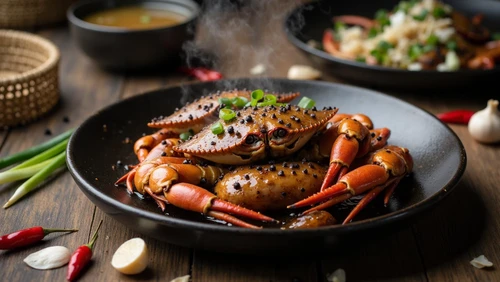
The crab is then placed directly onto a moderately hot charcoal grill. The heat needs to be sufficient to char the shell and cook the meat through, but not so intense that it burns before it's done. A few minutes on each side, until the shell is blistered and deeply colored, and the crab is cooked through. The scallion oil will bubble and hiss, infusing the very air with its incredible aroma.
4 A "Rice Killer" in its True Form
This dish is aptly nicknamed a "Rice Killer" for a reason. The rich, oily crab, imbued with smoke and the fragrant zest of scallion oil, is incredibly addictive. A simple plate of steamed jasmine rice becomes the perfect, neutral foil to this flavor-packed star.
Dipping the tender crab meat into the residual oil collected at the bottom of the plate, and then scooping it up with a spoonful of steamed rice, is a sensory experience that defines the hearty, unpretentious cuisine of the Mekong Delta. It's the kind of meal that sticks with you, a memory conjured by scent and taste long after the last bite.
This isn't a dish for delicate eaters. It's about getting your hands dirty, cracking shells, and savoring every morsel. It’s the essence of communal dining, where sharing the bounty of the land and water is paramount.
5 Beyond the Basic Grill
While the pure scallion oil grilled crab is a masterpiece of simplicity, the Mekong Delta is a region of culinary innovation and adaptation. Here are a few ways you might encounter this dish, or variations thereof:
- Garlic Scallion Oil: Some cooks add crushed garlic to the oil for an extra layer of pungent flavor, creating a potent, aromatic sauce that’s irresistible.
- Chili Kick: For those who crave heat, a finely chopped bird's eye chili or a pinch of chili flakes might be stirred into the scallion oil, or served alongside as a dipping sauce.
- Butter-Grill: A richer variation might involve a combination of butter and scallion oil, lending a decadent, creamy richness to the crab. This is especially popular in more modern or restaurant settings.
- Lime & Pepper Dipping Sauce: Even with the scallion oil, a classic Vietnamese dipping sauce of fresh lime juice, fish sauce, and ground black pepper is often served on the side, offering a sharp, tangy counterpoint.
Insider Secrets for Perfect Grilling
Freshness is Paramount:
If the crab isn't lively when you get it, it won't taste good. Look for crabs that are active and heavy for their size. In the Delta, this means buying from trusted local markets or fishermen.
Don't Overcook:
Overcooked crab turns tough and loses its sweet moisture. Cook just until the shell is bright red and the meat is opaque. The residual heat will continue to cook it.
Shell-On Brilliance:
Grilling with the shell on is crucial. It protects the delicate meat, locks in moisture, and allows the shell to char beautifully, adding that essential smoky depth.
The Power of the Pot:
If charcoal isn't an option, a very hot cast-iron skillet can mimic some of the charring effect. Use a high smoke point oil for the scallion oil, and get the pan screaming hot.
6 More Flavors from the Waterways
The Mekong Delta is a treasure trove of seafood delights. If the primal pleasure of grilled crab has whetted your appetite, explore these other iconic dishes that showcase the region's bounty:
Vietnamese Tamarind Crab
A richer, more complex dish where crab is sautéed in a sweet and tangy tamarind sauce, often with garlic and chili.
Discover Tamarind Crab →Ca Mau Mudskipper (Grilled)
This unique mangrove fish is often grilled with chili salt, offering a taste of the Delta's most exotic seafood.
Taste the Mudskipper →