" The allure of the King Crab is undeniable. Its colossal size, the promise of sweet, dense meat hidden within armored shell. But navigating the frozen seafood aisle can feel like a battlefield. "
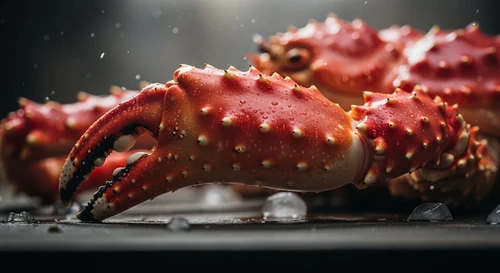
📸 The King's Armor: Inspecting the claws for quality.
1 The Frozen Frontier: Why "King Crab" Isn't Always Royal
When we talk about imported King Crab, we're almost always talking about frozen product. Alaska, Russia, Norway – these titans of the crustacean world are often flash-frozen at sea or immediately after landing to preserve their delicate flesh. This isn't a sign of inferiority; it's a necessity for global distribution. The real challenge lies in distinguishing the plump, sweet prize from the disappointing, water-logged impostor.
A common pitfall is buying crab claws that look impressive but yield little meat. This often happens with older, over-processed, or improperly handled frozen specimens. The goal is to mimic the freshness of a live crab as closely as possible, even when dealing with a thawed product. This means looking beyond the imposing size.
The Mirage
Large, brittle shells that feel unnaturally light. Spines that are dull or look "blistered." A faint ammonia smell upon thawing.
The Treasure
Firm, slightly yielding shell (for its size). Vivid, sharp spines. A clean, oceanic aroma. A weight that feels substantial for its size.
2 Echoes of the Delta: Where Crab Culture Runs Deep
While we discuss imported King Crab, it's impossible not to draw parallels with the incredible crab culture of Vietnam's Mekong Delta. In provinces like Ca Mau, the southern-most tip of the country, crab is not just food; it's a way of life. The nutrient-rich brackish waters and mangrove forests are a natural incubator for some of the sweetest, most sought-after mud crabs in the region.
Think of the Ca Mau Mud Crab. These are crabs prized for their dense, sweet meat and rich roe. While their size may not match the legendary Alaskan King Crab, their flavor is intensely representative of their terroir – a delicate sweetness with a subtle briny kiss.
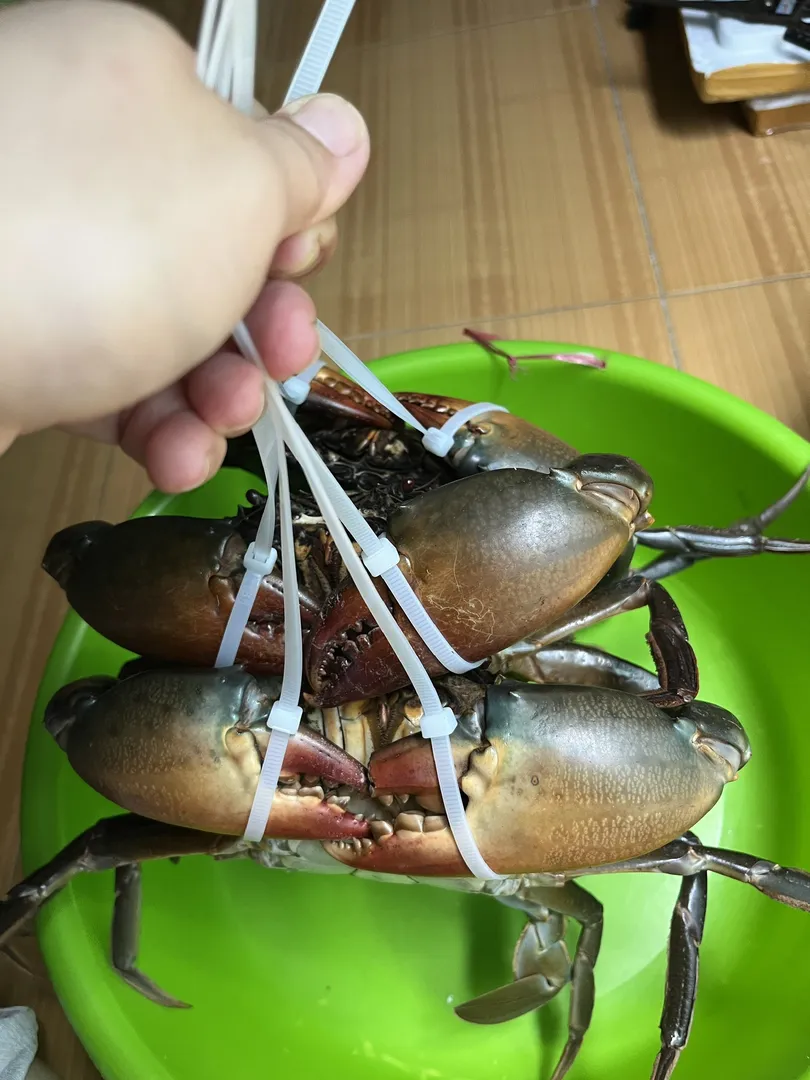
Heritage Ingredient
Giant Ca Mau Mud Crab
Giant Ca Mau Mud Crab
A larger export-grade mud crab with dramatic claws and thick meat, often used to illustrate oversized crab categories in Vietnamese seafood markets.
A titan of the ocean, offering colossal claws filled with muscular, succulent meat that elevates every feast into a royal experience.
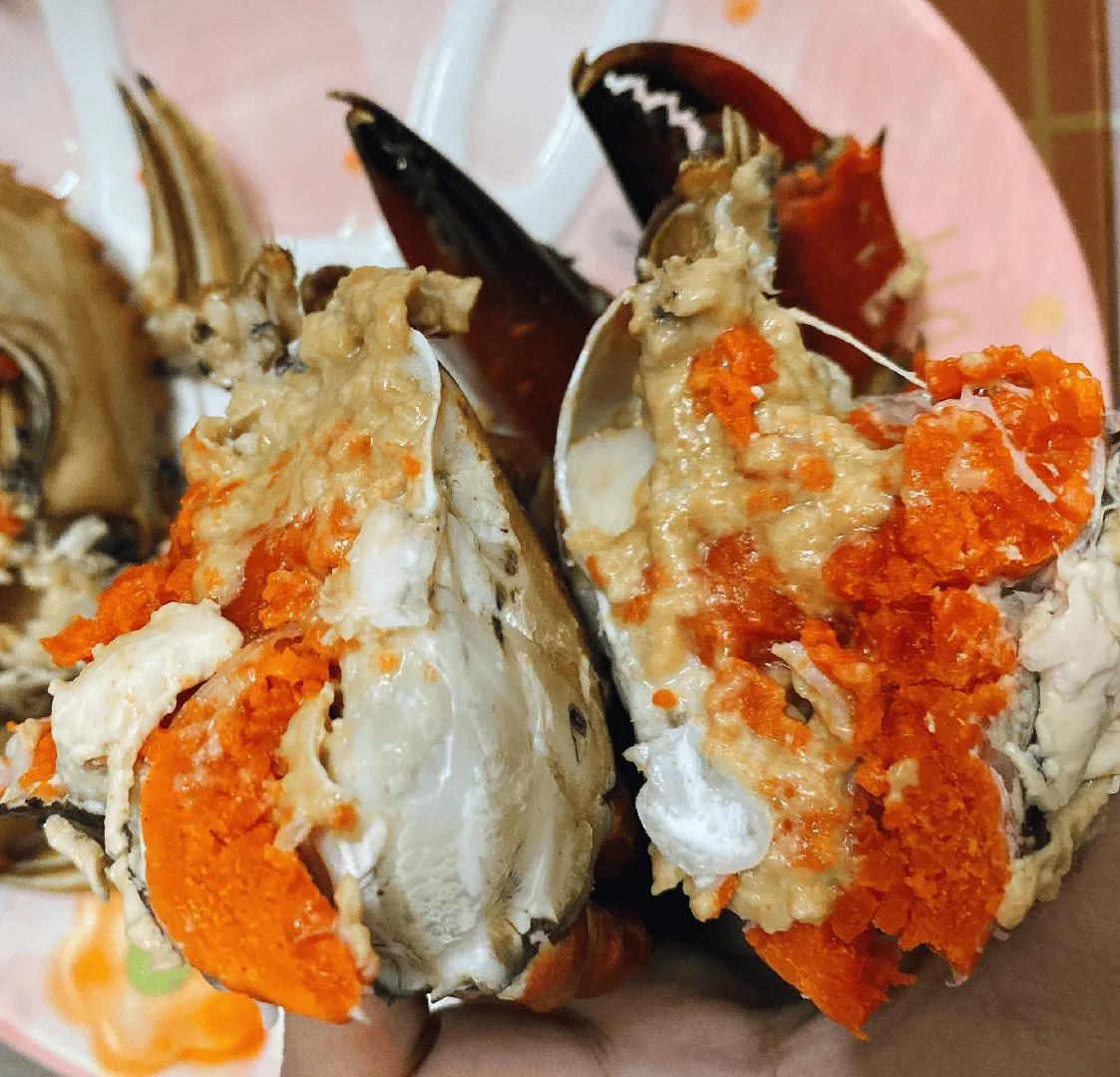
Heritage Ingredient
Ca Mau Roe Mud Crab
Ca Mau Roe Mud Crab
A female mud crab known for deep orange roe and a rich, creamy finish, often featured in celebratory Southern Vietnamese seafood meals.
A crimson treasure hidden within a shell, boasting rich, creamy roe that melts on your tongue like a golden sunset over the delta.
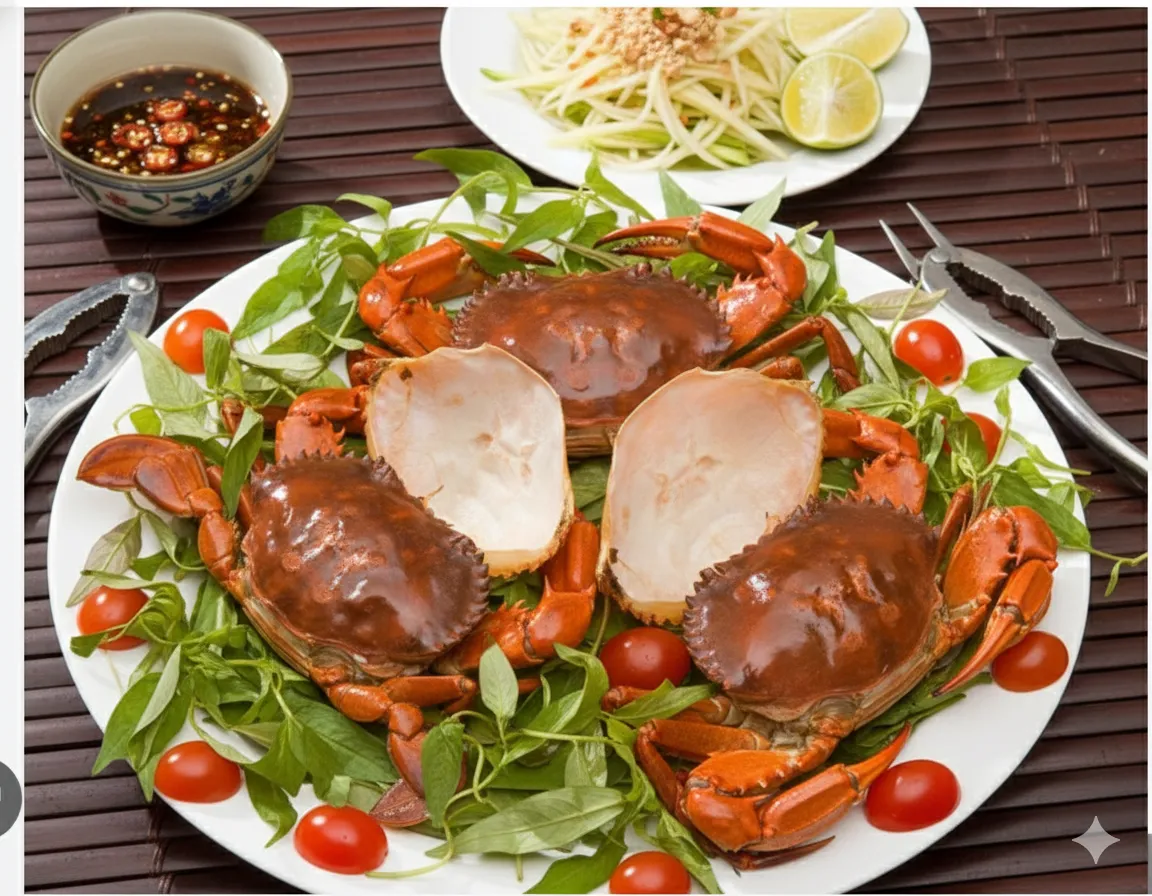
Heritage Ingredient
Soft-Shell Butter Crab (Molting Crab)
Soft-Shell Butter Crab (Molting Crab)
A rare molting mud crab from Ca Mau, valued for its edible soft inner shell and exceptionally creamy roe, making it the closest local equivalent to soft-shell crab concepts familiar abroad.
Nature's rare masterpiece—a delicate transition where a soft inner layer protects golden, custard-like roe in a fleeting moment of flavor.
Understanding the value placed on local crabs like these in Ca Mau — where farmers carefully manage mangrove ecosystems for optimal crab yields — provides a profound appreciation for what constitutes "quality" in the world of crab. It's a reminder that size isn't everything; flavor, texture, and origin tell a deeper story.
3 The Belly of the Beast: Unlocking the Abdominal Membrane Secret
This is where the rubber meets the road, or rather, where the membrane meets the shell. The underside of a King Crab leg (the abdominal flap or membrane) is your most reliable indicator when buying frozen.
The "Full" Claw
Look for an abdominal membrane that is:
- Elastic and Slightly Opaque White: When you gently press on the membrane (if possible through packaging or with a thawed sample), it should feel firm and spring back slightly. The color should be a clean, milky white.
- Smooth Texture: The surface should appear relatively smooth.
The "Empty" Claw
Avoid claws with abdominal membranes that are:
- Loose, Saggy, or Translucent: If it feels loose and you can see through it easily, it's likely filled with water or has degraded.
- Yellowish or Brownish Tint: This indicates oxidation or age.
- Wrinkled or Uneven: A sign of poor freezing or thawing cycles.
4 The Crown Jewels: Spine Color and Shell Integrity
Beyond the belly, the shell itself tells a story. The spines, particularly on the legs and claws, are excellent indicators if you know what to look for.
Vibrant Spines = Freshness
Fresh, high-quality King Crab will have spines that are a bright, clear color – often a deep red, orange, or even a bluish-black depending on the species. These spines should feel sharp and intact. Think of them as the crab's armor, and vibrant armor suggests a well-maintained warrior.
Dull or Damaged Spines = Warning Signs
If the spines are dull, faded, chipped, or have a white, chalky appearance, it's a sign the crab may be old, has been improperly handled, or has undergone multiple freeze-thaw cycles. The shell itself should also be relatively free of major cracks or "blisters," which can indicate waterlogging.
5 Heavy is the Crown: Weight and the Ice Glaze
Trust your instincts – or rather, your sense of weight. A good piece of crab should feel substantial.
The Weight Test
When you pick up a frozen crab leg or claw, it should feel heavy for its size. This heft is primarily from the dense, moisture-rich meat. If it feels surprisingly light, the meat may have dehydrated or been replaced by ice crystals.
The Ice Glaze Factor
Frozen seafood is often coated in a protective "ice glaze." This is normal and good. However, excessive, thick, or uneven ice buildup could indicate that the crab has been refrozen or stored improperly, leading to dehydration and freezer burn. A light, even glaze is ideal.
6 Beyond the Title: Navigating Crab Species
"King Crab" is often used as a blanket term, but there are several species, each with its own characteristics and price points. The most common and prized are Red King Crab and Golden King Crab. Blue King Crab is also significant. While the selection tips above apply broadly, knowing the species can help manage expectations and budget.
Common King Crab Types:
- Red King Crab (Paralithodes camtschaticus): Often considered the king of Kings. Deep red shell, rich flavor, dense meat. The benchmark for quality.
- Golden King Crab (Lithodes aequispinus): Found in deeper waters. Shell is more golden-brown. Meat is often sweeter but can be slightly less dense than Red.
- Blue King Crab (Paralithodes platypus): Similar to Red King Crab but with a bluish hue. Flavor is comparable.
Sometimes, Snow Crab (a different family, Chionoecetes) is marketed with "King Crab" due to its size and popularity. While delicious, Snow Crab has a distinctly different texture and flavor. Always check the species if precise identification is important.
7 A Taste of Home: The Simple Mekong Preparation
While we've focused on selecting frozen King Crab, it's worth remembering how simpler, local crabs are treated in the Mekong Delta. The emphasis is on highlighting the natural sweetness, often with minimal intervention.
Think of Steamed Mud Crab (Cua Hấp). The Ca Mau crab, still alive, is placed in a steamer with a few aromatics – maybe some lemongrass, a splash of beer or coconut water. The magic happens in the steam, coaxing out the crab's inherent flavors. Served simply with a spicy lime-salt dipping sauce (Muối Tiêu Chanh), it's a testament to the power of quality ingredients.
This philosophy – respecting the ingredient – is precisely what you should aim for when preparing your imported King Crab. Don't overcomplicate it. A simple steam, a quick boil, or a gentle grill will let the crab's true essence shine, especially if you've followed the selection tips above.
8 The Final Verdict: Investing Wisely
Choosing imported King Crab is an investment. It's a luxury item, and when done right, it's worth every penny. By focusing on the elasticity of the abdominal membrane, the color of the spines, the weight, and the integrity of the shell, you empower yourself to make informed decisions.
Don't be swayed by sheer size alone. Look for the subtle cues that indicate freshness and quality preservation. When you find that perfect claw, ready to be steamed, boiled, or grilled, you'll taste the difference that careful selection makes – a true taste of the ocean's bounty, worthy of the "King" title.
Discover More:
Explore Further
View More Food & Culinary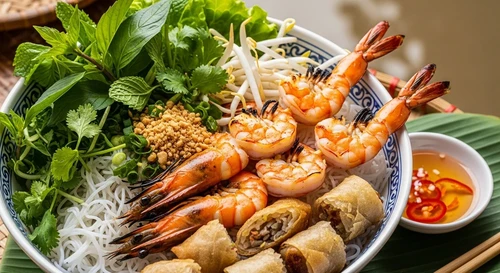
Southern Grilled Shrimp & Spring Roll Rice Noodles (Bun Tom Nuong)
An upgrade to grilled pork noodles, featuring charcoal-grilled skewered tiger prawns and crispy spring rolls with garlic chili fish sauce.
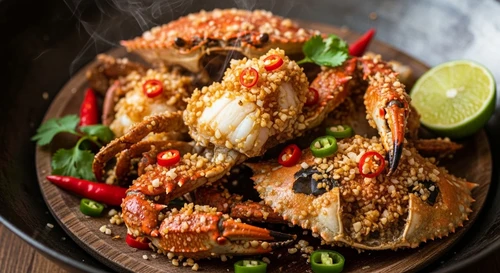
Salt and Chili Toasted Crab (Cua Rang Muoi): Spicy, Salty, Addictive
If you love spicy food, this classic Vietnamese seafood preparation will blow your mind. Perfect with a cold beer.
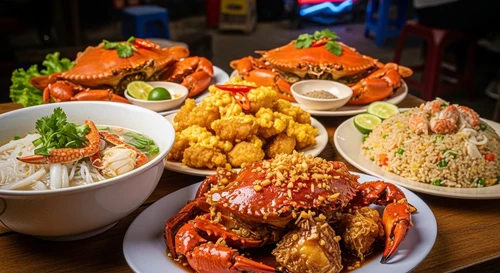
Top 5 Must-Try Crab Dishes When Visiting Ho Chi Minh City
From Tamarind Crab to Crab Tapioca Noodle Soup (Banh Canh Cua). Discover the ultimate seafood bucket list in Saigon.
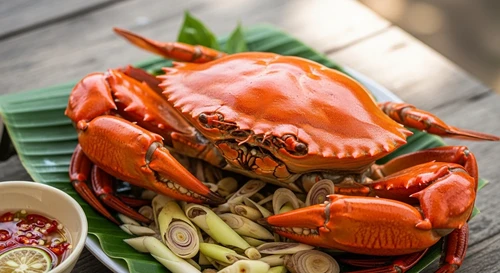
Coconut Coconut Steamed Mud Crab: A Mekong Delta Specialty
Cooking crab in fresh coconut water enhances its natural sweetness. A simple yet luxurious dish from Southern Vietnam.
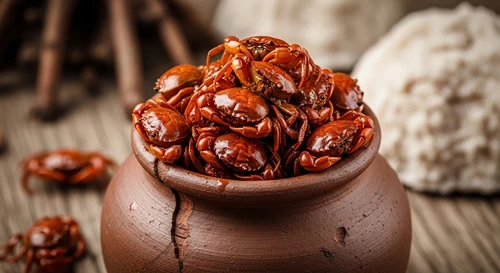
Mam Ba Khia: The Ancient Art of Fermenting Crabs
Discover the traditional Rach Goc method of salting and fermenting these tiny crabs to preserve them year-round.
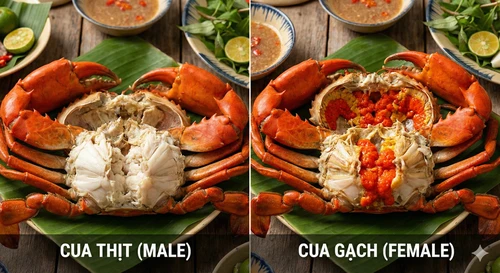
Male vs. Female Mud Crabs: Which One Should You Buy?
A visual guide to checking the abdominal flap. Choose the male for sweet meat and the female for rich orange roe.
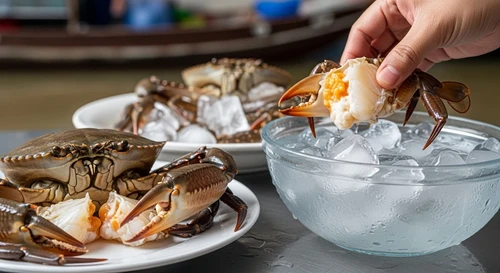
The Ultimate Guide to Thawing Frozen Crabs Without Losing Flavor
Never use hot water! Follow these chef-approved steps to safely defrost seafood while retaining 99% of its sweetness.
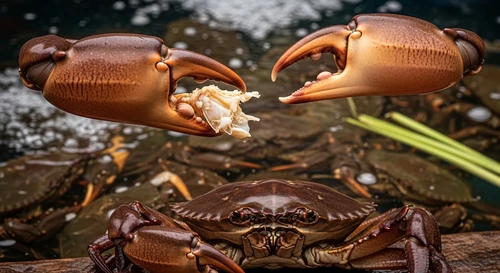
Why Do Crabs Drop Their Claws? Understanding Crustacean Stress
The biological reason behind autotomy (claw dropping) during transport and how it affects the market value.
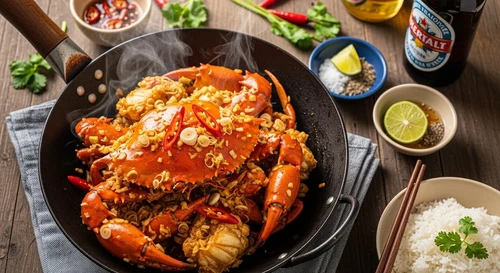
Spicy Lemongrass Chili Crab: A Flavor Explosion
Mud crab stir-fried with an intense paste of minced lemongrass, garlic, and bird's eye chilies.