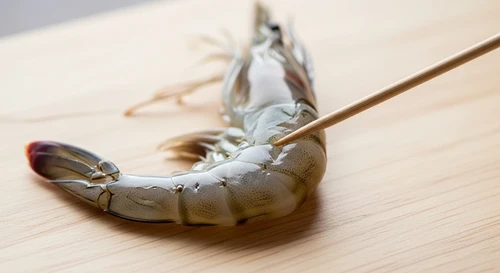
" Forget your delicate appetizers. This is primal. This is the Mekong Delta screaming its flavor onto a crisp rice cracker. It’s not just street food; it’s an edible map of a rugged coastline and its wild bounty. "
📸 The 'Vietnamese Pizza' elevated: Crispy rice paper meets potent ba khia.
1 Echoes of the Mangroves: The Ba Khia Story
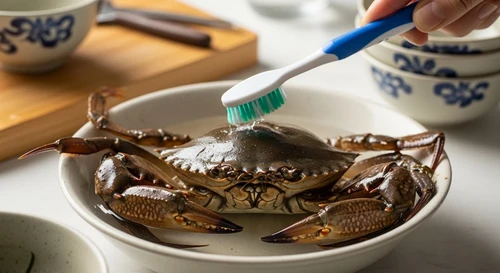
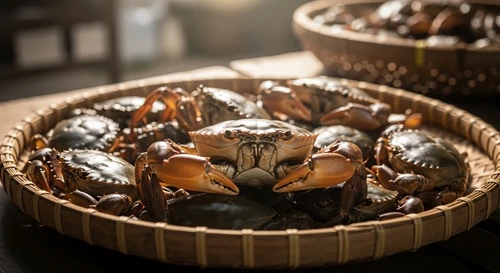
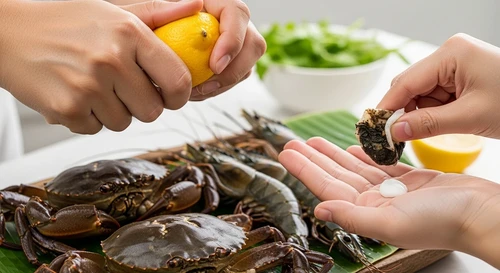
Venture into the coastal mangrove forests of Ca Mau, the southernmost tip of Vietnam, and you’ll find the source of a flavor unlike any other: ba khia. These are not your king crabs or plump prawns. Ba khia are small, feisty mangrove crabs, their shells often encrusted with the very mud they inhabit. They're the wild children of the southern waterways, and their unique character is unlocked through a slow, patient fermentation process.
The Fermentation Alchemy
Freshly caught ba khia are packed tightly into jars with copious amounts of salt. Over weeks, sometimes months, a magical transformation occurs. The natural enzymes and salt break down the crab, concentrating its oceanic essence into a pungent, salty, and deeply umami paste, tinged with sour notes. It's a flavor that commands respect, a taste of the wild, untamed coast.
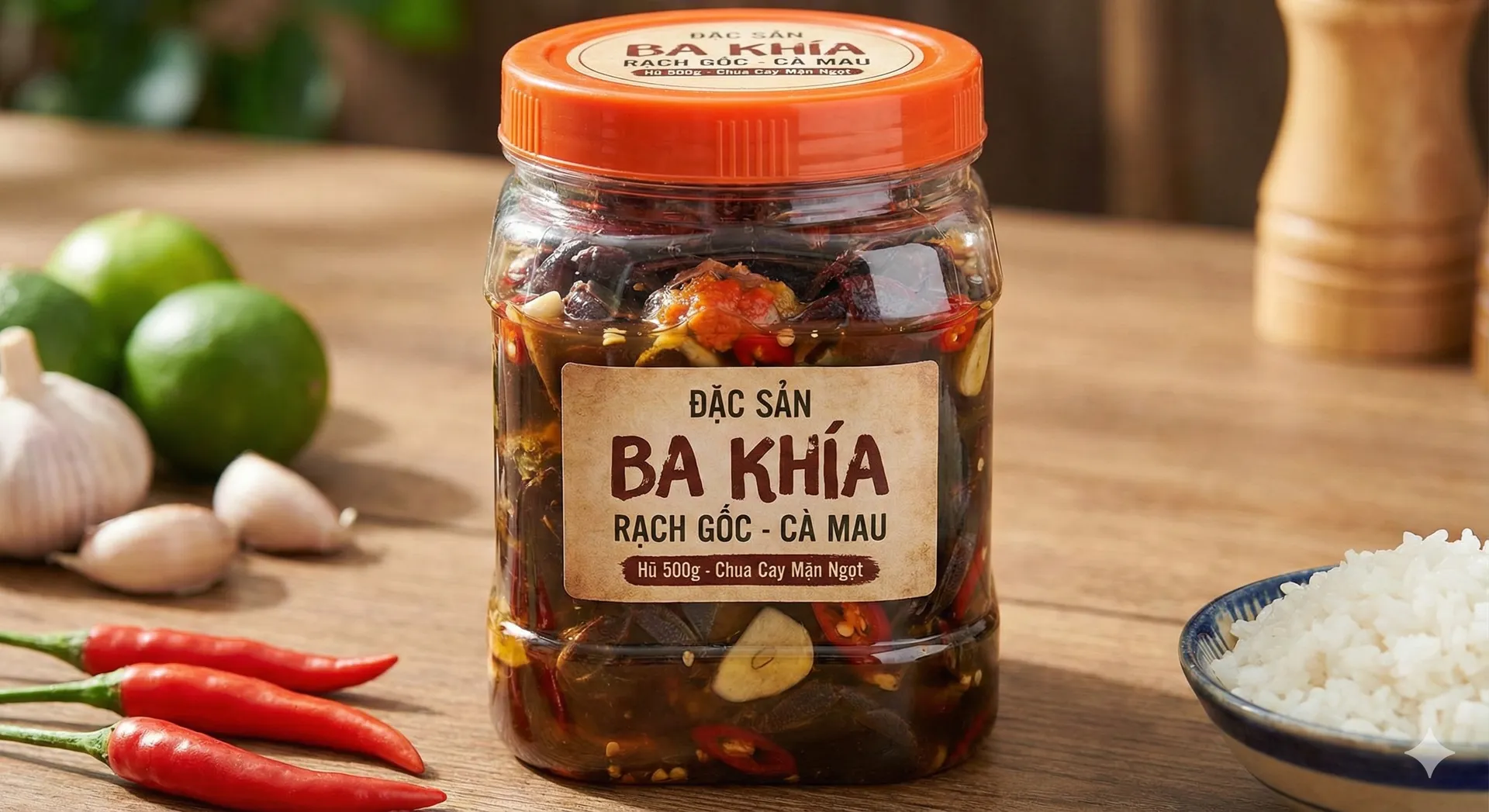
Heritage Ingredient
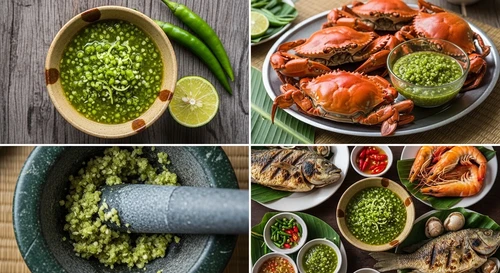
Fermented Mangrove Crab (Ba Khia)
Fermented Mangrove Crab (Ba Khia)
A traditional fermented crab specialty from the mangrove region of Rach Goc, often cited in articles about rustic Mekong Delta flavors and preserved seafood culture.
The salty-sour heartbeat of the wild south, where traditional fermentation turns forest crabs into a nostalgic explosion of rustic Mekong soul.
From Preserve to Paste
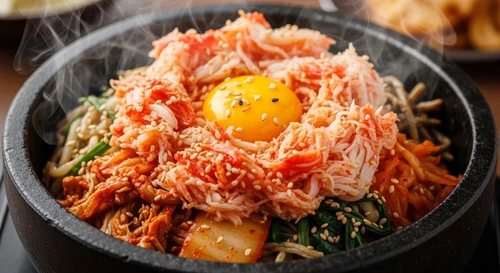
The true essence of ba khia is often extracted and then transformed into a paste. This paste is the foundation of many southern dishes, but here, it’s about to meet its crispy, fiery soulmate: banh trang nuong.
2 Banh Trang Nuong: The Vietnamese Pizza
Across Vietnam, and particularly in the Mekong Delta, you'll encounter street vendors grilling rice paper sheets over charcoal braziers. This is banh trang nuong, a deceptively simple snack that has earned the moniker "Vietnamese Pizza."
A thin, round rice paper sheet is brushed with oil (often pork fat for extra crispness and flavor), cracked with an egg, and then spread with an array of toppings. It's grilled until puffed, crispy, and slightly charred – a perfect, edible vessel for bold flavors. Traditionally, toppings might include dried shrimp, green onions, and a whisper of chili. But this recipe? This takes it to an entirely new level.
The Base
- Rice Paper: Thin, round sheets (look for brands commonly used for spring rolls).
- Egg: One per cracker, beaten.
- Oil/Fat: Neutral cooking oil or, for authenticity, rendered pork fat.
The Spice
- Chili: Fresh, finely chopped bird's eye chili.
- Green Onion: Finely sliced scallions.
- Optional: Dried shrimp for added umami.
3 The Wild Fusion: Crafting the Ba Khia Sauce
This is where the magic truly happens. The intense, fermented ba khia paste is brought to life with the bright acidity of tomatoes and a kick of chili. It’s a bold, robust sauce that cuts through the richness of the egg and oil on the rice paper, creating an explosion of flavor.
The Base Paste
Start with a generous amount of ba khia paste. If it's very salty, you might need to dilute it slightly with a touch of water or rice vinegar.
Tomato & Chili
Add finely diced fresh tomatoes or a spoonful of tomato paste for color and a sweet-tart counterpoint. Stir in your chopped fresh chilies – be generous if you dare.
Simmer & Season
Gently simmer this mixture until it thickens slightly. Taste and adjust. You might need a pinch of sugar to balance the saltiness and acidity. The goal is a potent, spreadable paste.
From Brazier to Bite 👨🍳
This is a street food ritual. Watch, learn, and enjoy the crispiness.
1. Heat the Grill
A charcoal grill is traditional, but a hot gas burner or even a non-stick pan will work.
2. Prep the Cracker
Lay down rice paper. Brush with oil/fat. Drizzle/spread beaten egg. Add green onions, chili, and optional dried shrimp.
3. The Ba Khia Crown
Carefully spoon the ba khia tomato sauce over the egg mixture. Don't overload it – you want it to crisp up!
Grill for 2-4 minutes, or until the rice paper is golden brown and crispy, and the egg is cooked through. Serve immediately!
4 Beyond the Plate: Life in the Salt Marshes
The ingredients for this dish tell a story of the Mekong Delta's unique geography. The ba khia are a product of the resilient mangrove ecosystems, where brackish waters meet the rich soil. This is a landscape that shapes livelihoods – fishing, aquaculture, and salt farming are all tied to the ebb and flow of the tides.
The fermented nature of ba khia itself speaks to a history of preservation, born from necessity in a region where fresh ingredients are abundant but sometimes need to be kept for leaner times. This isn't just food; it's a testament to resourcefulness and the deep connection between the people and their environment. Even the dried shrimp, sometimes added for crunch, often come from coastal communities like Rach Goc, sun-dried to preserve their intense sweetness.
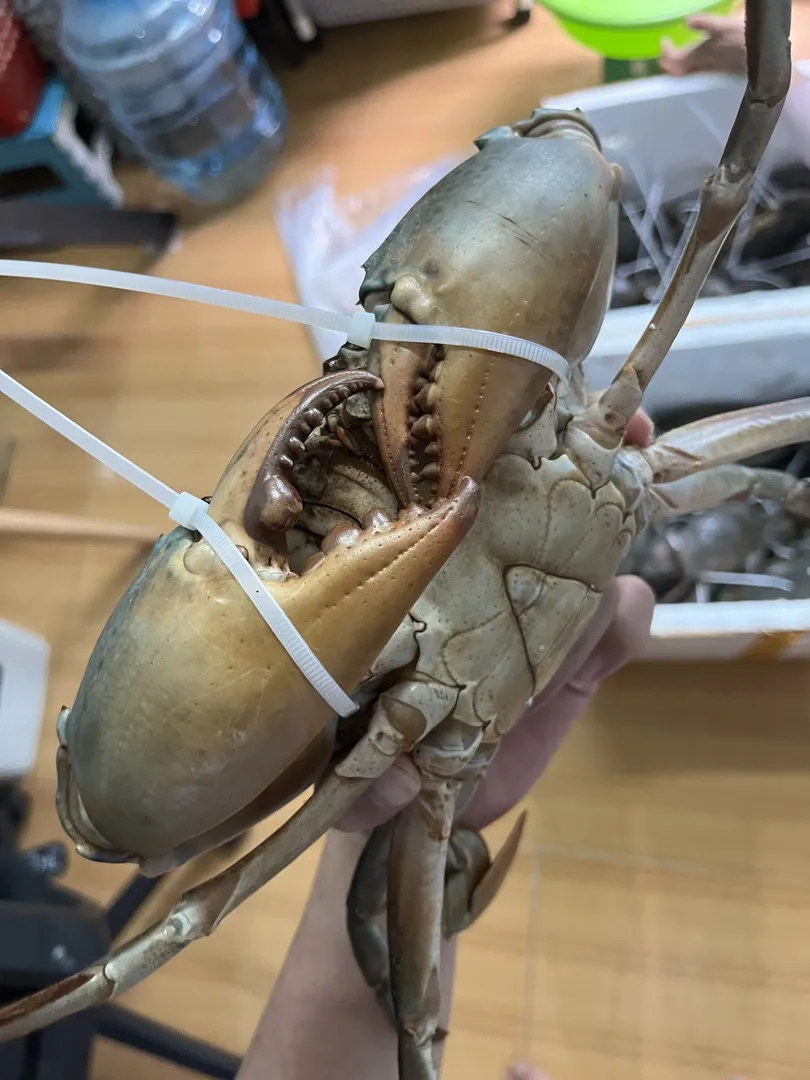
Heritage Ingredient
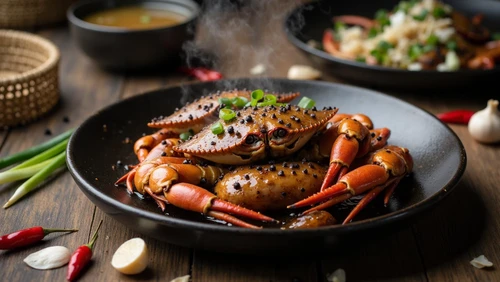
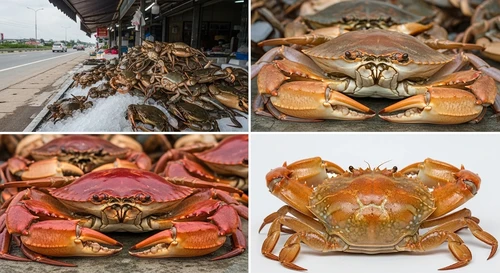
Ca Mau Jumbo Mud Crab
Ca Mau Jumbo Mud Crab
A large male mud crab prized for dense, sweet meat and thick claws, commonly used in steamed crab and grilled crab dishes across the Mekong Delta.
An icon of coastal culinary heritage, featuring firm, sweet meat that captures the raw power and freshness of Ca Mau's tides.
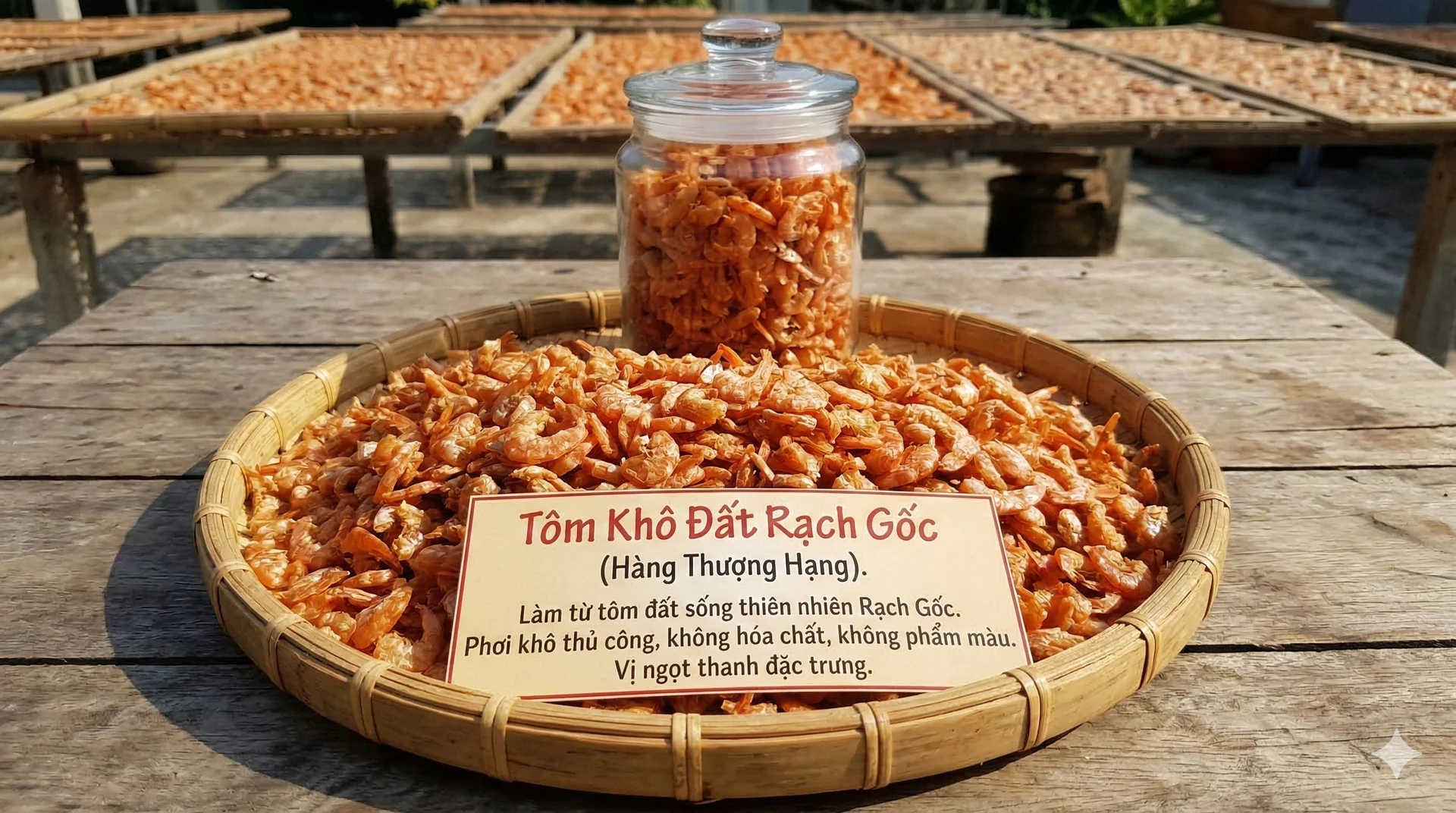
Heritage Ingredient
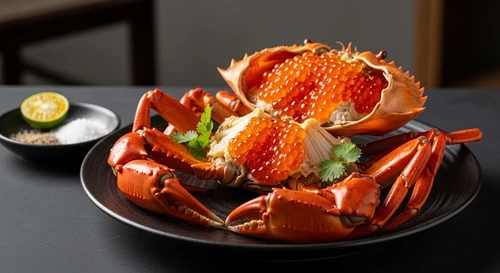
Sun-Dried Wild Shrimp from Rach Goc
Sun-Dried Wild Shrimp from Rach Goc
Traditional dried shrimp made from small wild shrimp, valued for natural sweetness and commonly used in Vietnamese salads, soups, and festive dishes.
Concentrated sunlight and sea salt in every bite, these crimson gems offer a deep, umami sweetness that whispers tales of Rach Goc's golden shores.
5 The Flavor Symphony
Umami Bomb
The deeply savory, fermented essence of the ba khia is the undisputed star.
Fiery Kick
Fresh chilies bring a sharp, invigorating heat that awakens the palate.
Crispy Crunch
The perfectly grilled banh trang nuong provides a satisfying textural contrast.
Sweet & Tangy Notes
Tomatoes and a hint of sugar balance the potent saltiness of the fermented crab paste.
Richness
The egg and oil provide a decadent base that complements the intense topping.
Pro Tips & Twists
🌶️ Can I control the spice?
🔄 What if I can't find ba khia paste?
🌱 Vegetarian/Vegan Option?
Taste the Wild Mekong
This ba khia and banh trang nuong fusion is more than just a snack; it’s a culinary adventure. It’s a taste of the raw, untamed beauty of the Mekong Delta’s coastline, a testament to the ingenuity of Vietnamese street food culture, and a reminder that some of the most exhilarating flavors come from the most unexpected places. Seek it out, try it, and let the wild heart of Vietnam captivate your palate.