" The Mekong Delta, a cradle of life and a powerhouse of Vietnamese exports. For generations, its waterways have nurtured some of the world's most coveted seafood. But the currents of global trade can be as unpredictable as the delta's own tides. "
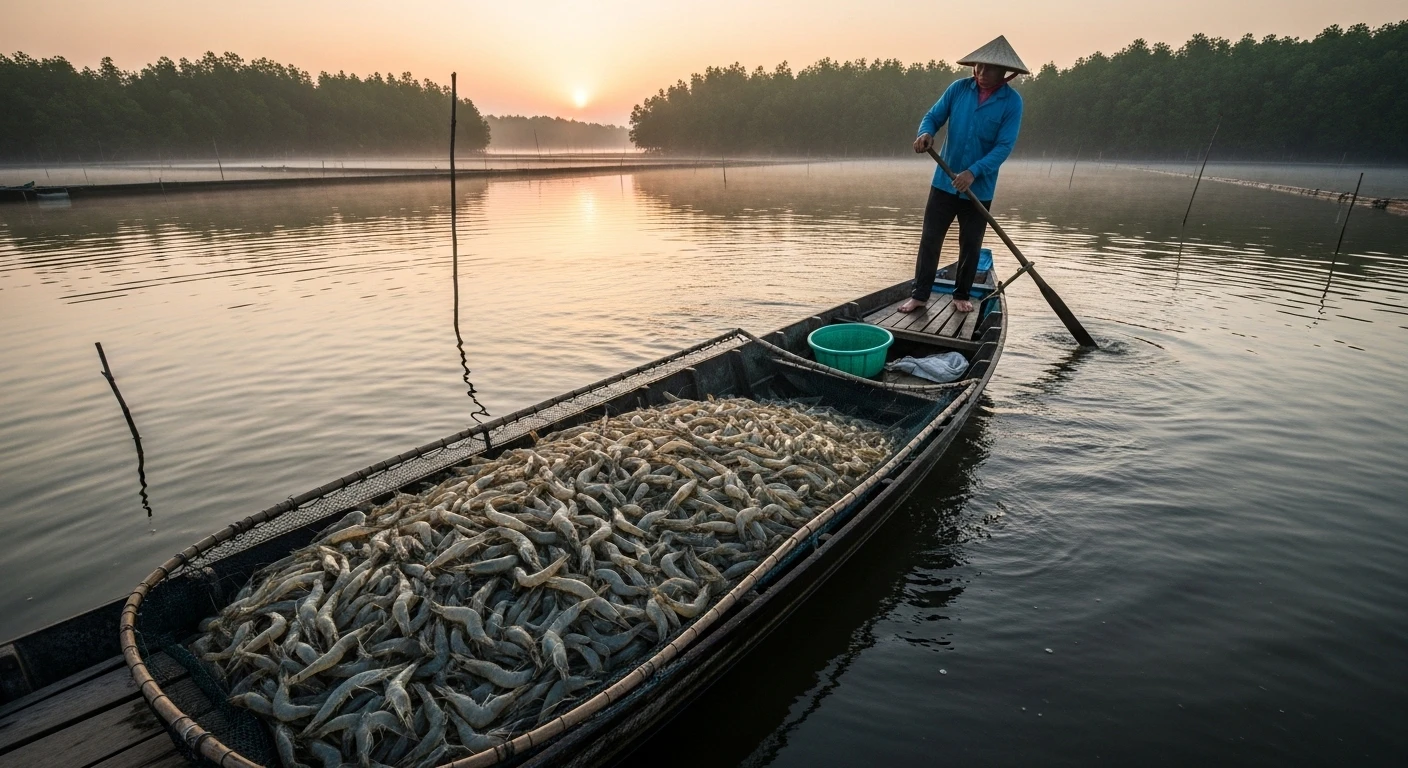
📸 Workers in the Mekong Delta carefully sorting fresh shrimp.
1 The Lifeblood of the Delta: A Shrimp Story
The Mekong Delta, a labyrinth of rivers, canals, and rice paddies, is more than just Vietnam's agricultural heartland; it's a global nexus for aquaculture. Among its most significant exports is shrimp, particularly the ubiquitous whiteleg shrimp (Penaeus vannamei), which has become a cornerstone of both the local economy and international seafood markets.
For generations, fishing and farming have been the rhythm of life here. The fertile sediment carried down from the Himalayas by the Mekong River creates an environment where shrimp thrive. While traditional aquaculture practices are deeply ingrained, the Delta has also embraced modern techniques to meet global demand. The export of shrimp isn't just about commerce; it's about livelihoods, sustainability, and the very identity of these water-bound communities.
Whiteleg Wonders
Penaeus vannamei, or whiteleg shrimp, accounts for a massive share of global shrimp production. Its adaptability, rapid growth, and relatively high yields make it a farmer's staple. In the Mekong Delta, vast areas are dedicated to its cultivation, from extensive pond systems to integrated rice-shrimp farming models.
Beyond Whiteleg
While whiteleg shrimp dominate export volumes, the Delta also produces other prized varieties. The iconic Black Tiger shrimp (Penaeus monodon), known for its size and distinct stripes, and the sweet Mekong Giant Freshwater Prawn (Macrobrachium rosenbergii) are also significant, though often commanding premium prices due to specific farming needs or market niches.
Heritage Ingredient
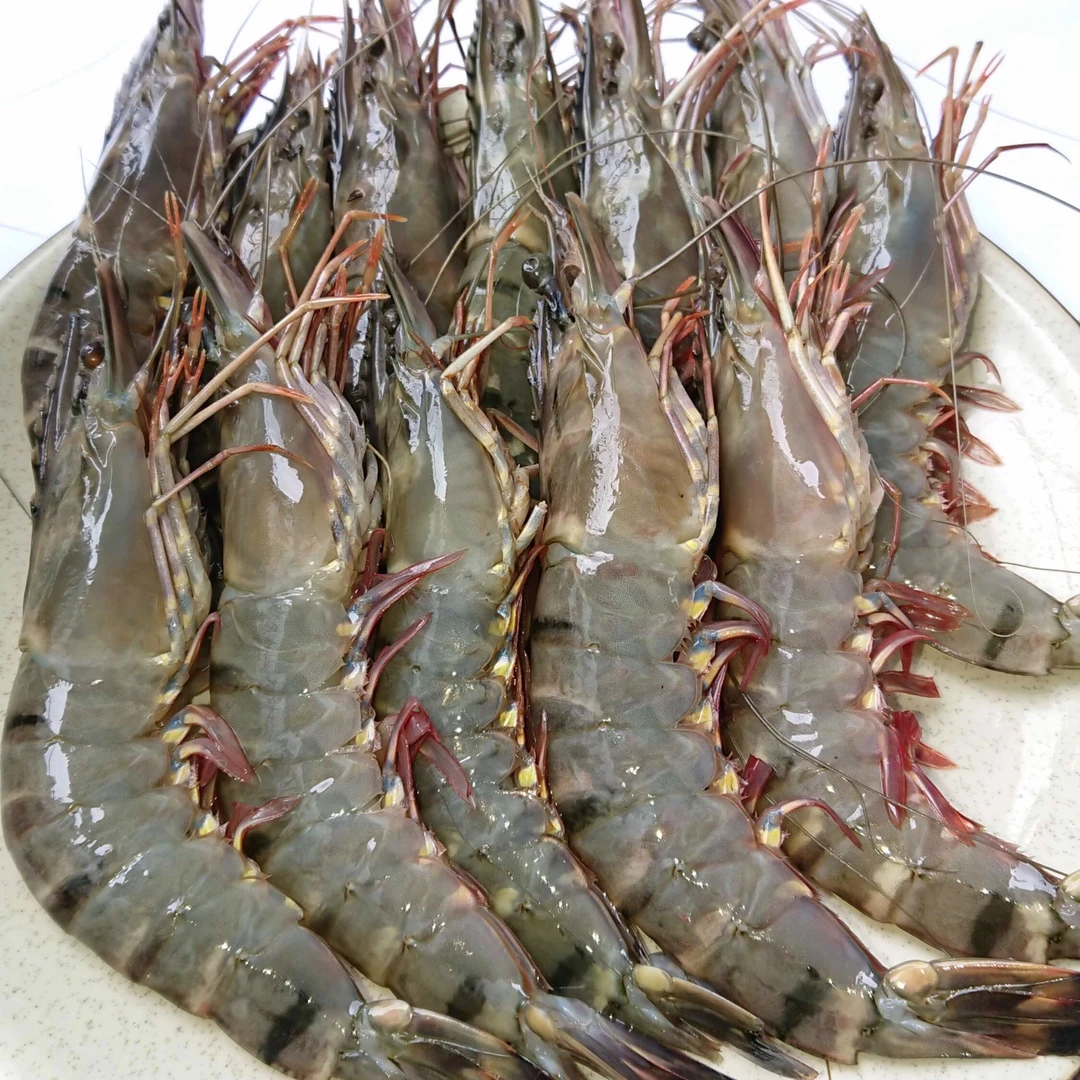
Whiteleg Shrimp
Whiteleg Shrimp
A widely used shrimp in Vietnamese home kitchens, suitable for stir-fries, soups, steamed dishes, and practical cooking articles that need a familiar shrimp reference.
Translucent jewels of the coast, thin-shelled and remarkably sweet, making every simple home meal feel like a seaside celebration.
2 Understanding Anti-Dumping Tariffs
Anti-dumping (AD) duties are a protectionist trade measure applied when a country believes that imports from another country are being sold at unfairly low prices—dumped—onto its market. This practice can harm domestic industries by making it difficult for them to compete.
The process typically involves a petition from a domestic industry alleging dumping and injury. If a preliminary investigation finds sufficient evidence, temporary AD duties may be imposed. A final investigation then determines whether dumping occurred, whether it caused material injury to the domestic industry, and if imposing duties is in the public interest. These duties are essentially an extra tax levied on the imported goods to bring their price closer to a "fair" market value. For Vietnamese shrimp exporters, this means a significant increase in the cost of selling their products in the US market.
Dumping
Selling goods in a foreign market at a price lower than their normal value (often the price in the home market or the cost of production plus a reasonable profit).
Injury
Economic harm caused to the domestic industry by dumped imports, such as lost sales, reduced profits, or job losses.
3 Navigating the Storm: Farmers in Focus
The imposition of anti-dumping tariffs sends ripples through the close-knit communities of the Mekong Delta. Farmers, who invest heavily in ponds, feed, and labor, suddenly face reduced demand or significantly lower prices from their usual buyers who are concerned about the added US tariffs.
For many, the US is a crucial market, representing a substantial portion of their export revenue. When this market becomes less accessible or profitable, the consequences are immediate. Some farmers may be forced to scale back operations, reduce stocking densities, or even switch to different aquaculture products if feasible. The economic pressure can be immense, impacting families and the wider regional economy.
This situation also highlights the complex dynamics of global supply chains. While Vietnamese shrimp are competitive on quality and price, trade disputes can dramatically alter market access overnight, forcing a rapid adaptation that is challenging for producers at the grassroots level.
Heritage Ingredient
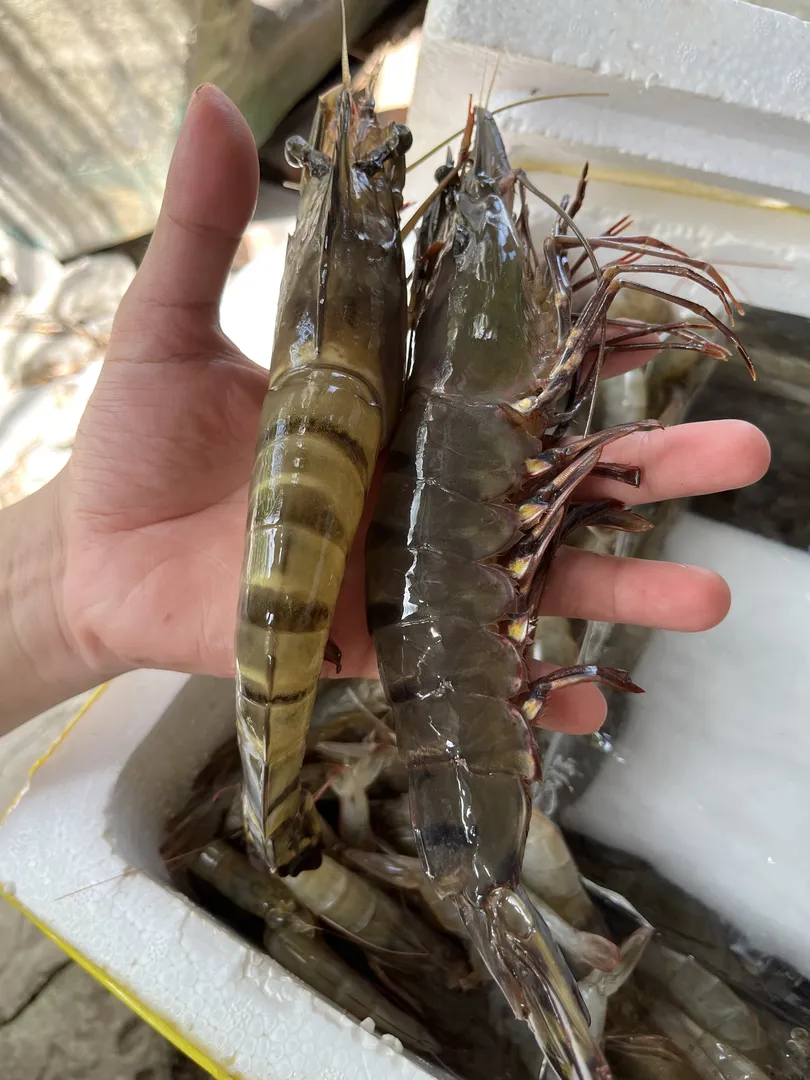
Ca Mau Black Tiger Shrimp
Ca Mau Black Tiger Shrimp
Large black tiger shrimp associated with mangrove aquaculture in Ca Mau, known for firm flesh and a cleaner, sweeter finish than intensively farmed shrimp.
Wild spirits of the mangroves, these black-banded gems deliver a firm, snappy texture and a sweetness that echoes the forest's vibrant life.
4 Strategies for Resilience
The Vietnamese shrimp industry is not one to shy away from challenges. Faced with new trade regulations, farmers and exporters are exploring various strategies to mitigate the impact:
Market Diversification:
Reducing over-reliance on a single market is paramount. Exporters are actively seeking new buyers and markets in Asia, Europe, and other regions that may not be subject to the same tariffs.
Value-Added Products:
Moving beyond raw, frozen shrimp to processed products like cooked shrimp, breaded shrimp, or marinated shrimp can command higher prices and offer more stable demand, potentially absorbing some tariff costs.
Focus on Quality and Traceability:
With increasing scrutiny, demonstrating superior quality, food safety standards, and full traceability from farm to table becomes a competitive advantage, justifying higher prices even in difficult markets.
Technological Advancements:
Adopting advanced farming techniques that improve efficiency, reduce disease outbreaks, and enhance shrimp quality can help offset increased production costs.
5 Policy and Support Systems
The Vietnamese government and its associated seafood industry organizations play a critical role in navigating these trade challenges. This includes:
- Engaging in diplomatic dialogues with the US to resolve trade disputes.
- Providing support to farmers and exporters, such as technical assistance for quality improvement or market intelligence.
- Facilitating the development of new export markets and strengthening existing ones.
- Promoting adherence to international standards for sustainability and food safety, which are increasingly crucial for market access.
Industry associations are vital in disseminating information, advocating for members, and organizing collective responses. Their efforts help to ensure that the voices of the Delta's shrimp farmers are heard on the international stage.
6 Weaving a Sustainable Net
Beyond immediate trade concerns, the long-term viability of shrimp farming in the Mekong Delta hinges on sustainability. This includes environmental stewardship, social responsibility, and economic resilience.
Integrated mangrove-shrimp farming systems, for example, not only provide a habitat for shrimp but also protect coastlines from erosion and storm surges, while sequestering carbon. Responsible feed management, water quality control, and disease prevention are also critical to minimize environmental impact and ensure consistent production.
As global consumers become more conscious of where their food comes from and how it's produced, a focus on sustainable and ethical aquaculture practices will become an even greater asset, potentially creating new market opportunities and differentiating Vietnamese shrimp in a competitive global landscape.

Heritage Ingredient
Mekong Giant Freshwater Prawn
Mekong Giant Freshwater Prawn
A river prawn with long blue claws and rich head fat, common in grilled prawn dishes and hotpot traditions across the Mekong basin.
Majestic blue-clawed warriors of the Mekong, famous for their rich, fatty heads and a savory depth that captures the essence of the delta's rivers.
7 For Your Plate: A Subtle Shift
For consumers in the US and elsewhere, the immediate impact of these tariffs might be subtle. Prices for imported Vietnamese shrimp may see slight increases, or buyers may opt for shrimp from other origins. However, the underlying issue points to the interconnectedness of global food systems.
When discussing these tariffs, it's important to remember the human element. These are not just abstract trade figures; they represent the livelihoods of thousands of families in the Mekong Delta. As consumers, understanding the journey of our food, from farm to table, fosters a deeper appreciation for the complexities involved in bringing these essential products to our plates. Supporting sustainable practices and fair trade can ultimately lead to a more stable and equitable global seafood market.
8 Beyond the Horizon: Mekong's Seafood Future
The Mekong Delta's capacity to produce high-quality seafood is undeniable. While trade disputes like anti-dumping tariffs present significant hurdles, they also serve as catalysts for evolution. The industry's resilience, coupled with a strategic pivot towards market diversification, value addition, and enhanced sustainability, positions it to weather these storms.
The long-term future of the Delta's seafood exports will likely be shaped by its ability to adapt to changing global trade landscapes, embrace innovation in aquaculture, and champion environmental responsibility. The rivers and canals of the Mekong will continue to be a source of sustenance and economic prosperity, but their bounty will increasingly be defined by foresight, adaptability, and a commitment to global standards.
More Market Insights
View More Buyer's Guide
The Shift from Intensive to Extensive Shrimp Farming
Why some Mekong Delta farmers are abandoning high-density ponds in favor of traditional, low-risk ecological farming.
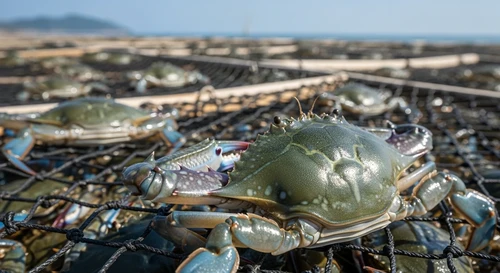
Black Spot Disease Devastates Blue Crab Farms in South Central Vietnam
A bacterial outbreak causing shell lesions and mass mortality in open-ocean crab cages is threatening local livelihoods.
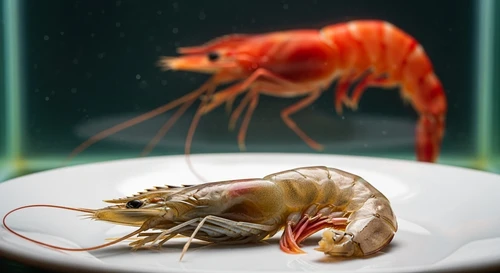
Restaurant Scam: Swapping Live Prawns for Dead Ones in the Kitchen
A persistent issue in coastal tourist towns. You pick a swimming prawn, but the kitchen serves you a mushy, pre-dead one.
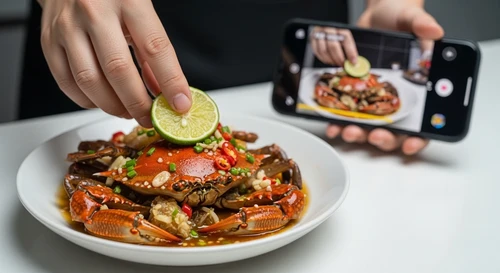
Why 'Ba Khia Tron' is Trending on Vietnamese Social Media
Analyzing the sudden Gen Z obsession with this pungent traditional dish and its explosion on TikTok Mukbangs.
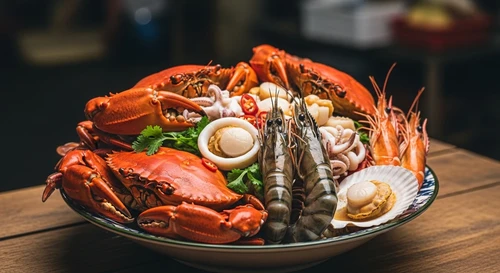
Reviewing the 300K VND Street Seafood Bowl at Ben Thanh Market
Is it a tourist trap or culinary excellence? We investigate the economics behind Vietnam's most expensive street food stalls.
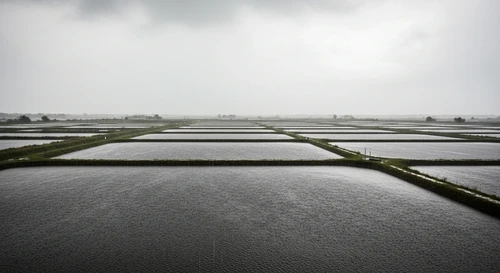
White Spot Syndrome Virus (WSSV) Threatens Shrimp Farms This Monsoon
An urgent warning from agricultural authorities as heavy rains trigger a deadly viral outbreak in intensive shrimp ponds.
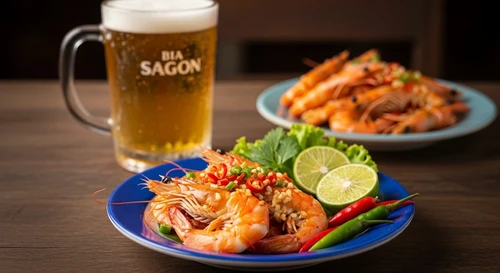
Startup: Secrets to Menu Pricing for High-Profit Seafood Restaurants and Pubs
Analyzing the strategy of selling seafood snacks combined with draft beer: Using at-cost shrimp and crabs as bait to profit from beverages.
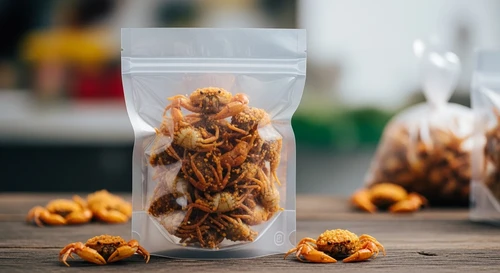
Dehydrated Seasoned Baby Crabs: A Potential Export Goldmine
How central Vietnamese processors are packaging crispy, spiced baby crabs to target international snack markets like Amazon.
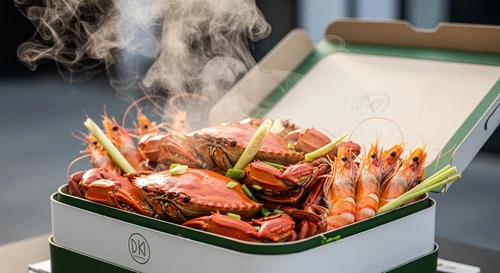
Massive Profits from a Fast & Convenient Seafood Takeaway Startup Model
The startup idea of portable, heat-retaining boxes of beer-steamed crabs and shrimp hits the psychological sweet spot of young people who don't want to cook.