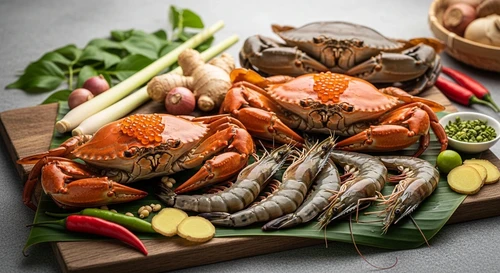
" The Mekong Delta, lifeblood of Vietnam's aquaculture, is under siege. This monsoon, it’s not just the relentless rain; a silent, invisible killer is ravaging shrimp ponds, threatening livelihoods and a critical global food source. "

📸 Monsoon rains swell rivers and ponds, creating ideal conditions for viral outbreaks in aquaculture.
1 The Invader: White Spot Syndrome Virus (WSSV)
When the skies open up in the Mekong Delta, unleashing torrents of rain that are a lifeline for rice paddies and a challenge for coastal communities, it’s also the signal for trouble in the world of shrimp farming. This year, agricultural authorities are issuing an urgent warning: White Spot Syndrome Virus (WSSV) is back, and it's spreading rapidly through intensive shrimp ponds.
WSSV is not a new adversary. It's a highly contagious and devastating virus that has plagued shrimp populations globally for decades. But its resurgence during the monsoon season in the Mekong, Vietnam's aquaculture powerhouse, is a significant concern. The virus is notorious for its rapid spread and high mortality rates, often leading to the decimation of entire ponds in a matter of days.
What is WSSV?
WSSV is a DNA virus that attacks shrimp, causing rapid lethality. It targets the shrimp's connective tissues, leading to characteristic white spots on the carapace and a significant drop in appetite and activity.
The Disease Progression
Once infected, shrimp can die within 3-10 days. Mortality can reach 100%. Affected shrimp often exhibit lethargy, reduced feeding, and sometimes discolored bodies.
2 The Monsoon Connection: Why Now?
The Mekong Delta's monsoon season, typically from May to October, brings heavy rainfall, high humidity, and significant changes in water salinity and quality. These conditions, while vital for agriculture, create a perfect storm for disease outbreaks in intensive aquaculture systems.
Water Quality Changes
- Dilution and Salinity Fluctuations: Heavy rainfall can dilute pond water, drastically changing salinity levels. This stress weakens shrimp immune systems.
- Nutrient Runoff: Rain washes agricultural and urban waste into waterways, potentially increasing organic load and promoting opportunistic pathogens.
Stress on Shrimp
- Temperature Fluctuations: While generally warm, sudden drops or rises in water temperature due to rain can stress shrimp.
- Physical Stress: High water levels and currents can make it harder for shrimp to navigate and feed.
3 The Mekong Delta: A Global Seafood Hub Under Threat
The Mekong Delta, a sprawling network of rivers, canals, and coastal plains in southwestern Vietnam, is a crucial region for global aquaculture. Provinces like Ca Mau, Bac Lieu, and Soc Trang are renowned for their shrimp production, supplying a significant portion of the world's shrimp market. This industry is not just about food; it's the economic backbone for millions of Vietnamese families.

Economic Significance
Shrimp farming in the Delta contributes billions of dollars annually to Vietnam's export economy. The industry supports a complex supply chain, from feed producers and hatcheries to farmers and processing plants.
Challenges of Intensive Farming
While intensive farming aims for higher yields, it also concentrates shrimp populations, making them more vulnerable to disease outbreaks, especially when environmental conditions deteriorate.
Heritage Ingredient
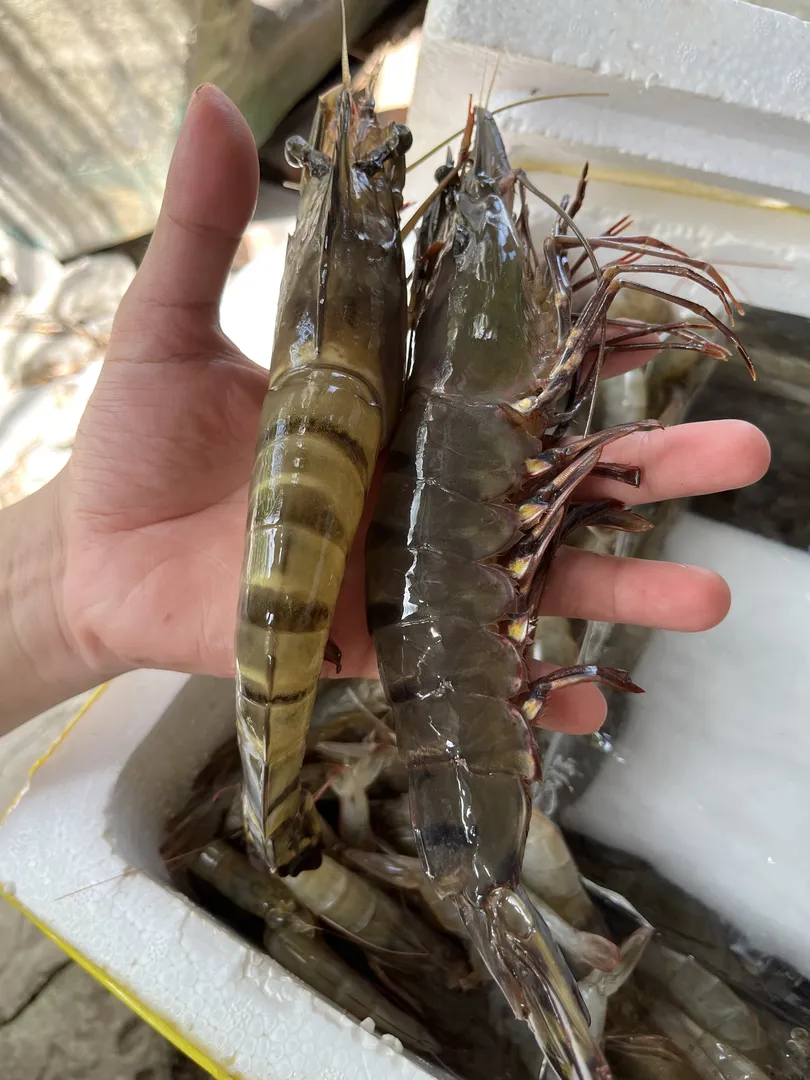
Ca Mau Black Tiger Shrimp
Ca Mau Black Tiger Shrimp
Large black tiger shrimp associated with mangrove aquaculture in Ca Mau, known for firm flesh and a cleaner, sweeter finish than intensively farmed shrimp.
Wild spirits of the mangroves, these black-banded gems deliver a firm, snappy texture and a sweetness that echoes the forest's vibrant life.

Heritage Ingredient
Mekong Giant Freshwater Prawn
Mekong Giant Freshwater Prawn
A river prawn with long blue claws and rich head fat, common in grilled prawn dishes and hotpot traditions across the Mekong basin.
Majestic blue-clawed warriors of the Mekong, famous for their rich, fatty heads and a savory depth that captures the essence of the delta's rivers.
Heritage Ingredient
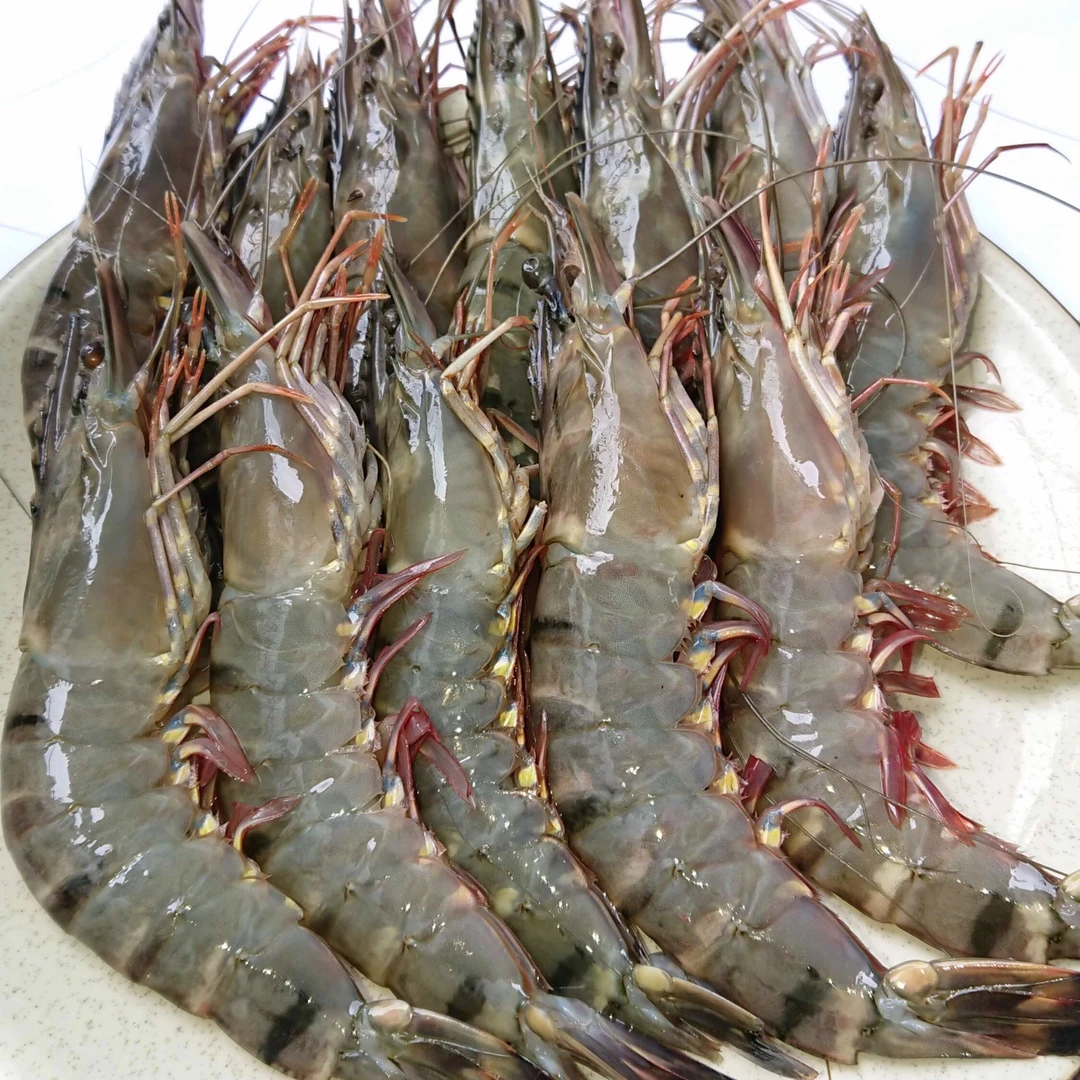
Whiteleg Shrimp
Whiteleg Shrimp
A widely used shrimp in Vietnamese home kitchens, suitable for stir-fries, soups, steamed dishes, and practical cooking articles that need a familiar shrimp reference.
Translucent jewels of the coast, thin-shelled and remarkably sweet, making every simple home meal feel like a seaside celebration.
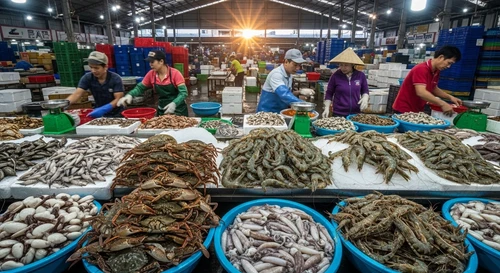
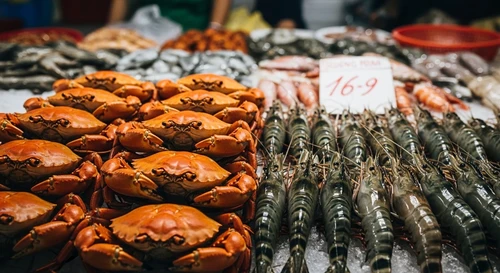
Illustrating some of the prized seafood from the Mekong region, now vulnerable to aquaculture threats.
Agricultural Warning & Response 🚨
In response to the escalating crisis, Vietnamese agricultural authorities and local governments are mobilizing. Early detection and rapid response are key to mitigating losses.
Monitoring & Surveillance
Teams are being dispatched to farms to monitor shrimp health and water quality. Early identification of WSSV symptoms is crucial.
Biosecurity Measures
Farmers are urged to strictly adhere to biosecurity protocols, including disinfecting ponds, equipment, and controlling access to farms.
Farmer Education
Information campaigns are underway to educate farmers on WSSV symptoms, prevention techniques, and appropriate actions to take.
Recommendations include using disease-resistant shrimp strains, maintaining optimal water parameters, and avoiding overcrowding.
Navigating the Storm: A Look Ahead
The recurring threat of WSSV, particularly during the monsoon season, highlights the vulnerability of intensive shrimp farming systems in the Mekong Delta. While immediate measures are in place to combat the current outbreak, the long-term sustainability of the industry hinges on more resilient approaches.
Sustainable Practices
Experts emphasize the need to transition towards more sustainable farming models. This includes integrated shrimp-rice farming, mangrove-associated aquaculture, and improved pond management techniques that minimize environmental stress and disease risk.
Technological Advancements
Investment in disease surveillance technology, early warning systems, and the development of robust, disease-resistant shrimp breeds are crucial for the future resilience of Mekong aquaculture.
Community Resilience
Supporting the farming communities through training, financial aid, and knowledge sharing is paramount. The strength of the Mekong Delta lies in its people, and their ability to adapt to these recurring challenges will determine the future of its vital seafood industry.
6 Beyond the Farm Gate: Global Impact
The implications of widespread disease outbreaks in the Mekong Delta extend far beyond the region's farmers. As one of the world's largest shrimp exporters, disruptions in Vietnam's supply chain can lead to significant impacts on global seafood markets, affecting availability and prices for consumers worldwide.
This situation underscores the interconnectedness of global food systems and the critical importance of supporting robust, sustainable aquaculture practices in vital regions like the Mekong Delta. The health of these farms is, in many ways, a reflection of our own global food security.
Expert's Note: The Subtle Signs
Agricultural experts emphasize that observing shrimp behavior is key. A sudden drop in feeding activity, lethargy, or unusual swimming patterns should be reported immediately. Early detection of WSSV is the single most effective tool in containing its spread and minimizing devastating losses.
8 Local Wisdom Meets Global Threat
While scientific intervention is crucial, the resilience of Mekong Delta farmers is rooted in generations of adapting to the river's rhythms. They understand the delicate balance of the ecosystem. This crisis calls for a synergy between this deep local knowledge and cutting-edge scientific approaches to disease management. The goal is not just to survive this monsoon, but to build an aquaculture future for the Delta that is more resilient, more sustainable, and more secure for generations to come.