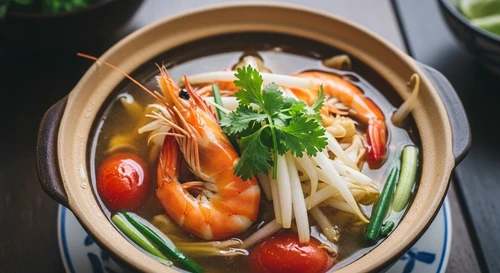
" The internet, a glorious, chaotic bazaar. And in its digital alleys, lurk temptations – deals so good, they feel like a crime. Seafood, particularly lobster, is a prime target. What begins as a siren song of savings often ends in a foul-smelling disappointment. "
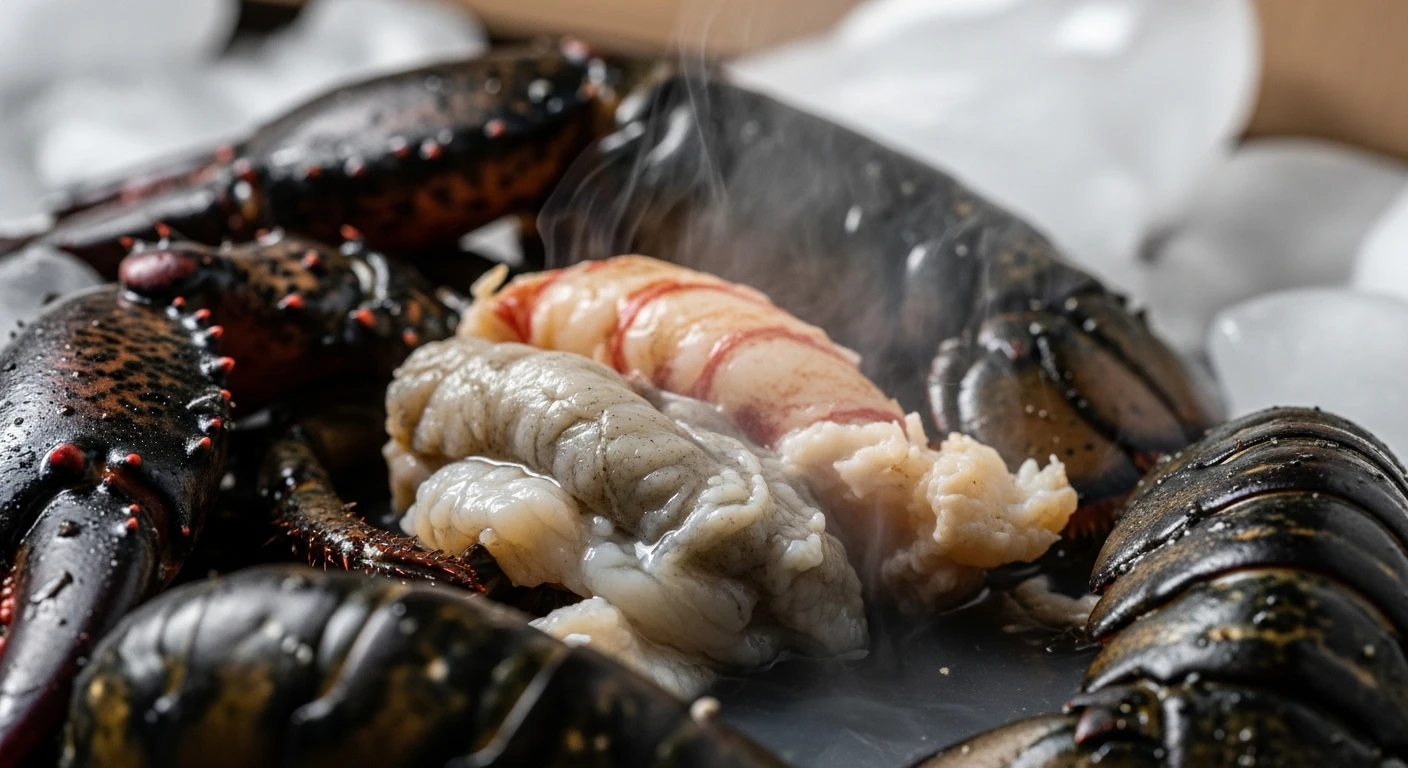
📸 Buyer beware: This is what "clearance" often looks like.
1 The Siren Song of "Clearance"
We’ve all been there. Scrolling through TikTok Shop, eyes glazed over, until a vibrant livestream catches our attention. "HUGE LOBSTER SALE! LIVE NOW! 50% OFF!" The streamer, a charismatic figure, holds up what appears to be a magnificent crustacean, promising a feast fit for royalty at a price that feels impossibly low. They might even be cracking a joke about how they're "practically giving them away."
This isn't just about buying lobster; it's about the thrill of the hunt, the satisfaction of snagging a bargain. The dynamic, real-time nature of livestreams—the scrolling comments, the escalating excitement, the FOMO (Fear Of Missing Out)—creates a powerful psychological pull. It feels personal, urgent, and irresistible. We hit 'buy' without much thought, visions of succulent lobster dinners dancing in our heads.
But what if the lobster isn't quite as advertised? What if the vibrant red in the livestream is hiding a multitude of sins beneath the surface?
2 When the Package Arrives: A Foul Revelation
The anticipation builds as the package arrives. You tear it open, eager to see your prize. But the initial excitement quickly sours. The moment you lift the lid, or even unseal the plastic wrap, a distinct, unpleasant odor assaults your senses. It’s not the briny fresh scent of the ocean; it’s something else. Something… off.
You pull out the supposed lobsters. The once vibrant shells are dull, some with an unsettling blackening around the head. This isn't just discoloration; it’s a visual cue of decomposition. When you try to handle them, the meat feels disturbingly soft, almost mushy, and you notice liquid – a cloudy, viscous fluid – seeping from the joints. This is the tell-tale sign of a seafood item that has long passed its prime, likely having died days before being packaged, if not longer.
The Black Head
A common indicator of poor handling and prolonged time since death. It signifies bacterial growth and tissue breakdown.
Mushy Meat & Leaking Water
Live seafood has firm, resilient flesh. Soft, watery meat means the cells have started to degrade, losing their structure.
Decomposing Smell
The most undeniable sign. The pungent ammonia-like smell of spoilage is a clear warning to discard immediately.
"Suffocated" vs. "Dead"
Lobsters and crabs are often marketed as "suffocated" to imply a less violent death than, say, being boiled alive. However, the crucial factor is their state *at the point of processing and shipping*. A truly fresh, recently deceased crustacean handled properly can still be good. What's arriving in these scams is far beyond that.
3 From the Pristine Waters to Your Door: A Broken Promise
Think about the livelihoods in places like Ca Mau, the southernmost province of Vietnam, famous for its rich aquaculture and vast mangrove forests. Here, hardworking fishers and farmers dedicate themselves to harvesting seafood of impeccable quality. They understand the delicate balance of the ecosystem, the importance of freshness, and the pride that comes with providing authentic, high-grade produce.
The seafood from regions like Ca Mau – be it the robust
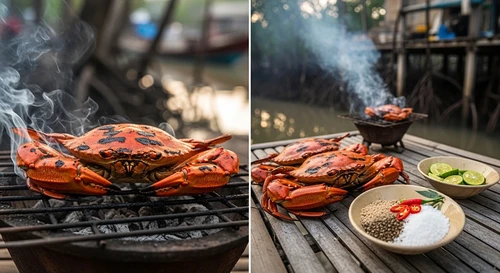
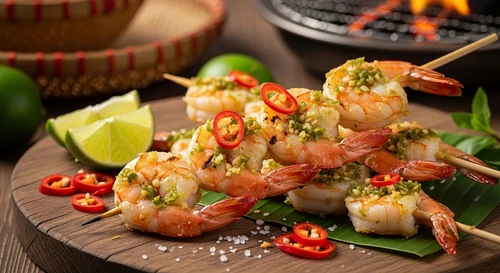
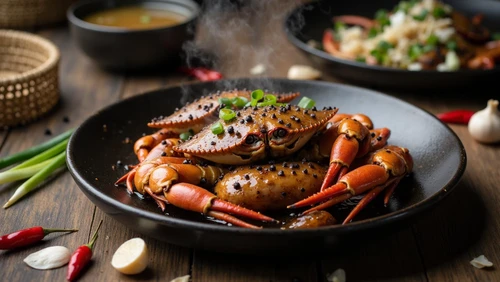
Heritage Ingredient Ca Mau Jumbo Mud Crab A large male mud crab prized for dense, sweet meat and thick claws, commonly used in steamed crab and grilled crab dishes across the Mekong Delta. An icon of coastal culinary heritage, featuring firm, sweet meat that captures the raw power and freshness of Ca Mau's tides. Heritage Ingredient Ca Mau Black Tiger Shrimp Large black tiger shrimp associated with mangrove aquaculture in Ca Mau, known for firm flesh and a cleaner, sweeter finish than intensively farmed shrimp. Wild spirits of the mangroves, these black-banded gems deliver a firm, snappy texture and a sweetness that echoes the forest's vibrant life.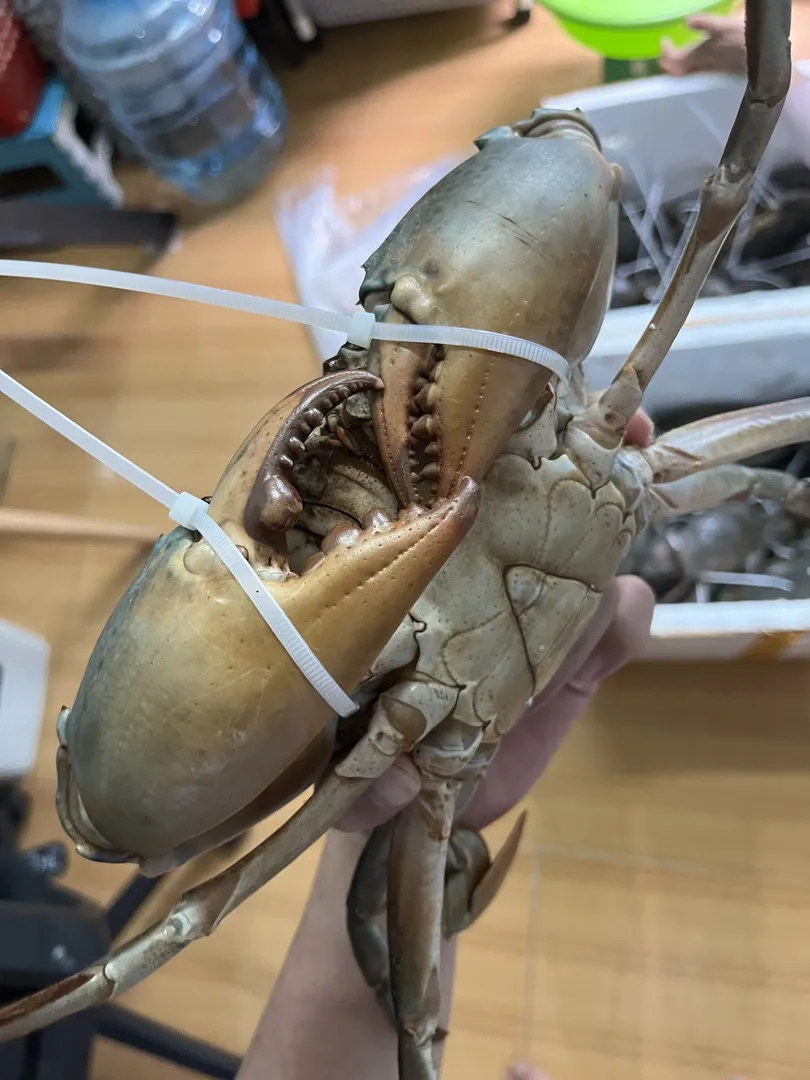
Ca Mau Jumbo Mud Crab
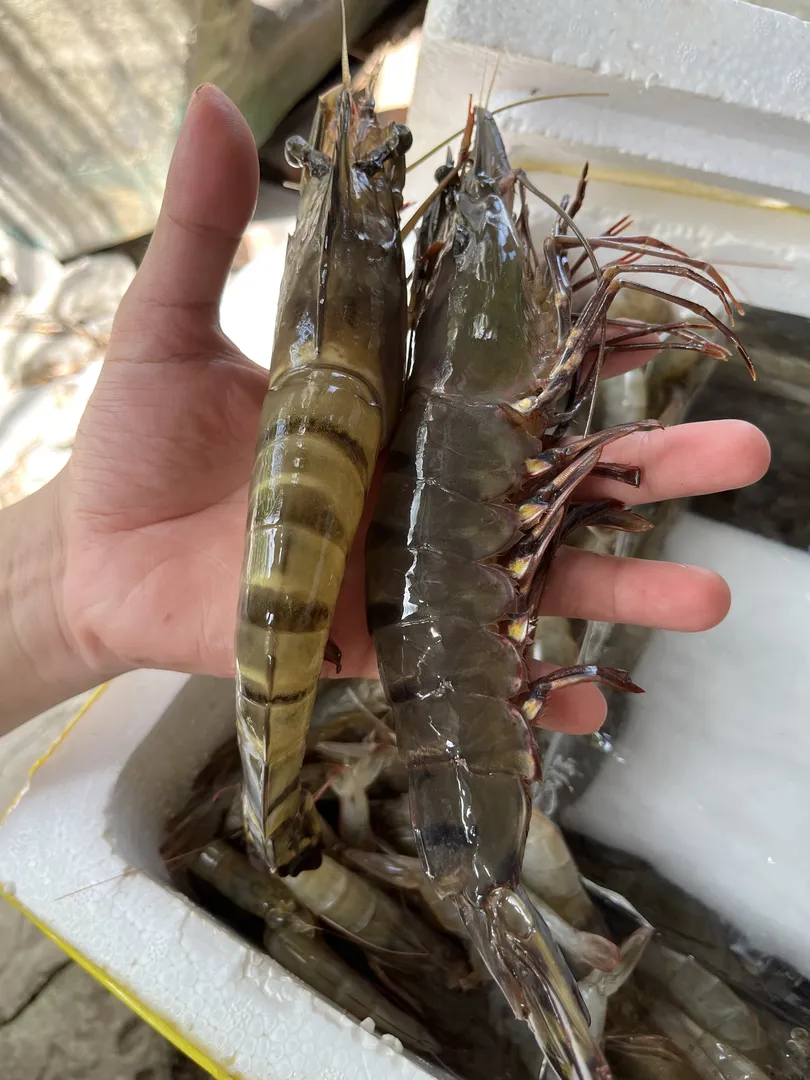
Ca Mau Black Tiger Shrimp
What these TikTok Shop scams represent is a betrayal of that trust. They often bypass the quality control, the careful handling, and the honest practices that define genuine seafood trading. Instead, they traffic in the cheapest, most easily obtainable, and tragically, the most compromised product they can find. The visual contrast between a carefully cultivated Ca Mau mud crab and a black-headed, decaying lobster is stark and heartbreaking. It's a perversion of the very bounty that regions like the Mekong Delta are celebrated for. Even regional specialties like
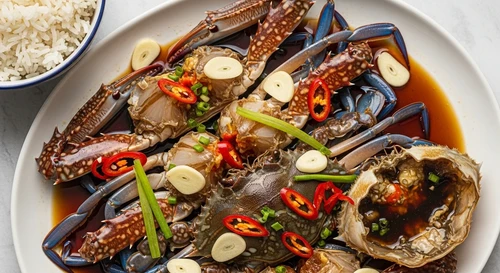
Heritage Ingredient Fermented Mangrove Crab (Ba Khia) A traditional fermented crab specialty from the mangrove region of Rach Goc, often cited in articles about rustic Mekong Delta flavors and preserved seafood culture. The salty-sour heartbeat of the wild south, where traditional fermentation turns forest crabs into a nostalgic explosion of rustic Mekong soul.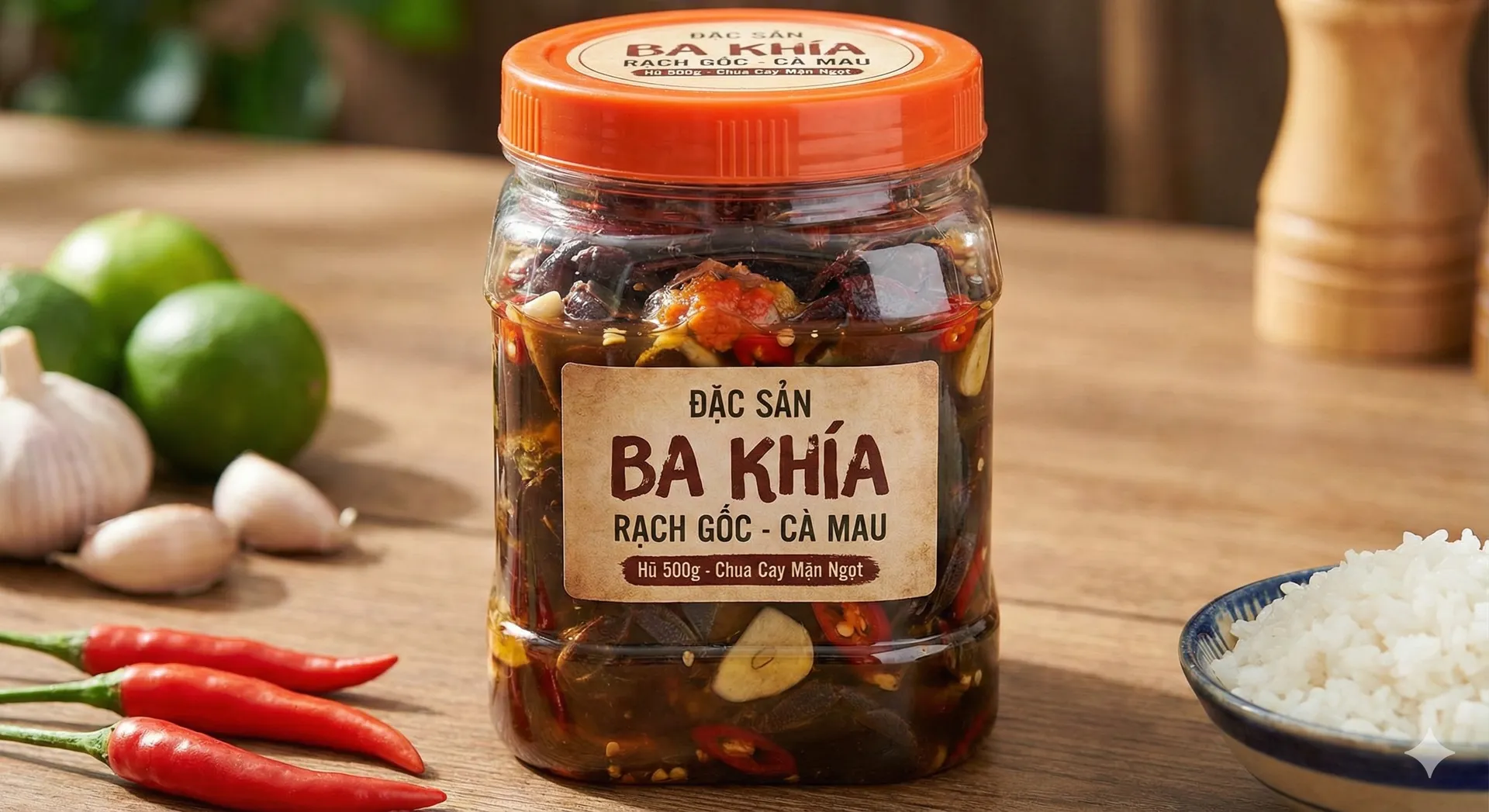
Fermented Mangrove Crab (Ba Khia)
4 The Mechanics of Deception
These operations thrive on a few key factors:
- Low Quality, High Volume: The primary goal is profit. They source the cheapest possible product – often seafood that is already dead or dying, unsellable in traditional markets, and passed off as a "deal."
- Distance & Packaging: The vast distance between the seller and the buyer, combined with packaging designed to mask odors and appearance (ice packs, vacuum sealing that can make things look worse), creates a buffer against immediate detection.
- The "Out-of-Sight, Out-of-Mind" Effect: By the time the customer receives the product and discovers the truth, the seller has moved on to the next livestream, the next batch of 'deals,' or uses customer service policies to avoid refunds.
- Ambiguous Definitions: Terms like "freshly deceased" or "suffocated" can be intentionally vague. What matters is not the death, but the state of decay after death.
More Than Just Money Lost 💸
The financial loss is significant, but the emotional and health impacts are worse.
Health Risks
Consuming spoiled seafood can lead to severe food poisoning, with symptoms ranging from nausea and vomiting to dangerous bacterial infections.
Disappointment & Betrayal
The emotional toll of being deceived, especially when anticipating a special meal, can be profound.
Erosion of Trust
These scams damage the reputation of legitimate online sellers and online marketplaces, making consumers warier of genuine deals.
Your Shield Against Scams
🔎 Research the Seller
💡 If it's too good to be true...
📦 Inspect Upon Arrival
🗣️ Report & Dispute
7 Authentic Flavors, Honest Sourcing
The allure of fresh, high-quality seafood is undeniable, and the Mekong Delta, with its intricate network of rivers and coastal areas, is a treasure trove. Places like Ca Mau are world-renowned for their premium crab and shrimp, harvested through sustainable aquaculture and wild-catching methods.
When you seek out authentic Vietnamese seafood, you're not just buying food; you're connecting with a culture and a landscape deeply intertwined with the water. You're supporting communities that understand the value of their natural resources and the art of preparing them with respect. The difference between a truly fresh catch from the Mekong and a mass-produced, spoiled product shipped across continents is profound – it’s the difference between vibrant life and festering decay.
8 A Taste of Reality
The convenience of online shopping has opened up a world of possibilities, but it has also created new avenues for deception. The "clearance sale" on suffocated lobsters is a stark reminder that in the digital marketplace, discerning consumers must remain vigilant. The promise of a cheap, luxurious meal can quickly turn into a costly lesson.
Let this be a cautionary tale. The next time a deal seems too good to be true, pause, research, and remember the potential fate of that "bargain" seafood. True quality, and true value, often require a little more effort, and a lot more honesty.