" There are moments in Hanoi when the air itself tastes green. It's the scent of *cốm*—young green rice—a fleeting delicacy that captures the essence of a humid summer, whispering tales of rice paddies and simple joys. "
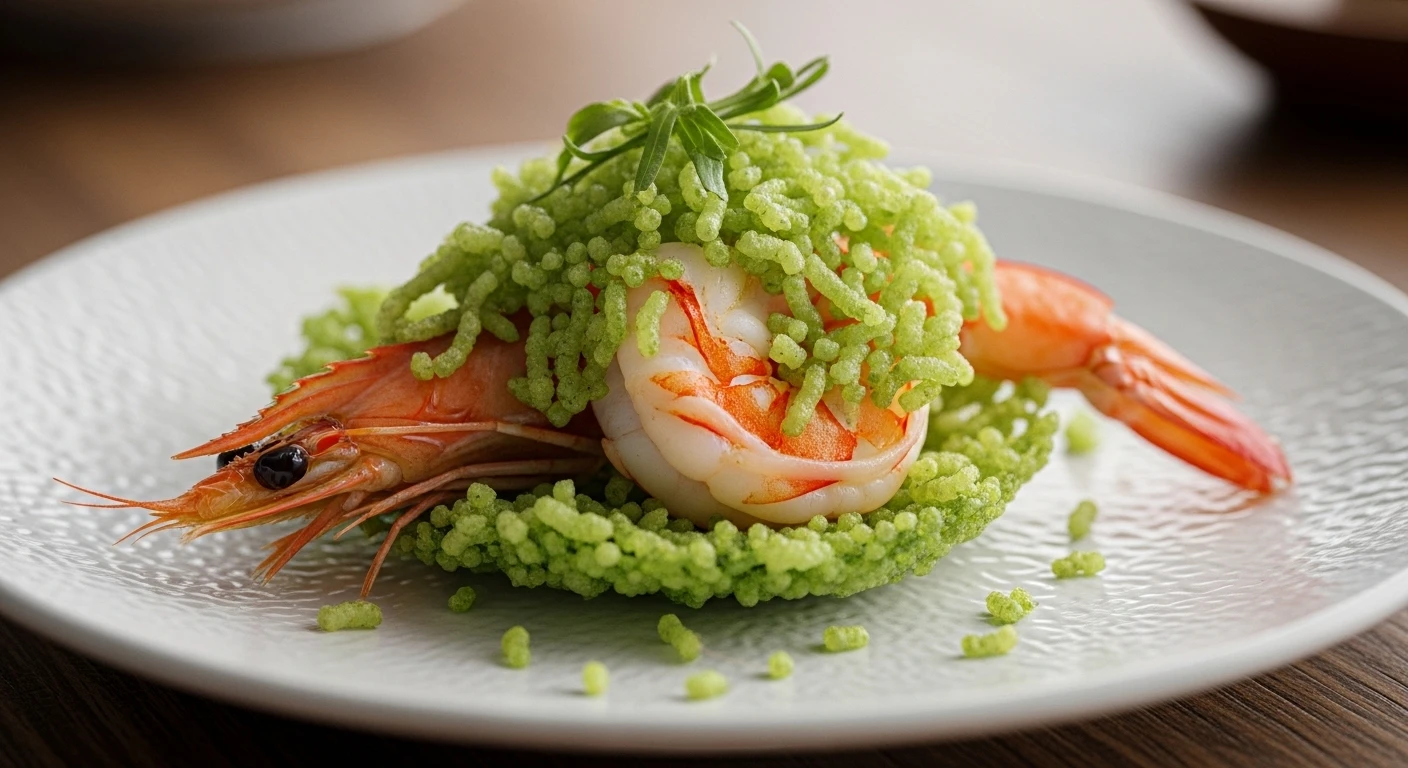
📸 Emerald jewels: Plump prawns coated in vibrant green *cốm*.
1 The Soul of Summer: Understanding *Cốm*
In the culinary landscape of Vietnam, certain ingredients are defined by their ephemerality. *Cốm*, or young green rice, is perhaps the most poetic. Harvested in late summer and early autumn, it's made from glutinous rice grains that are still immature, plucked just before they fully ripen. The grains are then parched over low heat until they flatten and develop a distinct, slightly sticky texture and a wonderfully subtle, grassy aroma. It’s a taste that’s both delicate and intensely evocative of the northern countryside.
While its most famous incarnation is *Cốm Vòng* from the famed Vòng village near Hanoi, *cốm* is a symbol of a specific time and place. It’s a flavor that city dwellers crave, a reminder of cooler mornings and the bounty of the harvest. This dish takes that precious *cốm* and elevates it, pairing its unique essence with the briny sweetness of fresh seafood.
2 From Rice Paddies to Riverbanks: The Prawn's Journey
While *cốm* itself is a northern specialty, the art of pairing it with seafood finds rich expression throughout Vietnam, including the vast waterways of the Mekong Delta. When we talk about fried shrimp in this context, the quality of the prawn is paramount. Ideally, you want plump, succulent tiger prawns or even the larger freshwater prawns from the delta's abundant rivers.
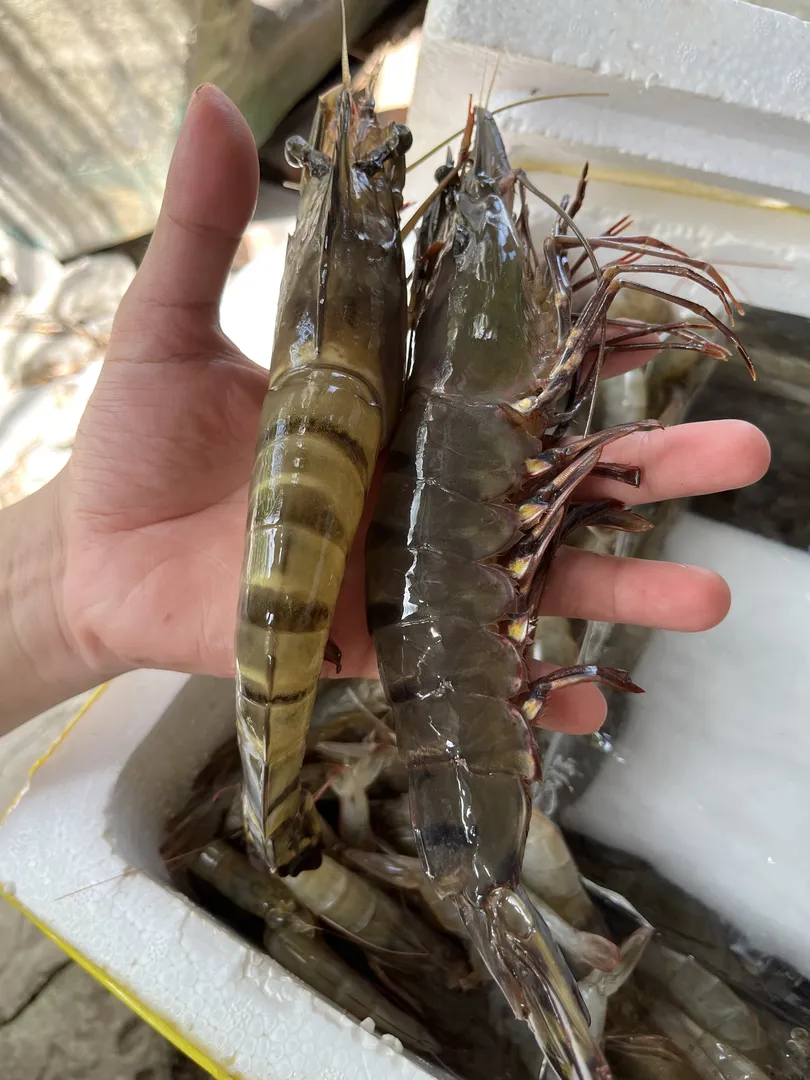
Heritage Ingredient
Ca Mau Black Tiger Shrimp
Ca Mau Black Tiger Shrimp
Large black tiger shrimp associated with mangrove aquaculture in Ca Mau, known for firm flesh and a cleaner, sweeter finish than intensively farmed shrimp.
Wild spirits of the mangroves, these black-banded gems deliver a firm, snappy texture and a sweetness that echoes the forest's vibrant life.

Heritage Ingredient
Mekong Giant Freshwater Prawn
Mekong Giant Freshwater Prawn
A river prawn with long blue claws and rich head fat, common in grilled prawn dishes and hotpot traditions across the Mekong basin.
Majestic blue-clawed warriors of the Mekong, famous for their rich, fatty heads and a savory depth that captures the essence of the delta's rivers.
The goal is a prawn that’s firm, sweet, and carries its natural oceanic or freshwater flavor. For this dish, they should be peeled, but the tail is often left on for both presentation and a good grip while eating. A quick toss in *cốm* before frying ensures each bite is a delightful contrast of textures: the crisp shell of the rice, the tender prawn, and that unmistakable hint of fresh grass.
3 That Emerald Embrace
The magic of this dish lies in the coating. The flattened green rice (*cốm*) adheres beautifully to the prawn, creating a craggy, textured surface that promises a satisfying crunch. It's important that the *cốm* is fresh. If it’s stale or too dry, it won’t cling as well.
Selecting Your *Cốm*
- Freshness is Key: Look for *cốm* that is still pliable and has a vibrant green hue. Avoid *cốm* that feels brittle or has lost its color.
- Vong Village Authenticity: If you can source *cốm* specifically from Vong village, you're in for an authentic treat.
The Binding Agent
- A Touch of Moisture: Sometimes, a very light misting of water or a whisper of beaten egg white can help the *cốm* adhere if it feels too dry. Use sparingly.
- Gentle Press: After coating, gently press the *cốm* onto the prawn to ensure good coverage.
This isn't about a thick batter; it's about a light, natural coating that allows the *cốm*'s delicate flavor to shine through.
4 The Golden Sizzle
Frying is the final act that transforms the coated prawns into a crispy delight. The key is to use a neutral oil (like vegetable or canola) heated to the right temperature. Too low, and the prawns will absorb too much oil. Too high, and the *cốm* will burn before the prawn is cooked through.
Oil Temperature
Heat your oil to around 350°F (175°C). You can test it by dropping a tiny piece of *cốm* into the oil; it should sizzle immediately and float up.
Don't Crowd the Pan
Fry the prawns in batches to maintain oil temperature and ensure even crisping. Overcrowding leads to soggy results.
Golden and Crisp
Fry for about 2-3 minutes per side, or until the prawns are pink and cooked through, and the *cốm* coating is a beautiful golden green and crisped. Drain immediately on paper towels.
A Symphony of Textures and Aromas
The beauty of this dish is its nuanced complexity, arising from the simplest of ingredients and techniques.
The Crunch
From the perfectly fried *cốm* coating.
The Sweetness
From the succulent prawn and the subtle nutty notes of the rice.
The Aroma
The unmistakable, fresh, grassy perfume of young green rice.
These are best served immediately, hot and crisp. A simple dipping sauce of lime juice, a pinch of salt, and freshly ground pepper is all you need. Some may prefer a tiny hint of chili for a kick.
6 A Taste of Tradition: The Vong Village Story
No discussion of *cốm* is complete without mentioning Vong village (Làng Vòng) in Hanoi's Cau Giay district. For centuries, this village has been synonymous with the production of the finest *cốm*. The intricate, traditional process passed down through generations is a labor of love, involving careful harvesting, meticulous roasting, and skillful flattening.
While this dish may not be exclusive to Vong village, its soul is deeply rooted in the dedication to this singular ingredient. The crispy *cốm* coating is a modern, yet respectful, way to showcase *cốm*'s unique qualities. It’s a dish that bridges the gap between the rustic charm of the rice paddies and the sophisticated palate of Hanoi’s culinary scene.
7 Culinary Crossroads
While fried shrimp with *cốm* is a specific, celebrated dish, it represents a broader culinary philosophy found across Vietnam: the harmonious marriage of seasonal ingredients with the freshest local produce. Whether it’s the verdant *cốm* from the North or the abundant seafood from the Mekong Delta’s intricate river systems and coastline, Vietnamese cuisine thrives on highlighting the inherent flavors of its offerings.
This dish serves as a beautiful reminder that true culinary artistry often lies in simplicity and respect for ingredients. It’s a fleeting taste of summer, a bite of tradition, and a testament to the enduring appeal of fresh, vibrant flavors.
8 Embrace the Season
So, if you find yourself in Hanoi during the summer months, or fortunate enough to find fresh *cốm* elsewhere, seek out or create this gem. It’s more than just a dish; it's an experience. It’s the taste of a season, a celebration of craft, and a delicious whisper from the Vietnamese countryside. Enjoy that beautiful green crunch.
More Vietnamese Flavors
View More Food & Culinary
Coconut Coconut Steamed Mud Crab: A Mekong Delta Specialty
Cooking crab in fresh coconut water enhances its natural sweetness. A simple yet luxurious dish from Southern Vietnam.
Crab Spring Rolls (Nem Cua Be): A Crispy Northern Vietnam Delicacy
Explore the crispy, square-shaped crab spring rolls from Hai Phong and how to make them at home.
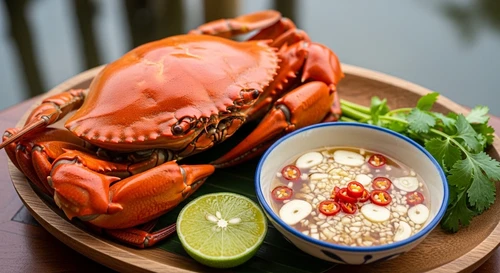
Making the Perfect Fish Sauce Dip for Steamed Crab
It's all about the ratio! How to balance fish sauce, lime, sugar, garlic, and chili to complement, not overpower, the crab.
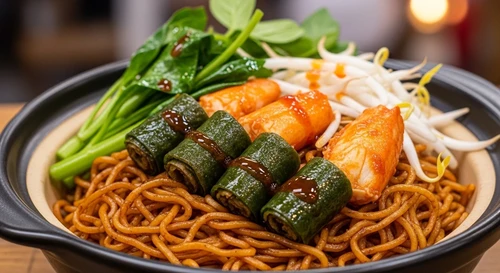
Hai Phong Dry Stir-fried Crab Noodles (Banh Da Cua)
A twist on the traditional soup, turning brown tapioca noodles into a dry stir-fry with betel leaf rolls and crab meat.
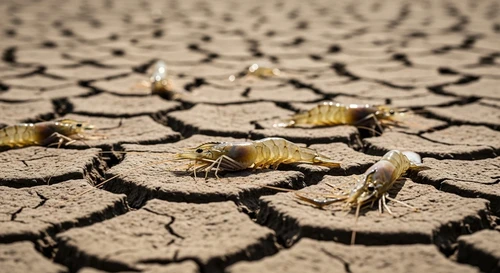
Why Are River Prawns Often Hollow During the Dry Season?
The biological impact of low water levels and reduced natural food sources causes prawns to be 'ốp' (hollow and mushy).
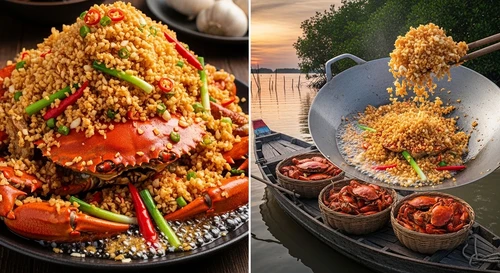
Hong Kong Style Typhoon Shelter Crab: Garlic Overload
Deep-fried crab buried under a mountain of crispy garlic, scallions, and chili. A masterpiece of Cantonese cuisine.
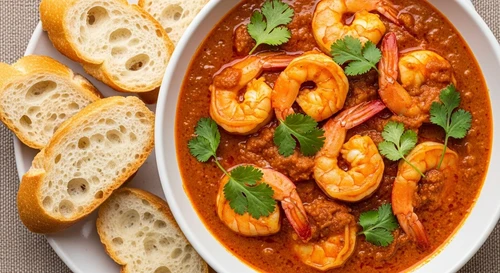
Indian-Style Prawn Curry: A Bold Weekend Flavor Shift
Robust curry powders, lemongrass, and coconut milk simmered with firm, meaty freshwater prawns. Serve with toasted baguette.
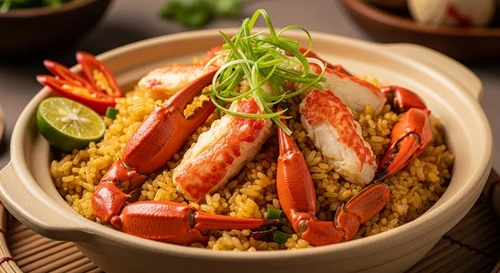
Crab Meat Fried Rice (Com Chien Cua): A Quick 15-Minute Recipe
The ultimate way to use leftover rice and fresh crab meat. A staple in every Vietnamese household.
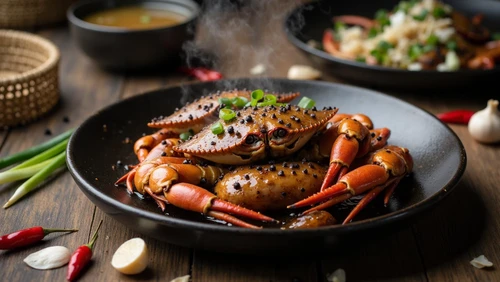
Black Pepper Crab: The King of Savory Seafood
Crab tossed in a sticky, peppery sauce made from freshly ground black peppercorns, butter, and oyster sauce.